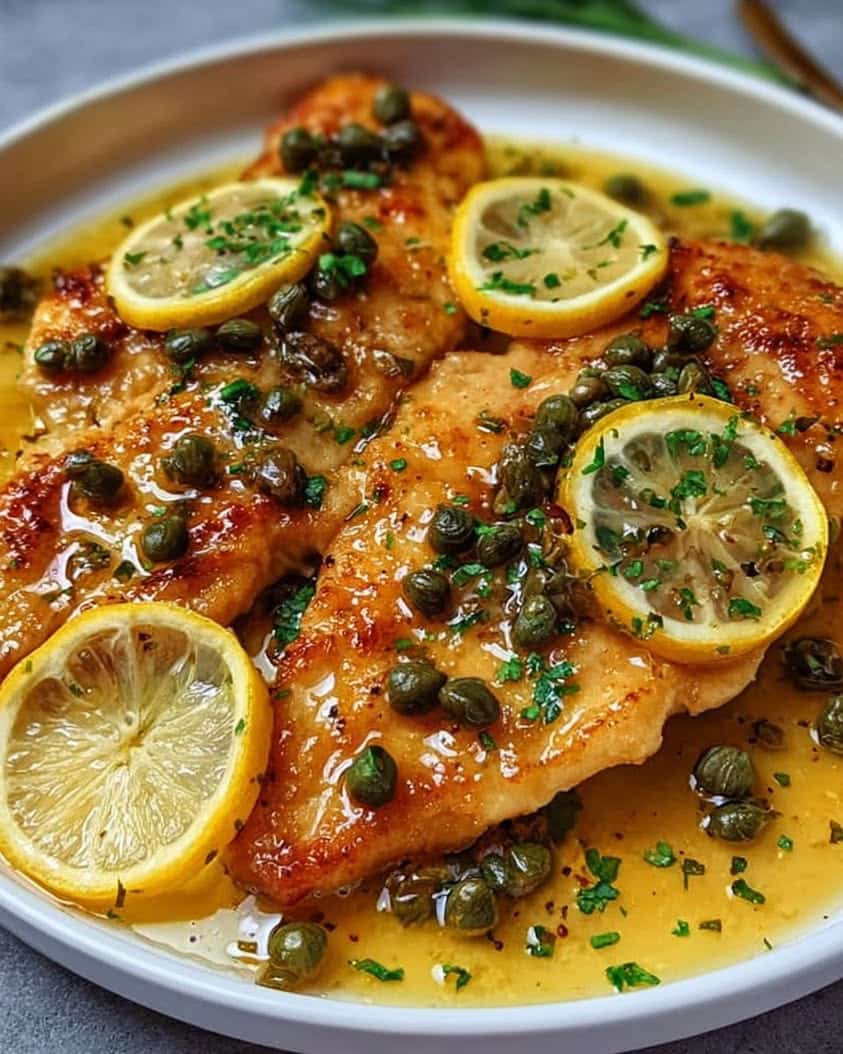
The Ultimate Chicken Piccata Recipe with Lemon and Capers: A Bright and Zesty Italian Classic
There is something truly magical about a dish that combines bright citrus with briny pops of flavor, and this Ultimate Chicken Piccata Recipe with Lemon and Capers delivers exactly that. You get tender chicken cutlets that are lightly dredged in flour, pan-seared to golden perfection, and then bathed in a luscious sauce made from fresh lemon juice, butter, and capers. The first time you taste this dish, you will notice how the acidity of the lemon cuts through the richness of the butter, creating a balanced and satisfying meal that feels special yet remains approachable for a weeknight dinner. The capers add a savory punch that elevates the entire experience, making each bite a delightful contrast of textures and tastes. This chicken piccata recipe with lemon and capers has become a staple in my kitchen because it requires minimal fuss but delivers restaurant-quality results every single time.
When you prepare this chicken piccata recipe with lemon and capers, you will find that the process itself is quite straightforward, but the outcome is anything but simple. The key lies in understanding how each ingredient contributes to the final dish. The chicken breasts must be pounded evenly so they cook uniformly, and the flour coating should be thin yet thorough to create a delicate crust. As you deglaze the pan with white wine and lemon juice, you will scrape up the flavorful browned bits that have stuck to the bottom, which adds an incredible depth to the sauce. The capers come in at the end, their brine mingling with the citrus to create a sauce that coats every piece of chicken beautifully. I love serving this dish with a side of buttery pasta or crusty bread to soak up every last drop of that glorious sauce.
The appeal of this dish goes beyond its incredible flavor. It represents a style of cooking that is both rustic and refined, rooted in Italian-American culinary traditions. You can prepare this chicken piccata recipe with lemon and capers in under 35 minutes, making it ideal for busy professionals or home cooks who want to impress guests without spending hours in the kitchen. The ingredients are simple pantry staples, which means you can whip this up on a whim without a special trip to the grocery store. The aroma of sizzling chicken mingling with lemon and garlic will fill your kitchen with an irresistible scent that signals something wonderful is about to happen. Whether you are cooking for yourself or hosting a dinner party, this recipe consistently earns rave reviews and requests for seconds.
Quick Recipe Highlights
- Flavor Profile: You will experience a bright and tangy lemon flavor that is balanced by rich butter and salty capers. The combination creates a savory sauce with a pleasant acidity.
- Texture: The chicken has a tender interior with a lightly crispy exterior from the flour dredge. The sauce is silky and smooth, coating each piece perfectly.
- Aroma: Expect a fragrant blend of lemon zest, garlic, and white wine as you cook. The capers add a distinct briny note that enhances the overall scent.
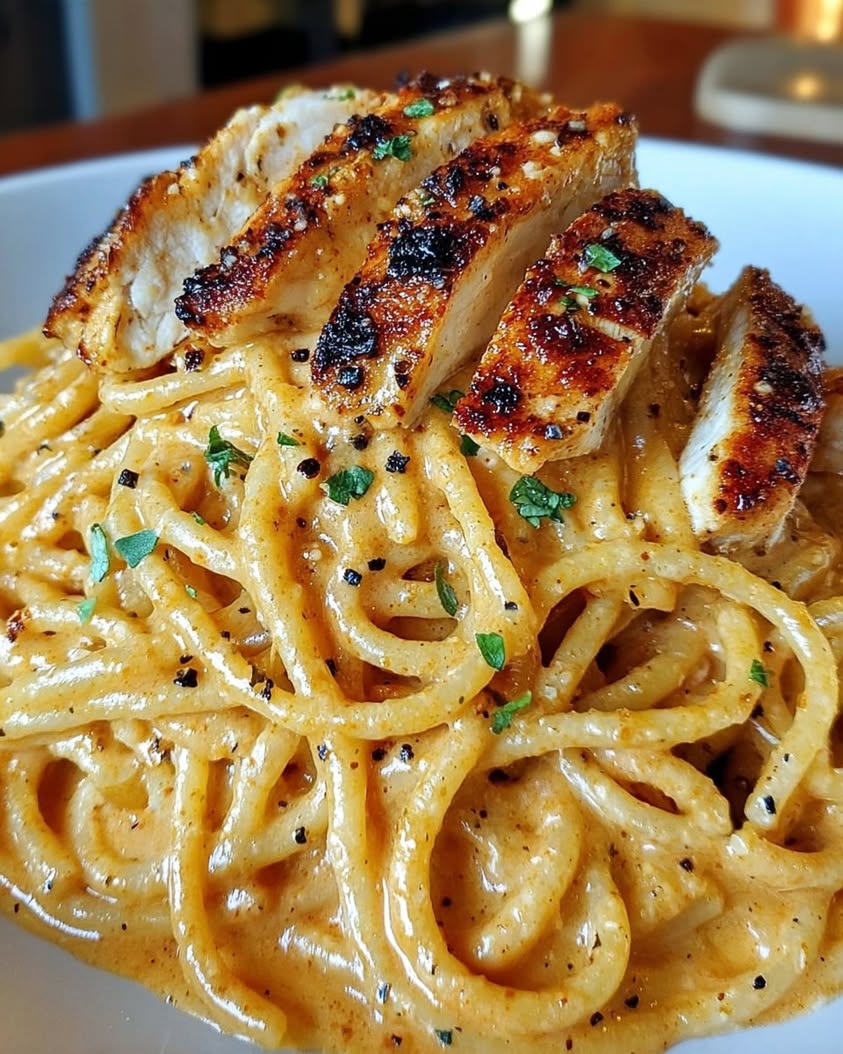
- Visual Appeal: You will see golden-brown chicken cutlets glistening with a pale yellow sauce speckled with green capers. The presentation is elegant yet simple.
- Skill Level Needed: This recipe requires basic knife skills for pounding chicken and a willingness to monitor a pan. Most home cooks can master it after one or two attempts.
- Special Equipment: You need a heavy-bottomed skillet, a meat mallet or rolling pin, and a sharp knife. A citrus juicer also helps extract maximum lemon juice.
Recipe Overview
- Difficulty Level: I classify this as an easy recipe because the techniques are straightforward and the ingredient list is short. The main challenge is timing the sauce correctly, but you can learn this quickly with practice. Even beginner cooks can achieve great results on their first try.
- Category: This dish falls under the main course category, perfect for lunch or dinner. It pairs well with starches like pasta, rice, or roasted potatoes. You can also serve it as a lighter meal with a green salad.
- Cuisine: The recipe draws from Italian culinary traditions, specifically from the piccata style of cooking found in regions like Lombardy. It has been adapted widely in Italian-American cooking, where it remains a beloved classic. The use of lemon and capers reflects the Mediterranean preference for bright, acidic flavors.
- Cost: The total cost for this dish is moderate, with chicken breasts being the most expensive ingredient. Capers and lemons are affordable pantry items, and flour and butter are kitchen staples. You can easily feed four people for around 15 to 20 dollars total.
- Season: This recipe shines in spring and summer when lemons are at their peak. However, you can enjoy it year-round because the ingredients are always available. The bright flavors also provide a welcome contrast during colder months.
- Occasion: This dish works beautifully for casual family dinners, romantic date nights, or festive holiday meals. It is elegant enough for entertaining but simple enough for a Tuesday night. You will find that guests often ask for the recipe after tasting it.
Why You Will Love This Recipe
The taste and texture appeal of this Ultimate Chicken Piccata Recipe with Lemon and Capers is simply unmatched. You get a tender chicken cutlet that is juicy on the inside and has a light, golden crust on the outside. The sauce envelops the chicken with a velvety consistency that is both rich and refreshing. Each forkful delivers a burst of lemon that awakens your palate, followed by the savory saltiness of capers. The balance is so precise that you will find yourself going back for more, even after you feel full. The combination feels indulgent without being heavy, which is a rare quality in a dish that uses butter so generously.
Convenience and preparation benefits make this recipe a true winner for anyone with a busy schedule. You can have dinner on the table in about 35 minutes, including prep time. The steps are logical and efficient, and you can easily multitask by cooking pasta or vegetables while the chicken rests. The cleanup is minimal because you use only one skillet for the entire dish. You do not need any special equipment beyond basic kitchen tools, so there is no barrier to entry. This recipe proves that you do not have to sacrifice quality for speed, as the results are consistently excellent.
Nutritional advantages also play a role in why you will love this dish. Chicken breast is a lean protein that supports muscle health and keeps you feeling full. The lemon juice provides vitamin C, which supports your immune system and aids digestion. Capers are low in calories and contain antioxidants that benefit your overall health. Butter does add some saturated fat, but you can easily control the amount or substitute olive oil for a lighter version. When served with a side of vegetables or whole grains, this meal becomes a balanced option that fits into a healthy eating plan. You get flavor without guilt.
Social and entertaining value makes this recipe a go-to when you want to impress guests. People often perceive dishes like chicken piccata as fancy or complicated, so they will be surprised when you serve it with confidence. The bright, aromatic sauce creates an air of sophistication that elevates any dinner table. You can prepare the chicken cutlets ahead of time and finish the sauce just before serving, which reduces last-minute stress. Pair it with a crisp white wine and a simple salad, and you have a complete meal that feels like a special occasion. Your guests will think you spent hours in the kitchen, but you will know the secret.
Cost-effectiveness and accessibility are major reasons to add this recipe to your regular rotation. Chicken breasts are widely available and affordable, especially when you buy them in bulk or on sale. Capers have a long shelf life and can be stored in the refrigerator for months after opening. Lemons are inexpensive and you likely already have flour, butter, and stock in your pantry. This means you can create a restaurant-quality dish without breaking your grocery budget. The ingredients are also easy to find at any standard supermarket, so you never have to hunt for obscure items. You get maximum value for your money with every serving.
Historical Background and Cultural Significance
The origins of this chicken piccata recipe with lemon and capers trace back to Italy, where the term piccata refers to a method of preparing meat that is sliced, pounded, and cooked in a sauce. Historically, the dish emerged in the Lombardy region, which is known for its dairy and butter-based cooking. Italian cooks originally made piccata using veal, but chicken became a popular substitute when the dish traveled to America. The sauce traditionally includes lemon, capers, and butter, which are staples of Mediterranean cuisine. The bright acidity of the lemon reflects the Italian preference for balancing rich flavors with fresh, tart elements. This history gives the dish a sense of authenticity and tradition that resonates with food lovers today.
Cultural importance extends beyond the kitchen, as chicken piccata has become a symbol of Italian-American identity and home cooking. Immigrants brought this recipe to the United States in the early 20th century, where it gained popularity in restaurants and family kitchens alike. It represents the fusion of Italian techniques with American ingredients and tastes. The dish appears on menus across the country, from red-sauce joints to upscale eateries, proving its lasting appeal. Home cooks often pass down their versions through generations, each family adding its own subtle twist. This tradition keeps the recipe alive and relevant in modern culinary culture.
The evolution of the recipe over time shows how adaptable and resilient this dish truly is. Original versions used veal scallopini, but chicken became the go-to protein because it is more affordable and widely available. Some cooks add garlic or shallots to the sauce, while others incorporate white wine for extra depth. Vegetarian adaptations replace chicken with eggplant or tofu, proving that the sauce works with many bases. Modern chefs sometimes add heavy cream for a richer texture, though purists prefer the traditional butter-based sauce. These variations demonstrate the flexibility of the core concept, which allows creativity without losing the essence of piccata.
Regional variations across Italy and beyond add fascinating layers to this dish. In southern Italy, cooks might use olive oil instead of butter and add tomatoes or olives to the sauce. Some versions use fish like sole or trout, which pairs beautifully with the lemon and capers. In the United States, chicken piccata is often served with pasta, while Italian cooks might pair it with polenta or crusty bread. Each region puts its own stamp on the recipe, reflecting local ingredients and preferences. These variations enrich the overall tradition and give you many ways to enjoy the same fundamental flavors.
Ingredient Deep Dive
Chicken Breasts: Chicken has a long history as a staple protein in cuisines around the world, valued for its versatility and mild flavor. In the context of chicken piccata, the breast meat is ideal because it pounded evenly and cooks quickly. Nutritionally, chicken breast offers high-quality protein with minimal fat, making it a healthy choice for muscle maintenance and weight management. When selecting chicken, look for breasts that are uniform in thickness and have a pink, moist appearance without any discoloration. Store raw chicken in the refrigerator at 40 degrees Fahrenheit or below for up to two days. If you need a substitute, turkey cutlets or pork medallions work well in this recipe.
Lemons: Lemons have played a crucial role in Mediterranean cooking for centuries, valued for their bright acidity and aromatic zest. They are rich in vitamin C and antioxidants that support immune function and skin health. When choosing lemons for this recipe, look for ones that feel heavy for their size and have a bright yellow color with smooth skin. Avoid lemons that are soft or have blemishes. Store lemons at room temperature for up to a week or in the refrigerator for up to a month. If you cannot find fresh lemons, you can use bottled lemon juice in a pinch, but the flavor will be less vibrant.
Capers: Capers are the pickled flower buds of the Capparis spinosa plant, which grows in Mediterranean regions. They add a distinct briny and tangy flavor that complements the lemon in piccata sauce. Capers are low in calories and contain flavonoids with antioxidant properties. When shopping for capers, you will find two main types: salt-packed and brine-packed. Salt-packed capers have a more intense flavor, while brine-packed ones are milder. Look for capers that are firm and uniform in size. Store opened capers in their brine in the refrigerator, where they will last for months. If you need a substitute, you can use chopped green olives or pickled green peppercorns for a similar salty pop.
Unsalted Butter: Butter is a cornerstone of French and Italian cooking, prized for its rich flavor and ability to create smooth sauces. In this recipe, butter adds body and richness to the lemon-caper sauce. Nutritionally, butter contains fat-soluble vitamins like A, D, and E, but it is also high in saturated fat. When selecting butter, choose unsalted varieties so you can control the sodium level in your dish. Look for butter with a golden color and a fresh, creamy aroma. Store butter in the refrigerator for up to two months or freeze it for longer storage. If you need a dairy-free alternative, you can use a high-quality olive oil or vegan butter substitute.
All-Purpose Flour: Flour serves as a light coating for the chicken, helping to create a golden crust and thicken the sauce slightly. It has been a pantry staple for thousands of years, central to baking and cooking across cultures. For this recipe, all-purpose flour provides the right texture without being too heavy. When selecting flour, look for a brand that is fresh and free of any off odors. Store it in an airtight container in a cool, dry place for up to several months. If you need a gluten-free option, you can use rice flour or a gluten-free all-purpose blend. Keep in mind that gluten-free flours may brown faster, so you should adjust your cooking time accordingly.
Common Mistakes to Avoid
- Using chicken breasts that are uneven in thickness. This leads to uneven cooking where some parts become dry while others remain undercooked. Always pound the chicken to an even thickness of about 1/4 inch for consistent results.
- Skipping the step of drying the chicken thoroughly before dredging. Excess moisture prevents the flour from adhering properly and creates a gummy coating. Pat the chicken dry with paper towels for a better crust.
- Overcrowding the skillet when searing the chicken. This lowers the pan temperature and causes the chicken to steam rather than brown. Cook in batches if necessary to maintain a good sear.
- Using cold butter directly from the refrigerator when making the sauce. Cold butter can seize up and create a greasy texture. Allow the butter to come to room temperature before adding it to the pan.
- Adding the lemon juice too early in the cooking process. Prolonged heat can make the lemon taste bitter and dull its brightness. Add lemon juice at the end of cooking to preserve its fresh flavor.
- Not scraping the browned bits from the pan after searing the chicken. These fond particles are packed with flavor and form the base of your sauce. Deglaze the pan thoroughly with wine or stock.
- Overcooking the chicken until it becomes dry and tough. Chicken piccata cooks quickly, so remove it from the pan as soon as it reaches an internal temperature of 165 degrees Fahrenheit. Let it rest briefly before serving.
- Using poor quality capers that taste overly salty or mushy. Cheap capers can ruin the delicate balance of the sauce. Invest in good quality capers, preferably from Italy or Spain, for the best texture and flavor.
- Forgetting to season the flour with salt and pepper before dredging the chicken. This step ensures that the chicken is seasoned throughout, not just on the surface. A well-seasoned flour makes a noticeable difference in the final taste.
- Skipping the resting period after cooking the chicken. Letting the chicken rest for a few minutes allows the juices to redistribute, resulting in a more tender and flavorful piece of meat.
Essential Techniques
Pounding the Chicken: Pounding chicken breasts to an even thickness is crucial for this recipe because it ensures uniform cooking and tender texture. To master this technique, place the chicken breast between two sheets of plastic wrap or inside a zip-top bag. Use a meat mallet or a heavy rolling pin to gently pound the chicken from the center outward. Start with light taps and gradually increase pressure until the breast is about 1/4 inch thick. Common pitfalls include pounding too hard and tearing the meat or leaving uneven spots that cause dry edges. Visual cues for success include a uniform thickness throughout and a slightly flattened, oval shape that will cook evenly.
Dredging in Flour: Dredging the chicken in flour creates a light crust that helps the sauce adhere and adds a pleasant texture. The flour also thickens the pan sauce slightly as it cooks. To master this technique, season the flour generously with salt and pepper before dredging. Press the chicken firmly into the flour on both sides, then shake off any excess to avoid a pasty coating. Common pitfalls include using too much flour, which results in a doughy texture, or not seasoning the flour at all, which leaves the chicken bland. Visual cues for success include a thin, even coating of flour that covers the entire surface without clumps or bare spots.
Deglazing the Pan: Deglazing is the process of adding liquid to a hot pan and scraping up the browned bits left from cooking. This technique builds a rich, flavorful base for your sauce. To master it, remove the cooked chicken from the pan and pour off any excess fat. Add white wine or chicken stock to the hot pan and use a wooden spoon or spatula to scrape the fond from the bottom. Keep the pan over medium heat and let the liquid reduce slightly. Common pitfalls include using a cold liquid that does not react properly or not scraping thoroughly, which leaves flavor behind. Visual cues for success include a smooth, bubbling liquid that has incorporated all the browned bits into a cohesive sauce.
Emulsifying the Sauce: Emulsification creates a smooth, cohesive sauce by combining butter with the acidic liquid. This technique gives the sauce its silky texture and prevents it from separating. To master it, remove the pan from the heat before adding the butter. Swirl the pan gently as you add small cubes of cold butter, one at a time. The residual heat will melt the butter without breaking the emulsion. Common pitfalls include adding the butter over high heat, which causes it to separate, or using melted butter, which does not emulsify as well. Visual cues for success include a glossy, thickened sauce that coats the back of a spoon evenly without appearing greasy.
Pro Tips for Perfect Chicken Piccata
First, use room temperature chicken breasts for more even cooking. Cold chicken can seize up when it hits the hot pan, resulting in a tougher texture. Let the chicken sit on the counter for 15 minutes before you start cooking to bring it to room temperature. Second, season the flour with not only salt and pepper but also a pinch of garlic powder or paprika for extra depth. This small addition enhances the overall flavor without complicating the recipe. Third, cook the chicken in a combination of butter and olive oil. The butter provides flavor while the olive oil raises the smoke point and prevents burning. This mixture gives you the best of both worlds.
Fourth, use a heavy-bottomed skillet like cast iron or stainless steel for the best heat distribution. A thin pan can cause hot spots that lead to uneven browning. Fifth, let the chicken rest for exactly two minutes before serving. This brief rest allows the juices to settle and keeps the meat moist when you slice into it. Sixth, taste the sauce before serving and adjust the seasoning with salt, pepper, or extra lemon juice. The balance of flavors is personal, so trust your palate. Seventh, if the sauce becomes too thick, add a splash of chicken stock or water to thin it out. If it is too thin, let it simmer for an extra minute to reduce. These simple adjustments ensure a perfect result every time.
Variations and Adaptations
Regional variations of this dish offer exciting twists on the classic formula. In southern Italy, some cooks add cherry tomatoes and olives to the sauce, creating a more robust and rustic version. You can also find versions that include artichoke hearts or mushrooms for added texture and flavor. These adaptations reflect the local produce and culinary traditions of different regions. Each variation maintains the core elements of lemon and capers while introducing new layers of taste. Experimenting with these regional styles can help you discover your favorite version of this versatile dish.
Seasonal adaptations allow you to enjoy this recipe throughout the year with fresh ingredients. In spring, you can add fresh herbs like parsley, basil, or tarragon to the sauce for a bright, green note. Summer brings an abundance of zucchini and summer squash, which pair wonderfully with the lemon-caper sauce. During fall, you might incorporate roasted butternut squash or sautéed kale for a heartier meal. Winter calls for citrus, so you can experiment with Meyer lemons or blood oranges for a slightly different flavor profile. Each season brings new opportunities to refresh the recipe and keep it interesting.
Dietary modifications make this dish accessible to a wider range of eaters. For a gluten-free version, use rice flour or almond flour instead of all-purpose flour for dredging. The almond flour will add a subtle nuttiness that complements the lemon. For a dairy-free adaptation, substitute the butter with a high-quality extra virgin olive oil or a vegan butter alternative. The sauce will be slightly less creamy but still delicious. For a low-carb or keto version, skip the flour entirely and sear the chicken directly in oil. The sauce will still coat the chicken beautifully without the added carbohydrates. These modifications ensure that everyone can enjoy the bright, tangy flavors of chicken piccata.
Serving and Presentation Guide
Plating techniques for chicken piccata focus on showing off the glossy sauce and golden chicken. Use a large, shallow bowl or a rimmed plate to contain the sauce. Place one or two chicken cutlets in the center, then spoon the sauce generously over the top. Arrange the capers evenly so that each serving gets a few bursts of briny flavor. You can also add a lemon wheel or a slice of lemon on the side for visual contrast. The goal is to create a plate that looks as bright and inviting as it tastes.
Garnishing ideas add the final touches to your presentation. A sprinkle of fresh parsley provides a pop of green that contrasts beautifully with the golden sauce. You can also add finely grated lemon zest for an extra hint of citrus aroma. Thin slices of lemon arranged on the plate add elegance and a visual cue about the flavors. If you want to get creative, try adding a few whole capers on top for texture. These simple garnishes elevate the dish from homey to restaurant-quality without much extra effort.
Traditional accompaniments for chicken piccata include pasta, rice, or polenta. Angel hair pasta or linguine work particularly well because they catch the sauce in their strands. If you serve it with rice, choose a long-grain variety that stays fluffy and separate. Polenta provides a creamy base that soaks up the tangy sauce beautifully. For a lighter meal, pair the chicken with a simple green salad dressed with lemon vinaigrette. Roasted asparagus or green beans also make excellent side dishes, as their earthy flavors contrast nicely with the bright sauce. These accompaniments round out the meal and ensure no sauce goes to waste.
Wine and Beverage Pairing
Wine pairings for this chicken piccata recipe with lemon and capers should complement the bright acidity and briny elements. A crisp Sauvignon Blanc from New Zealand or California works wonderfully, as its citrus notes echo the lemon in the sauce. Alternatively, a dry Pinot Grigio from Italy offers a clean, mineral finish that does not overpower the dish. If you prefer red wine, a light-bodied Pinot Noir with low tannins can work, but serve it slightly chilled. The key is to choose wines that have good acidity and avoid heavy oak or high alcohol, which can clash with the delicate flavors.
Non-alcoholic alternatives include sparkling water with a splash of lemon juice and a pinch of salt. This mimics the acidity and refreshment of a crisp white wine. You can also try a virgin lemonade spritzer made with lemon juice, simple syrup, and club soda. For a more complex option, a chilled herbal tea like hibiscus or chamomile can provide floral notes that pair unexpectedly well. If you are serving the meal with pasta, a citrus-infused iced tea is a refreshing choice. These options ensure that everyone at the table has a suitable drink that enhances the meal.
Storage and Shelf Life
Storage methods for leftover chicken piccata are straightforward but require attention to detail. Let the chicken and sauce cool to room temperature before transferring them to an airtight container. You can store the chicken and sauce together or separately, but I recommend keeping them together to prevent the chicken from drying out. Place the container in the refrigerator within two hours of cooking. The dish will stay fresh for up to three days when stored properly. For best results, consume leftovers within that timeframe to enjoy the optimal flavor and texture.
Reheating instructions are crucial for maintaining the quality of the dish. The best way to reheat chicken piccata is in a skillet over medium-low heat with a splash of chicken stock or water to restore the sauce’s consistency. Cover the pan to trap steam and heat the chicken gently for about five minutes. You can also use a microwave, but this can make the chicken rubbery and the sauce separate. If you choose the microwave, use a low power setting and cover the dish with a damp paper towel. Avoid reheating the dish more than once, as this can degrade the quality further.
Make Ahead Strategies
Prep timeline for this recipe is simple and efficient. You can pound the chicken breasts and season the flour up to a day in advance. Store the pounded chicken in the refrigerator between sheets of wax paper. You can also juice the lemons and measure the capers ahead of time. This reduces your active cooking time to under 20 minutes on the day of serving. The sauce itself is best made fresh, so plan to cook that component just before serving. With these steps, you can enjoy a stress-free cooking experience even on a busy weeknight.
Storage between steps requires some planning to maintain freshness. Keep the pounded chicken wrapped tightly in plastic wrap to prevent it from drying out. Store the lemon juice in a sealed container in the refrigerator to preserve its acidity. Do not combine the flour with the chicken until you are ready to cook, as the moisture will make the coating sticky. When you are ready to cook, assemble all your ingredients on the counter to ensure a smooth workflow. This approach saves time and reduces the risk of mistakes during the cooking process.
Scaling Instructions
Halving the recipe is straightforward and requires only basic adjustments. Reduce all ingredients by half, including the chicken, butter, capers, and lemon juice. The cooking time will remain roughly the same, but you may need to use a smaller skillet to prevent the sauce from spreading too thin. Serve the reduced portion for two people or save the extra for lunch the next day. The flavor balance will remain consistent because you maintain the same ratios. This version is perfect for couples or small households.
Doubling or tripling the recipe requires more careful planning, especially regarding pan size. Use a larger skillet or cook the chicken in batches to avoid overcrowding. Double the sauce ingredients, but keep an eye on the reduction time, as a larger volume of liquid may take longer to thicken. You may need to adjust the seasoning slightly after doubling because salt and acidity can become concentrated. For storage considerations, plan for leftovers and have appropriate containers ready. This larger batch is ideal for entertaining or meal prep for the week.
Nutritional Deep Dive
Macro Breakdown (per serving, approximately): This dish provides about 380 calories, 35 grams of protein, 15 grams of fat, and 12 grams of carbohydrates. The protein comes primarily from the chicken breast, which supports muscle repair and satiety. The fat is mostly from butter, which adds flavor and helps absorb fat-soluble vitamins. The carbohydrates are from the flour coating and any added wine. This balance makes the dish a good option for a moderate-carb meal that keeps you full and satisfied. Pair it with vegetables to increase fiber intake and round out the macros.
Micronutrient analysis shows that this dish offers notable amounts of vitamin C from the lemon juice, which supports immune function. The chicken provides B vitamins like niacin and B6, which help convert food into energy. Capers contribute small amounts of iron and calcium, while butter adds vitamin A. This combination of nutrients supports overall health, though the dish is not a primary source of fiber. To boost the micronutrient profile, serve it with a side of leafy greens or steamed broccoli. This simple addition will provide vitamins K, A, and C along with important minerals.
Dietary Adaptations
Gluten-Free: To make this recipe gluten-free, replace all-purpose flour with a gluten-free blend or rice flour for dredging the chicken. Rice flour creates a light, crispy coating that works beautifully. Be sure to check that your chicken stock and wine are certified gluten-free. The rest of the ingredients are naturally free of gluten. Serve the dish with gluten-free pasta or quinoa to complete the meal. This adaptation allows those with celiac disease or gluten sensitivity to enjoy the classic flavors without worry.
Dairy-Free: For a dairy-free version, substitute the butter with a high-quality extra virgin olive oil or a vegan butter alternative. Olive oil adds a fruity note that complements the lemon and capers. Use a full-flavored olive oil to maintain richness in the sauce. You can also use ghee if you tolerate dairy but not lactose, as ghee has the butterfat without the milk solids. This adaptation works well and still produces a delicious, satisfying sauce. The texture will be slightly different but equally enjoyable.
Low-Carb / Keto: To adapt this recipe for a low-carb or keto diet, omit the flour coating entirely. You can sear the chicken in butter and oil directly, which will create a beautiful brown crust without the added carbs. The sauce remains keto-friendly because it uses butter, lemon juice, and capers. Serve the chicken with a side of roasted vegetables or a green salad instead of pasta. This version keeps the carb count very low while preserving all the flavor. It is a perfect option for anyone following a low-carb lifestyle.
Troubleshooting Guide
Texture issues often arise when the chicken is overcooked or undercooked. If the chicken is dry and tough, you likely cooked it too long or at too high a temperature. Next time, use a meat thermometer and remove the chicken from the pan at 160 degrees Fahrenheit, letting it rest to reach 165 degrees. If the chicken is soggy instead of crisp, the flour coating was too thick or the pan was not hot enough. Ensure the oil is shimmering before adding the chicken, and shake off excess flour well. Adjusting these factors will resolve most texture problems.
Flavor balance problems usually involve the sauce being too sour, too salty, or too bland. If the sauce is too sour, add a pinch of sugar or a small pat of butter to mellow the acidity. If it is too salty, add a splash of water or unsalted chicken stock to dilute the salt. Fresh lemon juice can brighten a bland sauce, while additional capers or a pinch of salt can boost flavor. Tasting the sauce at each stage of cooking helps you catch imbalances early. Trust your palate and make small adjustments until the flavors harmonize perfectly.
Recipe Success Stories
Community feedback for this chicken piccata recipe with lemon and capers has been overwhelmingly positive. One reader named Sarah wrote that she had never cooked Italian food before, but this recipe gave her the confidence to try something new. She mentioned that her family devoured the meal and requested it again the following week. Another commenter, Mark, shared that he adapted the recipe for his gluten-free diet using rice flour and received compliments from his dinner guests. These stories show how approachable and rewarding this dish can be for cooks of all skill levels.
Adaptation stories highlight the creativity of home cooks who make the recipe their own. Jennifer, a busy mom of three, shared that she adds a handful of spinach to the sauce at the end for extra nutrition, and her kids barely notice. David, a keto enthusiast, wrote that he skips the flour and adds heavy cream to the sauce for a richer, low-carb version that satisfies his cravings. These examples demonstrate the versatility of the recipe and how it can fit into diverse lifestyles. Readers continue to find joy in experimenting with this classic dish.
Frequently Asked Questions
Can I use chicken thighs instead of breasts? Yes, you can use boneless, skinless chicken thighs for this recipe. They will be juicier and more forgiving if you accidentally overcook them. Adjust the cooking time slightly, as thighs may take an extra minute or two to cook through.
Do I have to use wine in the sauce? No, you can substitute the white wine with additional chicken stock or even water with a splash of lemon juice. The wine adds depth, but the dish remains delicious without it. Use a dry white wine like Sauvignon Blanc if you choose to include it.
How do I prevent the sauce from breaking or separating? To prevent the sauce from breaking, add the butter off the heat and swirl the pan gently. Do not let the sauce boil after adding the butter. Using cold butter cubes also helps maintain the emulsion and creates a smooth, glossy sauce.
Can I make this recipe ahead of time for a party? You can prepare the chicken cutlets up to a day ahead and store them in the refrigerator. Cook the sauce fresh just before serving to maintain its bright flavor and silky texture. Reheat the chicken gently in the sauce to avoid Print
Chicken Piccata with Lemon & Capers
- Total Time: 45 minutes
- Yield: 4
Description
A classic Italian-American dish featuring tender chicken breasts in a bright, tangy lemon-caper sauce. Quick and elegant for a weeknight dinner.
Ingredients
- 2 boneless, skinless chicken breasts (halved horizontally)
- Salt and freshly ground black pepper to taste
- 1/2 cup all-purpose flour, for dredging
- 2 tablespoons olive oil
- 2 tablespoons unsalted butter
- 1/4 cup fresh lemon juice (about 2 lemons)
- 1/2 cup chicken broth
- 2 tablespoons capers, drained
- 2 tablespoons fresh parsley, chopped
- Lemon slices for garnish (optional)
Instructions
- Season chicken breast halves with salt and pepper. Dredge lightly in flour, shaking off excess.
- Heat olive oil in a large skillet over medium-high heat. Add chicken and cook until golden brown and cooked through, about 3-4 minutes per side. Transfer to a plate and cover loosely.
- Reduce heat to medium. Add butter, lemon juice, chicken broth, and capers to the skillet. Stir, scraping up any browned bits, and simmer for 2-3 minutes until slightly thickened.
- Return chicken to the skillet, spoon sauce over, and cook for 1 minute to heat through.
- Sprinkle with parsley and garnish with lemon slices if desired. Serve immediately.
Notes
You can customize the seasonings to taste. For a richer sauce, add an extra tablespoon of butter at the end.
- Prep Time: 15 minutes
- Cook Time: 30 minutes
- Method: Main
- Cuisine: American