Cottage Cheese Mushroom & Spinach Lasagna Bake: A Healthy Comfort Food
Welcome to your new favorite weeknight dinner. This Cottage Cheese Mushroom & Spinach Lasagna Bake is the healthy comfort food you have been searching for. Forget the heavy, calorie-laden lasagnas of the past. This version swaps traditional ricotta for creamy cottage cheese, adds earthy mushrooms, and packs in fresh spinach for a nutrient boost. It delivers all the cheesy, saucy satisfaction you crave without the guilt. Trust us, this recipe is a game changer for anyone looking to eat well and feel great.
Imagine layers of tender lasagna noodles, a rich and savory mushroom filling, and a creamy cottage cheese mixture that bakes into absolute perfection. The spinach adds a vibrant green color and a mild, fresh flavor that complements the mushrooms beautifully. Each bite offers a wonderful balance of textures and tastes. The best part is that this entire dish comes together with simple steps and wholesome ingredients. You can prepare it for a family dinner, a cozy weekend meal, or meal prep for the week ahead. This lasagna is genuinely versatile and always a crowd-pleaser.
We created this recipe to solve a common problem. So many lasagna recipes are heavy, loaded with full-fat cheese, and leave you feeling sluggish. This one is different. It uses high-protein cottage cheese to create a rich and creamy texture. The mushrooms provide a deep, umami flavor that satisfies meat lovers. The spinach adds fiber and essential vitamins. Together, these ingredients create a lasagna that tastes indulgent but is actually good for you. You can enjoy a generous portion without any regrets. It is the perfect example of how healthy cooking can be incredibly delicious.
Quick Recipe Highlights
- Flavor Profile: This lasagna delivers a savory, earthy, and slightly sweet profile. The mushrooms bring a deep umami flavor, while the spinach adds a fresh, mild taste. The cottage cheese and mozzarella provide a creamy and tangy finish that balances everything perfectly.
- Texture: The texture is wonderfully layered and satisfying. You get tender noodles, soft and meaty mushrooms, and a creamy, slightly chunky cottage cheese filling. The top layer of cheese becomes bubbly and golden, creating a delightful contrast with the softer ingredients beneath.
- Aroma: The aroma is pure comfort food heaven. As it bakes, the scent of garlic and oregano fills your kitchen. The earthy mushrooms and sweet tomato sauce create a warm and inviting fragrance that signals a delicious meal is almost ready.
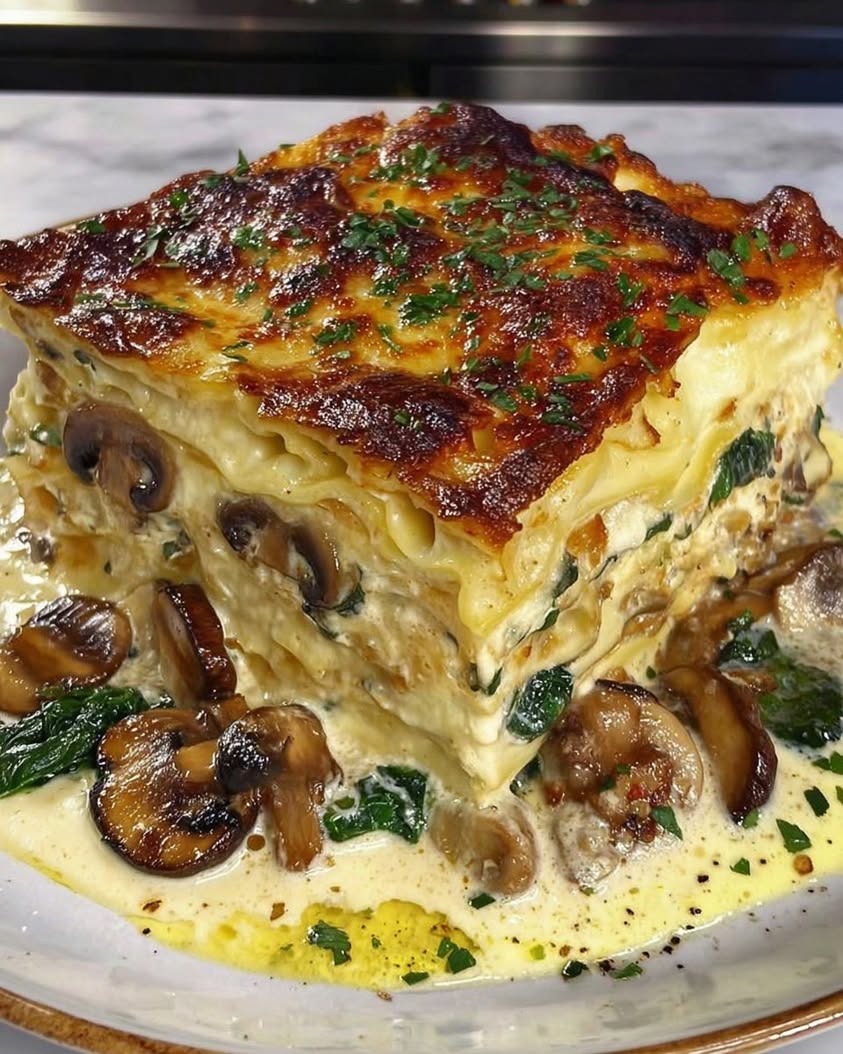
- Visual Appeal: This lasagna bakes into a beautiful, golden-brown masterpiece. The layers are clearly visible when you cut into it, with vibrant green spinach, creamy white filling, and rich red sauce. It looks as impressive as it tastes, making it perfect for serving guests.
- Skill Level Needed: This is an easy recipe that even beginner cooks can master. The steps are straightforward, and the ingredients are simple to find. You only need basic kitchen skills like sauteing, mixing, and layering. It is a wonderful confidence-building dish for new home cooks.
- Special Equipment: You will need a standard 9×13 inch baking dish for this recipe. A large skillet is necessary for sauteing the mushrooms and spinach. You might also find a colander useful for draining the cottage cheese, though this step is optional.
Recipe Overview
- Difficulty Level: We rate this lasagna as easy. The preparation is simple and the cooking process is straightforward. You do not need to make a bechamel sauce or boil noodles in advance if you use no-boil noodles. The layering process is intuitive and forgiving. It is a perfect recipe for a relaxing Sunday cook.
- Category: This dish falls into the casseroles and baked pasta category. It is a complete meal that combines protein, vegetables, and carbohydrates in one dish. It works wonderfully as a main course for lunch or dinner. You can also serve it as a hearty side dish for larger gatherings.
- Cuisine: The recipe is inspired by classic Italian-American lasagna but adapted for modern health goals. Traditional lasagna often uses heavy cream and fatty meats. This version lightens the ingredients while keeping the spirit of the dish alive. It is a contemporary take on a classic comfort food that respects its roots.
- Cost: This lasagna is very budget-friendly. Mushrooms, spinach, and cottage cheese are generally inexpensive ingredients. You can often find cottage cheese on sale, and spinach is affordable year-round. The overall cost for a large batch is low, making it an excellent choice for feeding a family without breaking the bank.
- Season: This lasagna is perfect for all seasons. However, it is especially comforting in the fall and winter months. The warm, hearty ingredients are ideal for cold weather dinners. You can also enjoy it in the spring and summer by using fresh, locally grown spinach and mushrooms.
- Occasion: This dish is incredibly versatile for any occasion. It is perfect for a cozy family dinner on a weeknight. It also shines at potlucks, holiday gatherings, and casual dinner parties. The fact that it can be made ahead of time makes it a lifesaver for busy hosts.
Why You’ll Love This Recipe
The taste and texture of this Cottage Cheese Mushroom & Spinach Lasagna Bake are absolutely phenomenal. The creamy cottage cheese mixture creates a luscious, rich base that perfectly coats the noodles. The mushrooms add a savory, almost meaty bite that feels incredibly satisfying. The spinach brings a fresh element that cuts through the richness of the cheese. Each layer offers a unique taste experience, and the combination is truly harmonious. You get the classic lasagna experience with a lighter, more refreshing finish. It is a flavor profile that will make you forget about traditional ricotta completely.
Convenience is a major reason to love this recipe. The entire dish comes together in about an hour and fifteen minutes. You can do most of the prep work ahead of time, like sauteing the vegetables and mixing the cheese filling. If you use no-boil lasagna noodles, you skip the most tedious step of boiling and draining pasta. The assembly is simple and requires no special skills. This means you can have a gourmet-quality dinner on the table with minimal fuss. It is a perfect recipe for busy weeknights when you want something special without spending hours in the kitchen.
Nutritionally, this lasagna is a superstar. Cottage cheese is a fantastic source of high-quality protein and calcium. It keeps you full and satisfied while supporting muscle health. Spinach is packed with iron, vitamins A and C, and antioxidants. Mushrooms are low in calories and rich in B vitamins and selenium. By using less cheese and more vegetables, this lasagna is significantly lighter than the traditional version. You get a balanced meal that provides sustained energy without the heavy, greasy feeling of a classic lasagna. It is healthy comfort food at its absolute finest.
Socially and entertainingly, this lasagna is a winner. It looks incredibly impressive when you bring it to the table. The golden, bubbly top and visible layers make a beautiful presentation. Guests will be impressed by the thoughtful combination of flavors. It is also a great conversation starter about healthy eating and smart recipe swaps. You can easily double the recipe to feed a crowd, and it travels well for potlucks. Everyone, from picky eaters to health-conscious friends, will love it. It is a dish that brings people together over a shared love of delicious food.
Cost-effectiveness and accessibility are other major benefits. The ingredients for this lasagna are readily available at any grocery store. Cottage cheese is one of the most affordable dairy options. Mushrooms and spinach are generally inexpensive, especially when bought in bulk or on sale. You can make a large batch for a very low cost per serving. This makes it a fantastic option for meal prepping or feeding a family on a budget. You get a high-quality, nutritious meal that rivals any restaurant dish for a fraction of the price. It is a smart, delicious choice for any kitchen.
Historical Background and Cultural Significance
Lasagna is one of the oldest known pasta dishes in Italian cuisine. Its origins trace back to ancient Greece and Rome, where they made layers of pasta with various fillings. The word lasagna is believed to come from the Greek word laganon, which described a flat sheet of dough. Over centuries, the dish evolved in the region of Emilia-Romagna in Italy. It became a symbol of family, tradition, and celebration. Lasagna was traditionally a Sunday dish that brought the whole family together around the table.
In Italian-American culture, lasagna took on a whole new life. Immigrants arriving in the United States adapted the recipe using ingredients they could find locally. They often used ricotta cheese, ground beef, and a rich tomato sauce. This became the classic version we know today. It became a staple at holiday dinners, especially Christmas and Easter. It also became a popular dish for potlucks and community gatherings. The lasagna we know today is a beautiful blend of Italian tradition and American innovation.
Our Cottage Cheese Mushroom & Spinach Lasagna Bake represents a modern evolution of this classic. As people became more health-conscious, they started looking for ways to lighten traditional comfort foods. Cottage cheese emerged as a smart substitute for ricotta. It offers a similar creamy texture but with less fat and more protein. Mushrooms and spinach replaced heavier meats and added nutritional value. This version honors the spirit of the original while adapting to contemporary dietary needs. It is a testament to the flexibility and timelessness of this beloved dish.
Regional variations of lasagna are fascinating. In northern Italy, you often find lasagna with bechamel sauce and meat ragu. In southern Italy, they use ricotta and mozzarella with a tomato-based sauce. Some regions add eggs, artichokes, or different types of meat. Our version draws inspiration from these variations while creating something unique. The use of cottage cheese is a common American adaptation that has become very popular. It is a wonderful example of how recipes travel, evolve, and become new classics in their own right.
Ingredient Deep Dive
Cottage cheese is the star of this recipe, and it has a fascinating cultural history. It is one of the oldest types of cheese in existence, dating back to ancient times. It was traditionally made in homes by separating curds from whey. It became a staple in American kitchens in the 20th century as a diet food. Nutritionally, it is a powerhouse. It is rich in casein protein, which digests slowly and keeps you full. It also provides calcium for strong bones and B vitamins for energy. When choosing cottage cheese, look for a brand with a creamy texture and a mild, non-acidic taste. Storage is simple; keep it refrigerated and use it within a week of opening. For a substitution, you can use ricotta cheese for a richer texture or silken tofu for a dairy-free option. Drain the cottage cheese in a colander for about 15 minutes to remove excess liquid, which prevents the lasagna from becoming watery. This simple step ensures a perfect, creamy consistency.
Mushrooms are another key ingredient that brings depth and umami to this lasagna. They have been used in cooking for thousands of years, prized for their earthy flavor and medicinal properties. In many cultures, mushrooms symbolize longevity and good health. Nutritionally, they are low in calories and rich in selenium, potassium, and B vitamins. They are one of the few natural food sources of vitamin D. For this recipe, cremini or baby bella mushrooms work wonderfully. They have a more intense flavor than white button mushrooms. You can also use portobello mushrooms for a meatier texture. Always choose mushrooms that are firm, dry, and free from slime. Store them in a paper bag in the refrigerator to keep them fresh. Saute them in a hot pan with a little oil until they release their moisture and become golden brown. This step concentrates their flavor and improves their texture. If you want a substitution, you can use chopped zucchini or eggplant for a different vegetable profile.
Spinach is the final vegetable component, adding color and nutrition. It originates from ancient Persia and was introduced to Europe in the 12th century. It became a superfood in the 20th century due to its high iron and vitamin content. Spinach is packed with vitamins A, C, and K, as well as folate and magnesium. It is also a good source of antioxidants that fight inflammation. For this lasagna, fresh spinach is best because it wilts down perfectly and has a better texture. You can use frozen spinach, but you must thaw it completely and squeeze out all the excess water. This is a crucial step to avoid a watery lasagna. When selecting fresh spinach, look for bright green leaves that are crisp and not wilted. Store it in the refrigerator in a sealed bag with a paper towel to absorb moisture. Saute the spinach just until it wilts, then drain any excess liquid before adding it to the layers. The spinach will add a beautiful green color and a mild, slightly sweet flavor.
Lasagna noodles are the foundation of the dish. Traditional lasagna uses wide, flat sheets of pasta. For convenience, we highly recommend using no-boil lasagna noodles. They cook perfectly in the oven as the lasagna bakes, absorbing moisture from the sauce and cheese filling. This saves you the time and mess of boiling and draining pasta. If you prefer to use traditional noodles, cook them al dente according to package directions, then drain and lay them flat on a baking sheet to prevent sticking. You can also use gluten-free lasagna noodles for a dietary adaptation. The key is to ensure the noodles are fully cooked and tender when the lasagna is done. The texture of the noodles is crucial for the overall success of this recipe.
The cheese blend is what makes this lasagna so crave-worthy. We use a combination of cottage cheese, low-moisture mozzarella, and Parmesan cheese. The cottage cheese provides the creamy base. The mozzarella adds that perfect stretchy, melty texture on top. The Parmesan brings a sharp, salty bite that enhances the overall flavor. For best results, use freshly grated Parmesan cheese rather than the pre-shredded kind. Pre-shredded cheese often contains anti-caking agents that prevent it from melting smoothly. Low-moisture mozzarella is also preferred because it has less water content, which prevents the lasagna from becoming soggy. You can also add a layer of provolone or fontina for a different flavor profile. The cheese is the soul of this lasagna, so use good quality ingredients for the best results.
The tomato sauce is the final essential component. It provides the acidity and moisture that brings all the layers together. You can use your favorite store-bought marinara sauce or make your own from scratch. For a quick homemade version, saute some garlic in olive oil, add canned crushed tomatoes, and season with salt, pepper, oregano, and basil. Simmer for about 15 minutes to let the flavors meld. The sauce should be thick and flavorful, not watery. A good quality sauce will make a significant difference in the final taste of the lasagna. Look for a sauce with simple, natural ingredients and no added sugar. The sauce is the heart of the dish, linking all the components together in perfect harmony.
Common Mistakes to Avoid
- Not draining the cottage cheese. This is a critical step to prevent a watery lasagna. Drain it in a fine-mesh colander for 15-20 minutes before mixing it with the other ingredients. The excess liquid will cause the lasagna to become soupy and affect the texture.
- Using frozen spinach without thawing and squeezing it dry. Frozen spinach holds a lot of water. If you add it directly to the lasagna, it will release all that water during baking. This results in a soggy, watery mess. Always thaw it completely and squeeze out every drop of liquid before using.
- Overcooking the mushrooms. Mushrooms release water as they cook. If you do not cook them long enough, they will release that water into the lasagna. Saute them until they are golden brown and all the moisture has evaporated. This concentrates their flavor and prevents a watery dish.
- Using no-boil noodles without enough sauce. No-boil noodles absorb moisture to cook. If you do not have enough sauce, they will end up dry and crunchy. Make sure to cover the noodles completely with sauce for tender, perfectly cooked pasta.
- Skipping the resting time before slicing. This is a major mistake. After baking, the lasagna is very hot and the layers are loose. If you cut into it immediately, it will fall apart. Let it rest for at least 10-15 minutes. This allows the layers to set and makes for clean, beautiful slices.
- Using pre-shredded cheese. Pre-shredded mozzarella is coated with anti-caking agents that prevent it from melting smoothly. It will not give you that beautiful, stretchy, golden top. Always shred your own cheese from a block for the best texture and flavor.
- Not seasoning the cottage cheese mixture. Cottage cheese is quite mild on its own. If you do not season it with salt, pepper, garlic powder, and herbs, the filling will be bland. Season it generously to bring out its creamy flavor and make it taste delicious.
- Overloading the lasagna with too many layers. While you want a hearty dish, too many layers can make it difficult to cook evenly. Stick to three to four layers of noodles. This ensures that the lasagna bakes through completely without the center being undercooked.
- Baking the lasagna uncovered for the entire time. Baking it uncovered will cause the top to dry out and the edges to become hard. Cover it with foil for most of the baking time. Remove the foil only in the last 10 minutes to allow the cheese to brown and become bubbly.
- Not letting the lasagna rest after removing it from the oven. The resting period is crucial for the structural integrity of the dish. During this time, the lasagna continues to cook slightly and the layers set. Cutting into it too soon will result in a messy, runny dish.
Essential Techniques
Sauteing the mushrooms properly is a foundational technique for this recipe. You start by heating a large skillet over medium-high heat and adding a tablespoon of olive oil. When the oil is shimmering, you add the sliced mushrooms in a single layer. It is important not to overcrowd the pan, because that will cause the mushrooms to steam instead of brown. Let them cook undisturbed for about 4 to 5 minutes. They will start to release moisture and then begin to brown. Stir them and continue cooking for another 3 to 4 minutes. You want them golden brown and all the liquid evaporated. This process deeply concentrates their flavor. The visual cue for success is when the mushrooms shrink and develop a beautiful, golden-brown color. They should look caramelized and smell incredibly savory. This technique is essential for avoiding a watery lasagna and achieving the best flavor.
Draining and preparing the cottage cheese is another important skill. Cottage cheese contains a lot of whey, which is watery liquid. If you add it directly to the lasagna, the whey will seep out during baking and make the layers soggy. To avoid this, place the cottage cheese in a fine-mesh sieve set over a bowl. Let it drain for 15 to 20 minutes. You can gently press on it with a spoon to help the process. After draining, transfer the cottage cheese to a bowl and season it well. Add salt, pepper, minced garlic, and dried oregano or basil. You can also mix in an egg for extra binding and richness. This technique ensures your filling is thick, creamy, and flavorful, not watery. The texture of the drained cottage cheese should be thick and almost like a soft cheese spread.
Layering the lasagna correctly is a technique that ensures even cooking and beautiful presentation. Start by spreading a thin layer of sauce on the bottom of your baking dish. This prevents the noodles from sticking. Place a single layer of noodles on top, slightly overlapping them if needed. Spread a third of the cottage cheese mixture over the noodles. Then add a layer of the sauteed mushrooms and spinach. Sprinkle a generous amount of shredded mozzarella on top. Repeat the layers: sauce, noodles, cheese mixture, vegetables, and mozzarella. For the final layer, end with noodles, a final layer of sauce, and a generous topping of mozzarella and Parmesan. The visual cue for a perfect layering is seeing distinct, alternating colors of red, white, and green. Press down gently on each layer to remove air pockets and ensure everything is compact.
Testing for doneness is a critical culinary skill. The lasagna is done when the top is golden brown and bubbly, and the sauce is bubbling at the edges. To be completely sure, insert a knife into the center of the lasagna. It should slide through the noodles and filling with little resistance. The lasagna should feel hot throughout. The internal temperature should reach at least 165 degrees Fahrenheit if you are using a meat version. For this vegetarian version, the noodles should be tender when pierced. The visual cues are clear: the cheese on top should be melted and slightly browned, and the edges of the casserole should be bubbling vigorously. Another sign is the aroma; a fully baked lasagna fills your kitchen with a rich, savory scent that is irresistible. This technique guarantees a perfectly cooked dish every time.
Resting the lasagna after baking is the final, non-negotiable technique. Once you remove the lasagna from the oven, place it on a wire rack or a trivet. Do not cover it. Let it rest for at least 10 to 15 minutes, though 20 is even better. During this time, the lasagna continues to cook from the residual heat. More importantly, the liquids are reabsorbed by the noodles, and the layers settle and set. If you cut into it too soon, the lasagna will collapse and turn into a sloppy pile of ingredients. This is a common mistake that ruins all your hard work. The visual cue for readiness is that the lasagna has stopped steaming and feels firm to the touch. The layers will hold together beautifully when you slice it. This simple rest is the secret to beautiful, clean, and structurally sound slices.
Pro Tips for Perfect Cottage Cheese Mushroom & Spinach Lasagna Bake
Drain your cottage cheese thoroughly to ensure a thick and creamy filling. Let it sit in a fine-mesh sieve for at least 20 minutes before using it. This one step prevents a watery lasagna and ensures a superior texture.
Always saute the mushrooms in a hot pan without overcrowding. Cook them until they release their moisture and turn golden brown. This process deepens their flavor and removes excess liquid that could make your lasagna soggy.
Use low-moisture mozzarella cheese and shred it yourself. Pre-shredded cheese contains anti-caking agents that prevent it from melting properly. A freshly shredded block of low-moisture mozzarella gives you a perfectly stretchy, golden-brown top layer.
Season the cottage cheese mixture generously with salt, pepper, garlic, and herbs. Cottage cheese is very mild, so it needs a boost of flavor. Do not be shy with the seasonings. This step ensures every bite is packed with taste.
Cover your lasagna with foil for most of the baking time. This traps moisture and helps the noodles cook evenly. Remove the foil only in the last 10 to 15 minutes so the cheese can brown and become bubbly on top.
Let the lasagna rest for at least 15 minutes after baking. This is a crucial step for clean, beautiful slices. The resting period allows the layers to set and the flavors to meld together perfectly.
If you are short on time, you can use a high-quality store-bought marinara sauce. Look for one with simple ingredients and no added sugar. It is a great shortcut that still delivers excellent flavor.
Do not be afraid to add extra spinach for a bigger vegetable boost. It wilts down significantly, so you can add a lot without overwhelming the dish. Just make sure to squeeze out any excess water after sauteing it.
Variations and Adaptations
Regional variations of lasagna offer a world of inspiration. You can add a layer of sauteed zucchini or eggplant for a more Mediterranean feel. For a southwestern twist, add some black beans, corn, and a pinch of chili powder. You could also incorporate some roasted red peppers or artichoke hearts. Each region has its own twist, and you can easily adapt this recipe to create your own signature version. The base of cottage cheese, mushrooms, and spinach is incredibly versatile and welcomes many additions.
Seasonal adaptations are a wonderful way to keep this recipe fresh year-round. In the summer, use fresh tomatoes and basil from your garden. In the fall, add some roasted butternut squash or sweet potatoes for a hearty touch. In the winter, use kale or swiss chard instead of spinach. You can also add some roasted root vegetables like carrots or parsnips. The key is to use what is in season for the best flavor and nutrition. This keeps the dish interesting and connected to the time of year.
Dietary modifications are simple with this recipe. For a gluten-free version, use gluten-free lasagna noodles. Ensure your tomato sauce and other ingredients are certified gluten-free. For a dairy-free version, use a dairy-free cottage cheese alternative and vegan mozzarella shreds. There are many excellent plant-based cheese options available today. You can also use a cashew-based ricotta for the filling. For a vegan version, use tofu ricotta and skip the egg. These adaptations ensure everyone can enjoy this delicious dish.
Flavor variations are endless with this recipe. You can add a layer of caramelized onions for extra sweetness. A pinch of red pepper flakes adds a gentle heat. Fresh herbs like thyme, rosemary, or sage can elevate the flavor profile. You can also add some chopped sun-dried tomatoes for a tangy burst. For a richer flavor, add a splash of balsamic vinegar to the mushroom saute. Experimenting with different flavors is part of the fun of cooking this versatile dish.
Texture modifications are easy to make. For a chunkier filling, chop the mushrooms and spinach coarsely. For a smoother texture, puree the cottage cheese mixture in a food processor before assembling. You can also add some cooked lentils or quinoa for extra texture and protein. Adding a layer of crispy breadcrumbs on top creates a delightful crunchy crust. Playing with texture adds another dimension to the classic lasagna experience.
Presentation alternatives can make this dish even more impressive. Instead of a standard 9×13 baking dish, you can make individual lasagnas in ramekins or small baking dishes. They bake faster and look stunning on a plate. You can also assemble the lasagna in a round springform pan for a unique, cake-like presentation. For a casual meal, serve it directly from the baking dish with a large spoon. For a dinner party, carefully slice it into neat squares and plate each portion individually.
Serving and Presentation Guide
Plating techniques are key for a beautiful presentation. Use a sharp knife to cut clean, even squares. Slide a large spatula under each square and lift it carefully onto a plate. Wipe the edges of the plate with a clean cloth to remove any sauce smudges. For a rustic look, you can serve a generous scoop directly from the baking dish. The goal is to show the beautiful layers of noodles, filling, and cheese. A clean cut and a well-plated portion make the dish look professional and appetizing.
Garnishing ideas can elevate your lasagna to the next level. A sprinkle of fresh basil or parsley adds a pop of green and a fresh flavor. A light dusting of grated Parmesan or Pecorino Romano adds a salty, cheesy finish. A drizzle of high-quality extra virgin olive oil right before serving adds richness and a fruity note. You can also add a few microgreens for a touch of elegance. A simple, thoughtful garnish can make a big difference in the overall presentation.
Traditional accompaniments for lasagna are always a good idea. A simple green salad with a vinaigrette dressing is a classic pairing. Garlic bread or a crusty baguette is perfect for soaking up any extra sauce. A side of roasted vegetables or steamed broccoli adds more nutrition. You can also serve it with a light soup like minestrone. These sides complement the lasagna without overwhelming it, creating a well-rounded meal.
Modern serving suggestions can make the meal feel fresh and contemporary. Serve the lasagna with a side of pesto or a dollop of ricotta for an extra layer of flavor. Try it with a side of grilled asparagus or a fennel and orange salad. You can also serve it in a bowl with a generous spoonful of the sauce on top. For a fun twist, use it as a filling for stuffed peppers or zucchini boats. These modern ideas keep the classic dish feeling new and exciting.
Temperature considerations are important for the best dining experience. Lasagna is best served hot, right out of the oven. However, letting it rest for 15 minutes is essential for the structure. It is also delicious at room temperature, especially for leftovers. If you are serving it for a party, you can keep it warm in a low oven (200 degrees F) for up to an hour. Just cover it with foil to prevent it from drying out. Reheating leftovers in the oven or microwave brings it back to life.
Portion control tips help you serve the right amount. A standard serving is about one square of lasagna from a 9×13 dish. For a more generous serving, you can cut the dish into six larger portions. For a lighter meal, cut it into nine or ten smaller pieces. This lasagna is very filling, so smaller portions are often sufficient. The portion size you choose will depend on your appetite and the other dishes you are serving.
Wine and Beverage Pairing
Wine pairings for this lasagna are delightful. A light to medium-bodied red wine works wonderfully. A Chianti or a Sangiovese has the acidity and fruity notes to complement the tomato sauce and earthy mushrooms. A Barbera or a Dolcetto are also excellent choices. For white wine lovers, a dry Pinot Grigio or a Verdicchio is a great option. They have enough body to stand up to the cheese and vegetables. The wine should not overpower the dish but should enhance its flavors.
Non-alcoholic alternatives are plentiful for this dish. A sparkling water with a squeeze of lemon or lime is always a refreshing choice. A high-quality, alcohol-free red wine can mimic the experience of a classic pairing. A tart cherry juice or a pomegranate juice offers a similar depth of flavor. You can also try a kombucha with a fruity or herbal flavor. These options make the meal accessible to everyone, including designated drivers and those who do not drink alcohol.
Coffee and tea pairings are less common but can be interesting. A bold, dark-roast coffee can be a wonderful surprise after a rich meal. It cuts through the cheese and sauce beautifully. For tea, a robust black tea like Assam or a smoky Lapsang Souchong can work. Herbal teas like chamomile or mint are better for a lighter finish. These are non-traditional but enjoyable for those who prefer them.
Temperature considerations for beverages are simple. Red wine should be served slightly below room temperature, around 60 degrees F. White wine should be chilled, around 45 to 50 degrees F. Non-alcoholic drinks are best served ice cold. Hot beverages like coffee or tea should be served piping hot. The right temperature enhances the flavors of both the drink and the food.
Serving suggestions for beverages are straightforward. For a dinner party, offer a choice of one red and one white wine. Provide both sparkling water and still water. For a casual meal, set out pitchers of water and a selection of drinks. Let guests choose what they prefer. The most important thing is to have a beverage that everyone enjoys.
Storage and Shelf Life
Storage methods for leftover lasagna are simple. Allow the lasagna to cool completely to room temperature. You can store it in the original baking dish if you cover it tightly with aluminum foil or plastic wrap. Alternatively, transfer individual portions to airtight containers. Proper storage is key to maintaining the quality and preventing the lasagna from drying out. The cooler it is when you store it, the better it will keep.
Temperature requirements are crucial for food safety. The lasagna must be cooled and then placed in the refrigerator within two hours of cooking. The refrigerator temperature should be at or below 40 degrees F. This prevents the growth of harmful bacteria. For longer storage, the lasagna can be frozen at 0 degrees F. Proper temperature management ensures your leftovers are safe to eat.
Container recommendations for storing lasagna are important. Glass or ceramic containers with tight-fitting lids work best. They do not absorb odors or stains. For freezer storage, use freezer-safe, airtight containers. You can also wrap the lasagna tightly in several layers of plastic wrap and then in aluminum foil. This double-wrapping protects against freezer burn and preserves the best flavor and texture.
Signs of spoilage are important to recognize. If the lasagna has an off or sour smell, it is no longer safe to eat. Mold growth on the surface is a clear sign of spoilage. If the texture becomes excessively watery or slimy, discard it. Trust your senses. If anything seems off, throw it away. It is always better to be safe than sorry when dealing with leftovers.
Reheating instructions are key to enjoying leftovers. The best way to reheat lasagna is in the oven. Preheat your oven to 350 degrees F. Place the lasagna in an oven-safe dish and cover it with foil. Heat for about 15 to 20 minutes, or until it is hot throughout. You can also reheat individual slices in the microwave for about 2 to 3 minutes. The microwave is faster, but the oven yields a better texture and prevents the cheese from becoming rubbery.
Freezing guidelines are excellent for meal prep. You can freeze the entire assembled unbaked lasagna or the baked leftovers. For an unbaked lasagna, assemble it in a freezer-safe dish, wrap it tightly, and freeze it for up to three months. To bake from frozen, you do not need to thaw it. Just add about 20 to 30 minutes to the baking time. For baked leftovers, portion them out and freeze Print
Cottage Cheese Mushroom & Spinach Lasagna Bake
- Total Time: 55 minutes
- Yield: 6
Description
A creamy and hearty lasagna bake with cottage cheese, mushrooms, and spinach, perfect for a comforting weeknight dinner.
Ingredients
- 8 oz lasagna noodles, cooked al dente
- 2 tbsp olive oil
- 1 lb mushrooms, sliced
- 4 cloves garlic, minced
- 10 oz frozen spinach, thawed and drained
- 2 cups cottage cheese
- 1 large egg
- 1 tsp dried oregano
- 1/2 tsp salt
- 1/2 tsp black pepper
- 2 cups shredded mozzarella cheese
- 1/2 cup grated Parmesan cheese
- 2 cups marinara sauce (or your favorite pasta sauce)
Instructions
- Preheat oven to 375°F (190°C).
- Heat olive oil in a large skillet over medium heat. Add sliced mushrooms and cook until softened and lightly browned, about 5-7 minutes. Add minced garlic and cook for 1 minute more. Stir in drained spinach to combine; remove from heat.
- In a bowl, mix together cottage cheese, egg, oregano, salt, and pepper.
- Spread a thin layer of marinara sauce on the bottom of a 9×13-inch baking dish.
- Layer one-third of the lasagna noodles over the sauce. Spread half of the cottage cheese mixture over the noodles. Top with half of the mushroom-spinach mixture. Sprinkle with one-third of the mozzarella and Parmesan.
- Repeat layers: noodles, remaining cottage cheese, remaining mushroom-spinach mixture, and another third of the mozzarella and Parmesan.
- Top with remaining noodles, then spread the remaining marinara sauce over the noodles. Sprinkle remaining mozzarella and Parmesan on top.
- Cover with foil and bake for 20 minutes. Remove foil and bake for an additional 10-15 minutes until bubbly and golden on top.
- Let rest for 10 minutes before serving.
Notes
You can customize the seasonings to taste. Add red pepper flakes for heat or use ricotta instead of cottage cheese for a richer texture.
- Prep Time: 20 minutes
- Cook Time: 35 minutes
- Method: Main
- Cuisine: Italian-American