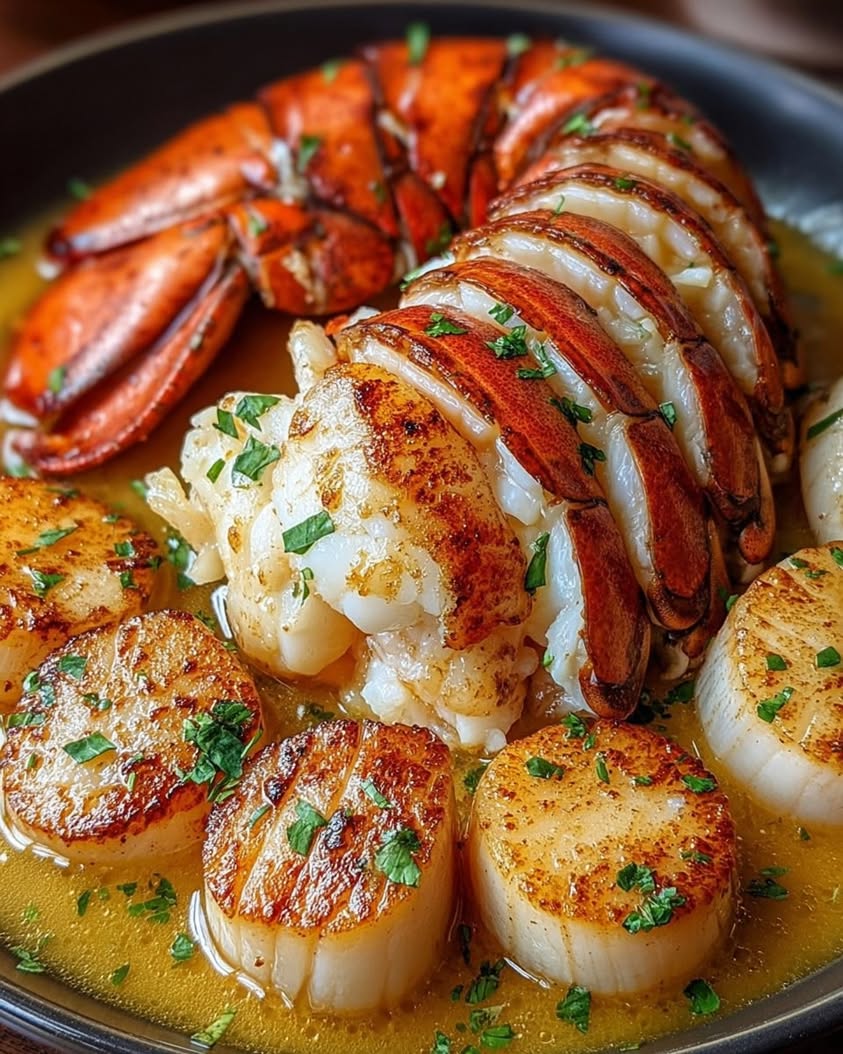
The Best Garlic Butter Lobster and Scallops Recipe for a Luxurious Dinner
Imagine the sizzle of fresh scallops hitting a hot pan, the aroma of garlic and butter filling your kitchen, and the rich, sweet taste of lobster meat that melts on your tongue. This is the magic of the best garlic butter lobster and scallops recipe for a luxurious dinner. It is a dish that transforms an ordinary evening into a special occasion. Many home cooks worry that creating a restaurant-quality seafood meal is too difficult. That assumption is simply wrong. With the right techniques and a little patience, you can absolutely master this elegant dish in your own home. The combination of tender lobster tail and perfectly seared sea scallops, all bathed in a fragrant garlic butter sauce, is a culinary experience that feels both decadent and achievable. You do not need a professional kitchen to impress your guests. You need a solid recipe and the confidence to execute it.
This guide is designed to walk you through every step. We will start with ingredient selection, move through preparation, and finish with a stunning presentation. The best garlic butter lobster and scallops recipe for a luxurious dinner focuses on simple but high-quality components. You will learn how to avoid common mistakes like overcooking the seafood. We will discuss the importance of patting scallops dry for that perfect golden crust. We will also cover the best way to prepare lobster tails so they remain juicy and tender. By the end of this post, you will feel equipped to cook this meal for a romantic date night, a holiday celebration, or simply a weekend treat. The goal is to demystify the process. You will discover that cooking elegant seafood at home is not only possible but also deeply satisfying. Let us begin this delicious journey together.
The sensory experience of this dish is what makes it truly unforgettable. Think about the visual appeal first. You have the bright white of the scallops contrasted with the vibrant red and white of the lobster. Then, there is the glistening butter sauce, flecked with fresh green parsley and minced garlic. It is a feast for the eyes. Next, consider the aroma. The scent of garlic blooming in butter is one of the most welcoming smells in any kitchen. It promises richness and depth. When you add the seafood, the aroma becomes more complex. You get the sweet brininess of the ocean mingling with the savory notes of the garlic. Finally, the texture. A perfectly cooked scallop offers a caramelized crust with a soft, buttery interior. The lobster should be firm but yielding, with a natural sweetness that pairs beautifully with the sauce. This combination creates a multi-sensory experience that elevates the dish far beyond a simple meal. It is an event.
Quick Recipe Highlights
- Flavor Profile: The dominant notes are sweet and savory. The natural sweetness of the lobster and scallops is enhanced by the rich, nutty flavor of browned butter. The garlic adds a pungent kick that mellows during cooking. A squeeze of lemon juice at the end brightens everything, cutting through the richness for a balanced finish.
- Texture: This recipe is a study in beautiful textures. The scallops have a golden, crisp exterior that gives way to a tender, almost creamy center. The lobster is firm and succulent, providing a satisfying bite. The butter sauce is silky and coats every morsel, adding a luxurious mouthfeel.
- Aroma: The primary aromatic notes are garlic and butter. As the garlic sautes, it releases a warm, pungent fragrance. The butter takes on a nutty, toasted quality as it browns slightly. The seafood adds a clean, oceanic scent that signals freshness. A hint of lemon zest or white wine can add a citrusy, acidic aromatic layer.
- Visual Appeal: The dish is striking in its simplicity. Intensely white scallops with a mahogany crust sit alongside lobster tails that have been brushed with paprika for a deep red hue. The sauce pools around them, dotted with green parsley. A garnish of lemon wedges and fresh herbs completes the look.
- Skill Level Needed: This recipe is considered intermediate. While the ingredient list is short, the techniques require attention to detail. You need to manage high heat for searing scallops without burning the butter. You also need to judge the doneness of the lobster accurately. Practice will make perfect.
- Special Equipment: You will need a large, heavy-bottomed skillet, preferably cast iron or stainless steel. This ensures even heat distribution for a proper sear. Kitchen shears are essential for cutting open lobster tails. A reliable instant-read thermometer can help you check for doneness, though visual cues often suffice.
Recipe Overview
- Difficulty Level: The intermediate rating is accurate because of the precise timing involved. Seafood is easy to overcook, leading to toughness. Mastering the heat control for the scallops takes a few tries. The lobster preparation requires careful handling. However, the steps themselves are not complicated. A beginner can succeed if they read the instructions thoroughly and pay close attention while cooking. You will gain confidence with each attempt.
- Category: This dish falls into the main course category. It is substantial enough to serve as the centerpiece of a dinner. It does not require a heavy side dish. A simple salad, some roasted vegetables, or pasta are perfect accompaniments. It could also be served as an extravagant appetizer if portioned into smaller servings, but it truly shines as a main event.
- Cuisine: This recipe is rooted in American and French culinary traditions. The use of garlic butter is a classic technique in both cuisines. The method of searing scallops is a hallmark of French bistro cooking. The lobster preparation often appears in New England-style seafood feasts. The dish represents a fusion of these influences, creating a modern, elegant result that feels both classic and fresh.
- Cost: This is a high-cost meal. Lobster tails and sea scallops are premium ingredients. The price can vary significantly depending on your location and the season. Expect to pay a premium for fresh, sustainably sourced seafood. The other ingredients, such as butter, garlic, and lemon, are very affordable. You are paying for quality, which makes this a perfect meal for special celebrations.
- Season: This dish is most popular during the winter holiday season and for summer celebrations. It is a fantastic choice for Christmas Eve, New Year’s Eve, or Valentine’s Day. However, it works for any time you want to feel luxurious. The rich, comforting flavors are ideal for colder months. The bright citrus notes make it work beautifully in spring and summer as well.
- Occasion: This is the ultimate special occasion meal. It is perfect for anniversaries, birthdays, and romantic dinners. It also makes a stunning main course for a dinner party. The presentation is impressive enough to wow your guests. It communicates effort and care without requiring you to spend all day in the kitchen. It is a statement dish that builds memories.
Why You’ll Love This Recipe
First, the taste and texture are simply divine. You get a perfect contrast between the caramelized crust of the scallops and their tender interior. The lobster provides a sweet, briny counterpoint that is both delicate and distinct. Every bite is a symphony of flavors. The garlic butter sauce ties everything together. It is rich without being heavy because the lemon and wine add acidity. This is not a dish you will forget easily. It creates a lasting impression on your palate. The combination of textures keeps each mouthful interesting. You never get bored. You simply savor.
Second, the convenience and preparation benefits are significant. Despite its elegance, this recipe comes together quickly. The total cook time is under thirty minutes. A lot of the preparation can be done in advance. You can clean the scallops and split the lobster tails ahead of time. That means you can relax and enjoy your guests instead of being stuck in the kitchen. The recipe also requires a remarkably short ingredient list. You do not need a pantry full of exotic spices. Simple, fresh ingredients do the heavy lifting. This makes the whole process feel effortless and approachable. You can focus on the technique without getting overwhelmed by prep work. It is efficient luxury.
Third, there are nutritional advantages to consider. Seafood is naturally lean and packed with high-quality protein. Both lobster and scallops are excellent sources of vitamin B12, which supports nerve health. They also provide omega-3 fatty acids, which are essential for heart and brain function. This dish is not deep-fried or loaded with heavy cream. The fat comes from butter, which you can control. You can even use a lighter option without sacrificing too much flavor. It feels indulgent, but it is a relatively healthy way to treat yourself. You get to enjoy a luxurious meal while nourishing your body. That is a powerful combination for a satisfying dinner.
Fourth, the social and entertaining value is immense. This dish is a guaranteed crowd-pleaser. It has a visual impact that impresses before anyone takes a bite. Your guests will feel special because you made the effort to cook these premium ingredients. It sets a tone of celebration and generosity. Serving a beautifully plated seafood entree shows confidence and culinary skill. It becomes a talking point at the table. People love to discuss the flavors and techniques used. It makes the meal feel like an event rather than just dinner. You will get compliments, which always feels good. It is a wonderful way to bring people together and create shared enjoyment.
Fifth, the cost-effectiveness and accessibility of this recipe deserve praise. While the seafood itself is an investment, consider what you would pay for a similar dish in a restaurant. The markup would be substantial. By cooking at home, you can achieve the same quality for a fraction of the price. Furthermore, frozen lobster tails and scallops are widely available and often more affordable. They work very well when thawed properly. You do not need access to a specialty fish market. Most grocery stores carry these ingredients. This means the barrier to entry is lower than you might think. You can elevate a weekday meal or plan a special dinner without breaking your budget entirely. It is luxury within reach.
Historical Background and Cultural Significance
The origin story of this dish is a tale of two coasts. The technique of searing scallops in butter has French roots, specifically in the Normandy region known for its seafood and dairy. French chefs perfected the method of getting a high-heat sear while keeping the interior moist. Lobster, on the other hand, has a strong tradition in North America, particularly in New England and Atlantic Canada. The combination of lobster with garlic butter likely evolved from classic preparations of langoustines and shrimp in French cuisine. As European settlers encountered North American lobsters, they adapted their techniques. The fusion became a staple of upscale dining in the United States during the mid-20th century. It represents the blending of Old World technique with New World ingredients. This heritage is a testament to the adaptability of classic cooking methods. They travel across oceans and find new expressions. The dish we enjoy today is the product of centuries of culinary exchange. It is a global creation in the best sense.
The cultural importance of this dish cannot be overstated. In the United States, it has become synonymous with celebration and indulgence. Think of the classic surf and turf pairing. This version elevates that concept by focusing on seafood alone. It is the star of the show. For many families, serving lobster and scallops marks a milestone, a holiday, or a reunion. It represents abundance and generosity. The dish also carries a certain romantic weight. It is a go-to choice for Valentine’s Day dinners and anniversary celebrations. Its association with fine dining gives it an aura of sophistication. When you cook it at home, you are participating in a tradition of hospitality. You are saying that the people around your table matter. You are willing to invest time and money to create a memorable experience. That is a powerful cultural act. It goes beyond eating and becomes a ritual of connection.
The evolution of this recipe reflects broader changes in American food culture. In the past, preparing whole lobster was a daunting task. home cooks rarely attempted it. The recipe evolved with the availability of frozen lobster tails. This made the ingredient more accessible to the average person. Similarly, the technique for scallops became more refined. Cookbooks and cooking shows demystified the process of getting a good sear. The internet accelerated this trend. Now, home cooks can access professional advice instantly. The recipe has been simplified and adapted for the home kitchen. Many versions now include a quick pan sauce rather than a complex reduction. The focus shifted from fussy presentation to pure flavor and technique. This evolution democratized the dish. It is no longer reserved for the wealthy or for restaurant chefs. It is a skill that anyone can learn. The modern version is cleaner, faster, and just as delicious as its ancestors.
Regional variations of this dish are fascinating. In New England, you might find a simpler preparation. Cooks often focus on the freshness of the seafood and use less butter. White wine and lemon are the primary flavor enhancers. In the South, you might see a spicier version with cayenne pepper or Cajun seasoning added to the butter. This reflects the regional preference for bold, peppery flavors. On the West Coast, chefs often incorporate local ingredients like Dungeness crab or Meyer lemons. They might also use compound butters with fresh herbs like tarragon or chives. In France, the dish might be served with a beurre blanc sauce rather than a simple garlic butter. Each region adapts the core concept to its local palate and available ingredients. This diversity is a strength. It shows that the recipe is both flexible and resilient. You can make it your own while honoring its core principles. That adaptability is what keeps a classic recipe alive through generations.
Ingredient Deep Dive
Lobster tails are the centerpiece of this dish. Culturally, lobster was once considered peasant food in colonial America. It was so plentiful that it was used as fertilizer. Its status changed dramatically with the advent of railways and canning. The transportation of live lobster inland turned it into a luxury item. Today, it symbolizes celebration and fine dining. Nutritionally, lobster is a powerhouse of protein. It is low in fat and high in zinc and selenium. These minerals support immune function and thyroid health. When selecting lobster tails, look for ones that are heavy for their size. The shell should be hard and free of black spots or a strong ammonia smell. Frozen tails are an excellent choice. Thaw them overnight in the refrigerator. You can substitute with langoustines or jumbo shrimp in a pinch, but the flavor profile will change significantly.
Sea scallops are the partner in this dish. They have a deep history in Atlantic fishing communities. The town of New Bedford, Massachusetts, is famous for its scallop fleet. Scallops are unique bivalves that can swim by clapping their shells together. Nutritionally, they provide high-quality protein and are rich in vitamin B12. They also contain magnesium, which is important for muscle function. Selection is critical for scallops. Always look for dry scallops that have not been treated with sodium tripolyphosphate. Wet scallops hold water and will steam rather than sear, ruining the crust. Fresh scallops should smell sweet and like the ocean, not fishy. Store them in the coldest part of your refrigerator. It is best to cook them within a day of purchase. You can substitute bay scallops for a different texture, but they are smaller and cook much faster. They will not provide the same impressive sear. Ignoring the dry scallop rule is one of the most common mistakes home cooks make. Do not fall into that trap.
Butter is the soul of the sauce. It is a staple of French cuisine and a universal symbol of richness. The process of browning butter, or making beurre noisette, unlocks nutty, caramel flavors. These flavors complement seafood beautifully. Nutritionally, butter provides vitamin A and healthy saturated fats. When selecting butter, choose unsalted so you can control the salt level. High-fat, European-style butters have less water content, which helps them brown more evenly. Storage is simple: keep it wrapped in the refrigerator. You can also freeze it for months. You can substitute with clarified butter for a higher smoke point, or use a high-quality olive oil for a dairy-free option. However, the flavor will be fundamentally different. Butter is not just a fat here; it is a primary flavor vehicle. It carries the garlic and herbs. It creates the sauce that coats the seafood. Do not skimp on quality.
Garlic is the aromatic backbone of this dish. It has been used for thousands of years in various cuisines. It was prized by the ancient Egyptians, Greeks, and Romans for both its flavor and medicinal properties. Nutritionally, garlic is renowned for its allicin content, a compound associated with boosting the immune system. It also has anti-inflammatory properties. For this recipe, fresh garlic is non-negotiable. Pre-minced garlic in a jar has a flat taste and can burn more easily. Look for firm, plump cloves without any green sprouts. Store garlic in a cool, dark, dry place. Do not refrigerate it, as that can cause it to sprout. You can substitute with shallots for a milder, sweeter flavor. You could also use roasted garlic for a sweeter, less pungent taste. However, fresh garlic provides the sharp kick that cuts through the richness of the butter and seafood. It is a key element.
Lemon is the crucial acid that balances the dish. It brightens the heavy butter and enhances the sweet flavor of the seafood. Lemons are a global ingredient, originating in Asia but now grown worldwide. They are an excellent source of vitamin C. When selecting lemons, look for ones that feel heavy for their size. They should have smooth, bright yellow skin. Store them in the refrigerator to keep them fresh longer. You can substitute with white wine vinegar or a splash of dry white wine. But fresh lemon juice is best for its clean, bright acidity. You will use both the juice and the zest. The zest contains essential oils that add a fragrant, floral note. Be careful not to burn the garlic when adding it to the butter. A little lemon at the end of cooking prevents the dish from feeling greasy. It is the secret to a balanced, satisfying flavor profile.
Common Mistakes to Avoid
- Overcooking the scallops: This is the most frequent error. Scallops cook very quickly, usually just 90 seconds per side. Overcooked scallops become rubbery and tough. They lose their sweet flavor. You should remove them from the pan just as they become opaque. A little carry-over cooking will finish the job. Use a timer and pay attention.
- Using wet scallops: Many home cooks buy wet scallops without knowing the difference. Wet scallops have been treated with a preservative that makes them retain water. This water leaches out during cooking, creating steam. You can never get a good sear. The scallops will boil instead of brown. Always purchase dry scallops from a reputable source.
- Failing to pat the seafood dry: Moisture is the enemy of a good sear. Whether you are cooking scallops or lobster, they must be very dry. Use paper towels to pat them thoroughly. This step is essential for creating that beautiful golden crust. It also prevents dangerous oil splatters from water hitting hot butter. Do not skip it.
- Crowding the pan: If you put too many scallops or lobster pieces in the pan at once, the temperature drops. The food will steam instead of sear. You will lose the crust. Cook in batches if necessary. It takes a little more time but gives you a much better result. The pan needs room for the heat to circulate.
- Burning the garlic: Garlic burns very easily. It turns bitter and acrid when overdone. The recipe often calls for adding garlic near the end of cooking. You should cook it just until fragrant, about 30 seconds. If you add it too early with the butter, it will burn before the seafood is done. Be mindful of your timing.
- Not resting the scallops: After you sear them, let the scallops rest for a minute on a warm plate. This allows the juices to redistribute evenly throughout the meat. If you cut them immediately, the juices run out onto the plate. Your scallops will be dry. A quick rest makes a significant difference in texture.
- Overcooking the lobster: Lobster meat becomes tough and chewy when overdone. The internal temperature should reach 140 degrees Fahrenheit. The meat will turn from translucent to opaque white. It should pull away from the shell slightly. You can also watch for the meat to firm up. Err on the side of undercooking slightly.
- Using cold butter directly: Some recipes call for adding cold butter to a pan to create a sauce. This works for some preparations but not for this searing method. You need the butter to be melted and hot to cook the garlic. Add the butter and let it melt over medium heat before adding the garlic. This ensures even cooking.
- Skipping the acid: The dish can taste flat and greasy without the lemon juice. The acid brightens all the flavors. It cuts through the richness of the butter. It also highlights the natural sweetness of the seafood. Do not forget the lemon wedge at the end. It is a critical finishing touch.
- Not seasoning enough: Seafood benefits greatly from salt and pepper. A generous pinch of flaky sea salt applied right before searing is ideal. It draws out a little moisture but enhances the crust. Season the lobster as well. Do not be shy. The seafood and butter can handle it.
Essential Techniques
Searing scallops: This technique is all about intense heat and a dry surface. The goal is the Maillard reaction, which creates that deep, caramelized crust. To master it, heat a heavy skillet over high heat until it is very hot. Add a high-smoke-point oil like avocado or canola first. Swirl to coat. Then, add your dry scallops one by one, leaving space between them. Press them down gently with a spatula to ensure contact with the pan. Let them cook without moving them for 90 seconds. The common pitfall is moving or flipping too early. You need to wait until the crust releases naturally from the pan. If it sticks, it is not ready. The visual cue for success is a deep golden brown color on the bottom. Flip them carefully and cook for another 60 to 90 seconds. The center should remain slightly translucent. This technique is non-negotiable for restaurant-quality scallops.
Preparing lobster tails: This technique ensures even cooking and beautiful presentation. Start by using sturdy kitchen shears to cut down the center of the hard top shell. Cut from the wide end down to the tail fins, but stop before cutting through the bottom. Then, carefully pry the shell open slightly. Slide your thumb under the meat to loosen it from the bottom shell. Lift the meat so it rests on top of the shell. This is called butterflying. It allows the heat to reach the meat directly. The common mistake is cutting too deep and slicing the meat. Another pitfall is not loosening the meat enough, so it cooks unevenly. For success, season the exposed meat with salt, pepper, and a little paprika for color. This method provides a beautiful presentation and ensures the meat cooks quickly and evenly. It controls the cooking process precisely.
Making garlic butter sauce: A great sauce requires mastery of heat and proportion. Start by melting butter in the same pan you used for the scallops. The residual brown bits from searing add intense flavor, called fond. Add minced garlic to the melted butter over medium-low heat. Cook for about 30 seconds until fragrant. Then, deglaze the pan with a splash of white wine or lemon juice. Stir to scrape up the fond. The common pitfall is using high heat, which burns the garlic. Another is adding too much liquid, which thins the sauce. The goal is a cohesive emulsion. Add a little pasta water or stock if needed to bind it. The visual cue is a smooth, slightly thickened sauce that coats the back of a spoon. Finish by swirling in a tablespoon of cold butter off the heat. This enriches the sauce and gives it a glossy sheen.
Pro Tips for Perfect Garlic Butter Lobster and Scallops
First, always use a heavy pan. A cast-iron skillet is ideal because it retains heat exceptionally well. A thin pan will cool down too quickly when you add the seafood. This prevents a good sear. Preheating the pan over medium-high heat for several minutes is also crucial. You want it hot before the fat goes in. Patience with the pan makes a huge difference in the final result. You will see it in the color of the crust.
Second, invest in a good fish spatula. This tool is thin, slotted, and angled. It is perfect for flipping delicate scallops without breaking them. A standard spatula can be too thick and clumsy. It might tear the scallop or push it out of shape. A fish spatula slides perfectly under the crust. It gives you control and confidence. It is a small investment that changes your cooking game.
Third, season the seafood right before it hits the pan. If you season it too early, the salt will draw out moisture. This creates a wet surface that prevents browning. Wait until the pan is hot and ready. Then, pat the scallops dry one last time and sprinkle them with salt and pepper. Get them into the oil immediately. This timing ensures maximum crust development.
Fourth, use a combination of butter and oil for searing. Butter adds flavor, but it burns easily at high temperatures. Start with a neutral oil for the sear. Add a knob of butter to the pan after you flip the scallops. Basting them with this melting butter adds flavor without the risk of burning. This two-step process gives you the best of both worlds.
Fifth, taste and adjust the sauce before serving. After you have combined the garlic, wine, and lemon, taste it. Does it need more salt? A pinch more lemon? A touch of black pepper? The balance is key. You can also add fresh herbs like parsley or tarragon at this stage. They add color and a fresh note. A carefully seasoned sauce is what separates good from great.
Sixth, keep the cooked seafood warm while you finish the sauce. Place the scallops and lobster on a clean plate. Loosely tent it with aluminum foil. This prevents them from getting cold without continuing to cook them. You want them to be warm when you plate them. You can also place them on a wire rack over a baking sheet in a low oven, but be very careful not to overcook them.
Seventh, do not wash the pan between searing the scallops and making the sauce. The browned bits stuck to the bottom are packed with flavor. This is the fond. Deglazing the pan with wine or lemon juice lifts these bits into the sauce. This step builds a deep, complex flavor that you cannot get otherwise. It is a fundamental technique of good cooking.
Eighth, consider the resting time for the whole dish. After you pour the sauce over the seafood, let it sit for just one minute. This allows the flavors to meld together. The sauce gets a chance to cling to the scallops and lobster. It also brings the temperature down slightly to a perfect serving temperature. A brief rest creates a more harmonious bite.
Variations and Adaptations
Regional variations offer exciting possibilities. In the American South, you could add a pinch of cayenne pepper or smoked paprika to the butter. This adds a gentle heat that contrasts with the sweet seafood. In the Pacific Northwest, substitute the lemon with a dry white wine like Pinot Grigio. Add fresh dill or tarragon for a more herbal profile. A New England version might use a little hard cider instead of wine. This adds a fruity tang that pairs beautifully with the lobster. Each region brings its own local ingredients to the table. You can take inspiration from these traditions to create your own signature dish.
Seasonal adaptations keep the recipe fresh year-round. In spring, use ramps or wild garlic instead of regular garlic for a milder taste. Add peas and asparagus as a side dish. In summer, incorporate fresh corn kernels and cherry tomatoes into the pan sauce. They add sweetness and acidity. In fall, use brown butter and add a touch of sage. This creates a warm, earthy flavor profile. In winter, rely on preserved lemons or a touch of saffron for a bright, sunny note. Adapting the ingredients to what is in season improves both flavor and sustainability.
Dietary modifications are easy to make. For a dairy-free version, substitute the butter with high-quality olive oil or a plant-based butter. Coconut oil can work but adds a distinct flavor. For a gluten-free version, ensure your wine or stock is gluten-free. Serve the dish with roasted potatoes or a simple salad instead of pasta. For a low-carb or keto diet, this recipe is naturally very friendly. The butter and seafood are perfect. Serve it over zucchini noodles or a bed of arugula. The flexibility of the base recipe makes it suitable for many dietary needs.
Flavor variations are limited only by your imagination. Add a teaspoon of tomato paste to the butter for a subtle umami boost. Use miso paste instead of salt for a fermented depth. Add a splash of heavy cream to the sauce for a richer, more decadent result. Incorporate fresh chili flakes for heat. Try using different herbs like thyme, basil, or chives. You can even use a different citrus, like grapefruit or lime. Each small change creates a new flavor profile. Keep notes on what you like.
Texture modifications change the experience entirely. If you want a crispier scallop, dust them lightly with rice flour or cornstarch before searing. This creates an extra-crunchy crust. If you prefer a softer lobster, steam the tails briefly before searing them in the butter. This ensures they stay extremely tender. For a smoother sauce, strain it through a fine-mesh sieve to remove the garlic pieces. This creates a silky, elegant finish.
Presentation alternatives can elevate your plating. Instead of serving the seafood whole, slice the scallops and lobster into medallions. Fan them out on a plate for a modern look. Serve the sauce in a small pitcher for guests to pour themselves. Use a slate board or a large white plate for a dramatic effect. Garnish with microgreens or edible flowers. A simple dusting of smoked paprika or lemon zest can add a pop of color. The possibilities are endless.
Serving and Presentation Guide
Plating techniques for this dish should highlight the beauty of the seafood. Start with a warm plate to keep the food at the correct temperature. Spoon a small pool of the garlic butter sauce onto the center of the plate. Place the lobster tail prominently in the middle, with the meat facing up. Arrange the scallops around it in a neat crescent or circular pattern. Drizzle a little more sauce over the top of the scallops. This technique creates a cohesive visual that feels deliberate and artistic. The sauce acts as a mirror, reflecting the colors of the seafood.
Garnishing ideas can turn a good plate into a great one. Fresh parsley is the classic choice. It adds a bright green pop and a fresh flavor. A few chive blossoms or micro-herbs can add a touch of elegance. Thinly sliced lemon wheels or a twist of lemon zest add a burst of color and acidity. A sprinkle of flaky sea salt, like Maldon, just before serving provides a satisfying crunch and a burst of salinity. It also catches the light beautifully.
Traditional accompaniments are a matter of personal preference. A simple bed of risotto, especially a lemon or saffron risotto, soaks up the sauce perfectly. Creamy mashed potatoes or polenta are also excellent choices. They provide a neutral, creamy base that contrasts with the seafood. A side of steamed asparagus or green beans adds color and a fresh crunch. Crusty bread is essential for sopping up every last drop of the garlic butter sauce. It ensures no flavor is left behind.
Modern serving suggestions might involve deconstruction. Serve the scallops on individual skewers for an appetizer. Use the lobster meat in a lobster roll alongside the scallops for a surf and turf twist. Serve the dish over a bed of fresh arugula or watercress for a lighter feel. The greens will wilt slightly from the warm sauce, creating a warm salad. This is a beautiful option for a spring or summer dinner. It feels fresh and current.
Temperature considerations are critical for this dish. The seafood should be served immediately after cooking. It loses its texture and juiciness quickly as it cools. The sauce should be hot when poured over the seafood. Make sure your plates are warm. Cold plates will instantly cool down your carefully cooked meal. You can warm plates in a low oven or with hot water. This small step makes a huge difference in the dining experience.
Portion control tips help you manage your ingredients. For a main course, plan for one lobster tail and four to five large sea scallops per person. This provides a substantial serving without being excessive. For an appetizer, reduce to half a tail and two scallops. Presentation can help make a small portion look generous. Use a smaller plate and garnish generously. This ensures that every guest feels satisfied and well-served.
Wine and Beverage Pairing
Wine pairings for this dish should complement the richness of the butter and the sweetness of the seafood. A classic choice is a Chardonnay, specifically one that is lightly oaked. The buttery notes of the wine mirror the sauce. The acidity cuts through the richness. A White Burgundy or a Sonoma Chardonnay works beautifully. Alternatively, a crisp Sauvignon Blanc from New Zealand offers high acidity and herbaceous notes. It provides a refreshing contrast. For a sparkling option, a dry Champagne or a Cava is outstanding. The bubbles cleanse the palate between bites. It adds a celebratory feel to the meal. The acidity and effervescence handle the butter well.
Non-alcoholic alternatives can be just as satisfying. A sparkling water with a twist of lemon or lime is a clean, refreshing choice. It cleanses Print
Garlic Butter Lobster & Scallops
- Total Time: 30 minutes
- Yield: 4
Description
A decadent seafood dish featuring tender lobster tails and seared scallops in a rich garlic butter sauce, finished with a squeeze of lemon and fresh parsley.
Ingredients
- 2 lobster tails (about 6 ounces each)
- 1 pound sea scallops
- 4 tablespoons unsalted butter
- 4 cloves garlic, minced
- 1 tablespoon olive oil
- 1/2 cup dry white wine (or chicken broth)
- 1 tablespoon lemon juice
- 2 tablespoons fresh parsley, chopped
- Salt and black pepper to taste
Instructions
- Prepare the lobster tails: Using kitchen shears, cut along the top of each lobster tail, then open the shell slightly. Remove the vein if present. Pat dry with paper towels.
- Season scallops: Pat scallops dry with paper towels, then season both sides with salt and pepper.
- Cook lobster: In a large skillet over medium-high heat, add olive oil and 2 tablespoons butter. Place lobster tails flesh-side down and cook for 3-4 minutes until golden. Flip and cook another 2 minutes. Transfer to a plate (they will finish cooking later).
- Sear scallops: In the same skillet, add remaining butter. Place scallops in a single layer and cook for 2 minutes on each side until golden and cooked through. Transfer to the plate with lobster.
- Make garlic butter: Reduce heat to medium. Add minced garlic and cook for 30 seconds until fragrant. Pour in wine and lemon juice, scraping up any browned bits from the pan. Let simmer for 1 minute.
- Combine and serve: Return lobster and scallops to the skillet, spooning the garlic butter sauce over them. Cook for 1-2 minutes until heated through. Garnish with fresh parsley and serve immediately.
Notes
You can customize the seasonings to taste. For a spicier kick, add a pinch of red pepper flakes with the garlic. Serve with crusty bread or over pasta to soak up the garlic butter sauce.
- Prep Time: 15 minutes
- Cook Time: 15 minutes
- Method: Main
- Cuisine: American