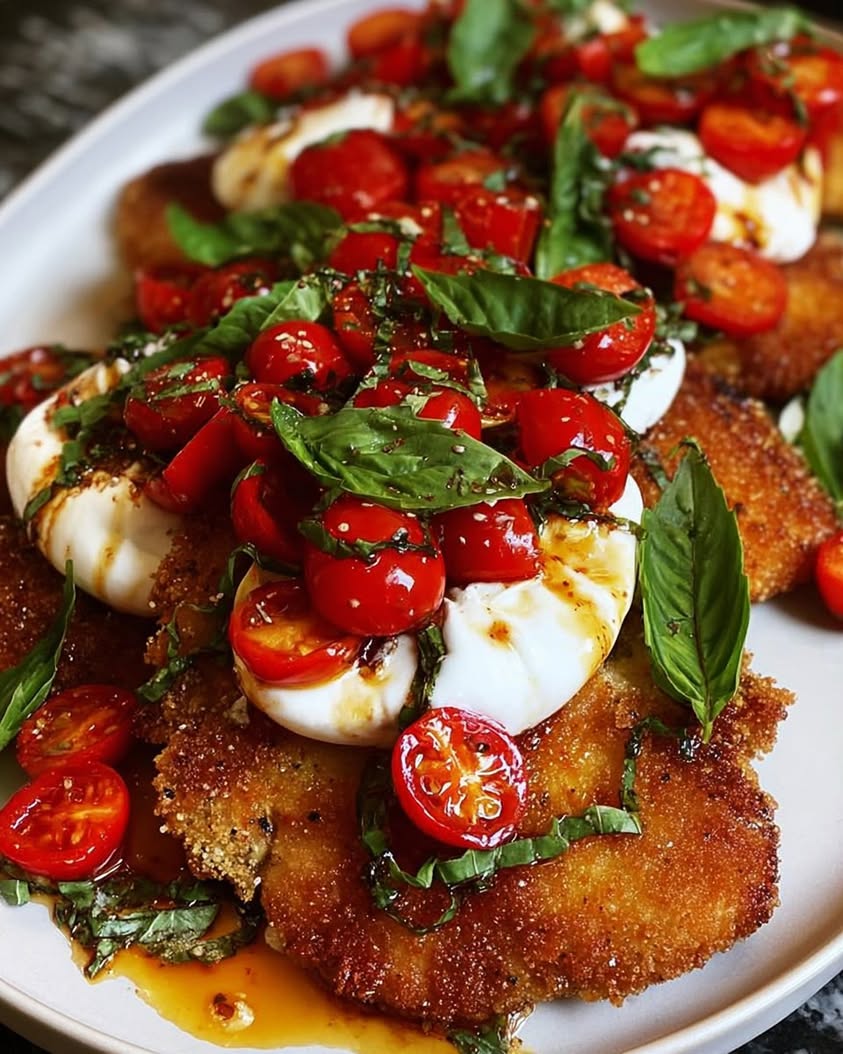
The Ultimate Italian Basil Chicken Cutlets with Tomato and Burrata Topping
Imagine the sizzle of perfectly breaded chicken cutlets hitting a hot skillet. The aroma of fresh basil and garlic immediately fills your kitchen. This is the magic of the Italian Basil Chicken Cutlets with Tomato and Burrata Topping. Each bite delivers a symphony of textures. The crunchy exterior gives way to tender, juicy chicken. Then, the creamy burrata mingles with ripe, bursting tomatoes. It is a dish that feels both rustic and elegant. You can serve it for a busy weeknight dinner. It also impresses guests at a weekend celebration. The recipe captures the heart of Italian home cooking. It celebrates simple, high-quality ingredients. The flavors are bold yet balanced. The preparation is straightforward. Anyone can master this dish with a little practice.
This Italian Basil Chicken Cutlets with Tomato and Burrata Topping recipe elevates classic comfort food. We start with chicken breasts. We pound them thin for even cooking. Then, we season them with salt, pepper, and garlic powder. A light breading provides that essential golden crust. Fresh basil infuses every layer with its sweet, peppery essence. The tomato topping adds brightness and acidity. It cuts through the richness of the chicken and cheese. Burrata, with its creamy center, adds a luxurious finish. Each component works together in perfect harmony. The dish comes together in under 40 minutes. That makes it perfect for a quick yet impressive meal. You will love how the flavors develop and deepen. It is a true crowd-pleaser.
When you make this Italian Basil Chicken Cutlets with Tomato and Burrata Topping, you bring restaurant quality to your table. The preparation is simple. The ingredients are accessible. The result is a dish that feels special. You get a high return on your effort. The vibrant colors of the tomatoes and basil contrast beautifully with the white burrata. The golden chicken adds warmth. This dish does not require complicated techniques. But it uses foundational cooking skills. You will learn how to pound chicken evenly. You will master the art of a perfect breading. You will understand how to pan-fry for maximum crispiness. These skills transfer to many other recipes. This meal is a gateway to more confident cooking. So, get ready to enjoy a memorable dinner.
Quick Recipe Highlights
- Flavor Profile: This dish offers a wonderful balance. You taste the savory, golden chicken first. Then, the sweet acidity of ripe tomatoes comes through. The fresh basil adds a peppery, slightly sweet note. Finally, the rich, creamy burrata rounds everything out. It is a classic Italian flavor combination.
- Texture: The star of this dish is its textural contrast. You get a satisfying crunch from the breaded chicken cutlet. The chicken inside remains tender and juicy. The tomato topping provides a soft, juicy burst. The burrata adds a luscious, creamy element that melts in your mouth. Every bite has something exciting.
- Aroma: Your kitchen will smell incredible as you cook. The scent of frying chicken and garlic fills the air. Fresh basil adds a sweet, herbaceous fragrance. The tomatoes release an earthy, sweet aroma as they warm through. It is an inviting and appetizing smell.
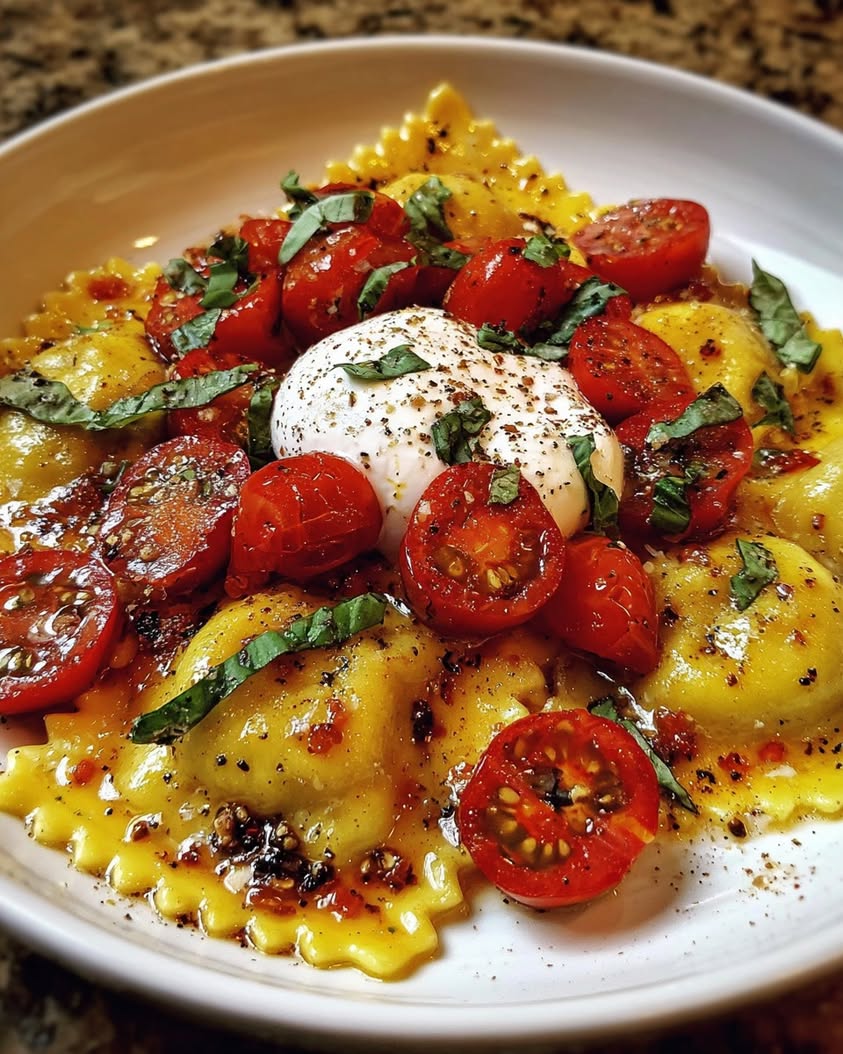
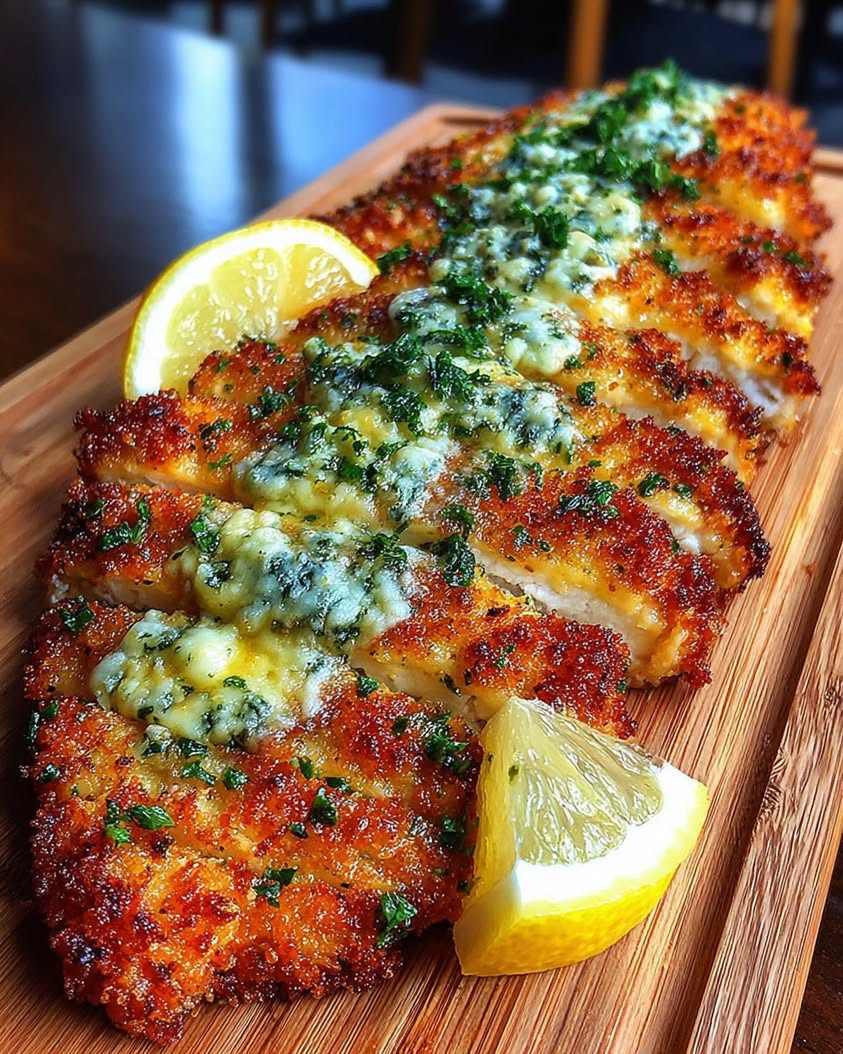
- Visual Appeal: The plate is a feast for the eyes. You see the golden-brown chicken cutlets. They are topped with a colorful mix of red tomatoes and green basil. The white, creamy burrata sits on top. A drizzle of balsamic glaze or olive oil adds a final, glossy touch. It looks like a dish from a trattoria.
- Skill Level Needed: This recipe is perfect for intermediate cooks. You need to know basic knife skills. You also need to manage pan-frying temperatures. The techniques are easy to learn. But they require some attention to detail. You do not need advanced culinary training to succeed.
- Special Equipment: You will need a few basic tools. A sharp chef’s knife is essential for chopping herbs and garlic. A meat mallet or rolling pin helps flatten the chicken. A large skillet, preferably cast iron or non-stick, is needed for frying. A digital thermometer ensures the chicken is cooked perfectly.
Recipe Overview
- Difficulty Level: I rate this recipe as medium difficulty. The steps are not overly complex. However, you need to execute several components simultaneously. Pounding chicken to an even thickness requires practice. Getting the oil temperature right for frying is crucial. You must avoid overcrowding the pan. These are skills you build with experience. But the recipe is forgiving. Even a first attempt will taste delicious.
- Category: This recipe falls into the main course category. It is a hearty, protein-focused dish. You can serve it as part of a larger Italian dinner. It pairs well with a simple salad or roasted vegetables. It also works as a standalone meal with a side of pasta or crusty bread. It is versatile and satisfying.
- Cuisine: This dish draws inspiration from Italian cuisine. Specifically, it reflects the cooking of Southern Italy. The use of fresh tomatoes, basil, and olive oil is classic. Burrata cheese originates from the Apulia region. The technique of breading and frying cutlets is a staple in Italian homes. This recipe honors those traditions with a modern, accessible approach.
- Cost: This recipe is very cost-effective. Chicken breast is a reasonably priced protein. You can often find it on sale. Fresh tomatoes and basil are inexpensive, especially in summer. Burrata is a specialty cheese and costs a bit more. But you only need a small amount for the topping. Overall, this meal costs less than a restaurant dinner. It is an excellent value for the quality you get.
- Season: This dish shines in the summer. That is when tomatoes and basil are at their peak. However, you can enjoy it year-round. Use high-quality canned San Marzano tomatoes in the off-season. They provide excellent flavor. The dish is light enough for warm weather. It is also hearty enough for a cozy winter meal. It adapts well to any season.
- Occasion: This recipe is perfect for many occasions. It works for a quick weeknight dinner. It also impresses at a casual dinner party. You can serve it for a romantic meal. It is great for a family gathering. The presentation is beautiful enough for a holiday. It is a reliable recipe for any time you want to cook something special.
Why You’ll Love This Recipe
The taste of this Italian Basil Chicken Cutlets with Tomato and Burrata Topping is simply unforgettable. You get the savory crunch of the chicken cutlet. Then, the juicy, sweet tomato topping provides a burst of freshness. The creamy burrata adds a rich, decadent element that ties everything together. Every bite offers a new sensation. The flavors are bold but balanced. The saltiness from the breading complements the acidity of the tomatoes. The sweetness of the basil rounds out the profile. It is a complete taste experience that satisfies deeply.
Convenience is a major reason to love this recipe. The total time from start to finish is only 35 minutes. The preparation is straightforward. You can chop the tomatoes and basil while the chicken rests. The active cooking time is short. You do not need to marinate the chicken for hours. You can make it on a busy weeknight. The cleanup is also manageable. You only use a few dishes. This recipe proves that you do not need hours to create a gourmet meal. It is efficient and rewarding.
This dish offers several nutritional advantages. Chicken breast is a lean source of protein. It is low in fat and high in essential nutrients. Fresh tomatoes provide lycopene, a powerful antioxidant. Basil adds vitamins A and K. The olive oil used for cooking provides healthy monounsaturated fats. Burrata, while rich, is used in moderation. The portion size is controlled. You can feel good about serving this meal. It is a balanced dish that supports a healthy diet. You get great flavor without excessive calories.
Social and entertaining value makes this recipe a winner. You can easily double the recipe for a group. The presentation is stunning on a platter. Guests will think you spent hours in the kitchen. You can set up a topping bar. Let everyone add their own tomatoes and burrata. It becomes an interactive dining experience. The conversation flows easily around good food. This dish has a high wow factor. It makes you look like a skilled chef. It is perfect for building confidence when cooking for others.
Cost-effectiveness and accessibility are key benefits. You do not need expensive or hard-to-find ingredients. Chicken breast is available at any grocery store. Fresh basil is common. Burrata is now widely available in supermarkets. The total cost for a family of four is reasonable. You save money compared to dining out. You also control the quality of the ingredients. You can use organic chicken if you prefer. You can choose local tomatoes. This recipe gives you the power to create a premium meal on a budget.
Historical Background and Cultural Significance
The tradition of breading and frying chicken cutlets has deep roots in Italian cuisine. The technique likely originated from the Austrian “Wiener Schnitzel.” Italian immigrants adapted the recipe. They used chicken instead of veal. This became a staple in Italian-American homes. The “chicken cutlet” is a beloved comfort food. It represents resourcefulness and the desire to stretch expensive ingredients. The breading creates a filling, satisfying meal from a modest amount of meat. It is a story of culinary adaptation.
The use of fresh basil and tomatoes in this dish reflects the agricultural bounty of Southern Italy. The region is known for its sun-drenched fields. Basil grows abundantly there. Its sweet, aromatic leaves are essential to Italian cooking. Tomatoes, brought from the Americas, found a perfect home in the Italian climate. They became a cornerstone of the cuisine. The combination of basil and tomatoes is a classic pairing. It represents the simplicity and freshness that defines Italian food. It is a celebration of the land.
The addition of burrata cheese adds a layer of historical depth. Burrata was invented in the early 20th century in Apulia. Cheesemakers wanted to use leftover curds from mozzarella production. They created a pouch of mozzarella filled with cream and stracciatella. It was a humble invention. Now, it is considered a delicacy. Its creamy center symbolizes generosity and indulgence. Topping a simple chicken cutlet with burrata elevates the dish. It connects modern cooking to traditional artisan food.
Regional variations of this dish are countless. In Northern Italy, cooks might use butter for frying. They might top the cutlet with arugula and shaved Parmesan. In the South, olive oil is the preferred fat. They use tomatoes and fresh herbs. Some versions add a slice of prosciutto under the cheese. Others use sun-dried tomatoes for a more intense flavor. This recipe takes inspiration from the Southern style. It balances the crunchy chicken with fresh, creamy toppings. It honors the spirit of Italian cooking.
Ingredient Deep Dive
Chicken Breast: The chicken breast is a staple of lean protein. In many cultures, it symbolizes health and purity. Nutritionally, it is an excellent source of B vitamins. It supports muscle growth and repair. When selecting chicken, look for plump, pink breasts with no discoloration. The package should be cold. For the best texture, choose organic or free-range chicken. It has more flavor. To store, keep it in the coldest part of your fridge. Use it within two days of purchase. You can substitute chicken thighs for a juicier, richer taste. Just adjust cooking time accordingly.
Fresh Basil: Basil is the “king of herbs” in Italian cuisine. It is a symbol of love and good luck. In ancient Greece and Rome, basil was associated with royalty. Nutritionally, basil is packed with antioxidants. It has anti-inflammatory properties. It contains vitamins A, K, and C. Select basil with bright, vibrant leaves. Avoid any with dark spots or wilting. Store it like a bouquet of flowers. Trim the stems and place them in a glass of water. Cover the leaves with a plastic bag. Refrigerate for up to a week. You can substitute fresh basil with dried basil. But the flavor will be less vibrant. Use a third of the amount.
Tomatoes: Tomatoes are a fruit used as a vegetable in cooking. They are native to South America. They traveled to Europe in the 16th century. Italy embraced them wholeheartedly. Nutritionally, they are rich in lycopene. This powerful antioxidant supports heart health. They also provide vitamin C and potassium. For this recipe, choose firm, ripe tomatoes. They should be slightly soft to the touch. They should have a rich red color. Cherry tomatoes work wonderfully. Store them at room temperature, away from direct sunlight. Do not refrigerate them. It destroys their flavor. You can substitute canned San Marzano tomatoes. Drain them well before using.
Burrata Cheese: Burrata is a fresh Italian cheese. It is made from mozzarella and cream. The outer shell is solid mozzarella. The inside is a soft, creamy mixture called stracciatella. It is a decadent, luxurious ingredient. Nutritionally, it is high in calcium. It also contains protein. It is quite rich, so use it sparingly. Select burrata that feels firm but gives slightly to pressure. It should be stored in its whey brine. Keep it in the refrigerator. Use it within 24 hours of purchase for the best texture. You can substitute fresh mozzarella. You will miss the creamy center. Buffalo mozzarella is a richer substitute.
Breadcrumbs: Breadcrumbs provide the essential crunch for the cutlets. You can use plain, Italian-seasoned, or panko breadcrumbs. Panko creates a lighter, crispier crust. It is Japanese-style breadcrumbs. They are larger and flaky. You can also make fresh breadcrumbs from stale bread. Season them with salt, pepper, garlic powder, and dried oregano. Nutritionally, breadcrumbs add carbohydrates. They also add a small amount of fiber if you use whole-wheat bread. Store breadcrumbs in an airtight container in a cool, dry place. They last for months.
Common Mistakes to Avoid
- Not pounding the chicken to an even thickness. This is a critical step. If the chicken is uneven, it will cook unevenly. Thin parts will dry out. Thick parts will remain undercooked. Use a meat mallet or rolling pin. Aim for a uniform thickness of about half an inch. This ensures perfect cooking.
- Using wet chicken for breading. Pat the chicken completely dry with paper towels. Excess moisture will make the breading soggy. It will prevent the crust from forming. It also causes oil to splatter. Dry chicken is essential for a crispy crust.
- Overcrowding the skillet. The pan needs space for hot oil to circulate. If you add too many cutlets, the temperature drops. The chicken will steam instead of fry. You will get a tough, greasy result. Cook the cutlets in batches. Keep the finished ones warm in the oven.
- Frying at the wrong temperature. The oil must be hot enough. If it is too cool, the breading absorbs oil. The chicken becomes greasy. If it is too hot, the breading burns. The inside stays raw. Use a thermometer. Aim for 350°F to 365°F.
- Forgetting to season the breading. The breading is your main source of flavor. Season it generously with salt, pepper, and garlic powder. Do not rely on the chicken alone. Season each layer for maximum taste. Taste your breading mixture before using it.
- Using cold chicken straight from the fridge. This causes uneven cooking. The outside will burn before the inside cooks. Let the chicken rest at room temperature for 15 minutes. This helps it cook evenly and stay juicy.
- Skipping the resting step after frying. The cutlets need to rest for a few minutes. This allows the juices to redistribute. If you cut them immediately, the juices run out. The chicken becomes dry. Resting is essential for moist meat.
- Using low-quality burrata. Not all burrata is created equal. Some brands use fillers or have a watery texture. Look for burrata made from real buffalo milk or high-quality cow’s milk. It should be firm yet creamy. Cheap burrata will not provide the same luxurious experience.
Essential Techniques
Pounding Chicken: Pounding chicken to an even thickness is a foundational technique. It ensures uniform cooking. It also tenderizes the meat. Place the chicken breast between two sheets of plastic wrap. Use a meat mallet or a heavy rolling pin. Start from the center and work outward. Apply even pressure. Avoid hitting too hard. You want a uniform thickness of about 1/2 inch. This prepares the chicken for even cooking. The visual cue is a flattened, even oval shape. It should look like a large scallop.
The Breading Process: The standard breading procedure is the “flour-egg-breadcrumb” method. This creates a sturdy, golden crust. First, coat the chicken in seasoned flour. This helps the egg wash stick. Shake off any excess. Second, dip it into beaten eggs. Let the excess drip off. Third, press it into the breadcrumb mixture. Use your hands to ensure an even coating. This three-step process is crucial. Each layer serves a specific purpose. The flour seals the meat. The egg acts as glue. The breadcrumbs create the crunch.
Pan-Frying: Pan-frying is the cooking method for this dish. It requires careful temperature control. Use a heavy-bottomed skillet. A cast-iron or stainless-steel pan works best. Add enough oil to reach halfway up the cutlet. Heat the oil to 350°F. Use a thermometer for accuracy. Gently place the breaded chicken into the pan. Do not overcrowd. Cook for 3 to 4 minutes per side. The crust should be deep golden brown. The internal temperature should reach 165°F. A gentle sizzle is the sound of success.
Making the Topping: The tomato and burrata topping requires no cooking. It is a fresh condiment. Dice the tomatoes into small, even pieces. Mince the fresh basil. Gently tear or slice the burrata. Combine the tomatoes and basil in a bowl. Season with a pinch of salt, black pepper, and a drizzle of extra-virgin olive oil. Let it marinate for five minutes. This allows the flavors to meld. The key is to handle the burrata gently. You want it to stay intact until serving. A visual cue is the glossy, vibrant mixture.
Pro Tips for Perfect Italian Basil Chicken Cutlets
First, season the flour for the breading. Do not just use plain flour. Mix in salt, pepper, and garlic powder. This infuses the crust with flavor. It creates a more complex taste profile. Second, use panko breadcrumbs for extra crunch. Panko is lighter and airier than regular breadcrumbs. It absorbs less oil. This results in a craggy, crispy crust that stays crunchy longer. Third, let the breaded chicken rest before frying. Place the breaded cutlets on a wire rack for 10 minutes. This helps the breading adhere better. It prevents it from falling off in the pan.
Fourth, maintain the oil temperature diligently. Use a clip-on thermometer to monitor the heat. Adjust the burner as needed. Turning the cutlets frequently helps maintain an even temperature. Fifth, drain the cooked cutlets on a paper towel-lined plate. This absorbs excess oil. It keeps the crust crispy. Do not stack them on top of each other. This creates steam and ruins the crunch. Sixth, season the tomatoes and basil just before serving. If you let them sit too long, they release water. This will make the cutlet soggy. Freshness is key.
Seventh, serve the burrata at room temperature. Cold burrata is firm and less flavorful. Let it sit out for 20 minutes before serving. This softens the center and enhances its creaminess. Eighth, drizzle a high-quality balsamic glaze on top. The sweet, tangy syrup complements the richness of the burrata and the chicken. It adds a final touch of acidity. It also looks very elegant on the plate. These small details make a big difference in the final dish.
Variations and Adaptations
Regional Variations: You can adapt this Italian Basil Chicken Cutlets with Tomato and Burrata Topping recipe to different Italian regions. In the North, try using a butter and sage sauce. Pan-fry the cutlets in butter. Add fresh sage leaves. Top with a shaving of Parmigiano-Reggiano. This creates a richer, nuttier flavor. In the South, add some capers and olives to the tomato topping. It adds a briny, salty element. You can also use sun-dried tomatoes for a more intense tomato flavor. Each variation honors a different local ingredient.
Seasonal Adaptations: This dish is naturally seasonal. In summer, use the freshest heirloom tomatoes. They are sweet and flavorful. In winter, use canned San Marzano tomatoes. They are more reliable. You can also add roasted red peppers. They add a smoky sweetness. In the spring, add fresh peas or asparagus to the topping. It creates a brighter, greener dish. In the fall, use roasted butternut squash cubes. They add a sweet, earthy note. The recipe is a canvas for seasonal produce.
Dietary Modifications: You can adapt this recipe for various dietary needs. For a gluten-free version, use gluten-free breadcrumbs. For a dairy-free version, skip the burrata. Use a dairy-free mozzarella alternative. Or use a cashew-based cream sauce. For a lower-calorie version, bake the cutlets instead of frying them. Spray them with olive oil. Bake at 425°F for 15 minutes. The texture will be slightly different. But the flavor remains excellent. For a vegetarian version, use thick portobello mushroom caps instead of chicken.
Flavor Variations: You can experiment with different herbs and spices. Add some dried oregano to the breading. It adds an earthy, floral note. Use a pinch of red pepper flakes. It adds a subtle heat. You can also use lemon zest. It adds a bright, citrusy flavor. For a different cheese, try goat cheese. Its tanginess contrasts well with the tomatoes. Or use smoked mozzarella. It adds a deep, savory flavor. The possibilities are endless.
Texture Modifications: For a lighter crust, use only a thin coating of panko. For a thicker, more substantial crust, double bread the chicken. Do the flour-egg-breadcrumb process twice. This creates a very crunchy exterior. For a softer texture, skip the breading entirely. Season the chicken and pan-sear it. The topping will still be delicious. For a crispy element, add some crushed potato chips to the breading. It adds saltiness and crunch. For a creamy component, serve the chicken with a dollop of pesto.
Presentation Alternatives: You can serve this dish in different ways. Serve the cutlets whole over a bed of arugula. It makes a beautiful salad. Slice the cutlets into strips. Arrange them on a platter. This is perfect for parties. Serve the topping on the side. Let guests build their own plates. You can also serve the cutlets on a toasted ciabatta bun. It becomes an amazing sandwich. The versatility of this dish is one of its greatest strengths.
Serving and Presentation Guide
Plating Techniques: For a restaurant-quality presentation, start with a warm plate. Place one or two chicken cutlets in the center. Slightly overlap them for height. Spoon the tomato and basil mixture over the top of the cutlets. Do not cover the entire surface. Leave some of the golden crust visible. Finally, place a generous piece of burrata on the very top. The contrast of colors is stunning.
Garnishing Ideas: Garnishes add the final touch of elegance. Drizzle a high-quality balsamic glaze around the plate. Use a squeeze bottle for precise control. Add a few small, fresh basil leaves on top of the burrata. They reinforce the flavor and look beautiful. A sprinkle of flaky sea salt adds texture and taste. A final drizzle of extra-virgin olive oil adds richness. These small details make a big difference.
Traditional Accompaniments: Serve this dish with classic Italian sides. A simple green salad with lemon vinaigrette is perfect. It cuts through the richness. Roasted asparagus or green beans work well. They add a fresh, green element. Crusty bread is essential for sopping up the juices. It also helps you get every last bit of the creamy burrata. Pasta with a light tomato sauce also works.
Modern Serving Suggestions: For a modern twist, serve the cutlets over a bed of creamy polenta. The soft polenta contrasts beautifully with the crunchy chicken. You can also serve them with a side of farro or quinoa. It adds a nutty, healthy component. For a lighter meal, serve them on a bed of peppery arugula. The greens wilt slightly from the warmth. It is a complete, balanced meal.
Temperature Considerations: Serve the chicken cutlets immediately after cooking. They are best hot and crispy. The tomato topping should be at room temperature. This contrast is delightful. The burrata should be served at room temperature for maximum creaminess. If the dish sits too long, the crust will soften. Plan to serve it right away. Keep any leftover components separate until serving.
Portion Control Tips: One medium chicken breast per person is usually sufficient. If you use smaller breasts, you may need two per person. The cutlets should be about the size of your hand. The tomato topping should be a generous spoonful. The burrata portion is about two ounces per person. This provides a satisfying, balanced meal without overdoing it.
Wine and Beverage Pairing
Wine Pairings: The rich, savory chicken and creamy burrata pair wonderfully with Italian wines. A crisp Pinot Grigio is a classic choice. Its acidity cuts through the richness. A light, fruit-forward Chianti works well. The red wine’s tannins complement the dish. For a more aromatic option, try a Vermentino. It has herbal notes that mirror the basil. A dry Rosé is also a fantastic choice. It combines the best of both worlds. Serve the wine slightly chilled for reds.
Non-Alcoholic Alternatives: On a hot day, a sparkling water with lemon is refreshing. It cleanses the palate between bites. An Italian soda with a splash of lemon or grapefruit works well. It adds a festive touch. A rich, iced tea complements the savory flavors. Try a peach iced tea for a sweet contrast. San Pellegrino sparkling water is always an elegant choice. It is classic and refreshing.
Beer Pairings: A crisp, light lager is a good choice. It does not overpower the dish. A Belgian-style white ale works well. It has hints of coriander and citrus. These flavors complement the basil and tomatoes. For a more robust option, try an Italian pilsner. It is clean and refreshing. A wheat beer with a slice of lemon is also good. Beer offers a casual, enjoyable pairing.
Temperature Considerations: Whites and rosés should be served between 45°F and 50°F. Reds should be slightly cooler, around 60°F. Beer should be cold, between 35°F and 40°F. The drinks should not be ice-cold. They should be cool enough to refresh. The goal is to enhance the food, not overpower it. Always pre-chill your glasses for a better experience.
Serving Suggestions: Pour the wine just before serving. This allows it to breathe and open up. For beer, pour it into a clean glass. This releases its aroma. Garnish the drinks with a slice of lemon or a sprig of basil. It ties the beverage to the dish. The presentation should be as thoughtful as the food. It completes the dining experience.
Storage and Shelf Life
Storage Methods: Store the components of this dish separately. This prevents sogginess. Store the cooked chicken cutlets in an airtight container. Let them cool completely first. Store the tomato and basil mixture in a separate container. Store the burrata in its original whey. Do not combine them until you are ready to eat. This ensures each element stays fresh.
Temperature Requirements: All cooked components must be refrigerated within two hours. The temperature should be 40°F or below. The burrata should always be kept cold. Do not leave it at room temperature for more than two hours. The tomato mixture is also perishable. The chicken cutlets are safe for 3 to 4 days. The topping is best used within 2 days.
Container Recommendations: Use glass or BPA-free plastic containers. Glass is non-reactive. It does not absorb flavors. It also allows you to see the contents. Use a shallow container for the chicken. This helps it cool faster. Use a container with a tight-fitting lid for the tomato mixture. The burrata should stay in its original packaging. If you open it, place it in a small bowl. Cover it with plastic wrap.
Signs of Spoilage: The chicken cutlets will develop a sour smell if they spoil. They may also develop a slimy texture. The breading will become soft. The tomato mixture will become watery. It may develop mold. The burrata will become very soft and watery. It may smell sour. If you notice any of these signs, discard the food immediately. Do not take risks with spoiled ingredients.
Reheating Instructions: To reheat the chicken, use the oven. This preserves the crunch. Place the cutlets on a wire rack over a baking sheet. Reheat at 375°F for 5 to 7 minutes. Do not use the microwave. It will make the breading soggy. The tomato and burrata should not be reheated. Serve them cold or at room temperature. If you must reheat the topping, warm it gently in a pan.
Freezing Guidelines: You can freeze the breaded, uncooked cutlets. Place them on a baking sheet in a single layer. Freeze them solid. Then transfer them to a freezer bag. They will last for 3 months. Cook them from frozen. Add a few minutes to the cooking time. Do not freeze the cooked cutlets. The texture will suffer. Do not freeze the tomato mixture or burrata. They will separate and become watery.
Make Ahead Strategies
Prep Timeline: You can prepare several components ahead of time. Up to one day before, pound the chicken breasts. Store them in the refrigerator between sheets of plastic wrap. You can also make the breading mixture. Store it in an airtight container. The tomato and basil mixture can be made up to 4 hours ahead. Keep it in the refrigerator. Do not add the burrata until serving.
Storage Between Steps: If you bread the chicken ahead of time, store it on a wire rack in the refrigerator. Cover it loosely with plastic wrap. Do not stack the pieces. They will stick together. The breading will stay intact. You can do this up to 4 hours ahead. Take them out of the fridge 15 minutes before frying. This helps them cook evenly.
Quality Impact Assessment: The quality of this dish is best when served immediately. The crust is at its peak. However, the make-ahead steps save significant time. The tomato mixture benefits from resting. Its flavors meld together. The breading can be made in advance. The overall quality loss is minimal. The convenience gain is substantial. It is a worthwhile trade-off.
Assembly Tips: Assemble the dish just before serving. Heat the oil while the chicken rests. Fry the cutlets in batches. Keep them warm in a 200°F oven. While they rest, spoon the tomato mixture onto the plates. Top with the burrata. Then, place the hot cutlets on top. The heat from the chicken will slightly warm the toppings. This is the perfect moment to serve.
Reheating Guidelines: If you must reheat the chicken, use the oven. Do not use the microwave. Place the cutlets on a wire rack. Reheat at 375°F for 5 minutes. This restores the crunch. The tomato and burrata should be served cold. They do not need reheating. If you have leftover topping, enjoy it on a salad the next day. It is delicious.
Fresh Element Additions: Add fresh basil leaves just before serving. They provide a pop of color and flavor. The burrata should be added only at the end. If you add it too early, it will melt. The tomato mixture should be brought to room temperature. This enhances its flavor. These final touches ensure a fresh, vibrant dish.
Scaling Instructions
Halving the Recipe: Halving this recipe is simple. Use one pound of chicken instead of Print
Italian Basil Chicken Cutlets with Tomato and Burrata Topping
- Total Time: 30 minutes
- Yield: 4
Description
Crispy pan-fried chicken cutlets topped with fresh tomatoes, creamy burrata, and fragrant basil. A simple yet elegant dish bursting with Italian flavors.
Ingredients
- 4 boneless, skinless chicken breasts (pounded to 1/2-inch thickness)
- 1 cup all-purpose flour
- 2 large eggs, beaten
- 1 cup Italian seasoned breadcrumbs
- 1/2 cup freshly grated Parmesan cheese
- 1/2 teaspoon garlic powder
- 1/2 teaspoon salt
- 1/4 teaspoon black pepper
- 1/2 cup olive oil (for frying)
- 2 large ripe tomatoes, diced
- 8 ounces burrata cheese, torn into pieces
- 1/4 cup fresh basil leaves, chiffonade
- 2 tablespoons balsamic glaze
- Salt and pepper to taste (for tomatoes)
Instructions
- In a shallow dish, combine flour with a pinch of salt and pepper. In a second shallow dish, beat the eggs. In a third shallow dish, mix breadcrumbs, Parmesan, garlic powder, salt, and pepper.
- Dredge each chicken cutlet first in flour, shaking off excess, then dip in egg, and finally coat with breadcrumb mixture, pressing gently to adhere.
- Heat olive oil in a large skillet over medium-high heat. Fry cutlets in batches for 3-4 minutes per side until golden brown and cooked through. Drain on paper towels.
- In a small bowl, toss diced tomatoes with a pinch of salt and pepper.
- Arrange chicken cutlets on a serving platter. Top evenly with tomatoes and torn burrata. Drizzle with balsamic glaze and sprinkle with fresh basil.
- Serve immediately while the burrata is still creamy.
Notes
You can customize the seasonings to taste. For extra crunch, use panko breadcrumbs instead of Italian seasoned.
- Prep Time: 15 minutes
- Cook Time: 15 minutes
- Method: Main
- Cuisine: Italian