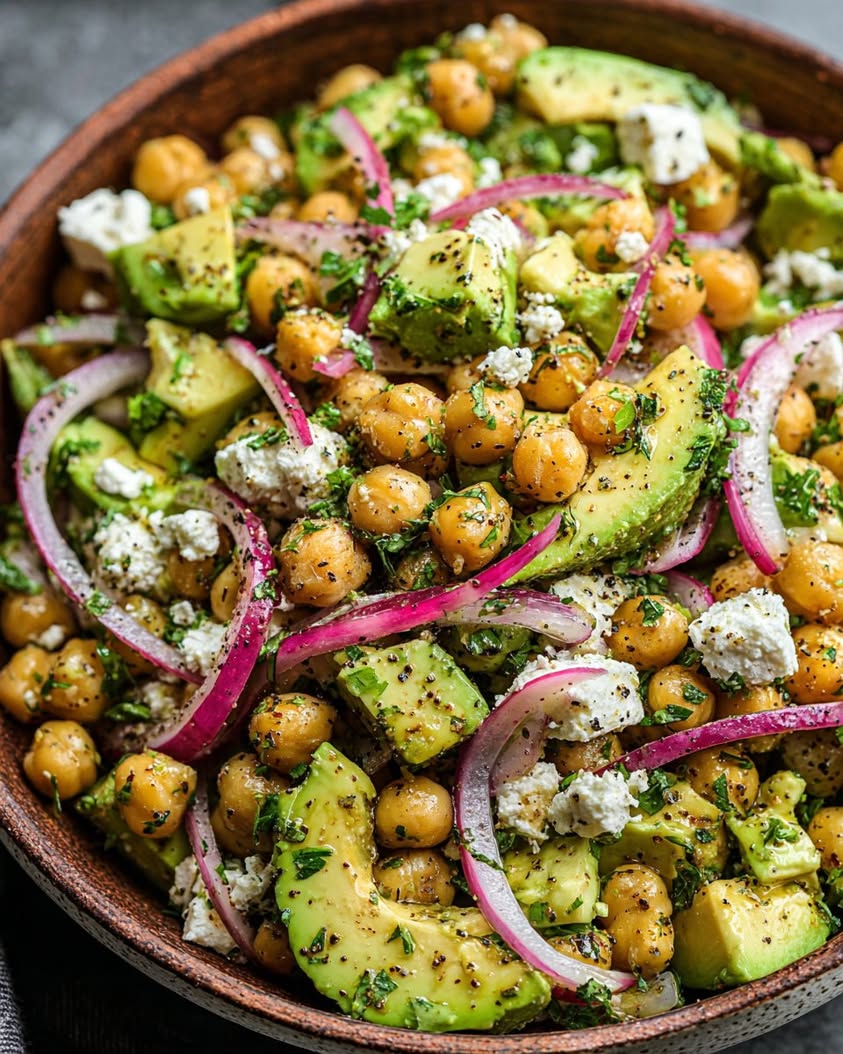
The Ultimate Chickpea Feta Avocado Salad Recipe for a Healthy Lunch
When you need a quick and satisfying lunch, nothing beats this Chickpea Feta Avocado Salad. This recipe brings together creamy avocado, tangy feta, and hearty chickpeas for a meal that feels both indulgent and virtuous. The combination of textures and flavors makes it a standout dish that you will want to make again and again. Moreover, it comes together in just fifteen minutes, so it is perfect for busy weekdays when you want something healthy but do not have much time.
Imagine a bowl filled with perfectly ripe avocado that adds a rich, buttery element to every bite. The chickpeas provide a satisfying chewiness, while the feta cheese delivers a salty, tangy punch that brightens the whole dish. This salad is a true celebration of simple ingredients that work in harmony. Furthermore, it is highly customizable, so you can adjust it to suit your tastes or use what you have on hand. You can enjoy it as a main course or as a substantial side dish.
Let us explore the details that make this chickpea feta avocado salad such a winner. We will break down every aspect from the flavor profile to the best techniques for preparing each component. This guide will help you create a perfect salad every time. For best results, choose a ripe avocado that yields to gentle pressure. Also, using high-quality feta cheese will make a significant difference in the final taste of your dish.
Quick Recipe Highlights
- Flavor Profile: This salad combines creamy, tangy, salty, and fresh elements beautifully. The avocado provides a mellow, nutty base while the feta adds a sharp, briny finish that awakens the palate.
- Texture: You will experience a wonderful contrast between the soft, buttery avocado cubes and the firm, slightly nutty chickpeas. The feta crumbles add a creamy yet crumbly texture that enhances every forkful.
- Aroma: The scent of fresh lemon juice mingles with the earthy notes of olive oil and the herbaceous quality of fresh parsley. This combination creates a bright and inviting fragrance that signals a fresh, healthy meal.
- Visual Appeal: The salad features a beautiful palette of rich green avocado, pale green cucumber, creamy white feta, and golden chickpeas. A sprinkle of red pepper flakes adds a pop of color that makes the dish even more appetizing.
- Skill Level Needed: This recipe is perfect for beginners and experienced cooks alike because it requires only basic knife skills. You simply need to chop vegetables and whisk a simple dressing, making it an accessible dish for any home cook.
- Special Equipment: You will only need a sharp knife, a cutting board, a medium mixing bowl, and a small jar or bowl for the dressing. This minimal equipment makes cleanup quick and easy.
Recipe Overview
- Difficulty Level: We rate this recipe as easy because there are no complex cooking techniques involved. The steps are straightforward and require no special skills or experience to execute successfully. Anyone can prepare this dish with confidence.
- Category: This dish fits perfectly as a light main course for lunch or a substantial side salad for dinner. It also works wonderfully as a meal prep option because it stores well in the refrigerator for several days.
- Cuisine: The Mediterranean influences are clear in the use of feta cheese, olives, and fresh herbs. This fusion of flavors draws from Greek and Middle Eastern culinary traditions that celebrate fresh vegetables and legumes.
- Cost: This recipe uses affordable, pantry-friendly ingredients that are easy on the budget. Canned chickpeas, seasonal vegetables, and a block of feta cheese cost very little compared to a restaurant meal, making it a cost-effective choice for healthy eating.
- Season: This salad is at its best during the summer months when avocados, cucumbers, and tomatoes are at their peak. However, you can easily enjoy it year-round as most ingredients are available in grocery stores regardless of the season.
- Occasion: This chickpea feta avocado salad is perfect for casual summer lunches, potlucks, and backyard barbecues. It also makes an excellent weekday lunch option because it comes together so quickly and requires no cooking.
Why You Will Love This Recipe
The taste and texture of this salad are simply addictive because each bite offers something different. The creamy avocado coats your tongue while the chickpeas provide a satisfying pop. Then, the feta cheese melts slightly into the dressing, creating a tangy sauce that brings everything together. The fresh lemon juice cuts through the richness perfectly, leaving your palate refreshed. You will find yourself craving this salad regularly because it satisfies so many different cravings at once.
Convenience is a huge draw for this recipe since you can prepare it in under twenty minutes. There is no cooking required, so you do not need to heat up your kitchen or stand over a hot stove. You can make a large batch on Sunday and portion it out for lunches throughout the week. Furthermore, the ingredients are easy to find at any grocery store, and you probably already have many of them in your pantry. This convenience makes healthy eating much more achievable for busy people.
Nutritionally, this salad is a powerhouse that will keep you feeling full and energized for hours. The chickpeas provide a solid amount of plant-based protein and fiber, which helps stabilize your blood sugar levels. Avocados deliver heart-healthy monounsaturated fats that support brain function and help your body absorb fat-soluble vitamins. Feta cheese adds calcium and protein while contributing a rich flavor that makes the salad feel decadent. This combination of nutrients makes it a balanced and satisfying meal option.
Socially and entertainingly, this salad shines as a dish you can bring to any gathering. It travels well and does not require last-minute fuss or complicated assembly. Guests appreciate a fresh, vibrant option alongside heavier foods, and this salad always impresses with its beautiful colors and bold flavors. You can easily double or triple the recipe to feed a crowd without spending extra time in the kitchen. People will ask for the recipe every time you serve it.
Cost-effectiveness and accessibility make this recipe a smart choice for anyone on a budget. A single can of chickpeas costs less than one dollar, and one avocado is quite affordable when in season. Feta cheese provides a lot of flavor in small amounts, so one block goes a long way. You can also use pantry staples like olive oil and lemon juice that you likely already have on hand. This salad proves that eating well does not have to be expensive or time-consuming.
Historical Background and Cultural Significance
The combination of chickpeas, avocado, and feta cheese represents a modern fusion that draws from diverse culinary traditions. Chickpeas have been cultivated for thousands of years in the Middle East and Mediterranean regions, where they serve as a staple source of protein. Feta cheese has ancient origins in Greece, with evidence of its production dating back to Homeric times. Avocados, meanwhile, originated in Central America and were introduced to other parts of the world much more recently through global trade routes.
Culturally, this salad reflects the growing trend of Mediterranean-inspired eating that emphasizes fresh vegetables, legumes, and healthy fats. The Mediterranean diet has gained worldwide recognition for its health benefits, and dishes like this one make it accessible to home cooks everywhere. This particular combination showcases how traditional ingredients can be reimagined in new and exciting ways. It represents a fusion that honors the past while embracing modern tastes and nutritional knowledge.
Over time, this recipe has evolved from simple combinations of these ingredients into more refined versions that balance flavors and textures perfectly. Earlier iterations might have been more rustic, but modern versions often include carefully measured dressings and specific cutting techniques to maximize visual appeal. The addition of fresh herbs like parsley or mint has become common, along with optional extras like red onion or bell pepper. This evolution shows how a basic idea can be refined through experimentation and feedback.
Regional variations of this salad appear across the Mediterranean and beyond, each adding a local twist. In Greece, you might find this salad served with olives and a heavy drizzle of extra virgin olive oil. In California, cooks often add corn or black beans for a southwestern flair. Middle Eastern versions might include sumac or zaatar for a tangy, herbal boost. These variations demonstrate the versatility of the core concept and how it adapts to different palates and ingredient availability.
Ingredient Deep Dive
Chickpeas, also known as garbanzo beans, have been a dietary staple in the Middle East and India for centuries. These legumes are incredibly nutritious, providing significant amounts of protein, fiber, folate, and iron. They have a low glycemic index, which means they help regulate blood sugar levels and keep you feeling full longer. When selecting canned chickpeas, look for ones without added sodium or preservatives, or opt for dried chickpeas that you cook yourself for maximum control over texture and flavor.
To store chickpeas properly, keep canned ones in a cool, dry place before opening and transfer leftovers to an airtight container in the refrigerator for up to four days. You can also freeze cooked chickpeas for several months. If you prefer dried chickpeas, soak them overnight and then simmer for about an hour until tender. For substitutions, white beans like cannellini or great northern beans work well, though they have a slightly different texture and milder flavor.
Avocados originated in south-central Mexico and have become a global phenomenon thanks to their creamy texture and healthy fat content. They are rich in monounsaturated fats, which support heart health, and they contain more potassium than bananas. Avocados also provide vitamins C, E, K, and B6 along with folate and fiber. When selecting an avocado, look for one that yields slightly to gentle pressure but is not mushy. The color should be dark green to nearly black for Hass avocados.
To store an avocado, keep it at room temperature until it ripens, then transfer it to the refrigerator to slow further ripening. Once cut, sprinkle the exposed flesh with lemon juice to prevent browning and wrap tightly in plastic wrap. If you need to speed up ripening, place the avocado in a paper bag with a banana or apple. For substitutions, consider using diced mango for sweetness or roasted zucchini for a different texture, though the flavor profile will change significantly.
Feta cheese has been produced in Greece for thousands of years, traditionally made from sheep or goat milk. This brined curd white cheese has a tangy, salty flavor that adds a distinctive punch to any dish. Feta is a good source of calcium, protein, and phosphorus, though it is relatively high in sodium. When selecting feta, look for blocks stored in brine rather than pre-crumbled options, as the brine helps maintain moisture and flavor. The texture should be firm but crumbly, not dry or chalky.
Store feta cheese in its brine in an airtight container in the refrigerator, where it will keep for several weeks. If you cannot find feta, you can substitute queso fresco for a milder flavor or goat cheese for a creamier texture. For a dairy-free option, consider using a plant-based feta alternative made from tofu or nuts. The overall taste of your salad will change with substitutions, so adjust your seasonings accordingly to maintain balance.
Common Mistakes to Avoid
- Using an under-ripe avocado will result in hard, unappetizing chunks that lack the creamy texture this salad needs. Always test avocados for ripeness by applying gentle pressure at the stem end before cutting.
- Over-dressing the salad can make it soggy and cause the ingredients to break down too quickly. Start with half the dressing and add more only if needed, tasting as you go.
- Cutting the avocado pieces too small will cause them to disintegrate when you toss the salad. Aim for half-inch cubes so they hold their shape and provide a satisfying bite.
- Skipping the step of rinsing and draining your canned chickpeas will add extra sodium and a metallic taste to your salad. Always rinse them thoroughly under cold water before using.
- Adding the avocado too early will cause it to brown and become mushy by the time you serve the salad. For best results, add avocado pieces just before serving.
- Using low-quality feta cheese that has a rubbery texture will not provide the same creamy, crumbly experience. Invest in a good block of feta stored in brine for the best flavor and texture.
- Forgetting to season with salt and pepper means your salad will taste flat and one-dimensional. However, be careful not to oversalt because the feta already contributes significant saltiness.
- Chopping the vegetables unevenly will affect the visual appeal and mouthfeel of the final dish. Try to keep all pieces roughly the same size for a professional presentation.
Essential Techniques
Cutting an avocado properly is crucial for achieving perfect cubes that hold their shape. Start by slicing the avocado lengthwise around the pit, then twist the halves apart. Remove the pit by tapping it with your knife and twisting it out. Score the flesh in a crosshatch pattern without cutting through the skin, then scoop out the cubes with a spoon. This technique creates uniform pieces that will stay intact when you toss the salad gently.
Mastering the dressing emulsion is important because it ensures every bite is coated evenly and deliciously. Start with fresh lemon juice and good quality extra virgin olive oil in a ratio of roughly one part lemon to three parts oil. Whisk vigorously while slowly adding the oil to create a temporary emulsion. Add a pinch of salt, pepper, and dried oregano to the dressing for extra depth. Shake or whisk again just before pouring over the salad to recombine the ingredients.
Properly crumbling feta cheese gives you the perfect distribution of flavor throughout the salad without large, overwhelming chunks. Use your fingers to break the cheese into small, irregular pieces rather than cutting it with a knife. This method creates a more organic texture that blends better with the other ingredients. For an even creamier result, you can mash some of the feta into the dressing to create a tangy, creamy base that coats everything nicely.
Pro Tips for Perfect Chickpea Feta Avocado Salad
First, always let your salad sit at room temperature for about fifteen minutes before serving. This resting time allows the flavors to meld together and the dressing to penetrate the chickpeas slightly. The salad tastes significantly better after this brief wait because the ingredients become more cohesive.
Second, consider adding a pinch of red pepper flakes or a dash of cayenne for a subtle kick of heat. The warmth from the spice contrasts beautifully with the cool, creamy avocado and tangy feta. This small addition can elevate the entire flavor profile of your salad.
Third, use a microplane to zest a little lemon over the finished salad for an extra burst of citrus aroma. The essential oils in the zest add a bright, floral note that complements the lemon juice in the dressing. This simple trick makes your salad taste fresher and more vibrant.
Fourth, try toasting some pine nuts or sliced almonds to sprinkle on top right before serving. The warm, nutty crunch adds another layer of texture that makes the salad more interesting. Just be careful not to burn the nuts because they can go from golden to black very quickly.
Fifth, if you plan to make this salad ahead of time, keep the avocado separate and add it just before serving. Store the dressing separately as well to prevent the vegetables from becoming soggy. This strategy ensures your salad stays fresh and vibrant for days.
Sixth, experiment with different fresh herbs like mint, dill, or basil to change the flavor profile. Each herb brings a unique character that can transform the salad into something completely new. Mint adds a refreshing note, while dill pairs perfectly with the feta and lemon.
Variations and Adaptations
Regional variations of this chickpea feta avocado salad abound across different culinary traditions. In the southwestern United States, cooks often add roasted corn, black beans, and a squeeze of lime for a Tex-Mex twist. Mediterranean versions typically include olives, sun-dried tomatoes, and capers for a briny, robust flavor profile. Middle Eastern adaptations might feature zaatar, sumac, and fresh mint alongside the core ingredients for an herby, tangy kick.
Seasonal adaptations allow you to enjoy this salad all year round by swapping in what is fresh at the market. During summer, add ripe cherry tomatoes, grilled zucchini, and fresh basil for a burst of seasonal flavor. In autumn, try roasted butternut squash cubes and pomegranate seeds for a sweet, savory combination. Winter versions can include roasted beets and citrus segments, while spring salads benefit from fresh peas and radishes.
Dietary modifications make this salad accessible to almost any eating plan. For a vegan version, simply omit the feta cheese and add a sprinkle of nutritional yeast or a dollop of cashew cream for a cheesy flavor. Those following a low-carb diet can reduce the chickpeas and increase the avocado and cucumber portions accordingly. For a gluten-free meal, this salad needs no adjustments because all the ingredients are naturally free of gluten.
Flavor variations can be achieved by adjusting the dressing ingredients or adding aromatic components. Try using red wine vinegar instead of lemon juice for a different kind of acidity. Add a clove of minced garlic or a shallot finely diced to the dressing for a savory depth. Smoked paprika or cumin can bring warmth and earthiness to the overall flavor profile, making the salad feel more complex and satisfying.
Serving and Presentation Guide
Plating this salad with intention makes it look as good as it tastes. Start with a wide, shallow bowl that allows the ingredients to spread out rather than pile up. Arrange the salad in a way that shows off the different colors and textures, with the green avocado and cucumber contrasting against the white feta and golden chickpeas. Use a fork to fluff the ingredients gently rather than packing them down.
Garnishing ideas include a sprinkle of fresh herbs like parsley or mint on top for a pop of green. Add a few extra crumbles of feta cheese right in the center to draw the eye. A drizzle of extra virgin olive oil and a crack of black pepper over the top just before serving can elevate the presentation. Edible flowers or microgreens also make a lovely garnish for special occasions.
Traditional accompaniments include warm pita bread or crusty sourdough for scooping up every last bit of the salad. You can also serve this salad alongside grilled chicken, fish, or lamb for a more substantial meal. For a vegetarian feast, pair it with lentil soup and hummus for a Mediterranean-inspired spread. The versatility of this dish makes it suitable for many different meal contexts.
Modern serving suggestions include stuffing this salad into a hollowed out tomato or half a bell pepper for an attractive presentation. You can also use it as a filling for lettuce wraps or serve it over a bed of fresh spinach for extra greens. For a grain bowl version, serve the salad over cooked quinoa, farro, or brown rice. These variations keep the dish interesting and adaptable to different meal occasions.
Wine and Beverage Pairing
For wine pairings, this salad pairs beautifully with a crisp, unoaked white wine like Sauvignon Blanc or Assyrtiko. The high acidity in these wines cuts through the creamy avocado and tangy feta perfectly. A dry rosé also works wonderfully, especially during warmer months when you want something refreshing. If you prefer red wine, choose a light-bodied, chilled red like a young Tempranillo or Frappato.
Non-alcoholic alternatives include sparkling water with a squeeze of lemon or lime for a refreshing palate cleanser. Iced tea with a hint of mint or lemon complements the Mediterranean flavors without overwhelming them. A simple cucumber and mint infused water also pairs beautifully and reinforces the fresh, clean flavors of the salad. These options keep everyone hydrated and happy regardless of their beverage preferences.
Consider serving this salad with a chilled Greek beer like Alfa or Mythos for an authentic Mediterranean experience. The light, crisp character of these beers provides a nice contrast to the richness of the avocado and feta. For a cocktail pairing, try a gin and tonic with extra lime or a vodka soda with a splash of cucumber. These light, citrus-forward drinks enhance rather than compete with the flavors of the salad.
Storage and Shelf Life
Store your chickpea feta avocado salad in an airtight container in the refrigerator for up to three days. However, keep in mind that the avocado will begin to brown after about 24 hours, even with lemon juice mixed in. To maximize freshness, prepare the salad components separately and combine them just before serving. This method ensures each ingredient retains its optimal texture and flavor.
Temperature requirements for storage are straightforward since this salad should always be kept chilled below 40 degrees Fahrenheit. Do not leave the salad at room temperature for more than two hours, especially if you are serving it outdoors in warm weather. The feta cheese and avocado are both perishable and can become unsafe if left out too long. When transporting the salad, use a cooler or insulated bag to keep it cold.
Container recommendations include using glass or BPA-free plastic containers with tight-fitting lids. Avoid using metal containers because the acidic dressing can react with the metal and impart an off flavor. For best results, choose a container that is just large enough to hold the salad without leaving too much air space, which can accelerate spoilage. Press a piece of plastic wrap directly onto the surface of the salad before sealing the lid to minimize air exposure.
Signs of spoilage include a slimy texture on the chickpeas, browning or mushiness in the avocado, or a sour smell coming from the dressing. If you notice any mold growth on any of the ingredients, discard the entire salad immediately. Always trust your senses and err on the side of caution when it comes to food safety. Do not attempt to salvage spoiled components by removing them because bacteria can spread invisibly.
Make Ahead Strategies
A prep timeline for this salad helps you manage your time efficiently when you plan ahead. Up to three days before serving, you can chop the cucumber, dice the red onion, and whisk the dressing. Store each component separately in airtight containers in the refrigerator. On the day you plan to serve, rinse and drain the chickpeas, cube the avocado, and crumble the feta cheese. Combine everything with the dressing just before serving for the best texture.
Storage between steps requires careful attention to prevent ingredients from becoming soggy or discolored. Keep the chopped cucumber and onion in separate containers to prevent them from absorbing each other’s flavors. Store the dressing in a jar with a tight lid and give it a shake before using. Keep the avocado whole until you are ready to cut and add it to the salad, because cutting it too far in advance will cause oxidation and browning.
Quality impact assessment shows that most components hold up well for a few days, but avocado is the most sensitive. If you absolutely must include the avocado in the pre-made salad, toss it with extra lemon juice and press plastic wrap directly onto the surface. Even with these precautions, the avocado quality will decline after 24 hours. For the best experience, add fresh avocado just before serving and use the pre-prepped ingredients for everything else.
Scaling Instructions
Halving this recipe is simple because all the ingredient ratios remain the same. Use half a can of chickpeas, half an avocado, and half the amount of feta cheese. The dressing can be halved easily by using two tablespoons of olive oil and one and a half teaspoons of lemon juice. Store the leftover half can of chickpeas in a container in the refrigerator for another use. This smaller batch is perfect for a single serving or a light lunch for two people.
Doubling or tripling this recipe works well for larger gatherings or meal prep sessions. When scaling up, use a large mixing bowl that gives you plenty of room to toss everything without spilling. Keep the dressing ratio the same, but make it in a larger jar or bowl. Be careful not to over-dress the salad when scaling up, so add the dressing gradually and toss gently. Oversized batches may require a bit more seasoning adjustment, so taste and adjust accordingly.
Equipment adjustments for larger batches include using a very large mixing bowl or even a clean roasting pan for tossing. You may need to work in batches if your mixing bowl is not large enough. For storing large quantities, divide the salad into multiple smaller containers rather than one huge container. This strategy makes it easier to grab portions quickly and prevents the salad from being compressed and damaged. Each container should have a tight seal to keep the ingredients fresh.
Nutritional Deep Dive
The macro breakdown of this chickpea feta avocado salad shows it is a well-balanced meal. Each serving provides approximately 15 grams of protein from the chickpeas and feta, which helps build and repair tissues. The avocado and olive oil contribute about 20 grams of healthy fats that support brain function and hormone production. Carbohydrates come mainly from the chickpeas and vegetables, totaling around 30 grams per serving with about 10 grams of fiber.
Micronutrient analysis reveals that this salad is rich in important vitamins and minerals. Chickpeas provide iron, folate, and magnesium, all essential for energy production and blood health. Avocados deliver vitamins K, C, E, and B6, along with potassium that supports heart function and blood pressure regulation. Feta cheese adds calcium and phosphorus for strong bones and teeth. The fresh vegetables contribute additional vitamin C and antioxidants that support immune function.
Health benefits from this salad include improved digestion thanks to the high fiber content from chickpeas and vegetables. The combination of protein and healthy fats helps stabilize blood sugar levels, preventing energy crashes and cravings. The anti-inflammatory properties of olive oil and avocado may support heart health and reduce chronic disease risk. This salad also promotes satiety, which can help with weight management by preventing overeating later in the day.
Dietary Adaptations
For a gluten-free diet, this salad is naturally safe because none of the core ingredients contain gluten. However, be careful when serving with accompaniments like pita bread or crackers, as those may contain gluten. Check the label of any store-bought dressing if you use one to ensure it is gluten-free as well. This salad makes an excellent option for anyone with celiac disease or gluten sensitivity.
For a dairy-free version, simply omit the feta cheese or replace it with a plant-based alternative. Many grocery stores now carry vegan feta made from cashews or almonds that crumbles similarly. You can also add a tablespoon of nutritional yeast for a cheesy flavor without the dairy. For extra creaminess, consider adding a few more avocado cubes or a dollop of vegan sour cream.
For a vegan adaptation, follow the dairy-free instructions and also ensure your dressing uses only plant-based ingredients. Confirm that your lemon juice, olive oil, and seasonings are all vegan friendly. This salad is naturally vegan except for the feta, so the transition is simple. Serve it with a grain like quinoa or farro for a complete vegan protein profile that satisfies hunger beautifully.
For a low-carb version, reduce the chickpeas by half and increase the cucumber and avocado portions. Chickpeas contain about 30 grams of carbohydrates per cup, so cutting back significantly lowers the carb count. You can also add extra leafy greens like spinach or arugula to bulk up the volume without adding many carbs. This adaptation keeps the salad satisfying while fitting into a low-carb or ketogenic eating plan.
Troubleshooting Guide
If your salad tastes bland, start by checking your salt and pepper levels because they are the most common culprits. Add a pinch of salt and a few cracks of black pepper, then taste again. If it still lacks flavor, consider adding a squeeze of fresh lemon juice or a splash of vinegar to brighten things up. The acid will wake up all the other flavors and make the salad taste more lively.
If your avocado is browning too quickly, make sure you cut it just before serving and toss it thoroughly with lemon juice. The ascorbic acid in the lemon juice slows down the oxidation process significantly. Store any leftover salad with plastic wrap pressed directly onto the surface to minimize air exposure. If the avocado has already started to brown, remove the affected pieces before serving because they will taste bitter and unappealing.
If your salad seems too dry, add a bit more olive oil and lemon juice to the dressing and toss again gently. The dressing should generously coat each ingredient without pooling at the bottom of the bowl. If you added too much dressing and the salad is soggy, try draining off the excess liquid and adding fresh, dry ingredients to balance it out. Next time, add the dressing gradually to achieve the perfect coating.
If your chickpeas taste metallic or canned, make sure you rinse them thoroughly under cold water for at least 30 seconds. This step washes away the canning liquid that often imparts an undesirable flavor. You can also simmer the rinsed chickpeas in fresh water for five minutes to improve their texture and taste. Drying them on a paper towel after rinsing also helps the dressing cling better to the beans.
Recipe Success Stories
Community feedback on this chickpea feta avocado salad has been overwhelmingly positive, with many readers calling it their go-to lunch. One reader shared that she brings this salad to work at least twice a week and her coworkers always ask for the recipe. Another reader reported that her picky children actually enjoyed eating this salad, which was a huge victory for her family’s meal routine. These success stories motivate us to keep sharing recipes that make healthy eating accessible and enjoyable.
Variation successes include a reader who added grilled corn and black beans for a southwestern twist that her family loved. Another creative adaptation involved using this salad as a filling for stuffed bell peppers, topped with melted cheese and baked until hot. Someone else reported success using this salad as a topping for baked sweet potatoes, creating a hearty and colorful main dish. These adaptations show the versatility of the base recipe and how it can inspire creativity in the kitchen.
Frequently Asked Questions
Can I use canned chickpeas for this salad? Yes, canned chickpeas work perfectly for this recipe. Simply drain and rinse them thoroughly to remove excess sodium and the metallic taste from the canning liquid. If you have time, you can also use dried chickpeas that you cook yourself for a firmer texture and deeper flavor.
How do I choose a ripe avocado for this salad? Look for an avocado that yields slightly to gentle pressure when you squeeze it in the palm of your hand. Avoid avocados that feel mushy or have dark sunken spots, as these are overripe. The color should be dark green to nearly black for Hass avocados, and the stem should pop off easily revealing green underneath.
Can I make this salad the night before? You can prepare most components the night before, but add the avocado and dressing just before serving for the best texture and appearance. Chop the cucumber, dice the red onion, and whisk the dressing, then store them separately in the refrigerator. Assemble everything with fresh avocado right before you plan to eat.
What can I substitute for feta cheese? Good substitutes include goat cheese for a creamier texture, queso fresco for a milder flavor, or a vegan feta alternative for a dairy-free option. Each substitution will change the overall flavor profile slightly, so adjust your seasonings accordingly. You can also simply omit the cheese and add extra avocado for creaminess.
Is this salad good for weight loss? Yes, this salad is an excellent option for weight loss because it is high in fiber and protein which promote feelings of fullness. The healthy fats from avocado also help satisfy hunger and prevent overeating later. However, be mindful of portion sizes because the avocado and olive oil are calorie dense.
How long does this salad last in the refrigerator? The salad will last up to three days in the refrigerator if stored properly in an airtight container. However, the avocado will begin to brown after about 24 hours, so for the best visual appeal, add the avocado fresh each day. The flavors actually meld together nicely after a day of resting in the refrigerator.
Can I freeze this salad? Freezing is not recommended because the avocado will become mushy and watery upon thawing. The chickpeas and vegetables will also lose their texture and become unappealing. It is best to enjoy this salad fresh or within a few days of preparation.
What should I serve with this salad for a complete meal? This salad pairs beautifully with grilled chicken, fish, or lamb for added protein. You can also serve it alongside warm pita bread, hummus, and olives for a Mediterranean-inspired feast. For a vegetarian meal, pair it with lentil soup or a grain like quinoa or farro.
Can I use different beans instead of chickpeas? Yes, you can substitute white beans like cannellini or great northern beans for a slightly different texture and milder flavor. Black beans or kidney beans also work, but they will change the color and flavor profile more significantly. Chickpeas remain the best choice for their firm texture and nut Print
Chickpea Feta Avocado Salad
- Total Time: 15 minutes
- Yield: 4
Description
A refreshing and hearty salad combining protein-rich chickpeas, creamy avocado, and tangy feta cheese, tossed with a simple lemon vinaigrette.
Ingredients
- 1 can (15 oz) chickpeas, drained and rinsed
- 1 ripe avocado, diced
- 1/2 cup crumbled feta cheese
- 1 cucumber, seeded and diced
- 1 cup cherry tomatoes, halved
- 1/4 cup red onion, thinly sliced
- 2 tablespoons fresh lemon juice
- 3 tablespoons extra virgin olive oil
- 1/2 teaspoon salt
- 1/4 teaspoon black pepper
Instructions
- In a large bowl, combine chickpeas, avocado, feta, cucumber, cherry tomatoes, and red onion.
- In a small bowl, whisk together lemon juice, olive oil, salt, and pepper to make the dressing.
- Pour dressing over the salad and toss gently to combine.
- Serve immediately or refrigerate for up to 2 hours.
Notes
You can customize the seasonings to taste.
- Prep Time: 15 minutes
- Cook Time: 0 minutes
- Method: Salad
- Cuisine: Mediterranean