Whipped Feta with Roasted Strawberries: The Perfect Sweet and Savory Appetizer
Imagine a creamy, tangy dip that melts in your mouth, paired with sweet, jammy berries that burst with flavor. This Whipped Feta with Roasted Strawberries offers exactly that delightful contrast. You get the savory, salty notes from high-quality feta cheese, transformed into a silky, airy spread. Roasting the strawberries concentrates their natural sugars, creating a rich, almost candy-like topping. This combination works beautifully as an appetizer for a dinner party or a quick, impressive snack for yourself.
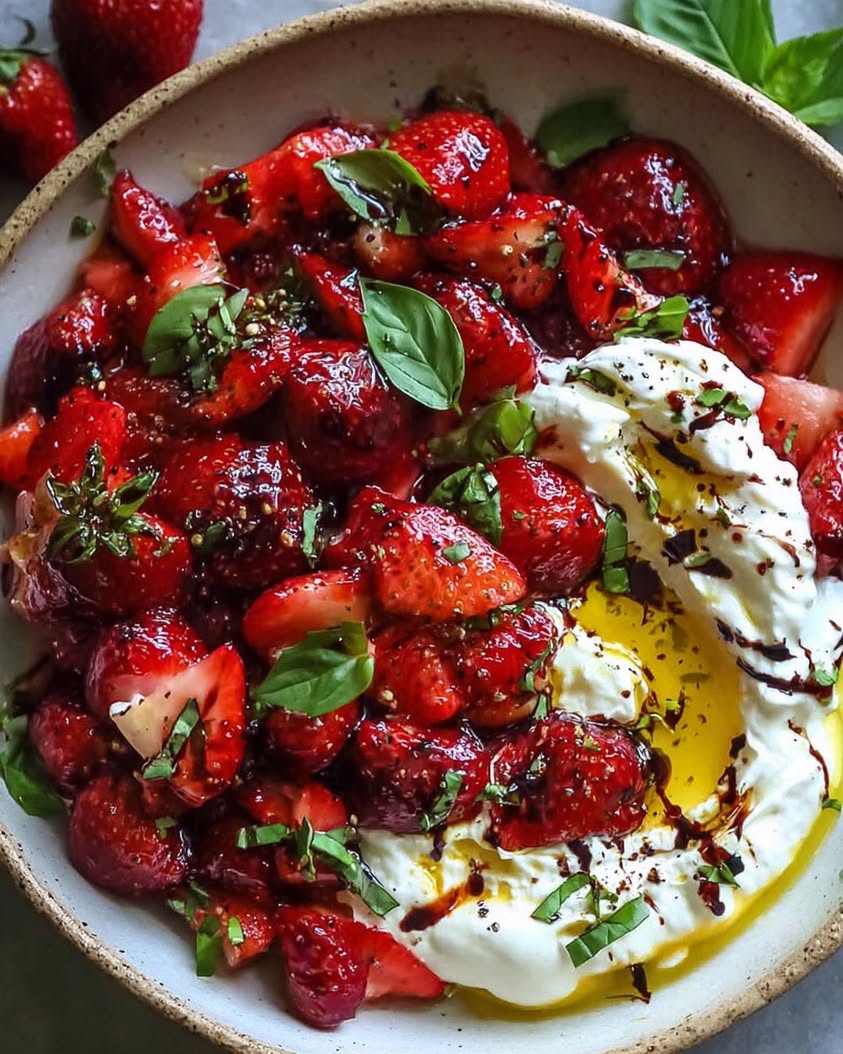
When you make this Whipped Feta with Roasted Strawberries, you are creating a dish that feels both elegant and rustic. The process is surprisingly simple, requiring just a few ingredients and minimal active kitchen time. The vibrant red of the strawberries against the stark white feta creates a stunning visual appeal. Your guests will marvel at the sophisticated flavor profile, unaware of how effortlessly it comes together. It is a recipe that proves simple components can yield extraordinary results.
This Whipped Feta with Roasted Strawberries is perfect for spring and summer when strawberries are at their peak. Yet, thanks to modern roasting techniques, you can enjoy it year-round with good-quality berries from the store. The creamy base offers a fantastic canvas for the sweet roasted fruit. Every bite brings a balance of creamy, salty, sweet, and slightly acidic notes. You will find yourself reaching for this dip again and again.
Quick Recipe Highlights
- Flavor Profile: The whipped feta delivers a salty, tangy, and creamy base. Roasted strawberries contribute deep sweetness with a hint of caramelization. Together, they create a perfect savory-sweet balance.
- Texture: The feta becomes incredibly light, smooth, and airy after whipping. The roasted strawberries soften and break down into a jammy, luscious compote. This delightful contrast between creamy and chunky keeps each bite interesting.
- Aroma: During roasting, the strawberries fill your kitchen with a sweet, balsamic-tinged fragrance. The feta itself has a fresh, milky, and salty scent. Combined, they create an irresistible, welcoming aroma.
- Visual Appeal: The stark white, fluffy feta provides a beautiful backdrop. The deep red, glossy strawberries create a stunning crown. A drizzle of honey and a sprinkle of fresh herbs add the perfect finishing touch.
- Skill Level Needed: This is a beginner-friendly recipe. You need only basic knife skills for hulling strawberries. The rest involves simple mixing and oven roasting.
- Special Equipment: You need a food processor or a high-speed blender to whip the feta. A baking sheet lined with parchment paper is essential for roasting. A rubber spatula helps transfer the dip cleanly to a serving bowl.
Recipe Overview
- Difficulty Level: We have rated this as easy because the steps are straightforward. You cannot really overcook the strawberries, and the feta whips up in minutes. There is no complex technique like tempering eggs or making a roux. This makes it accessible for cooks of all skill levels.
- Category: This dish fits perfectly as an appetizer, a snack, or even a light lunch. You can serve it as a dip with crostini or crackers. It also works wonderfully as a spread for a sandwich or a topping for grilled chicken.
- Cuisine: While feta is a star in Greek cuisine, this preparation feels modern and global. Roasting fruit is a technique found in many culinary traditions, from Italian to American. The combination of salty cheese and sweet fruit is a classic Mediterranean pairing.
- Cost: This is a relatively affordable recipe. Feta cheese is readily available and reasonably priced. Strawberries can be inexpensive when in season. Other ingredients like honey and olive oil are pantry staples.
- Season: Summer is the ideal season because strawberries are at their sweetest and most affordable. However, you can make it in any season using good-quality berries. The roasting process enhances even less-than-perfect winter strawberries.
- Occasion: This recipe is perfect for parties, potlucks, and holiday gatherings. It is elegant enough for a New Year’s Eve celebration. Yet, it is simple enough for a casual weeknight treat.
Why You Will Love This Recipe
The taste and texture appeal of this dish is unmatched. You get the creamy, tangy feta that feels luxurious on your tongue. Then, you bite into the sweet, jammy strawberries, which provide a burst of concentrated fruit flavor. The flaky sea salt and fresh thyme add complexity. This is a flavor journey in every single bite.
Convenience makes this recipe a winner for busy home cooks. You can prep the strawberries and whip the feta in just ten minutes. The oven does most of the work while you prepare other parts of your meal. It comes together faster than ordering takeout, yet it tastes like a gourmet creation. Cleanup is quick, involving only a food processor bowl and a baking sheet.
Nutritionally, this dish offers great benefits. Feta cheese is a good source of calcium and protein. Strawberries are packed with vitamin C and antioxidants. Using Greek yogurt in the whipped feta adds probiotics and extra protein. You enjoy a satisfying appetizer that provides real nutritional value.
This recipe shines in social settings and entertaining. It looks incredibly impressive on a charcuterie board or appetizer table. Your guests will be drawn to the vibrant colors and unique combination. You can make it ahead of time and simply bring it to room temperature before serving. It allows you to spend more time with your guests and less time in the kitchen.
Cost-effectiveness and accessibility make this a practical choice. Feta cheese is much cheaper than many specialty cheeses like burrata or goat cheese. Strawberries are often on sale, especially during their peak season. You likely already have honey, olive oil, and balsamic vinegar in your pantry. This makes for an affordable luxury that feels high-end without the high price tag.
Historical Background and Cultural Significance
Feta cheese has a long and storied history in Greece. Its production dates back thousands of years, with references found in ancient Greek literature. The name feta comes from the Italian word fetta, meaning slice. Traditionally, it is made from sheep’s milk or a mixture of sheep and goat milk. The brining process gives it that distinct salty flavor and crumbly texture.
In Greek culture, feta is not just a food but a staple of daily life. It appears in salads, pastries like spanakopita, and as a table cheese. The traditional Greek horiatiki salad, or village salad, always features a large block of feta on top. It represents simplicity and the high quality of Mediterranean ingredients. This recipe honors that tradition by putting feta at the center of the dish.
Roasted strawberries have a more modern origin but fit perfectly with Mediterranean flavor profiles. Roasting fruit to concentrate its sweetness is a technique used worldwide. In Italy, they roast figs and grapes for savory dishes. In the United States, roasted strawberries became popular in recent years for desserts and salads. Combining this technique with whipped feta creates a contemporary fusion of old and new.
Regional variations of this dish are emerging in modern cuisine. In some versions, chefs use goat cheese instead of feta for a milder tang. Others add balsamic reduction to the strawberries for extra depth. Some variations include fresh mint or basil instead of thyme. The core idea of a creamy, salty base topped with sweet roasted fruit remains consistent. This adaptability shows the recipe’s strong foundational appeal.
Ingredient Deep Dive
Feta Cheese: Feta cheese is a brined curd white cheese from Greece. It holds deep cultural significance as a protected designation of origin product. Nutritionally, it provides calcium, vitamin B12, and protein. When selecting feta, look for blocks stored in brine for the best flavor and texture. Avoid pre-crumbled feta, which often contains anti-caking agents and lacks moisture. Store feta in its brine in the refrigerator for up to two weeks. For a milder flavor, you can substitute with goat cheese or a combination of cream cheese and feta.
Strawberries: Strawberries are beloved around the world for their bright color and sweet-tart flavor. They belong to the rose family and are actually aggregate fruits. They provide a significant amount of vitamin C, manganese, and antioxidants like ellagic acid. When selecting strawberries, look for bright red berries with green, fresh-looking leaves. Avoid berries with white shoulders or mushy spots. Store them unwashed in the refrigerator for up to five days. If fresh strawberries are unavailable, you can use frozen berries for roasting.
Greek Yogurt: Greek yogurt adds creaminess and tang to the whipped feta. It is made by straining regular yogurt to remove whey, resulting in a thicker consistency. It offers a substantial amount of protein and probiotics that support gut health. For best results, use full-fat Greek yogurt for the richest texture and flavor. Non-fat versions work but produce a thinner dip. Store Greek yogurt in the refrigerator and use within two weeks of opening. If you are dairy-free, you can use a thick vegan yogurt or silken tofu.
Honey: Honey is a natural sweetener with a long history of culinary and medicinal use. It contains antioxidants and has antibacterial properties. The flavor of honey varies depending on the floral source. For this recipe, a mild honey like clover or orange blossom works well. Avoid strong, dark honey that might overpower the delicate strawberries. Store honey at room temperature, and it will never spoil. You can substitute with maple syrup or agave nectar.
Balsamic Vinegar: Balsamic vinegar originates from Italy and is made from reduced grape must. It provides acidity and depth that balances the sweetness of the strawberries. Traditional balsamic vinegar is aged for years and has a thick, syrupy consistency. For this recipe, a decent quality balsamic vinegar works fine. Store it in a cool, dark place away from direct sunlight. You can substitute with red wine vinegar or a squeeze of lemon juice.
Olive Oil: Olive oil is a cornerstone of Mediterranean cuisine. It provides healthy monounsaturated fats and antioxidants. Use a good quality extra virgin olive oil for drizzling at the end. The fruity, peppery notes complement both the feta and the strawberries. Store olive oil in a cool, dark cabinet to prevent rancidity. You can substitute with avocado oil for a more neutral flavor.
Common Mistakes to Avoid
- Using pre-crumbled feta: Pre-crumbled feta contains anti-caking agents that prevent it from whipping into a smooth consistency. Always buy a block of feta in brine for the best texture and flavor.
- Over-processing the feta: Blending the feta for too long can cause it to become thin and watery. Whip it just until it is smooth and fluffy, which usually takes about 30 seconds to one minute.
- Not patting the feta dry: Excess brine can make the whipped feta too watery. Pat the feta block dry with paper towels before adding it to the food processor.
- Using cold ingredients: Cold feta and yogurt can result in a grainy, lumpy texture. Let the feta and yogurt sit at room temperature for 15 minutes before whipping.
- Overcooking the strawberries: Roasting the strawberries for too long can turn them into a dry, leathery mess. Cook them just until they are soft and the juices are bubbling.
- Skipping the balsamic vinegar: Balsamic vinegar balances the sweetness of the strawberries and the saltiness of the feta. Do not leave it out, as the dish will taste flat.
- Using salted nuts for garnish: Salted nuts can make the final dish overly salty. Use raw or lightly toasted unsalted pistachios or walnuts.
- Failing to season the strawberries: A pinch of salt and black pepper enhances the flavor of the roasted strawberries. Season them before they go into the oven.
- Serving the dip straight from the fridge: Cold feta dip will taste firm and less flavorful. Let the dip sit at room temperature for 10 minutes before serving to allow the flavors to open up.
- Using a weak processor: A small, weak food processor may struggle to whip the feta into a smooth consistency. Use a full-size food processor or a high-speed blender for the best results.
Essential Techniques
Whipping the Feta: To achieve a light and airy texture, you must whip the feta properly. Start by crumbling the feta into the food processor bowl. Add the Greek yogurt and pulse to break everything down. Then, process continuously for 30 to 45 seconds. You will see the mixture transform from crumbly to smooth and fluffy. The key is to stop as soon as it becomes homogenous. Over-processing will cause the fat to separate and the dip to become oily.
Roasting Strawberries: Roasting concentrates the natural sugars in strawberries. Wash, dry, and hull the strawberries before cutting them in half. Toss them with a little honey, balsamic vinegar, and olive oil. Spread the mixture on a baking sheet in a single layer. Roast them at 375 degrees Fahrenheit for 20 to 25 minutes. The strawberries should be soft and the juices should be syrupy. Do not crowd the pan, as this will cause the berries to steam instead of roast.
Building the Dip: The presentation of this dip is almost as important as the taste. Spread the whipped feta onto a shallow serving plate in an even layer. Use the back of a spoon to create swoops and swirls in the surface. This creates texture and pockets for the strawberry juice to settle. Spoon the roasted strawberries and all their syrupy juices over the top. Garnish with a drizzle of honey, fresh thyme leaves, and a sprinkle of flaky sea salt.
Pro Tips for Perfect Whipped Feta with Roasted Strawberries
Always bring your feta and yogurt to room temperature before whipping. This ensures a smooth, creamy consistency without any lumps. Cold ingredients will result in a grainy texture that is difficult to fix.
Use full-fat yogurt for the richest and most luxurious dip. Low-fat or non-fat yogurt contains more water and less fat. This will make the whipped feta thinner and less satisfying.
Roast extra strawberries and save the leftover syrup for other uses. The syrup is fantastic drizzled over pancakes, yogurt, or ice cream. You can also mix it into cocktails for a sweet, fruity touch.
Season the whipped feta with a small pinch of black pepper. Pepper adds a subtle warmth that enhances the tangy feta flavor. Do not use too much, as the feta is already salty.
Let the roasted strawberries cool slightly before spooning them over the feta. Very hot strawberries can cause the feta to separate and become oily. A five-minute cooling period is usually sufficient.
Garnish the dip right before serving for the best visual impact. Fresh herbs like mint or basil add a pop of green. They also provide a fresh flavor contrast to the rich, sweet strawberries.
Variations and Adaptations
Regional Variations: In Turkey, a similar dish might use kaymak, a clotted cream, instead of feta. In Italy, you might see this concept with ricotta and roasted figs. In California, chefs often incorporate local ingredients like goat cheese and roasted stone fruit. Each region adds its own unique twist while maintaining the same core idea.
Seasonal Adaptations: During the fall, substitute roasted strawberries with roasted figs or pears. In the winter, roasted citrus segments like blood oranges work wonderfully. In the summer, try roasted apricots, peaches, or plums. Each fruit brings its own unique sweetness and texture to the dish.
Dietary Modifications: To make this recipe dairy-free, use a high-quality vegan feta alternative and vegan yogurt. Many brands now offer excellent plant-based feta options made from almonds or tofu. The flavor profile will be slightly different but still delicious. For a lower sodium version, rinse the feta block under cold water before using.
Flavor Variations: Add a clove of roasted garlic to the food processor with the feta for extra depth. A pinch of red pepper flakes gives a subtle heat that contrasts nicely with the sweet strawberries. You can also add fresh rosemary or tarragon to the strawberries before roasting for an herbal note.
Texture Modifications: For a chunkier dip, reserve some of the crumbled feta and stir it in after whipping. This provides texture and visual interest. For an even creamier dip, add a tablespoon of cream cheese to the feta mixture. This will make the dip extra rich and spreadable.
Presentation Alternatives: Instead of serving as a dip, you can serve the whipped feta in individual ramekins. This makes for a lovely composed appetizer for a dinner party. You can also layer the whipped feta and roasted strawberries in a glass for a beautiful parfait-style presentation.
Serving and Presentation Guide
For plating this dish, choose a wide, shallow serving bowl or a wooden board. A white ceramic dish contrasts beautifully with the red strawberries and white feta. Spread the whipped feta in an even, swirling layer. Create grooves with the back of a spoon to catch the strawberry syrup and make the dish look artisanal. Spoon the roasted strawberries in a generous pile in the center, allowing some of the deep red syrup to run into the grooves.
Garnishing ideas are essential for elevating this dish. A drizzle of high-quality honey adds sweetness and a beautiful golden sheen. Fresh thyme or mint leaves provide a bright green color and fresh aroma. A sprinkle of flaky sea salt, like Maldon, adds a satisfying crunch and enhances all the flavors. Toasted walnuts or pistachios add another layer of texture and nuttiness.
Traditional accompaniments for this dip include crusty bread, crostini, or pita chips. You can also serve it with fresh vegetables like cucumber slices, bell pepper strips, or radishes for a lower-carb option. In Greece, this type of dip is often served with warm, fluffy pita bread. The neutral flavor of the bread allows the feta and strawberries to take center stage.
Modern serving suggestions include using this dip as a spread for a gourmet burger or a grilled cheese sandwich. It also works beautifully as a topping for grilled chicken or fish. You can even use it as a filling for stuffed mushrooms or as a sauce for pasta. Its versatility makes it a welcome addition to many dishes.
Temperature considerations are important for serving this dish. You should serve the whipped feta at room temperature for the best flavor and texture. The cold refrigerator dulls the flavors and makes the feta firm. Let the dip sit out for 15 to 20 minutes before serving. The roasted strawberries can be served warm, at room temperature, or cold, depending on your preference.
Portion control tips help you serve this dip appropriately. For an appetizer, plan for about one quarter cup of the dip per person. For a larger spread, serve it alongside other dips and snacks. This recipe serves six people generously as an appetizer. If you are serving it as a main dish component, expect it to serve four people.
Wine and Beverage Pairing
Wine pairings for this dish are delightful and varied. A crisp Sauvignon Blanc from New Zealand or the Loire Valley works perfectly. The wine’s herbal notes and bright acidity complement the tangy feta and sweet strawberries. Alternatively, a dry rose from Provence offers a beautiful balance of fruit and acidity. For a white wine option, try an unoaked Chardonnay or a Pinot Grigio.
Non-alcoholic alternatives are equally satisfying. A sparkling water with a splash of elderflower cordial and fresh mint is refreshing. The floral notes of the elderflower complement the honey and strawberries. Another great option is a hibiscus iced tea, which has a tart and fruity profile that mirrors the strawberries. A simple lemonade with fresh thyme also works beautifully.
Coffee and tea pairings can work for a brunch setting. A light, fruity Ethiopian coffee offers bright acidity that matches the strawberries. For tea, a floral chamomile or a fruity rooibos blends nicely with the flavors. Avoid heavy, dark-roast coffee that might overwhelm the delicate flavors of the dip.
Temperature considerations for beverages are important. White wines should be served well-chilled, around 45 to 50 degrees Fahrenheit. Sparkling wines and water should be ice cold. Non-alcoholic beverages should be served over ice on a warm day. For a cozy winter party, you can serve a warm spiced apple cider or a sparkling wine at a slightly cooler temperature.
Serving suggestions for beverages include offering a small tasting pour of wine with each appetizer plate. For a large party, set up a self-serve beverage station. Label the wine choices and suggest which pairs best with the dip. This adds an interactive element to your party and helps guests make informed choices.
Storage and Shelf Life
For proper storage, you should keep the whipped feta and roasted strawberries separately. The whipped feta can be stored in an airtight container in the refrigerator for up to five days. The roasted strawberries and their syrup should be stored in a separate airtight container for up to one week. This prevents the feta from absorbing too much moisture from the strawberries and becoming watery.
Temperature requirements are straightforward. Both components must be stored in the refrigerator at or below 40 degrees Fahrenheit. You should never leave the dip at room temperature for more than two hours. If you are serving it outdoors in warm weather, reduce that time to one hour. After that, return any leftovers to the refrigerator promptly.
Container recommendations are important for maintaining quality. Use glass or BPA-free plastic containers with tight-fitting lids. Avoid metal containers, as the acid in the strawberries can react with the metal. For the best results, press a piece of plastic wrap directly onto the surface of the whipped feta before sealing the lid. This prevents a skin from forming on the surface.
Signs of spoilage include an off smell, a change in color, or the presence of mold. The feta may develop a sour or rancid aroma. The strawberries might develop a fermented smell or visible mold. If you notice any of these signs, discard the entire dish immediately. Do not try to salvage any part of it.
Reheating instructions apply only to the roasted strawberries. You can reheat them in the microwave for 15 to 20 seconds or in a small saucepan over low heat. You should not reheat the whipped feta, as it will separate and become grainy. Instead, let the feta come to room temperature before serving. The strawberries can be served warm or cold, so reheating is optional.
Freezing guidelines are not recommended for this dish. The whipped feta will become watery and grainy upon thawing. The roasted strawberries will also lose their texture and become mushy. It is best to make this dish fresh or within a few days of serving. You can freeze the raw strawberries for another use, but not the prepared dip.
Make Ahead Strategies
A good prep timeline helps you serve this dip with ease. Up to two days before serving, you can wash and hull the strawberries. Store them in a sealed container in the refrigerator. You can also roast the strawberries up to one day in advance. Store them in the refrigerator and bring them to room temperature before serving.
Storage between steps is crucial for freshness. If you make the roasted strawberries in advance, keep them in an airtight container in the refrigerator. The whipped feta can be made up to one day in advance. Store it in a separate container to prevent it from absorbing the strawberry juice. Assemble the dip just before serving for the best presentation.
Quality impact assessment shows that this recipe holds up well to make-ahead preparation. The whipped feta actually benefits from resting overnight, as the flavors meld together beautifully. The roasted strawberries also remain delicious for several days. The only element that suffers slightly is the texture of the feta, which may firm up a bit in the refrigerator. Letting it come to room temperature resolves this issue.
Assembly tips for the day of serving involve simple steps. Take the whipped feta out of the refrigerator 30 minutes before serving. Spread it onto the serving dish. Spoon the roasted strawberries over the top. Add the garnishes right before you bring it to the table. This ensures the freshest appearance and best texture.
Reheating guidelines apply only to the strawberries if you prefer them warm. Warm them gently on the stovetop or in the microwave. Let them cool for a few minutes before spooning them over the cold feta. This prevents the temperature shock from affecting the feta’s texture. The contrast between the warm strawberries and cool feta is quite pleasant.
Fresh element additions include the garnishes, which should always be added fresh. Add the fresh thyme or mint leaves just before serving. Sprinkle the flaky salt and drizzle the honey at the last minute. This keeps the herbs vibrant and the salt crunchy. Fresh elements make the dish feel more alive and appetizing.
Scaling Instructions
Halving the recipe is simple and works well. Use one block of feta, which is typically eight ounces. Reduce the yogurt to two tablespoons. Use eight ounces of strawberries instead of sixteen. All other ingredients can be halved easily. The cooking time for the strawberries remains the same, but check them at the 15-minute mark.
Doubling or tripling the recipe is also straightforward for larger parties. Use two or three blocks of feta accordingly. You may need to whip the feta in batches if your food processor is small. Roast the strawberries on two baking sheets to avoid overcrowding. Rotate the pans halfway through cooking for even roasting.
Equipment adjustments become necessary when scaling up. A small food processor cannot handle more than one block of feta at a time. A standard twelve-cup food processor can handle two blocks easily. For three blocks, you might need to do two batches. A large baking sheet can hold up to two pounds of strawberries in a single layer.
Timing modifications are minimal when scaling this recipe. The whipping time remains the same regardless of the quantity. The roasting time for strawberries does not change significantly when doubling. You should start checking the strawberries at the 20-minute mark. The internal temperature of the strawberries is less important than their texture.
Storage considerations for scaled recipes are important. A doubled recipe will take up more space in the refrigerator. Use larger containers or split the dip into two smaller containers. The whipped feta can be stored for the same amount of time, regardless of quantity. The roasted strawberries will keep for one week in the refrigerator.
Nutritional Deep Dive
Macro breakdown for one serving of this dip is approximately 250 calories. It contains about 15 grams of fat, mostly from the feta and olive oil. There are roughly 10 grams of protein per serving, making it a surprisingly filling appetizer. Carbohydrates come primarily from the strawberries and honey, totaling around 20 grams per serving. This makes it a relatively balanced snack option.
Micronutrient analysis reveals significant nutritional benefits. Feta cheese provides a substantial amount of calcium, with around 200 milligrams per serving. Strawberries are an excellent source of vitamin C, providing over 50 percent of the daily recommended intake. The honey offers trace amounts of antioxidants and minerals like iron and zinc. The olive oil contributes vitamin E and healthy monounsaturated fats.
Health benefits of this dish extend beyond basic nutrition. The probiotics in the Greek yogurt support gut health and digestion. The antioxidants in strawberries and honey help combat oxidative stress in the body. The calcium from feta supports strong bones and teeth. The healthy fats from olive oil promote heart health and reduce inflammation.
Dietary considerations are important for many people. This recipe is naturally gluten-free and vegetarian. It is low in carbohydrates compared to many other appetizers. The sodium content is moderate to high due to the feta, so those on low-sodium diets should be cautious. It is not suitable for vegans or those with dairy allergies.
Portion analysis suggests that one serving is about one quarter of the entire recipe. For weight management, this is a reasonable portion for an appetizer. The protein and fat content helps promote satiety, preventing overeating later. You can reduce the portion size to about two tablespoons if you are serving other heavy dishes. The dip is nutrient-dense, so a little goes a long way.
Weight management tips include using this dip as a swap for less healthy options. It is much more satisfying than a creamy ranch or cheese dip. The natural sweetness from the strawberries can satisfy a craving for dessert. Pairing it with fresh vegetables instead of bread reduces calories and adds fiber. This makes it a smart choice for a weight-loss plan.
Dietary Adaptations
Gluten-free: This recipe is naturally gluten-free, as it contains no wheat, barley, or rye. Always check the labels on any store-bought ingredients, such as balsamic vinegar, to ensure they are certified gluten-free. Serve it with gluten-free crackers, rice cakes, or fresh vegetables for dipping. This ensures that everyone at your table can enjoy it safely.
Dairy-free: To make this dairy-free, you need a good quality vegan feta. Many brands, like Violife or Follow Your Heart, make excellent plant-based feta. Use a thick, unsweetened vegan yogurt, such as one made from coconut or cashews. The texture will be slightly different, but the flavor will still be delicious. Roasted strawberries are naturally dairy-free, so that component remains the same.
Vegan: A fully vegan version requires the same substitutions as the dairy-free adaptation. Use vegan feta and vegan yogurt. Ensure the honey is replaced with maple syrup or agave nectar. The balsamic vinegar and olive oil are already vegan-friendly. This adaptation creates a plant-based appetizer that satisfies everyone.
Low-carb: To make this recipe lower in carbohydrates, reduce the amount of honey used in the strawberries. Use just one teaspoon of honey or omit it entirely. The natural sweetness of the roasted strawberries is often sufficient. Serve the dip with low-carb vegetables like cucumber slices and bell pepper strips instead of bread or crackers. Each serving will contain closer to 10 grams of carbohydrates.
Keto: For a keto-friendly version, focus on the high-fat, low-carb properties. Use full-fat feta and full-fat Greek yogurt. Omit the honey entirely from the strawberries, as even a small amount adds sugar. The roasted strawberries will still be delicious with just the balsamic vinegar and a pinch of salt. This adaptation keeps the net carbs very low per serving.
Paleo: A paleo adaptation is tricky because feta is not a paleo-approved food. Some paleo guidelines allow for high-quality dairy from grass-fed animals. If you follow this route, use grass-fed feta and yogurt. For a strict paleo version, you can use a cashew-based cheese alternative. The roasted strawberries and garnishes are naturally paleo-friendly.
Low-FODMAP: This recipe requires some adjustments for a low-FODMAP diet. Feta cheese is low in lactose and is generally well-tolerated in small amounts. Greek yogurt is also low in lactose. The main issue is the honey, which is high in fructans. Replace the honey with maple syrup, which is low-FODMAP in servings of up to two tablespoons. Strawberries are a low-FODMAP fruit in servings of up to ten berries.
Troubleshooting Guide
Texture issues: If your whipped feta is too thick and difficult to spread, add a tablespoon of olive oil or water. Process for another 10 seconds until it becomes more fluid. If it is too thin and runny, you may have added too much yogurt or over-processed it. You can try to fix this by adding a few more chunks of feta and pulsing again.
Flavor balance: If the dip tastes too salty, you can balance it by adding a bit more yogurt or a squeeze of lemon juice. The acidity helps cut through the saltiness. If the dip is not salty enough, add a pinch of flaky sea salt at the end. The salt level depends heavily on the brand of feta you use, so taste and adjust.
Temperature problems: If your feta dip is too cold and firm, let it sit at room temperature for 20 minutes. The texture will soften and become spreadable again. If your roasted strawberries are too hot when you add them to the feta, they can cause the feta to separate. Let them cool for five to ten minutes before assembly.
Equipment challenges: If your food processor is too small, blend the feta in batches. Combine the batches in a bowl and stir them together. If your blender is not powerful enough, the feta may remain grainy. In this case Print
Whipped Feta with Roasted Strawberries
- Total Time: 25 minutes
- Yield: 4
Description
A creamy, tangy whipped feta spread topped with sweet and slightly caramelized roasted strawberries, perfect for serving with crusty bread or crackers as an appetizer.
Ingredients
- 8 oz feta cheese, crumbled
- 1/4 cup Greek yogurt
- 2 tablespoons olive oil
- 1 tablespoon lemon juice
- 1 cup fresh strawberries, hulled and halved
- 1 tablespoon honey
- 1/4 teaspoon black pepper
- Fresh mint leaves for garnish (optional)
Instructions
- Preheat oven to 375°F (190°C). Line a baking sheet with parchment paper.
- In a small bowl, toss the halved strawberries with honey and black pepper. Spread them in a single layer on the prepared baking sheet. Roast for 15 minutes, until softened and slightly caramelized. Remove and let cool slightly.
- While strawberries roast, combine crumbled feta, Greek yogurt, olive oil, and lemon juice in a food processor. Blend until smooth and creamy, scraping down sides as needed.
- Transfer whipped feta to a serving bowl or plate. Top with roasted strawberries and any juices from the baking sheet.
- Garnish with fresh mint leaves if desired. Serve at room temperature with crusty bread, crackers, or sliced vegetables.
Notes
You can customize the seasonings to taste. For a sweeter version, add extra honey. For a savory twist, sprinkle with fresh thyme.
- Prep Time: 10 minutes
- Cook Time: 15 minutes
- Method: Appetizer
- Cuisine: Mediterranean