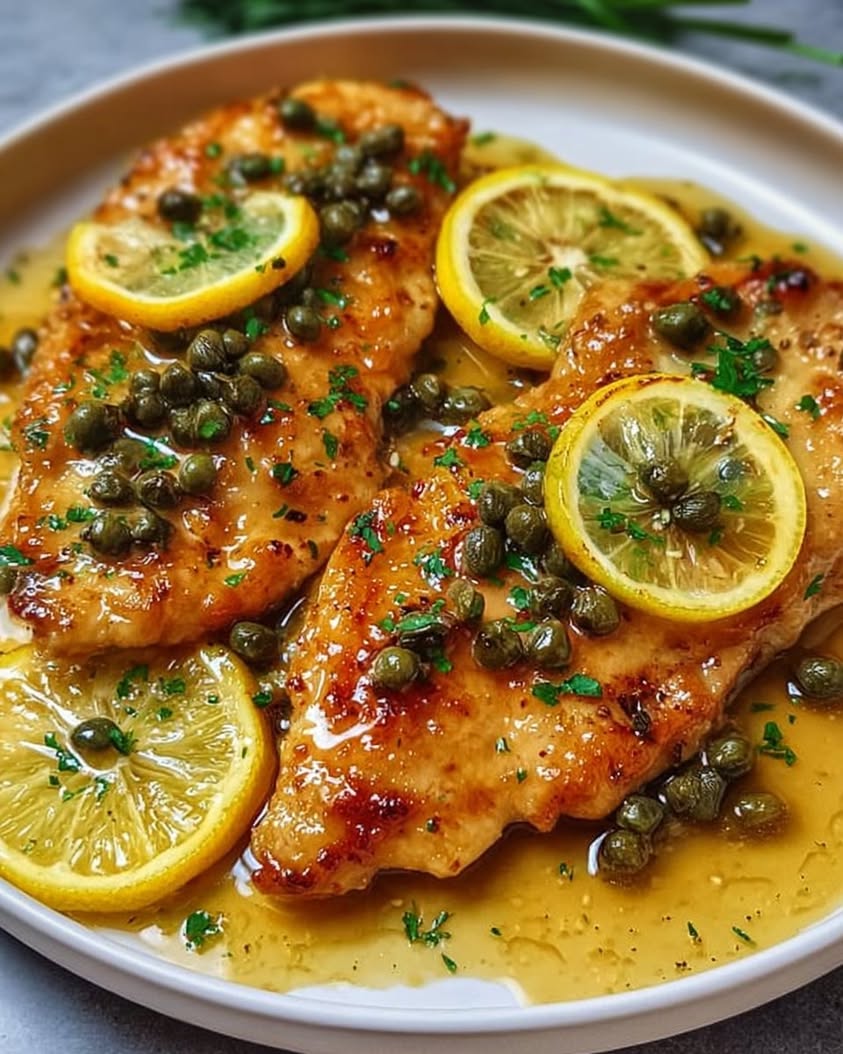
The Best Chicken Piccata with Lemon and Capers for Busy Weeknights
There is something magical about a dish that feels both elegant and effortless. The Best Chicken Piccata with Lemon and Capers for Busy Weeknights delivers exactly that experience. You get a restaurant-quality meal without spending hours in the kitchen. The bright citrus notes dance alongside the briny pop of capers. Meanwhile, the tender chicken breast soaks up a silky, buttery sauce that coats every bite. This recipe is my go-to when I need a quick dinner that still impresses my family or guests. The aroma alone will draw everyone to the table. Trust me when I say that one taste of this dish will make it a permanent part of your weekly rotation.
Preparing a flavorful dinner on a hectic evening often feels like a challenge. However, this recipe simplifies the process beautifully. You only need a handful of fresh ingredients and about thirty minutes of your time. The technique is straightforward, but the results are anything but basic. Each bite delivers a perfect balance of tangy, savory, and rich flavors. I love how the lemon juice cuts through the richness of the butter. The capers add a delightful burst of saltiness that elevates the entire dish. When you serve this meal, you will feel like a culinary rockstar with minimal effort involved.
The Best Chicken Piccata with Lemon and Capers for Busy Weeknights is more than just a quick dinner solution. It is a celebration of simple ingredients done right. The golden-brown chicken cutlets provide a satisfying crunch on the outside. The tender interior stays juicy and flavorful throughout the cooking process. Consequently, this dish works wonderfully for both family dinners and special occasions. You can easily double the recipe for a dinner party without any added stress. The bright, zesty sauce brings a refreshing energy to the table that everyone appreciates. Ultimately, this recipe proves that you do not need complex techniques to create unforgettable meals.
Quick Recipe Highlights
- Flavor Profile: The tangy lemon and salty capers create a bright and savory combination. The butter adds a luxurious richness that balances the acidity perfectly. You get a well-rounded taste that is both refreshing and indulgent.
- Texture: The chicken cutlets have a crisp, golden coating that gives way to tender, juicy meat. The silky sauce adds a smooth, velvety element to every forkful. Consequently, each bite offers a satisfying contrast between crunchy and soft textures.
- Aroma: The kitchen fills with the fragrant scent of fresh lemon and garlic. The sizzling butter and capers release a savory, inviting aroma. This combination signals a delicious meal that is almost ready to enjoy.
- Visual Appeal: The golden-brown chicken sits beautifully against the pale, glossy sauce. Bright green parsley and whole capers add pops of color and visual interest. The final presentation looks elegant and appetizing on any plate.
- Skill Level Needed: This recipe is perfect for beginner and intermediate cooks alike. The steps are straightforward and require no advanced culinary techniques. You only need basic kitchen skills to achieve excellent results every time.
- Special Equipment: A large skillet or frying pan is essential for this recipe. You will also need a meat mallet or rolling pin for flattening the chicken. Additionally, having a sharp knife and a cutting board makes preparation easier and safer.
Recipe Overview
- Difficulty Level: I rate this recipe as easy because the steps are simple and forgiving. You do not need any special cooking experience to succeed here. The main challenge is timing the chicken cooking correctly, but a meat thermometer helps. Overall, anyone can master this dish with a little attention and care.
- Category: This dish works beautifully as a main course for dinner. It also serves well for lunch when paired with a light salad. The versatility makes it a staple in many home kitchens across the country.
- Cuisine: Chicken Piccata has its roots in Italian-American culinary traditions. It draws inspiration from classic Italian cooking methods and flavor combinations. The use of lemon and capers reflects Mediterranean ingredients that are both fresh and vibrant. Over time, this dish has become a beloved comfort food in many American households.
- Cost: The ingredient list is affordable and uses items you likely already have. Chicken breast is reasonably priced at most grocery stores. Capers and lemons are inexpensive pantry staples. Therefore, this dish provides excellent value for the quality of the meal you create.
- Season: This recipe shines brightest during spring and summer months. The bright lemon flavors pair perfectly with fresh seasonal produce. However, the comforting nature of the dish also makes it welcome during colder seasons. You can enjoy this meal any time of year with equally satisfying results.
- Occasion: This recipe is ideal for quick weeknight dinners when time is limited. It also impresses guests at casual gatherings or dinner parties. The elegant presentation makes it suitable for romantic dinners or holiday celebrations. Essentially, this dish fits almost any occasion you can imagine.
Why You Will Love This Recipe
The taste and texture appeal of The Best Chicken Piccata with Lemon and Capers for Busy Weeknights is absolutely irresistible. The tangy lemon and briny capers create a flavor combination that awakens your taste buds. The butter adds a creamy richness that ties everything together beautifully. Therefore, each bite offers a perfect balance of bright and savory notes. The chicken itself stays incredibly tender and juicy. The light coating gives it a delicate crunch that contrasts with the silky sauce. Honestly, this dish tastes like something you would order at a fine Italian restaurant.
The convenience and preparation benefits of this recipe cannot be overstated. You can have dinner on the table in just thirty minutes from start to finish. Most of the ingredients are pantry staples that you probably already have on hand. The preparation involves simple steps like flattening chicken breasts and whisking a sauce. Consequently, you avoid complicated techniques or hard-to-find ingredients. This recipe saves you time without sacrificing flavor or quality. As a result, you can enjoy a homemade gourmet meal even on your busiest evenings. The cleanup is also minimal since you only need one skillet for the entire process.
The nutritional advantages of this dish make it a smart choice for health-conscious cooks. Chicken breast provides a lean source of protein that supports muscle health and satiety. The lemon juice adds a dose of vitamin C and antioxidants. Capers offer a low-calorie way to add big flavor without extra sodium. Additionally, you control the amount of butter and oil used in the sauce. Therefore, you can adjust the recipe to meet your dietary preferences easily. This meal keeps you feeling full and satisfied without weighing you down. It proves that healthy eating can be both delicious and convenient.
The social and entertaining value of this dish is truly remarkable. Serving The Best Chicken Piccata with Lemon and Capers for Busy Weeknights makes you look like a culinary expert. Guests will be impressed by the elegant presentation and bright flavors. The dish pairs wonderfully with a crisp white wine or sparkling water. You can easily double or triple the recipe to feed a crowd. The hands-off cooking time allows you to chat with guests while dinner finishes. Consequently, you can host a dinner party without spending the entire evening in the kitchen. This recipe helps you create memorable meals that bring people together.
The cost-effectiveness and accessibility of this recipe make it a practical choice for any budget. Chicken breast is one of the more affordable protein options at the grocery store. Lemons and capers cost very little but add enormous flavor. Butter and flour are pantry staples that most households already stock. Therefore, you can create an impressive meal without breaking the bank. This dish uses ingredients that are available at any supermarket. You do not need to visit specialty stores or order items online. The affordability means you can enjoy restaurant-quality food at a fraction of the price. Ultimately, this recipe proves that great meals do not have to cost a fortune.
Historical Background and Cultural Significance
The origin story of Chicken Piccata traces back to Italian culinary traditions. Piccata actually refers to a cooking method rather than a specific dish. The technique involves slicing meat thinly, dredging it in flour, and pan-frying it. Then you finish the dish with a sauce made from lemon, capers, and butter. This method likely originated in southern Italy where lemons and capers grow abundantly. Italian immigrants brought this cooking style to America in the early twentieth century. Consequently, the dish evolved and adapted to local tastes and available ingredients. Today, Chicken Piccata stands as a beloved classic in Italian-American cuisine.
The cultural importance of this dish extends beyond its humble ingredients. It represents the resourcefulness of Italian home cooks who created elegant meals from simple items. The combination of lemon and capers showcases the Mediterranean emphasis on fresh, bright flavors. This dish also reflects the Italian-American experience of blending old-world traditions with new-world ingredients. Many families pass down their Piccata recipes through generations. Therefore, cooking this dish connects you to a rich culinary heritage. It serves as a bridge between cultures and generations through the universal language of food.
The evolution of the recipe has seen many adaptations over the years. Traditional Italian Piccata used veal as the primary protein. However, American cooks began substituting chicken due to its availability and affordability. This change made the dish more accessible to home cooks across the country. The sauce has also seen variations with different proportions of lemon and capers. Some recipes add white wine or chicken broth for extra depth. Others include garlic or shallots for additional flavor complexity. Despite these changes, the core elements of lemon, capers, and butter remain constant. The dish continues to evolve while honoring its authentic roots.
Regional variations of Chicken Piccata exist throughout Italy and the United States. In southern Italy, cooks might use more lemon and less butter for a lighter sauce. Northern Italian versions sometimes incorporate cream for a richer texture. American versions often feature larger portions of chicken and more sauce. Some regions serve Piccata over pasta, while others prefer rice or vegetables. The flexibility of this dish allows it to adapt to local tastes and traditions. Consequently, you can find unique interpretations in every kitchen. This diversity keeps the dish exciting and relevant in modern home cooking.
Ingredient Deep Dive
Chicken breast holds cultural significance as a versatile and lean protein source. It became a staple in American kitchens during the health food movement of the 1980s. Nutritionally, chicken breast provides high-quality protein with minimal fat content. It also contains essential B vitamins that support energy metabolism. When selecting chicken breasts, look for plump, firm pieces without any discoloration. Organic or free-range options often have better flavor and texture. Store raw chicken in the refrigerator for up to two days. For longer storage, freeze chicken breasts for up to three months. If you need a substitute, turkey cutlets or pork tenderloin work wonderfully in this recipe.
Lemon juice offers vibrant acidity that brightens the entire dish. Lemons have been cultivated for thousands of years and originated in Asia. They hold cultural significance in Mediterranean cooking where they symbolize freshness and vitality. Nutritionally, lemons provide vitamin C and antioxidants that support immune health. When selecting lemons, choose ones that feel heavy for their size and have smooth skin. Store lemons at room temperature for up to a week or in the refrigerator for longer. Fresh lemon juice is always preferable to bottled versions for the best flavor. You can substitute lime juice or white wine vinegar if you need an alternative.
Capers bring a unique briny flavor that defines this dish. These unopened flower buds come from the caper bush native to the Mediterranean region. Capers have been used in cooking for centuries and add a distinctive savory element. Nutritionally, they are low in calories and provide small amounts of fiber and antioxidants. When buying capers, choose ones packed in brine rather than salt for better texture. Look for small, firm buds that hold their shape well. Store opened capers in their brine in the refrigerator for up to a year. You can substitute chopped olives or pickled green peppercorns if capers are unavailable.
Butter adds richness and body to the Piccata sauce. It has been a fundamental cooking fat in European cuisine for centuries. Butter contains fat-soluble vitamins like A, D, E, and K. When selecting butter, choose unsalted varieties to control the sodium level in your dish. European-style butter has higher fat content and creates a richer sauce. Store butter in the refrigerator for up to a month or freeze for longer storage. For a dairy-free option, use high-quality olive oil or vegan butter. The richness of butter balances the acidity of the lemon and saltiness of capers perfectly.
All-purpose flour serves as the coating for the chicken cutlets. It helps create a golden-brown crust while sealing in moisture during cooking. Flour has been a staple in baking and cooking for thousands of years. When selecting flour, choose unbleached all-purpose flour for the best texture. Store flour in an airtight container in a cool, dry place for up to a year. You can substitute gluten-free flour blends or almond flour for dietary needs. The flour coating also helps thicken the sauce as it cooks. Consequently, it plays a dual role in both texture and flavor development.
Garlic adds aromatic depth and savory richness to the sauce. It has been used in cooking and medicine for thousands of years. Garlic contains allicin, a compound linked to various health benefits. When selecting garlic, choose firm bulbs with tight, unbroken skin. Store garlic in a cool, dark place with good air circulation. Fresh garlic is always superior to pre-minced versions for flavor. If you need a substitute, shallots or onion powder can work. Garlic provides a subtle backbone that supports the brighter flavors in the dish.
Fresh parsley adds color and freshness as a finishing touch. It has been used as a culinary herb and garnish for centuries. Parsley contains vitamins A, C, and K along with antioxidants. When selecting parsley, look for bright green leaves without any wilting. Store fresh parsley in the refrigerator with stems in water for up to a week. Flat-leaf Italian parsley has better flavor than curly varieties. You can substitute fresh basil or chives for a different flavor profile. The parsley provides a clean finish that complements the tangy sauce beautifully.
Common Mistakes to Avoid
- Overcooking the chicken is a frequent error that leads to dry, tough meat. Use a meat thermometer to ensure the internal temperature reaches 165 degrees Fahrenheit. Remove the chicken from the pan as soon as it reaches the correct temperature.
- Using bottled lemon juice instead of fresh juice results in a flat, artificial flavor. Fresh lemon juice provides bright, natural acidity that elevates the entire dish. Always squeeze lemons just before using them for the best taste.
- Skipping the step of flattening the chicken breasts leads to uneven cooking. The thicker parts of the breast will be undercooked while thinner parts become dry. Pound the chicken to an even thickness of about half an inch for consistent results.
- Adding too much flour to the coating creates a gummy, pasty texture on the chicken. Use a light dusting that covers the surface without clumping. Shake off any excess flour before placing the chicken in the hot pan.
- Crowding the pan with too many chicken pieces prevents proper browning. The chicken will steam instead of searing, resulting in a pale, soft coating. Cook the chicken in batches if necessary to maintain space between pieces.
- Not allowing the pan to get hot enough before adding the chicken affects the crust. A properly heated pan creates an immediate sear that locks in moisture. Wait for the oil to shimmer before adding the first batch of chicken.
- Adding all the butter at once can cause it to burn before the sauce comes together. Add the butter gradually and stir constantly to create a smooth emulsion. This technique prevents the sauce from separating or becoming greasy.
- Forgetting to taste and adjust the seasoning before serving is a common oversight. The capers add saltiness, so you may need less additional salt. Always taste the sauce and adjust with more lemon or salt as needed.
- Using cold chicken straight from the refrigerator affects cooking time and evenness. Let the chicken sit at room temperature for about fifteen minutes before cooking. This step helps the chicken cook more evenly and quickly.
- Neglecting to rest the chicken after cooking causes the juices to run out when sliced. Let the chicken rest for a few minutes before serving to redistribute the juices. This simple step keeps the meat tender and moist.
Essential Techniques
Pounding the chicken breasts to an even thickness is crucial for this recipe. This technique ensures that the chicken cooks evenly and remains tender throughout. Place the chicken breast between two sheets of plastic wrap or parchment paper. Use a meat mallet or rolling pin to gently pound the thickest parts. Aim for a uniform thickness of about half an inch across the entire piece. A common pitfall is pounding too aggressively, which can tear the meat. Use gentle, even pressure to achieve the desired thickness without damaging the chicken. Visual cues for success include a consistent thickness and no visible thin spots or holes.
Dredging the chicken in flour properly creates that desirable golden-brown crust. The flour coating helps seal in moisture and provides a base for the sauce to cling to. Season the flour generously with salt and pepper before coating the chicken. Press the chicken lightly into the flour on both sides, then shake off any excess. A common mistake is leaving too much flour on the chicken, which becomes gummy during cooking. The coating should be thin and even, not thick and clumpy. Visual cues for success include a light, even dusting that adheres to the chicken without falling off. The flour will toast to a beautiful golden color during cooking.
Deglazing the pan after cooking the chicken is essential for building the sauce. This technique lifts the browned bits from the bottom of the pan, adding deep flavor. After removing the chicken, add the lemon juice and broth to the hot pan. Use a wooden spoon to scrape up all the browned bits as the liquid simmers. A common pitfall is using too little liquid, which fails to dissolve all the flavorful bits. Conversely, too much liquid dilutes the sauce and weakens the flavor. Visual cues for success include a clean pan bottom and a bubbling liquid that has reduced slightly. The resulting sauce should be glossy and slightly thickened.
Whisking in the butter at the end creates a silky, emulsified sauce. This technique adds richness and body without making the sauce greasy. Cut the butter into small pieces and add them one at a time to the simmering sauce. Whisk constantly to incorporate each piece before adding the next. A common mistake is adding the butter over high heat, which causes it to separate. Keep the heat low and steady to maintain the emulsion. Visual cues for success include a smooth, glossy sauce that coats the back of a spoon. The sauce should look uniform and creamy without any oily separation on the surface.
Pro Tips for Perfect Chicken Piccata
Always use a meat thermometer to check the internal temperature of the chicken. This tool removes the guesswork and prevents overcooking perfectly. The chicken is done when it reaches 165 degrees Fahrenheit in the thickest part.
Season the flour generously with salt, pepper, and a pinch of garlic powder. This simple step adds flavor to every bite of the chicken coating. The seasoning will also infuse the sauce as it cooks.
Pat the chicken breasts dry with paper towels before dredging them in flour. Excess moisture prevents the flour from adhering properly to the surface. Dry chicken creates a better crust and prevents steaming during cooking.
Use a combination of butter and olive oil for cooking the chicken. The olive oil can handle higher heat without burning while the butter adds flavor. This combination gives you the best of both fats for perfect results.
Add the capers to the sauce at the very end of cooking to preserve their texture. Cooking them too long makes them soft and less flavorful. A quick simmer keeps them plump and briny.
Finish the dish with a squeeze of fresh lemon juice just before serving. This final touch brightens the flavors and makes the sauce taste more vibrant. A little acidity at the end makes a big difference in the final dish.
Serve the chicken immediately after saucing to keep the coating crispy. The longer it sits, the softer the crust becomes. Plate and serve right away for the best texture and temperature.
Garnish with fresh parsley and lemon slices for a beautiful presentation. This simple addition adds color and visual appeal to the finished dish. It also signals freshness and care to everyone at the table.
Variations and Adaptations
Regional variations of this dish offer exciting ways to change the flavor profile. In some parts of Italy, cooks add white wine to the sauce for extra complexity. American versions sometimes include heavy cream to create a richer, more indulgent sauce. Southern-style Piccata might incorporate a touch of cayenne pepper for heat. Each variation maintains the core elements of lemon and capers while adding unique twists. You can explore these regional styles to find your favorite version. The flexibility of this recipe encourages experimentation and personalization.
Seasonal adaptations allow you to enjoy this dish throughout the year. During spring, serve the Piccata with fresh asparagus or peas on the side. Summer versions pair beautifully with heirloom tomatoes and fresh basil. Fall adaptations might include roasted butternut squash or sauteed mushrooms. In winter, serve the chicken over creamy polenta or mashed potatoes. The bright lemon flavor cuts through heavier winter vegetables beautifully. Adapting the side dishes to the season keeps the meal fresh and exciting all year long.
Dietary modifications make this recipe accessible to many different eating styles. For a gluten-free version, use almond flour or rice flour for the coating. Dairy-free cooks can substitute olive oil or vegan butter for the butter in the sauce. A low-carb adaptation skips the flour coating entirely and sears the chicken plain. For a lower-fat version, reduce the butter and use more chicken broth. These modifications maintain the essential flavor while accommodating dietary restrictions. The recipe adapts easily without losing its signature taste and appeal.
Flavor variations open up endless possibilities for creative cooking. Try adding fresh thyme or rosemary to the sauce for an herbal twist. A splash of white wine vinegar adds extra acidity that brightens the dish. For a smoky flavor, substitute smoked paprika for some of the flour in the coating. Add a pinch of red pepper flakes for a subtle heat that complements the capers. These small changes create entirely new flavor experiences while keeping the base recipe intact. Experimenting with flavors keeps the dish interesting and personalized.
Texture modifications change the mouthfeel and presentation of the dish. For a thicker, more substantial sauce, whisk in a small amount of cornstarch slurry. Alternatively, reduce the sauce longer for a more concentrated flavor. For extra crunch, use panko breadcrumbs mixed with the flour coating. You can also toast the capers in butter before adding them for a crispy texture. Adjusting the sauce and coating creates different textural experiences. This versatility makes the recipe adaptable to various preferences and occasions.
Presentation alternatives allow you to serve this dish in creative ways. Serve the chicken over a bed of al dente pasta for a hearty meal. For a lighter option, arrange the chicken on a bed of arugula or mixed greens. You can slice the chicken and fan it out on the plate for an elegant look. Spoon the sauce over the top and finish with fresh herbs and lemon slices. For a family-style presentation, arrange everything on a large platter. The dish remains delicious no matter how you choose to present it.
Serving and Presentation Guide
Plating techniques for Chicken Piccata can elevate the dining experience significantly. Start by placing the chicken breast slightly off-center on the plate. Spoon the sauce generously over the chicken, allowing it to pool around the edges. Use a clean cloth to wipe any drips from the plate rim for a polished look. The goal is to create height and visual interest on the plate. Layer the chicken with accompaniments like pasta or vegetables for dimension. Proper plating makes the dish look as good as it tastes.
Garnishing ideas add the final touch that makes your dish restaurant-worthy. Fresh parsley provides a bright green contrast against the golden chicken and pale sauce. Thin lemon slices arranged artistically add color and hint at the flavors. Whole capers scattered around the plate create visual texture and interest. A sprinkle of flaky sea salt just before serving adds both flavor and sparkle. These simple garnishes transform a simple dish into a visually stunning presentation. They also give your guests a preview of the delicious flavors to come.
Traditional accompaniments for Chicken Piccata include pasta, rice, or crusty bread. Angel hair pasta or linguine work beautifully to soak up the tangy sauce. Buttered egg noodles provide a rich, comforting base for the chicken. For a lighter option, serve the dish with steamed vegetables or a fresh salad. Crusty bread is perfect for sopping up every last drop of the delicious sauce. These accompaniments complete the meal and make it satisfying. Choose your favorite based on the occasion and your personal preferences.
Modern serving suggestions offer fresh ways to enjoy this classic dish. Serve the chicken over creamy polenta for a contemporary twist. Quinoa or farro provide a nutty, wholesome alternative to traditional pasta. For a low-carb option, serve the chicken over sauteed spinach or zucchini noodles. You can also slice the chicken and serve it in a warm wrap with fresh greens. These modern approaches keep the dish relevant and exciting. They also accommodate different dietary preferences and lifestyle needs.
Temperature considerations are important for the best dining experience. Serve the chicken immediately after cooking while it is still hot and crispy. The sauce should be hot and bubbling when you spoon it over the chicken. If you need to hold the dish, keep the chicken and sauce separate until serving. Reheat the sauce gently and pour it over the chicken just before plating. Cold or lukewarm chicken loses its appeal and texture significantly. Proper temperature ensures that every bite is as delicious as intended.
Portion control tips help you serve the right amount for your guests. A standard serving size is one chicken breast per person for a main course. For heartier appetites, you can serve one and a half breasts per person. If serving with substantial sides like pasta, one breast per person is usually sufficient. For children or lighter eaters, half a breast works well. Adjust portion sizes based on the rest of your menu and your guests preferences. Proper portioning ensures everyone leaves the table satisfied without excess waste.
Wine and Beverage Pairing
Wine pairings for Chicken Piccata enhance the bright lemony flavors of the dish. A crisp Pinot Grigio from Italy complements the acidity and lightness of the sauce. Sauvignon Blanc offers herbal notes that pair beautifully with the capers. For a slightly richer option, try an unoaked Chardonnay that does not overpower the chicken. The key is to choose a wine with good acidity to match the lemon. These white wines cleanse the palate between bites and refresh the flavor experience. A well-chosen wine elevates the entire meal to a new level of enjoyment.
Non-alcoholic alternatives provide delicious options for everyone at the table. Sparkling water with a squeeze of fresh lemon mimics the bright acidity of the dish. A lemon and herb infused sparkling water adds flavor without sugar or calories. For a more festive option, try a non-alcoholic sparkling wine or cider. Iced tea with a hint of lemon also pairs wonderfully with the dish. These beverages keep the meal inclusive and enjoyable for all guests. They also cleanse the palate and complement the flavors without competing.
Coffee and tea pairings offer unique ways to enjoy this dish at different times. A light and floral green tea complements the lemony notes beautifully. For a more robust pairing, try a chamomile or lemon verbena herbal tea. If serving the dish for a special occasion lunch, a crisp black tea works well. The tea should be light and not overly strong to avoid overpowering the chicken. These pairings provide a warm, comforting beverage option that rounds out the meal. They also offer a caffeine alternative to those who prefer not to drink wine.
Temperature considerations for beverages matter as much as for the food itself. White wines should be served chilled but not ice-cold to preserve their flavors. Sparkling water should be well-chilled with plenty of ice for maximum refreshment. Hot tea should be served at a comfortable drinking temperature. The goal is to have the beverage temperature complement the hot dish. A well-chosen beverage at the right temperature enhances the overall dining experience. Pay attention to temperature to ensure everything comes together harmoniously.
Serving suggestions for beverages help you create a cohesive dining experience. Offer the wine or beverage of choice as guests arrive to set a welcoming tone. Pour a fresh glass with the main course to pair with the flavors of the dish. For non-alcoholic options, present them in nice glassware to make everyone feel special. Consider offering both alcoholic and non-alcoholic options to accommodate all guests. The thoughtful beverage service shows care and attention to detail. It also enhances the meal and makes the experience more memorable.
Storage and Shelf Life
Proper storage methods ensure your leftover Chicken Piccata stays delicious and safe to eat. Allow the chicken and sauce to cool completely before storing them. Transfer the leftovers to an airtight container to prevent moisture loss and odor absorption. Store the chicken and sauce together or separately, depending on your preference. Refrigerate the leftovers within two hours of cooking to prevent bacterial growth. Properly stored, the dish will maintain its best quality for up to three days. Always use clean utensils when handling the leftovers to avoid contamination.
Temperature requirements are critical for keeping your leftovers safe and tasty. Your refrigerator should maintain a consistent temperature of 40 degrees Fahrenheit or below. Never leave the dish at room temperature for more than two hours total. If you are transporting the leftovers, use a cooler with ice packs. Reheat the chicken to an internal temperature of 165 degrees Fahrenheit before serving. Proper temperature management prevents foodborne illness and preserves flavor. Pay close attention to these guidelines to ensure food safety.
Container recommendations help maintain the quality of your leftovers effectively. Glass containers with tight-fitting lids work well for storing the chicken and sauce. They do not absorb odors and allow you to see the contents easily. Avoid using metal containers, as the acidic sauce can react with the metal. Plastic containers are acceptable but can stain and absorb odors over time. For best results, use containers that are just large enough to hold the leftovers. Minimizing air space helps prevent the chicken from drying out during storage.
Signs of spoilage indicate when it is time to discard your leftovers. A sour or off smell is a clear sign that the dish has gone bad. Any visible mold growth on the chicken or sauce means you should throw it away. Changes in texture, such as slime or excessive dryness, also indicate spoilage. If the sauce has separated significantly or looks watery, it may be past its prime. When in doubt, remember the old rule of thumb and discard any questionable leftovers. Trust your senses to determine if the food is still safe to eat.
Reheating instructions help you enjoy leftovers that taste almost as good as the original. The best method is to reheat the chicken gently in a skillet over medium-low heat. Add a splash of chicken broth or lemon juice to refresh the sauce. Cover the pan with a lid to trap steam and prevent the chicken from drying out. Microwave reheating works in a pinch but can make the coating soggy. For best results, reheat only the portion you plan to eat immediately. Proper reheating preserves the texture and flavor of the original dish.
Freezing guidelines allow you to extend the shelf life of this dish significantly. Chicken Piccata freezes well for up to three months when stored properly. Place the cooled chicken and sauce in a freezer-safe container or heavy-duty freezer bag. Remove as much air as possible before sealing to prevent freezer burn. Label the container with the date and contents for easy identification. Thaw the frozen dish overnight in the refrigerator before reheating. Freezing may slightly affect the texture of the coating, but the flavor remains excellent.
Make Ahead Strategies
A prep timeline helps you organize your cooking for maximum efficiency. The day before serving, you can pound the chicken breasts and season the flour coating. Store the prepped chicken in the refrigerator covered with plastic wrap. You can also squeeze the lemon juice and measure out the capers ahead of time. On the day of serving, the actual cooking takes only about twenty minutes. This timeline reduces stress and allows you to enjoy the cooking process. Strategic prep work makes this dish even more convenient for busy schedules.
Storage between steps requires attention to food safety and quality considerations. Keep the raw pounded chicken in the refrigerator until you are ready to cook it. Do not leave the seasoned flour mixture at room temperature for extended periods. The lemon juice and capers can sit at room temperature for a few hours. However, refrigerate any leftover sauce or cooked chicken promptly after serving. Proper storage between steps prevents spoilage and maintains food safety. Plan your timeline to minimize the time ingredients spend outside the refrigerator.
Quality impact assessment helps you decide which steps to do ahead. Pounding the chicken a day ahead does not affect the final texture negatively. However, coating the chicken in flour ahead of time can make it gummy. Therefore, wait to dredge the chicken until just before cooking. The sauce is best made fresh while the chicken cooks. Making the sauce ahead and reheating it can affect the emulsion and texture. Consider which elements benefit from advance preparation and which taste best fresh.
Assembly tips make the final cooking process smooth and efficient. Have all your ingredients measured and ready before you start cooking. Set up a dredging station with seasoned flour, the pounded chicken, and a plate for the coated pieces. Keep the capers, lemon juice, and butter within easy reach of the stove. This mise en place approach ensures you do not scramble for ingredients mid-cooking. Proper setup reduces cooking time and prevents mistakes during the process. The organization makes the twenty-minute cook time feel effortless and enjoyable.
Reheating guidelines for make-ahead components help maintain quality. If you made the sauce ahead, reheat it gently in a small saucepan over low heat. Whisk in a tablespoon of cold butter to refresh the emulsion if needed. Reheat the cooked chicken in a skillet with a little broth to prevent drying. Avoid using the microwave for reheating, as it can make the coating rubbery. For best results, reheat components separately and combine them just before serving. This approach preserves the texture and flavor of each element.
Fresh element additions before serving bring the dish back to life. Add a final squeeze of fresh lemon juice to brighten the flavors. Garnish with freshly chopped parsley for color and freshness. A sprinkle of flaky sea salt just before serving adds texture and flavor. If the sauce has thickened during storage, thin it with a splash of broth or water. These fresh touches make the reheated dish taste almost as Print
Chicken Piccata with Lemon & Capers
- Total Time: 30 minutes
- Yield: 4
Description
Classic Italian-American chicken piccata featuring tender pan-seared cutlets in a bright lemon and caper butter sauce.
Ingredients
- 2 boneless skinless chicken breasts (halved horizontally)
- 1/2 cup all-purpose flour
- 1/2 teaspoon salt
- 1/4 teaspoon black pepper
- 2 tablespoons olive oil
- 2 tablespoons unsalted butter
- 1/3 cup chicken broth
- 1/4 cup fresh lemon juice
- 1/4 cup capers, drained
- 2 tablespoons chopped fresh parsley
- Lemon slices for garnish
Instructions
- Place chicken between two sheets of plastic wrap and pound to 1/4-inch thickness. Season with salt and pepper.
- Dredge chicken in flour, shaking off excess.
- Heat oil and 1 tablespoon butter in a large skillet over medium-high heat. Cook chicken 3 minutes per side until golden and cooked through. Transfer to a plate.
- Add broth, lemon juice, and capers to skillet. Bring to a simmer, scraping up browned bits. Cook 2 minutes.
- Reduce heat to low, whisk in remaining 1 tablespoon butter until melted. Return chicken to pan, spoon sauce over, and heat through.
- Sprinkle with parsley and serve with lemon slices.
Notes
You can customize the seasonings to taste.
- Prep Time: 15 minutes
- Cook Time: 15 minutes
- Method: Main
- Cuisine: Italian-American