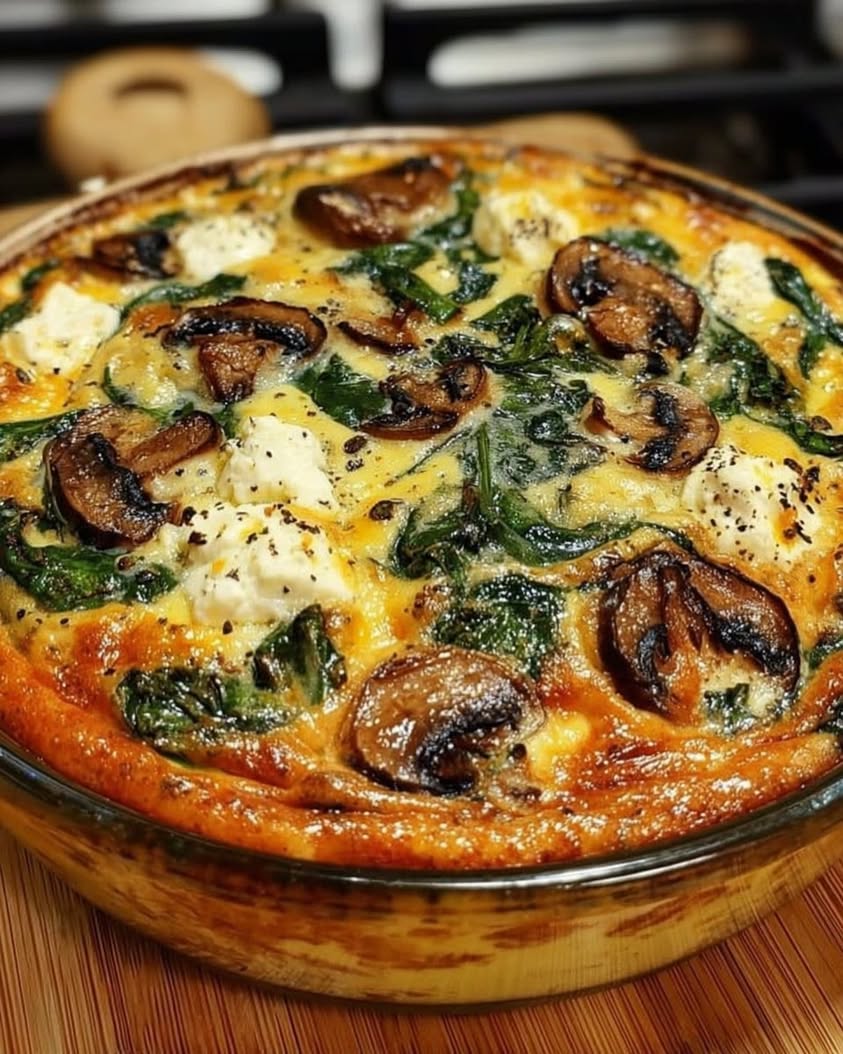
The Best Low-Carb Classic Spinach and Feta Mushroom Quiche Recipe: A Crustless Delight for Every Meal
Imagine slicing into a warm, golden-brown quiche that releases a gentle steam rich with the aroma of sautéed mushrooms and wilted spinach. The best low-carb classic spinach and feta mushroom quiche recipe delivers exactly that experience without a single speck of flour or butter in a crust. This crustless quiche holds its shape beautifully, offering a satisfying slice that feels both indulgent and wholesome. The combination of creamy eggs, tangy feta, earthy mushrooms, and tender spinach creates a flavor profile that works for breakfast, brunch, lunch, or even a light dinner. Many people worry that removing the crust might leave them feeling unsatisfied, but this version proves that a crustless quiche can be just as hearty and delicious as its traditional counterpart.
This crustless quiche is also a nutritional powerhouse that fits perfectly into a low-carb or keto lifestyle. Each serving provides a generous amount of protein and healthy fats while keeping carbohydrates impressively low. The best low-carb classic spinach and feta mushroom quiche recipe uses simple, everyday ingredients that you likely already have in your refrigerator and pantry. You will appreciate how quickly the preparation comes together, especially on busy weeknights or when you need to feed a crowd without spending hours in the kitchen. The quiche works well for meal prepping because you can make it ahead of time and enjoy slices throughout the week. Whether you serve it with a simple side salad for lunch or pair it with roasted vegetables for dinner, this quiche adapts to any occasion with ease and grace.
Quick Recipe Highlights
- Flavor Profile: The savory egg base provides a neutral canvas that allows the earthy mushrooms and slightly bitter spinach to shine. The tangy feta cheese adds a bright, salty note that cuts through the richness of the eggs and cream. A hint of garlic and onion powder rounds out the flavors without overwhelming the natural taste of the vegetables.
- Texture: This quiche features a firm yet tender egg custard that slices cleanly without crumbling. The mushrooms offer a soft, almost meaty bite while the spinach adds a subtle chewiness. The feta remains in small, creamy pockets throughout the quiche, providing pleasant bursts of saltiness in every forkful.
- Aroma: The moment you take this quiche out of the oven, you will notice the inviting scent of roasted mushrooms and melted cheese. The egg custard releases a comforting, almost buttery fragrance even though the recipe uses no butter. The subtle earthiness of spinach and the tang of feta complete the aromatic profile that makes this dish so irresistible.
- Visual Appeal: A golden-brown top with slight browning around the edges signals a perfectly baked quiche. You will see small green flecks of spinach distributed throughout the yellow custard, along with darker mushroom pieces that add visual contrast. The quiche puffs slightly during baking and settles into a flat, even surface that looks impressive on any table.
- Skill Level Needed: This recipe requires only basic knife skills for chopping vegetables and whisking eggs. You need no special baking experience because the crustless format eliminates the common challenges of blind baking or rolling dough. Anyone with a standard oven and a mixing bowl can achieve excellent results on their first attempt.
- Special Equipment: You need a 9-inch pie dish or a similar shallow baking dish to create the classic quiche shape. A good skillet helps you sauté the mushrooms and wilt the spinach evenly before adding them to the egg mixture. A whisk and a mixing bowl are the only other tools you will need for this straightforward recipe.
Recipe Overview
- Difficulty Level: This quiche earns an easy rating because the instructions involve only basic cooking techniques like sautéing and whisking. The crustless format removes the most intimidating step of traditional quiche making, which is preparing and pre-baking a pastry crust. Even novice cooks can follow the simple steps and produce a beautiful, restaurant-quality quiche on their first try. The forgiving nature of this recipe means minor ingredient swaps or measurement adjustments will still yield excellent results.
- Category: This dish fits comfortably into breakfast, brunch, and lunch categories because of its egg-based foundation and vegetable inclusions. It also works wonderfully as a light dinner when served alongside a fresh green salad or a bowl of soup. Many people use this quiche as a centerpiece for spring brunches, Easter gatherings, or Mother’s Day celebrations. The flexibility of serving temperature makes it suitable for both hot meals and cold lunchboxes.
- Cuisine: This quiche draws inspiration from classic French cuisine, where egg-based tarts have been a staple for centuries. The addition of feta cheese gives it a Mediterranean twist that brightens the flavor profile and adds a tangy note. The combination of spinach and mushrooms appears in many European cuisines, with Greek and Italian variations being particularly popular. This recipe respects the traditional quiche format while adapting it for modern dietary preferences and ingredient availability.
- Cost: The ingredients for this quiche are budget-friendly and widely available at any grocery store. Eggs, spinach, and mushrooms cost relatively little, especially if you buy them in bulk or when they are in season. Feta cheese can be a bit more expensive, but a small amount goes a long way in this recipe. The total cost for a full quiche that serves six people will likely fall under 10 dollars, making it an economical choice for feeding a family.
- Season: Spinach and mushrooms are available year-round in most grocery stores, making this quiche a viable option in any season. However, the quiche shines in spring and early summer when fresh spinach is abundant and tender. Mushrooms also peak in flavor during the fall months, when wild varieties become available at farmers markets. The lightness of a crustless quiche makes it more appropriate for warmer months than heavy, pastry-laden versions.
- Occasion: This quiche works beautifully for casual family dinners, but it also elevates fancier gatherings like bridal showers and holiday brunches. The elegant presentation requires no special plating skills because the quiche looks stunning directly from the baking dish. You can serve it at potlucks and picnics because it travels well and tastes delicious at room temperature. The quiche also makes an excellent choice for a make-ahead breakfast that you can prepare the night before a busy morning.
Why You Will Love This Recipe
The taste and texture of this crustless quiche will surprise you with how satisfying it feels despite the absence of a traditional crust. The egg custard bakes into a firm yet delicate structure that yields easily to a fork without becoming dry or rubbery. The mushrooms add a savory depth that complements the mild sweetness of the sautéed spinach. Each bite delivers a pleasant interplay between the creamy egg base and the tangy bursts of feta cheese. You will find yourself reaching for second servings because the flavor combination is so balanced and comforting. The crustless format actually enhances the eating experience by eliminating the distraction of a heavy pastry shell that sometimes overwhelms the filling.
Convenience and preparation benefits make this recipe a standout choice for anyone with a busy lifestyle. You can have the quiche assembled and in the oven within 15 minutes of starting your prep work. The recipe requires no complicated techniques like tempering eggs or blind baking a crust. You can easily prep the vegetables ahead of time and store them in the refrigerator until you are ready to bake. The quiche bakes unattended for about 35 minutes, giving you time to prepare a side dish or set the table. Cleanup is also minimal because you use only a skillet, a mixing bowl, and a pie dish.
Nutritional advantages are a major reason why the best low-carb classic spinach and feta mushroom quiche recipe has become so popular among health-conscious cooks. Each serving contains a substantial amount of protein from the eggs and cheese, which helps keep you feeling full and satisfied for hours. The healthy fats from the eggs and full-fat dairy support brain function and hormone balance while keeping your energy levels stable. The spinach provides a good dose of iron, vitamin K, and antioxidants that support overall health and immune function. The low carbohydrate content makes this quiche suitable for people following keto, paleo, or low-carb dietary plans.
Social and entertaining value is another compelling reason to add this quiche to your recipe collection. The quiche presents beautifully without requiring any special garnishes or plating techniques, making it ideal for hosting. You can bake it in advance and serve it at room temperature, which reduces stress during party preparations. The crustless format also makes it easier for guests with dietary restrictions to enjoy a slice without worrying about gluten or heavy carbs. The quiche appeals to both adults and children, so you can serve it at family gatherings without needing separate options for different age groups. Your guests will likely ask for the recipe after tasting how delicious and satisfying this crustless quiche can be.
Cost-effectiveness and accessibility round out the many reasons to love this recipe. The ingredients are all available at standard grocery stores, and you probably already have many of them in your kitchen. The relatively low cost per serving makes this quiche an excellent option for budget-conscious families who still want to eat well. You can easily scale the recipe up or down depending on how many people you need to feed. The leftovers keep well in the refrigerator for several days, providing quick meals that require no additional preparation. This recipe truly delivers maximum flavor and nutrition for a minimal investment of time and money.
Historical Background and Cultural Significance
The quiche has a long and storied history that begins in the medieval kingdom of Lothringen, which is now the Lorraine region of France. The original quiche Lorraine was an open-faced pie made with bread dough and filled with a mixture of eggs, cream, and smoked bacon. This rustic dish was created by German-speaking bakers who settled in the region and brought their tradition of savory egg tarts with them. Over time, the recipe evolved to include a pastry crust instead of bread dough, making it closer to the quiche we know today. The name quiche itself comes from the German word kuchen, which simply means cake. The dish remained relatively obscure outside of northeastern France until the mid-20th century.
The cultural importance of quiche grew significantly after World War II, when American soldiers returning from Europe brought back a taste for French cuisine. Quiche became a symbol of sophisticated entertaining during the 1970s and 1980s, when it appeared regularly on brunch menus and dinner party tables across the United States. The famous quiche Lorraine set the standard, but creative cooks soon began experimenting with endless variations using different cheeses, vegetables, meats, and herbs. The crustless quiche emerged as a modern adaptation that catered to changing dietary preferences and a desire for lighter, lower-carb options. This evolution demonstrates how traditional recipes can adapt to contemporary needs while still honoring their origins.
The evolution of the quiche reflects broader changes in cooking culture and nutritional awareness over the past century. Early quiche recipes used heavy cream, butter-laden pastry, and generous amounts of bacon or ham, making them quite rich and calorie-dense. As people became more conscious of health and nutrition, cooks began experimenting with lighter versions that used milk instead of cream and added more vegetables. The crustless quiche represents the culmination of this trend toward healthier eating without sacrificing flavor or satisfaction. Modern quiche recipes often feature seasonal vegetables, alternative milks, and creative ingredient combinations that would have seemed unusual to the original bakers in Lorraine. The adaptability of quiche has ensured its continued popularity across generations and cultures.
Regional variations of quiche have developed all over the world, each reflecting local tastes and available ingredients. In Greece, spanakopita-inspired quiches use feta cheese, spinach, and dill in a phyllo-based crust rather than traditional pastry. Italian frittatas share many similarities with crustless quiches, though they typically start on the stovetop and finish under the broiler rather than baking entirely in the oven. Japanese quiches often incorporate ingredients like edamame, shiitake mushrooms, and dashi for a unique umami flavor profile. American regional variations include Southwestern quiches with green chiles and pepper jack cheese, or Pacific Northwest versions featuring smoked salmon and cream cheese. This diversity demonstrates how a simple concept can inspire countless creative interpretations while remaining unmistakably recognizable as quiche.
Ingredient Deep Dive
Eggs form the foundation of any quiche, and their cultural significance stretches back thousands of years across virtually every civilization. Ancient Romans used eggs in custards and savory dishes similar to modern quiches, while medieval European cooks added eggs to pies and tarts for richness and binding. Nutritionally, eggs provide complete protein containing all nine essential amino acids, along with choline for brain health and lutein for eye health. When selecting eggs for your quiche, look for ones with clean, uncracked shells and a firm yolk that stands tall when cracked into a bowl. Store eggs in their original carton in the coldest part of the refrigerator, where they will stay fresh for up to five weeks past their pack date. If you need an egg substitute for dietary reasons, silken tofu blended with a bit of nutritional yeast can mimic the binding properties of eggs in this recipe.
Spinach carries a rich history that began in ancient Persia, where it was cultivated and prized for its health benefits long before it spread to other parts of the world. Traders and travelers brought spinach to China in the 7th century and to Europe by the 12th century, where it became a staple in both peasant kitchens and royal courts. This leafy green provides impressive amounts of iron, calcium, vitamin K, and antioxidants that support bone health and reduce inflammation. When shopping for spinach, choose bunches with dark green, unwilted leaves and avoid any that show signs of yellowing or sliminess. Store fresh spinach in a sealed bag with a paper towel to absorb excess moisture, and use it within three to five days for the best quality. Frozen spinach works perfectly in this recipe and often provides more consistent results because it has already been blanched and drained.
Mushrooms add an earthy, umami depth that elevates this quiche from simple to sublime. Humans have foraged and cultivated mushrooms for thousands of years, with ancient Egyptians considering them a delicacy reserved for royalty. Modern cultivation techniques have made mushrooms affordable and available year-round, with cremini and white button mushrooms being the most common varieties. Mushrooms are unique among vegetables because they contain ergothioneine, a powerful antioxidant that supports cellular health and may reduce the risk of chronic disease. Look for mushrooms that feel firm and dry to the touch, with caps that are closed around the stem rather than open and flat. Store unwashed mushrooms in a paper bag in the refrigerator, where they will keep for about a week before becoming slimy or wrinkled. If you cannot find fresh mushrooms, rehydrated dried porcini or shiitake mushrooms can provide an even more intense flavor.
Feta cheese contributes the tangy, salty notes that make this quiche so distinctive and memorable. This brined curd white cheese has been produced in Greece for thousands of years, with the earliest recorded references dating back to Homer’s Odyssey. Traditional Greek feta is made from sheep’s milk or a combination of sheep and goat milk, giving it a rich, creamy texture and a sharp, salty flavor. Feta contains beneficial probiotic bacteria that support digestive health, along with calcium and phosphorus for strong bones. When buying feta, look for blocks stored in brine rather than pre-crumbled packages, as the brine keeps the cheese moist and flavorful. Store feta in its brine in an airtight container in the refrigerator, where it will stay fresh for up to a month. If you need a dairy-free alternative, crumbled firm tofu marinated in lemon juice and salt can mimic the tangy flavor and crumbly texture of feta.
Common Mistakes to Avoid
- Overcooking the quiche until the eggs become dry and rubbery can ruin the silky custard texture that makes quiche so appealing. The quiche is done when the center jiggles slightly when you gently shake the pan, similar to the consistency of Jell-O. Remove the quiche from the oven at this point because the carryover heat will finish cooking it through as it cools.
- Under-seasoning the egg mixture leads to a bland quiche that fails to excite your taste buds. Eggs need a generous amount of salt to bring out their natural flavor, so do not be shy with your seasoning. Remember that feta cheese adds saltiness, but the eggs and vegetables still need additional seasoning to taste their best.
- Skipping the step of squeezing water from the wilted spinach creates a watery quiche that will not set properly. Frozen spinach especially contains a lot of excess water that needs to be thoroughly squeezed out before adding it to the egg mixture. Use your hands or a clean kitchen towel to press out as much liquid as possible from the cooked spinach.
- Adding the raw mushrooms directly to the egg mixture without sautéing them first results in a soggy, bland quiche. Sautéing the mushrooms concentrates their flavor and removes excess moisture that would otherwise water down the custard. Cook the mushrooms until they release their liquid and it evaporates, leaving them browned and fragrant.
- Using low-fat or non-dairy milk substitutes can produce a watery, less flavorful custard that fails to set properly. Full-fat heavy cream or half-and-half provides the richness and stability needed for a perfectly textured quiche. The fat content also helps carry the flavors of the other ingredients throughout the custard.
- Cutting into the quiche immediately after removing it from the oven causes the custard to collapse and become runny. Allow the quiche to rest for at least 10 minutes after baking so the eggs have time to set completely. This resting period also makes it easier to slice clean portions without the filling spilling out.
- Overfilling the pie dish with the egg mixture leaves no room for the quiche to puff and expand during baking. Fill the dish only about three-quarters full to allow for some rising without overflowing. Any extra filling can be baked in a separate ramekin for a personal-size quiche.
- Not greasing the pie dish thoroughly causes the crustless quiche to stick and tear when you try to remove the first slice. Use butter, cooking spray, or oil to coat every surface of the dish, including the sides and the bottom. A well-greased dish ensures clean slices and easy cleanup after serving.
Essential Techniques
Sautéing the mushrooms properly is crucial for developing the deep, savory flavor that makes this quiche so satisfying. Heat a skillet over medium-high heat and add a small amount of oil or butter before adding the mushrooms in a single layer without overcrowding the pan. The mushrooms will initially release liquid, and you must continue cooking until that liquid evaporates and the mushrooms begin to brown. This process, called caramelization, concentrates the natural sugars and creates complex flavor compounds that you cannot achieve with raw or steamed mushrooms. Watch for the mushrooms to shrink significantly and develop golden-brown edges as a visual cue that they are ready. If you hear a sizzling sound when you add the mushrooms, you have the pan hot enough to achieve proper browning without steaming them.
Whisking the eggs and cream together correctly creates the emulsion that gives quiche its signature silky texture. Start by cracking the eggs into a large bowl and whisking them vigorously until the yolks and whites are completely combined and slightly frothy. Slowly drizzle in the cream while continuing to whisk, which helps incorporate air and creates a smooth, uniform mixture. Season the egg mixture with salt, pepper, and any dried herbs at this stage rather than adding them later, as this allows the seasonings to distribute evenly throughout the custard. Avoid over-whisking once the cream is incorporated, as too much air can cause the quiche to puff up excessively during baking and then collapse. The finished mixture should look homogeneous and slightly thickened, with no visible streaks of egg white or cream.
Baking the quiche at the correct temperature and for the appropriate time ensures a custard that is set but still creamy and tender. Preheat your oven to 375 degrees Fahrenheit and place the quiche on the middle rack for even heat distribution. The quiche needs about 30 to 35 minutes of baking time, but you should start checking for doneness at the 25-minute mark. Insert a knife near the center of the quiche and it should come out clean when the quiche is fully cooked. The edges of the quiche will appear firm and slightly puffed while the center retains a gentle jiggle when you shake the pan. Remember that the quiche will continue to cook from residual heat after you remove it from the oven, so it is better to under-bake slightly than to over-bake.
Pro Tips for Perfect Classic Spinach and Feta Mushroom Quiche
For a more intense mushroom flavor, use a mix of cremini, shiitake, and oyster mushrooms rather than sticking to just one variety. Each mushroom type brings a different texture and flavor nuance that adds complexity to the final dish. Sauté each mushroom variety separately if you want to control the degree of browning for each one.
Toast some pine nuts or slivered almonds in a dry skillet and sprinkle them over the top of the quiche before serving for a pleasant crunch. The nuts add a textural contrast that makes each bite more interesting and satisfying. The nutty flavor also complements the earthy mushrooms and tangy feta beautifully.
Let the sautéed spinach cool slightly before adding it to the egg mixture to prevent the heat from cooking the eggs prematurely. Hot spinach can cause the eggs to begin setting before the quiche even reaches the oven, resulting in a denser texture. Spread the cooked spinach on a plate while you prepare the other ingredients to speed up the cooling process.
Use room temperature eggs and cream for a smoother, more evenly cooked custard that bakes faster and more consistently. Cold ingredients can shock the mixture and lead to uneven cooking, where the edges overcook before the center sets. Take the eggs and cream out of the refrigerator about 30 minutes before you start cooking.
Press the spinach firmly into a sieve or wrap it in a clean kitchen towel to extract every drop of excess moisture before adding it to the egg mixture. Even a small amount of extra water can make the custard watery and prevent it from setting properly. You will be surprised at how much liquid comes out of seemingly dry spinach.
Add a pinch of nutmeg to the egg mixture for a subtle warmth that enhances the earthy flavors of the mushrooms and spinach. Nutmeg has a long tradition in egg dishes and cream sauces because its aromatic notes complement dairy and vegetables without overpowering them. Use freshly grated nutmeg for the best flavor, as pre-ground nutmeg loses its potency quickly.
Grate the feta cheese instead of crumbling it if you want a more even distribution of salty, tangy flavor throughout the quiche. Grated feta melts more smoothly into the custard and creates fewer large pockets of cheese. Use the large holes of a box grater for the best results.
Variations and Adaptations
Regional variations of this quiche reflect the diverse culinary traditions that have embraced the concept of egg-based tarts. In the American Southwest, a popular variation adds roasted green chiles, cumin, and pepper jack cheese for a spicy kick that complements the mild flavors of the spinach and mushrooms. Mediterranean versions often incorporate sun-dried tomatoes, Kalamata olives, and fresh oregano for a brighter, more herbaceous profile. French cooks might include leeks, Gruyere cheese, and a splash of white wine for a more refined, elegant quiche that pairs beautifully with a crisp green salad. Each regional adaptation maintains the basic structure of eggs, cream, and vegetables while shifting the flavor profile to match local preferences and available ingredients.
Seasonal adaptations allow you to enjoy this crustless quiche throughout the year by swapping in vegetables that are at their peak. In the spring, substitute fresh asparagus, peas, and chives for the spinach, and use goat cheese instead of feta for a milder, creamier result. Summer versions can feature zucchini, bell peppers, and cherry tomatoes that bring sweetness and color to the quiche. Fall adaptations might use roasted butternut squash, caramelized onions, and sage for a warming, comforting dish that celebrates autumn harvests. Winter versions can incorporate hearty greens like kale or Swiss chard along with roasted root vegetables for a filling, nutritious meal that brightens cold, dark days.
Dietary modifications make this quiche accessible to people with various food allergies and preferences without sacrificing flavor or texture. For a dairy-free version, use unsweetened coconut cream combined with a tablespoon of nutritional yeast in place of the heavy cream, and substitute firm tofu marinated in lemon juice for the feta cheese. A gluten-free label is naturally achieved with this crustless format, but you should also check that your seasonings and any additional ingredients are certified gluten-free. The recipe is already low in carbohydrates, but you can reduce the carb count further by using only egg whites instead of whole eggs and replacing the cream with almond milk thickened with a small amount of xanthan gum. These adaptations maintain the essential character of the quiche while meeting specific dietary requirements.
Serving and Presentation Guide
Plating this crustless quiche with care transforms it from a simple everyday dish into an impressive centerpiece for any meal. Use a sharp knife to cut clean slices, wiping the blade between cuts to maintain neat edges that show off the layers of filling. Place each slice on a warmed plate to prevent the quiche from cooling too quickly and losing its appealing texture. For a more elegant presentation, use a spatula to lift the entire quiche onto a serving platter and garnish it with fresh herbs before slicing at the table. The quiche maintains its attractive appearance even when served directly from the baking dish, so do not stress about having the perfect serving equipment.
Garnishing ideas range from simple and rustic to elaborate and refined, depending on the occasion and your personal style. A light sprinkle of fresh herbs like parsley, chives, or dill adds a pop of color and a fresh flavor contrast to the rich custard. For a more substantial garnish, arrange a small handful of microgreens or arugula next to each slice and drizzle with a simple vinaigrette. Edible flowers like nasturtiums or pansies create a stunning presentation for spring brunches and special celebrations. A dollop of crème fraiche or a spoonful of tomato concasse on top of each slice adds both visual appeal and complementary flavors.
Wine and Beverage Pairing
The best wine pairings for this quiche complement the earthy mushrooms and tangy feta without overwhelming the delicate egg custard. A crisp Sauvignon Blanc from the Loire Valley or New Zealand offers bright acidity that cuts through the richness of the eggs and cream. A lightly oaked Chardonnay from California brings buttery notes that match the texture of the custard while the subtle oak adds complexity. For red wine lovers, a Pinot Noir from Oregon or Burgundy provides enough body to stand up to the mushrooms without overpowering the dish. Serve all wines slightly chilled rather than at room temperature to refresh the palate between bites and enhance the overall dining experience.
Non-alcoholic alternatives provide equally satisfying options for those who prefer not to drink wine with their meal. A sparkling water with a squeeze of lemon or lime offers a clean, palate-cleansing effect that works beautifully with the quiche. Herbal teas like chamomile or mint served hot or iced provide a soothing complement to the savory flavors of the dish. For a festive non-alcoholic option, mix pomegranate juice with sparkling water and a sprig of rosemary for a sophisticated mocktail that looks as good as it tastes. A simple glass of iced tea with a slice of lemon remains a classic pairing that never disappoints.
Storage and Shelf Life
Proper storage methods ensure that your leftover quiche remains safe to eat and retains its appealing texture for several days. Allow the quiche to cool completely at room temperature before covering it with plastic wrap or aluminum foil. Refrigerate the covered quiche within two hours of baking to prevent bacterial growth and maintain food safety. The quiche will stay fresh in the refrigerator for up to four days, though the texture will gradually soften as moisture migrates from the vegetables into the custard. For the best eating experience, consume leftovers within the first two days after baking.
Reheating instructions vary depending on whether you prefer a single slice or the entire quiche for a second meal. For individual slices, place them on a microwave-safe plate and heat on medium power for 30 to 45 seconds until warmed through. For larger portions or the whole quiche, reheat in a 350-degree Fahrenheit oven for about 10 minutes, which restores the crispy edges and warm center without drying out the custard. Avoid reheating the quiche in the microwave for more than one minute at a time, as excessive microwave heat can make the eggs rubbery and tough. If you plan to serve the quiche cold, let it sit at room temperature for 15 minutes before slicing to improve the texture and flavor.
Make Ahead Strategies
Planning ahead for this quiche can save you valuable time on busy mornings or when hosting a brunch gathering. You can prepare the sautéed mushrooms and wilted spinach up to two days in advance and store them in separate containers in the refrigerator. The egg and cream mixture can be whisked together and refrigerated for up to 24 hours before baking, though you should whisk it again briefly before pouring it into the pie dish. You can assemble the entire quiche up to 12 hours ahead of time, cover it with plastic wrap, and bake it fresh the next morning. The assembled but unbaked quiche needs an extra five to seven minutes of baking time to account for the cold ingredients.
The quality impact of make-ahead preparation is minimal when you follow proper storage guidelines and adjust baking times accordingly. The vegetables maintain their flavor and texture well when stored separately from the egg mixture, which prevents them from becoming soggy. The custard mixture can separate slightly during refrigeration, but a quick whisk just before baking restores its smooth consistency. Baked quiche actually benefits from resting for several hours or overnight because the flavors meld together and become more harmonious. The texture remains excellent for up to two days after baking, making this an ideal recipe for weekend meal prepping.
Scaling Instructions
Halving the recipe for a smaller household or a single serving requires adjusting the baking time and dish size to maintain proper cooking. Use a 6-inch pie dish or a 4-cup baking dish and reduce the baking time to about 20 to 25 minutes, checking for doneness early. The ingredient proportions remain the same, but you need to halve each component carefully using precise measurements. If you are scaling down for just one or two servings, consider making the full recipe and freezing individual portions for quick meals later. The smaller quiche will cool faster and may need a slightly lower oven temperature to prevent the edges from overcooking before the center sets.
Doubling or tripling the recipe for a crowd or a large gathering requires some adjustments to your equipment and baking strategy. Use a 9-by-13-inch baking dish or two separate 9-inch pie dishes instead of trying to fit all the filling into one oversized dish. The baking time for a larger quiche will increase by about 10 to 15 minutes, and you should start checking for doneness at the 40-minute mark. You will need a larger skillet to sauté the mushrooms and spinach in batches, as overcrowding the pan will cause steaming instead of browning. The increased volume of custard may require an extra egg or two to maintain the proper texture, so add the eggs one at a time until the mixture reaches the desired consistency.
Nutritional Deep Dive
The macro breakdown of this quiche makes it an excellent choice for anyone following a low-carb or keto dietary plan. Each serving contains approximately 12 grams of protein from the eggs and cheese, which supports muscle maintenance and keeps you feeling full between meals. The fat content comes primarily from the eggs and full-fat cream, providing about 18 grams of healthy fats that support hormone function and nutrient absorption. The carbohydrate content remains impressively low at around 5 grams per serving, with most of those carbs coming from the vegetables. This macronutrient profile makes the quiche a satisfying meal that helps maintain stable blood sugar levels throughout the day.
Micronutrient analysis reveals that this quiche provides substantial amounts of several vitamins and minerals that support overall health. The spinach contributes a significant dose of vitamin K, which is essential for blood clotting and bone health, along with vitamin A for eye health and immune function. Mushrooms are one of the few natural food sources of vitamin D, especially if you expose them to sunlight before cooking. The eggs provide choline, a nutrient that supports brain function and memory, as well as lutein and zeaxanthin for eye health. Feta cheese adds calcium and phosphorus for strong bones and teeth, along with B vitamins that support energy metabolism. This nutrient density makes the quiche a smart choice for anyone looking to maximize their nutritional intake.
Dietary Adaptations
For a gluten-free version, this crustless quiche already qualifies because it contains no wheat, flour, or gluten-containing ingredients. However, you should double-check that your spices, seasonings, and any packaged ingredients are certified gluten-free to avoid cross-contamination. The recipe naturally avoids the need for gluten-free flour blends or special thickeners, making it one of the easiest gluten-free dishes to prepare. If you are serving guests with celiac disease, use separate utensils and cutting boards that have not come into contact with gluten. The quiche pairs beautifully with gluten-free crackers or a side salad for a complete meal that everyone can enjoy safely.
A dairy-free adaptation requires a few thoughtful substitutions to maintain the creamy texture and tangy flavor of the original recipe. Replace the heavy cream with full-fat coconut cream or a mixture of unsweetened almond milk and a tablespoon of nutritional yeast for richness. Substitute the feta cheese with crumbled firm tofu that has been marinated in a mixture of lemon juice, salt, and a pinch of garlic powder for at least 30 minutes. The resulting quiche has a slightly different flavor profile but remains delicious and satisfying. Add an extra egg to help with binding, as the dairy-free alternatives may not provide the same structural support as dairy products. Your dairy-free guests will appreciate the care you took to create an inclusive dish that does not taste like a compromise.
Troubleshooting Guide
If your quiche turns out watery after baking, the most likely cause is excess moisture from the vegetables that was not properly removed. Next time, squeeze Print
Classic Spinach & Feta Crustless Mushroom Quiche
- Total Time: 50 minutes
- Yield: 6
Description
A light and savoury crustless quiche with fresh spinach, earthy mushrooms, and tangy feta cheese. Perfect for breakfast, brunch, or a quick dinner.
Ingredients
- 1 tbsp olive oil
- 1 small onion, chopped
- 2 cloves garlic, minced
- 8 oz mushrooms, sliced
- 5 oz fresh spinach
- 6 large eggs
- 1 cup milk (whole or 2%)
- 4 oz crumbled feta cheese
- 1/2 cup shredded mozzarella cheese
- 1/4 tsp salt
- 1/4 tsp black pepper
- 1/4 tsp dried oregano (optional)
Instructions
- Preheat oven to 375°F (190°C) and lightly grease a 9-inch pie dish.
- In a large skillet, heat olive oil over medium heat. Add onion and garlic, sauté until fragrant, about 2 minutes.
- Add mushrooms and cook 5–6 minutes until golden and most liquid has evaporated.
- Add spinach; cook 2–3 minutes until wilted. Remove from heat and let cool slightly.
- In a medium bowl, whisk eggs, milk, salt, pepper, and oregano until well combined.
- Spread the cooked vegetables evenly in the prepared pie dish. Sprinkle with feta and mozzarella.
- Pour the egg mixture over the top, making sure to cover all ingredients.
- Bake 30–35 minutes or until the center is set and the top is lightly golden. Let cool 5 minutes before slicing.
Notes
You can customize the seasonings to taste. Add extra herbs like thyme or rosemary for more depth. For a lactose-free option, use vegan cheese and unsweetened plant milk.
- Prep Time: 15 minutes
- Cook Time: 35 minutes
- Method: Main
- Cuisine: American