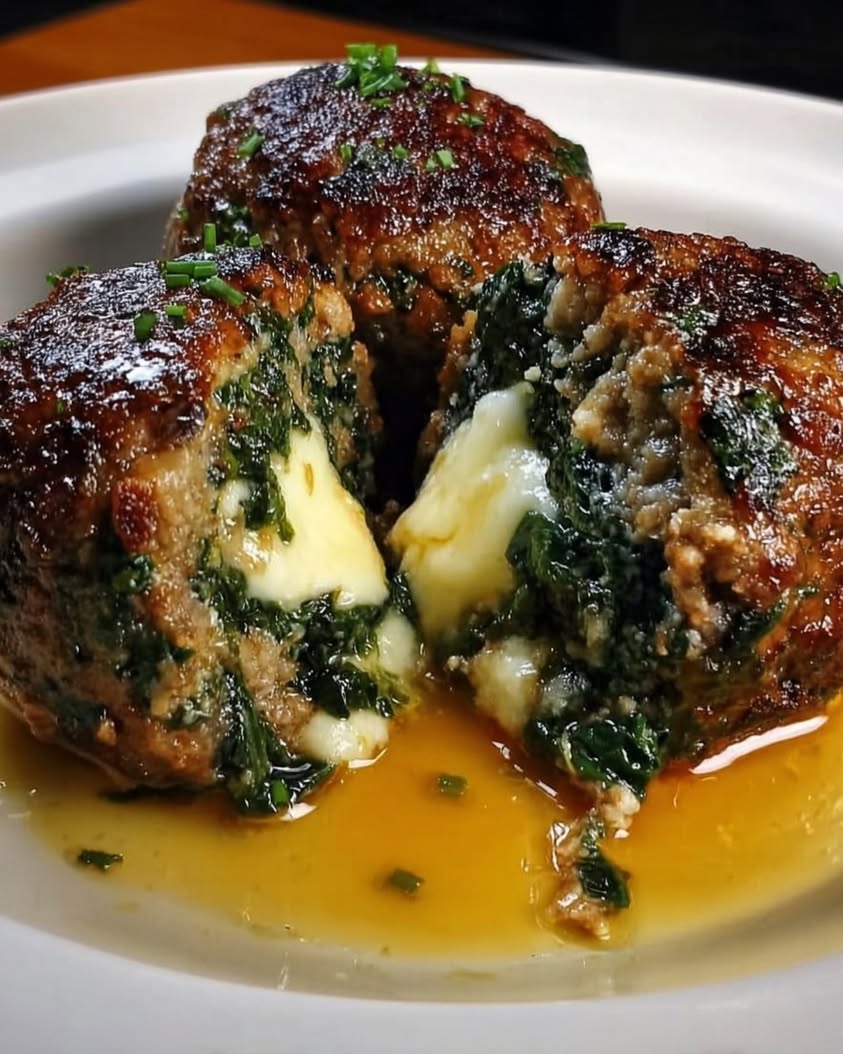
Spinach Garlic Meatballs Stuffed with Mozzarella: The Ultimate Comfort Dish
Imagine biting into a perfectly seasoned meatball only to discover a molten, stretchy core of mozzarella cheese waiting inside. That is exactly the experience these Spinach Garlic Meatballs Stuffed with Mozzarella deliver every single time. This recipe transforms a classic comfort food into something truly special, combining the earthy richness of fresh spinach with the sharp, aromatic punch of garlic. The result is a juicy, flavorful meatball that surprises and delights with every bite.
These Spinach Garlic Meatballs Stuffed with Mozzarella are not just another dinner option. They represent a perfect balance of textures and flavors, from the savory exterior to the creamy, melted center. Furthermore, this recipe is designed for real life, which means it is straightforward enough for a weeknight meal yet impressive enough to serve at a dinner party. You will find that the ingredients work together harmoniously, creating a dish that feels both indulgent and wholesome.
Besides the incredible taste, these meatballs offer a wonderful sense of accomplishment. The process of forming the meatballs around a cube of cheese is enjoyable and rewarding. As the meatballs bake or simmer in sauce, the anticipation builds, and the aroma that fills your kitchen is absolutely irresistible. This dish captures the essence of home cooking, bringing warmth and satisfaction to your table with minimal fuss.
Quick Recipe Highlights
- The flavor profile is a rich combination of savory ground meat, sweet and earthy spinach, and pungent garlic. The melted mozzarella adds a milky, creamy counterpoint that balances the savory notes perfectly.
- Texture is a key highlight, featuring a tender, moist meatball on the outside and a gooey, soft cheese center. This contrast creates a dynamic and satisfying mouthfeel that keeps you coming back for more.
- The aroma during cooking is deeply inviting, with the scent of garlic and herbs mingling with the rich smell of browning meat. As the cheese melts, it releases a subtle, creamy fragrance that completes the sensory experience.
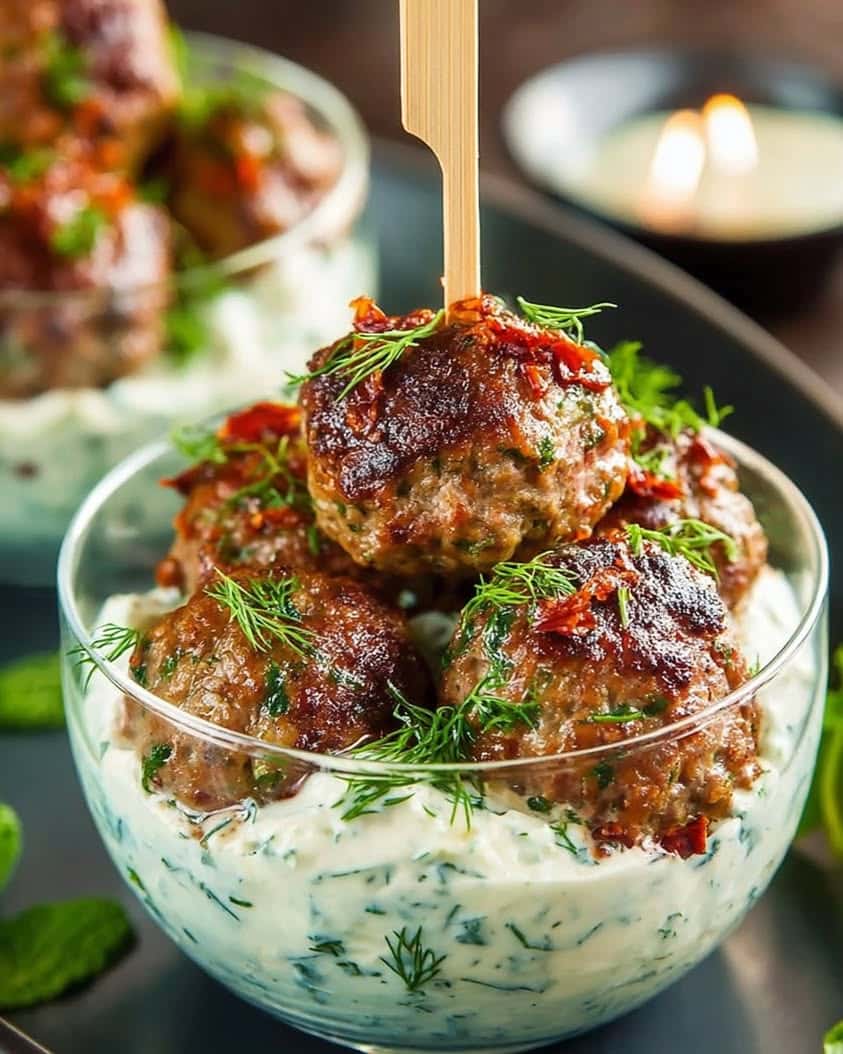
- Visual appeal is striking, as the golden-brown meatballs contrast beautifully with a vibrant tomato sauce. Cutting into one reveals the hidden, glossy cheese stretch, making for a stunning presentation.
- This recipe requires a medium skill level, primarily because of the stuffing technique. However, with a little patience, even novice cooks can master it successfully.
- No special equipment is necessary, though a cookie scoop helps ensure uniform meatball sizes. A baking sheet lined with parchment paper makes cleanup effortless.
Recipe Overview
- Difficulty Level is set at medium, primarily because stuffing the meatballs requires a gentle hand and some practice. You must encase the cheese completely to prevent leakage during cooking. That being said, the rest of the process is very straightforward, making this a great next-step recipe for those expanding their cooking skills. The reward of a perfectly gooey center is well worth the extra attention.
- This dish falls under the category of appetizer or main course, depending on how you serve it. As an appetizer, these meatballs are a fantastic party food that guests will rave about. As a main dish, they pair beautifully with pasta, crusty bread, or a simple salad, creating a hearty and satisfying meal.
- The cuisine is rooted in Italian-American traditions, where meatballs are a staple of comfort food. However, this recipe adds a modern twist by incorporating spinach and a hidden cheese center. This evolution reflects a trend toward elevating classic dishes with fresh, vibrant ingredients while maintaining their comforting soul.
- The cost is moderate and very budget-friendly. Ground meat, spinach, and garlic are inexpensive staples, and mozzarella is a reasonably priced cheese. Using fresh ingredients keeps the cost low, and most items are likely already in your pantry. This makes the recipe an excellent option for delicious meals without breaking the bank.
- This recipe shines in the fall and winter months when a warm, hearty meal is most welcome. The rich flavors and comforting cheese center are perfect for cold-weather gatherings. However, the lightness of the spinach makes it a versatile choice year-round, especially when served with a fresh side salad in the summer.
- These meatballs are perfect for a cozy family dinner, a casual get-together with friends, or a festive holiday appetizer. They also work wonderfully for meal prep, as they reheat beautifully. Whether you are feeding a crowd or just yourself, these meatballs adapt to any occasion with ease.
Why You Will Love This Recipe
The taste and texture of these Spinach Garlic Meatballs Stuffed with Mozzarella are simply unmatched. You get the savory, herb-infused flavor of the meatball itself, which is kept incredibly moist by the spinach. Then, you experience the surprise of the warm, melted mozzarella that stretches with each pull. This combination of juicy meat and creamy cheese creates a luxurious mouthfeel that elevates the dish far beyond a standard meatball. It is a truly satisfying experience that feels both familiar and excitingly new.
Convenience is a major advantage of this recipe, despite the stuffing step. The preparation is straightforward, and the ingredients list is short and accessible. You can prepare the meatballs ahead of time and refrigerate them, making dinner assembly a breeze. Moreover, they cook quickly, either baked in the oven or simmered in your favorite sauce. This makes them a realistic option for busy weeknights when you want something special without spending hours in the kitchen.
From a nutritional standpoint, these meatballs offer several benefits. The spinach provides a healthy dose of iron, vitamins, and fiber, which helps balance the richness of the meat and cheese. Using lean ground meat, such as turkey or chicken, further reduces the fat content. Consequently, you can enjoy a decadent, cheesy meal that also contributes to your daily vegetable intake. It is a clever way to incorporate more greens into your diet in a delicious, non-intimidating form.
These meatballs are also a fantastic choice for social gatherings and entertaining. They are a guaranteed crowd-pleaser, appealing to both adults and children. Their small, round shape makes them perfect for serving on toothpicks as a party appetizer. Additionally, the hidden cheese center is a delightful surprise that sparks conversation and admiration. Serving these meatballs shows your guests that you put thought and care into their dining experience.
Finally, this recipe is incredibly cost-effective and uses accessible ingredients. You do not need any exotic or expensive items to create this impressive dish. Ground meat, spinach, garlic, and mozzarella are all readily available at any grocery store. This affordability means you can enjoy gourmet-style meatballs without the high price tag. It is a testament to the fact that the best cooking often comes from simple, well-combined ingredients.
Historical Background and Cultural Significance
The meatball itself has a long and storied history, with versions found in cuisines across the globe. The Italian version, or polpette, likely originated as a way to stretch expensive meat by combining it with breadcrumbs, eggs, and cheese. This resourceful cooking method was essential for Italian families, turning small amounts of meat into a filling meal. The tradition of rolling meat into balls is ancient, but the Italian adaptation evolved into the iconic dish we recognize today.
In Italian culture, meatballs hold a special place as a symbol of home, family, and comfort. They are often associated with Sunday sauces, simmering for hours and filling the house with a warm, inviting aroma. While Italian meatballs are typically smaller and served without sauce, the Italian-American version became larger and was served with spaghetti. This adaptation in the United States reflects the immigrant experience, where traditional recipes were modified with available ingredients and new tastes.
The addition of spinach to meatballs is a more recent evolution, driven by a desire for healthier and more flavorful dishes. Spinach adds moisture, color, and a subtle earthy taste that complements the meat beautifully. Likewise, stuffing meatballs with cheese is a trend that elevates the humble meatball into a restaurant-quality dish. This innovation shows how classic comfort food can be reinvented for modern palates while respecting its roots.
Regional variations of stuffed meatballs exist in many cuisines. For instance, Swedish meatballs are often served with a creamy sauce, and Middle Eastern kofta are spiced with fragrant herbs. The key combination of garlic and spinach is particularly popular in Mediterranean cooking. This recipe draws on that tradition, creating a fusion that is both familiar and globally inspired. It demonstrates how a simple dish can evolve, adapt, and be enjoyed across different cultures.
Ingredient Deep Dive
Garlic is a cornerstone of global cuisine, valued for its pungent flavor and numerous health benefits for thousands of years. In this Spinach Garlic Meatballs Stuffed with Mozzarella, garlic provides a sharp, aromatic base that infuses the entire dish. Nutritionally, garlic is known for its immune-boosting properties and compounds that may support heart health. When selecting garlic, look for firm, plump bulbs with tight, unbroken skin. Store it in a cool, dark, dry place, and avoid refrigeration. For this recipe, fresh garlic is essential, as pre-minced versions lack the same potency and aroma.
Spinach is a nutrient-dense leafy green that adds color, moisture, and a mild earthy flavor to the meatballs. It is packed with iron, calcium, vitamins A and C, and antioxidants. Culturally, spinach has been a staple in Mediterranean, Indian, and Middle Eastern cuisines for centuries. For this recipe, use fresh spinach and wilt it down before chopping. This removes excess water, preventing the meatballs from becoming soggy. You can substitute frozen spinach, but be sure to thaw it completely and squeeze out all the liquid. Store fresh spinach in a sealed bag in the refrigerator with a paper towel to absorb moisture.
Mozzarella is the star of the hidden core, providing a creamy, mild flavor and that signature stretch. Fresh mozzarella, often sold in water, is the best choice for stuffing because of its high moisture content and superior melting qualities. It melts into a soft, gooey center that contrasts perfectly with the meat. Nutritionally, mozzarella is a good source of protein and calcium. When selecting it, look for a ball that is springy to the touch and has a milky, not sour, smell. Store it in its liquid in the refrigerator and use it within a few days of opening. If you use low-moisture mozzarella, it will not melt as smoothly.
Ground meat is the foundation of the meatball, and your choice affects the flavor and texture. Ground beef (80/20) provides rich flavor and moisture, but ground turkey or chicken are leaner options. A blend of pork and beef is also excellent, offering a balance of juiciness and taste. When selecting ground meat, check the sell-by date and ensure the package is cold. The meat should have a fresh, clean smell. Store it in the coldest part of your refrigerator and use it within one to two days. For best results, let the meat come to room temperature for 15 minutes before mixing, which helps it combine evenly.
Common Mistakes to Avoid
- Using raw spinach directly in the meat mixture is a common error. This adds too much water, making the meatballs soggy and difficult to shape. Always wilt and squeeze the spinach dry first.
- Overmixing the meatball mixture leads to tough, dense meatballs. Mix just until the ingredients are combined, and handle the mixture gently to keep the meatballs tender.
- Failing to seal the cheese inside the meatball is a frequent problem. If the mozzarella is exposed, it will leak out during cooking, leaving you with a hollow center. Ensure the meat completely encases the cheese cube.
- Using breadcrumbs that are too coarse can make the meatballs dry and crumbly. Use fine, unseasoned breadcrumbs or panko for best results, and adjust the amount based on the moisture level of your mixture.
- Not chilling the formed meatballs before cooking is a mistake. Chilling them for at least 15 minutes helps them hold their shape and prevents the cheese from leaking too quickly.
- Cooking the meatballs at too high a temperature will brown the outside before the inside is cooked through. Bake at 400 degrees Fahrenheit or simmer gently in sauce to ensure even cooking.
- Using pre-grated mozzarella for stuffing is a bad idea. It does not melt into a smooth, gooey center like fresh mozzarella. Always use fresh, block-style mozzarella for the best texture.
- Skipping the resting time after cooking is a missed opportunity. Let the meatballs rest for five minutes before serving. This allows the juices to redistribute and the cheese to set slightly, preventing burns.
Essential Techniques
Wilting spinach is a crucial first step that ensures your meatballs have the right texture. Place the fresh spinach in a hot pan with a splash of water or a drizzle of oil. Cover it and let it steam for about two minutes until it has wilted completely. Then, transfer the spinach to a colander and press it firmly with the back of a spoon to remove excess liquid. Finally, chop the wilted spinach finely so it integrates evenly into the meat mixture. This process removes moisture, preventing the meatballs from becoming waterlogged and ensuring they hold together perfectly.
Stuffing the meatball is the signature technique of this recipe and requires a gentle touch. Start by taking a portion of the meat mixture and flattening it into a disc in your palm. Place a cube of fresh mozzarella in the center of the disc. Then, carefully fold the edges of the meat over the cheese, completely sealing it inside. Roll the meatball gently between your palms to form a smooth, round shape. Ensure there are no cracks or openings where the cheese can escape. This technique creates that wonderful, gooey surprise in every bite.
Baking the meatballs is a clean and efficient cooking method. Preheat your oven to 400 degrees Fahrenheit and line a baking sheet with parchment paper. Place the stuffed meatballs on the sheet, leaving space between each one. Bake for 15 to 20 minutes, or until the meatballs are cooked through and golden brown on the outside. For an extra touch, you can broil them for the last two minutes to add a deeper color. This method allows the cheese to melt beautifully without the risk of the meatballs breaking apart in a sauce.
Simmering the meatballs in sauce is another excellent option that builds layers of flavor. After browning the meatballs in a skillet, pour your favorite marinara sauce over them. Reduce the heat to a low simmer, cover the pan, and cook for about 15 minutes. The meatballs will finish cooking in the sauce, absorbing its flavors while remaining incredibly moist. This technique also helps to create a richer, more cohesive dish. The sauce will thicken slightly and become infused with the savory juices from the meatballs.
Pro Tips for Perfect Spinach Garlic Meatballs Stuffed with Mozzarella
For the most flavorful meatballs, consider sauteing the garlic in a little olive oil before adding it to the mixture. Raw garlic can be harsh, but sauteing it for just 30 seconds tames its pungency and brings out a sweet, nutty flavor. This small step makes a big difference in the final taste.
To ensure the cheese stays perfectly centered, freeze the mozzarella cubes for about 10 minutes before stuffing. This simple trick makes the cheese less likely to melt too quickly during the initial cooking phase, giving the meatball time to set and seal around it.
Use a light touch when forming the meatballs. Overpacking or pressing them too firmly will result in a dense, tough texture. Gently roll the mixture into a ball, just enough to hold it together, and let the natural moisture of the ingredients create a tender crumb.
Always taste your meat mixture before forming all the meatballs. Cook a small patty in a skillet and taste it to check the seasoning. This allows you to adjust the salt, pepper, or herbs before committing to the entire batch, ensuring perfectly seasoned meatballs every time.
Do not overcrowd the baking sheet or skillet. Leaving space between each meatball ensures that they brown evenly and develop a nice crust. If they are too close together, they will steam instead of brown, resulting in a paler, less appealing exterior.
Let the meatballs rest for a few minutes after cooking. This crucial step allows the internal temperature to stabilize and the cheese to set slightly. Cutting into them immediately will cause the cheese to run out, but a short rest keeps that gooey goodness contained until you bite into it.
Variations and Adaptations
Regional variations of this recipe are easy to create by changing the herbs and spices. For a Greek twist, add dried oregano and mint to the meat mixture and use feta cheese instead of mozzarella. A Middle Eastern version might include cumin, coriander, and a pinch of cinnamon, served with a yogurt sauce. These adaptations transform the core recipe into a completely new culinary experience, showcasing how versatile a simple meatball can be.
Seasonal adaptations allow you to use what is fresh and available. In the spring, substitute the spinach with fresh, chopped asparagus or peas for a brighter flavor. In the summer, you can add fresh basil and diced zucchini to the mixture. Fall and winter call for incorporating roasted butternut squash or finely chopped kale. These changes keep the recipe exciting and aligned with the best produce of each season.
Dietary modifications are straightforward for this recipe. To make it gluten-free, use gluten-free breadcrumbs or almond flour as a binder and ensure all other ingredients are certified gluten-free. For a dairy-free version, simply omit the mozzarella cheese, or use a dairy-free cheese alternative that melts well. These changes allow those with dietary restrictions to enjoy this delicious dish without compromise.
Flavor variations are endless and fun to explore. You can add red pepper flakes for a spicy kick, or sun-dried tomatoes for a tangy, concentrated sweetness. For a more herbaceous profile, mix in fresh parsley, basil, or chives. A splash of Worcestershire sauce or a pinch of smoked paprika adds depth and complexity. These simple additions let you customize the meatballs to your exact taste preferences.
Texture modifications can change the mouthfeel of the meatballs. For a finer, more uniform texture, pulse the mixture briefly in a food processor. For a chunkier texture, chop the spinach and garlic more coarsely and leave the meat less finely ground. You can also add finely chopped mushrooms for an earthy, umami boost that also increases moisture. These adjustments allow you to tailor the texture to your liking.
Presentation alternatives make this recipe suitable for any occasion. Serve the meatballs on a platter with toothpicks as a party appetizer, or place them over a bed of creamy polenta for a rustic main course. For a more elegant presentation, arrange them on a plate with a drizzle of balsamic glaze and a sprinkle of fresh parsley. The versatility of the dish ensures it always looks as good as it tastes.
Serving and Presentation Guide
Plating these meatballs beautifully is simple and enhances the dining experience. For a main course, place a generous serving of marinara sauce on the plate, then arrange three to four meatballs on top. This allows the sauce to pool around the meatballs while keeping them visible. For an appetizer, serve them on a small plate or in a bowl with a side of warm marinara for dipping. The visual contrast between the red sauce and the golden meatballs is very appealing.
Garnishing ideas add the finishing touch to your dish. A sprinkle of fresh chopped parsley or basil adds a pop of green color and a fresh, herbal note. A light dusting of grated Parmesan cheese over the top provides a salty, nutty flavor and a touch of elegance. For a bit of heat, add a pinch of red pepper flakes. These small additions make the dish look more polished and flavorful.
Traditional accompaniments for these meatballs include spaghetti or other pasta, but they also shine with crusty bread for dipping. A side of roasted vegetables, such as broccoli or zucchini, adds a healthy element and rounds out the meal. A simple green salad with a lemon vinaigrette balances the richness of the meatballs and cheese perfectly.
Modern serving suggestions include using the meatballs in a sub sandwich for a hearty lunch, or slicing them and serving them over a bowl of creamy risotto. They can also be tucked into a wrap with fresh greens and a tahini sauce for a different twist. These versatile applications make the meatballs a star player in many different dishes.
Temperature considerations are important for the best eating experience. Serve the meatballs hot, right after the resting period, to enjoy the gooey cheese at its peak. If they cool down too much, the cheese will become less stretchy and more solid. Keep them warm in a low oven if you are serving them in stages, but avoid keeping them there for too long.
Portion control tips help you serve the right amount. For a main course, plan for three to four meatballs per person. For an appetizer, two to three meatballs per person is usually sufficient. If you are serving them as part of a larger buffet, one to two per person is a good guideline. Using a cookie scoop to form the meatballs ensures uniform size and helps with portioning.
Wine and Beverage Pairing
Wine pairings for these meatballs are a delight to explore. A medium-bodied red wine like Chianti or Sangiovese is a classic choice, as its acidity cuts through the richness of the meat and cheese. A fruit-forward Zinfandel also works wonderfully, complementing the garlic and herbs. For a lighter option, a Barbera offers bright cherry flavors that match the tomato sauce beautifully.
Non-alcoholic alternatives are equally enjoyable. A deep, rich sparkling water with a squeeze of lemon or lime provides a refreshing palate cleanser. A good quality, unsweetened iced tea with a hint of mint is another excellent choice. For a more festive feel, try a non-alcoholic red or white wine, which mimics the complexity of the real thing without the alcohol.
Coffee and tea pairings are less traditional but can work well for a comforting meal. A robust, dark roast coffee with a touch of bitterness can stand up to the savory flavors of the meatballs. A bold black tea, such as English Breakfast or Assam, also provides a strong flavor that complements the dish. These pairings are perfect if you are serving the meatballs for a casual lunch or brunch.
Temperature considerations for beverages are about personal preference and the occasion. A slightly chilled red wine is refreshing and can be enjoyable, while a room-temperature red wine is traditional and allows the flavors to open up. For non-alcoholic drinks, cold options are generally preferred. In colder months, a warm cup of tea or coffee is a cozy and satisfying choice.
Serving suggestions for beverages include offering a wine flight with small pours of different reds for a dinner party. For a casual gathering, set up a self-serve drink station with a few options. Presenting the wine in a decanter can add a touch of sophistication. Always have plenty of water on the table to cleanse the palate between bites.
Storage and Shelf Life
Proper storage is key to maintaining the quality of your leftover meatballs. Allow them to cool completely to room temperature before storing. Place them in an airtight container and refrigerate them within two hours of cooking. Stored this way, the meatballs will remain fresh and flavorful for up to four days. Be sure to separate layers with parchment paper to prevent them from sticking together.
Temperature requirements are critical for food safety. Keep your refrigerator at or below 40 degrees Fahrenheit. If you are transporting the meatballs, use a cooler with ice packs to maintain a safe temperature. Do not leave them out at room temperature for more than two hours, as this can promote bacterial growth. Following these guidelines ensures your leftovers are safe to eat.
Container recommendations include using glass or BPA-free plastic containers with tight-fitting lids. A shallow container allows the meatballs to cool faster, which is beneficial. Avoid using metal containers for long-term storage, as they can sometimes impart a metallic taste. For best results, store the meatballs in a single layer if possible.
Signs of spoilage are easy to spot if you know what to look for. A sour or off smell is the first indicator, along with any visible mold or slime on the surface. The texture may also change, becoming overly mushy or sticky. If you notice any of these signs, discard the meatballs immediately. When in doubt, it is always safer to throw them out.
Reheating instructions are important to restore the meatballs to their original glory. The best method is to reheat them in a skillet with a splash of water or sauce over medium-low heat. Cover the pan to trap steam, which helps keep them moist. You can also reheat them in the oven at 350 degrees Fahrenheit for about 10 minutes. Avoid using the microwave, as it can dry out the meatballs and make the cheese rubbery.
Freezing guidelines allow you to enjoy these meatballs later. To freeze them, place the cooked and cooled meatballs on a baking sheet in a single layer. Freeze them for about an hour, or until they are solid. Then, transfer them to a freezer-safe bag or container. They can be frozen for up to three months. Thaw them overnight in the refrigerator before reheating.
Make Ahead Strategies
A prep timeline makes this recipe even more convenient for busy schedules. You can prepare the meatball mixture up to 24 hours in advance. Simply mix all the ingredients, cover the bowl, and refrigerate. When you are ready to cook, you only need to form and stuff the meatballs. This breaks the workload into manageable steps and makes dinner preparation feel effortless.
Storage between steps is crucial for safety and quality. If you prepare the mixture a day ahead, keep it in the refrigerator. The spinach and garlic will continue to flavor the meat overnight, resulting in even more delicious meatballs. If you form and stuff the meatballs in advance, place them on a parchment-lined baking sheet, cover them tightly with plastic wrap, and refrigerate for up to 8 hours before cooking.
Quality impact assessment shows that making the meatballs ahead of time does not compromise their taste. In fact, many cooks find that the flavors meld together better after resting. The key is to ensure the cheese is well-sealed and the meat is kept cold. If the mixture sits too long, the breadcrumbs may absorb too much moisture, so it is best to cook them within 24 hours of mixing.
Assembly tips make the process smoother. When forming the meatballs ahead of time, use a light hand and keep the mixture cold. Chilled meat is easier to work with and holds its shape better. You can also shape the meatballs and freeze them on the baking sheet before transferring them to a bag. This way, you can cook them directly from frozen, adding a few extra minutes to the baking time.
Reheating guidelines for pre-made meatballs are simple. If you have cooked them in advance, reheat them as described in the storage section. If you are cooking them from a chilled or frozen state, add about 5 to 10 minutes to the cooking time. Always check that the internal temperature reaches 165 degrees Fahrenheit to ensure they are fully cooked. This approach makes the recipe incredibly flexible for your schedule.
Fresh element additions can brighten the dish when serving. If you made the meatballs ahead, consider making a fresh batch of marinara sauce or a simple salsa verde to serve alongside. A squeeze of fresh lemon juice over the top just before serving adds a burst of acidity. These fresh touches bring new life to the reheated meatballs, making them taste freshly made.
Scaling Instructions
Halving the recipe is straightforward for smaller households. Simply divide all ingredients by two. For the egg, you can beat one egg and use half of it, or use a small egg. The cooking time may reduce slightly, so check for doneness a few minutes early. This adjustment allows you to enjoy a smaller batch without waste, making it perfect for a single person or a couple.
Doubling or tripling the recipe is great for parties or meal prep. Multiply all ingredients by the desired factor and use a larger bowl for mixing. You may need to cook the meatballs in batches to avoid overcrowding the pan or baking sheet. The cooking time may increase by a few minutes if using a larger batch, so use a meat thermometer to confirm doneness. This scaling is very forgiving and works well.
Equipment adjustments are necessary when scaling up. You may need to use a larger skillet or multiple baking sheets. If using an oven, rotate the pans halfway through cooking to ensure even browning. A stand mixer can be used for mixing larger batches, but be careful not to overmix the meat. Having the right tools makes the process efficient and manageable.
Timing modifications are important for larger batches. Expect the prep time to increase as you chop more ingredients and form more meatballs. The cooking time may also increase, especially if you are cooking multiple batches. Plan accordingly and consider enlisting help from a family member or friend to make the process faster and more enjoyable.
Storage considerations change with larger batches. You will need more containers and more refrigerator or freezer space. Portion the meatballs into meal-sized amounts before freezing for easier use later. Label each container with the date and contents to keep your freezer organized. This forward thinking ensures you have delicious, ready-to-eat meatballs whenever you need them.
Nutritional Deep Dive
The macro breakdown of these meatballs makes them a balanced meal option. Each serving (approximately 3 meatballs) provides a good source of protein from the meat and cheese, which supports muscle building and satiety. The fat content comes primarily from the meat and cheese, contributing to flavor and fullness. Carbohydrates are relatively low, coming mainly from the breadcrumbs and any sauce you serve with them.
A micronutrient analysis reveals the hidden health benefits of this dish. Spinach is a powerhouse of iron, which is essential for oxygen transport in the blood, and vitamin K, which supports bone health. Garlic provides allicin, a compound linked to immune support and reduced inflammation. Mozzarella offers calcium and phosphorus, both vital for strong bones and teeth. These nutrients make the meatballs more than just a tasty meal.
Health benefits extend beyond basic nutrition. The combination of protein and fat helps stabilize blood sugar levels, preventing energy crashes. The spinach adds dietary fiber, which aids digestion and promotes a feeling of fullness. When served with a tomato-based sauce, you also get a dose of lycopene, an antioxidant linked to heart health. This dish can be part of a balanced, health-conscious diet.
Dietary considerations are important for those with specific needs. This recipe is naturally low in carbohydrates if you use almond flour instead of breadcrumbs. It can be made gluten-free with a simple swap. For those watching their sodium intake, use low-sodium cheese and season the meat with herbs instead of salt. These adjustments allow most people to enjoy the dish safely.
Portion analysis shows that three meatballs make a satisfying meal when paired with a side of vegetables or a small salad. The portion size provides a good balance of protein, fat, and carbohydrates. For weight management, being mindful of the type and amount of sauce you use is helpful. A heavy cream sauce will add more calories, while a light marinara keeps the meal lighter.
Weight management tips include serving the meatballs over a bed of zucchini noodles or spaghetti squash instead of pasta. This reduces the carbohydrate load significantly. You can also bake the meatballs instead of frying them to cut down on added fat. Pairing them with a large salad or steamed vegetables increases the meal volume without adding many calories, helping you feel full and satisfied.
Dietary Adaptations
For a gluten-free version, replace the breadcrumbs with gluten-free panko or almond flour. Ensure that all other ingredients, such as Worcestershire sauce, are certified gluten-free. The rest of the recipe remains the same, and the meatballs will hold together beautifully. This adaptation allows those with celiac disease or gluten sensitivity to enjoy the dish without worry.
For a dairy-free adaptation, simply omit the mozzarella cheese. The meatballs will still be flavorful and moist thanks to the spinach and garlic. You can also use a dairy-free cheese alternative that melts well, though the texture will be different. Be sure to check that your breadcrumbs are dairy-free as well. This version is perfect for those with lactose intolerance or a dairy allergy.
A vegan version requires more substantial changes. Replace the ground meat with a plant-based ground meat alternative, such as one made from pea protein or soy. Use a flax egg (one tablespoon ground flaxseed mixed with three tablespoons water) as a binder. Omit the cheese or use a vegan mozzarella substitute. The flavor profile will shift, but the result is a delicious, plant-based take on the classic recipe.
A low-carb version is easy to achieve by using almond flour or crushed pork rinds instead of breadcrumbs. These ingredients are low in carbohydrates and high in protein. Serve the meatballs with a low-carb marinara sauce and avoid any starchy sides. This adaptation fits perfectly into a ketogenic or low-carb lifestyle.
For a keto-friendly version, follow the low-carb adaptation and ensure the fat content is high enough. Using ground beef with a higher fat percentage and full-fat mozzarella is ideal. The meatballs are naturally keto-friendly as long as you avoid adding sugary sauces. Serve them with a side of roasted vegetables tossed in olive oil for a complete, keto-approved meal.
A paleo adaptation requires using grain-free breadcrumbs, such as almond or coconut flour. Ensure the meat is from grass-fed or pasture-raised animals if possible. Omit the cheese or use a paleo-friendly cheese alternative. This version focuses on whole, unprocessed ingredients and fits perfectly into a paleo eating plan.
A low-FODMAP version needs careful ingredient selection. Use garlic-inf Print
Spinach Garlic Meatballs Stuffed with Mozzarella
- Total Time: 40 minutes
- Yield: 4
Description
Juicy, garlicky meatballs loaded with spinach and oozing with melted mozzarella cheese in every bite. Perfect for a comforting dinner.
Ingredients
- 1 lb ground beef
- 1 cup fresh spinach, chopped
- 3 cloves garlic, minced
- 1/2 cup breadcrumbs
- 1 egg, lightly beaten
- 1/4 cup grated Parmesan cheese
- 1 tsp salt
- 1/2 tsp black pepper
- 1/2 tsp red pepper flakes (optional)
- 8 oz fresh mozzarella, cut into small cubes
- 2 tbsp olive oil
Instructions
- Preheat oven to 375°F (190°C). Line a baking sheet with parchment paper.
- In a large bowl, combine ground beef, chopped spinach, minced garlic, breadcrumbs, egg, Parmesan, salt, pepper, and red pepper flakes. Mix until just combined.
- Take about 2 tablespoons of the meat mixture and flatten it in your palm. Place a cube of mozzarella in the center and shape the meat around it to form a ball, ensuring the cheese is completely enclosed.
- Repeat with remaining meat and cheese. Place meatballs on the prepared baking sheet.
- Drizzle or brush the meatballs with olive oil.
- Bake for 20-25 minutes until browned and cooked through (internal temperature reaches 160°F).
- Serve hot, garnished with extra Parmesan or fresh herbs if desired.
Notes
You can customize the seasonings to taste. For a crispy exterior, broil for the last 2 minutes. Use any type of ground meat such as turkey or chicken.
- Prep Time: 15 minutes
- Cook Time: 25 minutes
- Method: Main
- Cuisine: Italian