The Ultimate Root Vegetable Gratin Recipe with Sweet Potatoes, Parsnips, and Beets
When the weather turns crisp and the farmers market overflows with autumn bounty, nothing satisfies quite like a warm, bubbling dish straight from the oven. This root vegetable gratin recipe with sweet potatoes, parsnips, and beets transforms simple produce into an elegant centerpiece that steals the show at any dinner table. The combination offers a perfect balance of earthy sweetness from the beets, creamy richness from the sweet potatoes, and subtle peppery notes from the parsnips. Each bite delivers a harmonious blend of flavors that deepens as the vegetables caramelize under a blanket of golden cheese sauce.
I discovered this particular version of a vegetable gratin during a trip to the Pacific Northwest, where every restaurant seemed to feature their own take on the classic dish. The chef explained that the key lies in selecting the freshest root vegetables and cutting them uniformly to ensure even cooking. This recipe has since become my go-to for holiday gatherings and cozy Sunday dinners. The best part is that you can prepare most of it ahead of time, making it perfect for busy hosts who want to impress without spending all day in the kitchen. The aroma of roasted vegetables mingling with garlic and thyme will fill your home with warmth and anticipation.
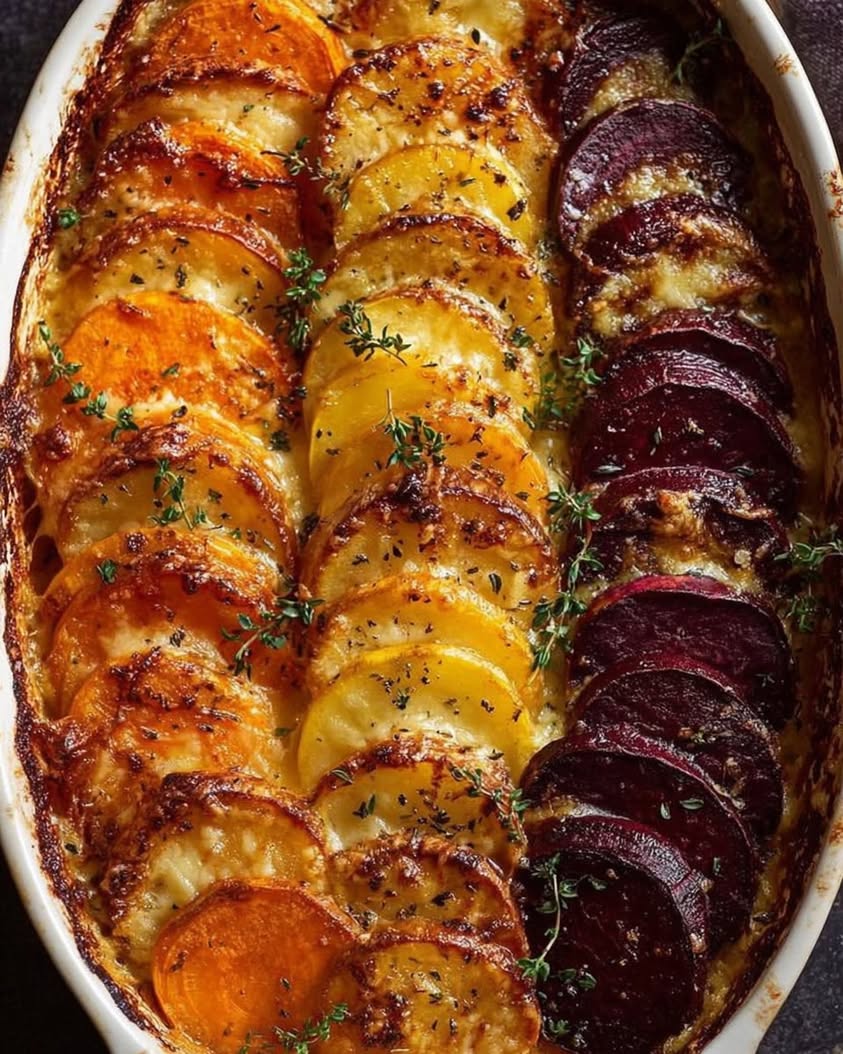
The beauty of this root vegetable gratin recipe with sweet potatoes, parsnips, and beets lies in its versatility. You can serve it alongside roast chicken for a weeknight meal or dress it up with fresh herbs for a Thanksgiving feast. The creamy sauce brings everything together, while the crispy top layer provides a satisfying contrast. I love how the beets naturally tint the surrounding vegetables a stunning magenta color, creating a dish that looks as beautiful as it tastes. Whether you are a seasoned cook or just starting to explore vegetable forward recipes, this gratin will become a favorite in your rotation.
Quick Recipe Highlights
- Flavor Profile: The taste combines sweet and earthy notes from the roasted vegetables with savory depth from the cheese sauce. A hint of garlic and fresh thyme adds aromatic complexity that balances the natural sugars in the roots.
- Texture: You get a delightful contrast between the tender, melt-in-your-mouth vegetables and the crispy, golden brown topping. The sauce creates a creamy binder that coats each slice without making anything soggy.
- Aroma: Your kitchen will smell like roasted root vegetables mingling with nutty cheese and fresh herbs. The garlic becomes sweet as it bakes, adding another layer of inviting fragrance.
- Visual Appeal: The deep purple beets create beautiful streaks of color throughout the dish, while the orange sweet potatoes and cream parsnips provide contrast. Bubbling cheese on top forms an appetizing crust that signals something delicious inside.
- Skill Level Needed: This recipe requires basic knife skills for slicing vegetables uniformly and simple sauce making techniques. Even beginners can succeed with careful attention to the timing and temperature.
- Special Equipment: You need a sharp knife or mandoline for consistent vegetable slices, an 8×12 inch baking dish, and a saucepan for the sauce. A box grater works perfectly for the cheese.
Recipe Overview
- Difficulty Level: I rate this recipe as easy because the steps are straightforward and forgiving. The most challenging part involves slicing the vegetables evenly, but a mandoline makes this task simple. The sauce comes together quickly with basic stirring techniques that anyone can master. Even if you make a mistake, the gratin usually turns out delicious because the vegetables are so forgiving.
- Category: This dish fits well as a main course for vegetarian meals or a substantial side dish for meat centered dinners. It works beautifully for brunch, lunch, or dinner depending on how you serve it. The recipe bridges the gap between comfort food and elegant entertaining.
- Cuisine: The technique comes from classic French cuisine, where gratins are a beloved tradition. American home cooks have embraced this style and adapted it to feature locally grown root vegetables. The combination of sweet potatoes and parsnips reflects modern farm-to-table cooking trends.
- Cost: This recipe is very economical because root vegetables are typically inexpensive, especially when purchased in season. A single serving costs roughly one dollar when you buy vegetables from the grocery store. The cheese and cream are the most expensive components, but you can substitute more affordable varieties without sacrificing flavor.
- Season: Root vegetables are at their peak from late summer through early spring, with fall being the absolute best time to make this dish. The natural sweetness of the vegetables intensifies after the first frost. Winter months also provide excellent quality produce for this gratin.
- Occasion: This dish works perfectly for Thanksgiving, Christmas, Easter, or any holiday gathering where you want to impress guests. It also makes a wonderful side dish for casual potlucks and family dinners. The make ahead convenience means it suits busy weeknights as well as special celebrations.
Why You Will Love This Recipe
The taste and texture combination in this root vegetable gratin recipe with sweet potatoes, parsnips, and beets is truly exceptional. The sweet potatoes become creamy and almost custard like as they bake, while the parsnips retain a slight firmness that adds pleasant chew. The beets offer a tender bite with their natural earthiness that complements the richness of the sauce. Every forkful delivers a different experience because the vegetables cook at slightly different rates. The cheese sauce ties everything together with its velvety texture and savory depth. You will find yourself going back for seconds, and maybe even thirds, because each layer offers something new to discover.
When it comes to convenience and preparation benefits, this recipe excels in every way. You can assemble the entire dish up to two days ahead of time and keep it refrigerated until you are ready to bake. The slicing and sauce making steps take less than thirty minutes combined. Most of the cook time is hands off and allows you to prepare other parts of your meal. The ingredients are common and accessible at any grocery store, and you probably already have most of the pantry items on hand. Cleanup is minimal because everything bakes in one dish. This recipe respects your time while delivering results that taste like you spent hours in the kitchen.
Nutritional advantages make this gratin a smart choice for health conscious home cooks. Sweet potatoes provide massive amounts of vitamin A in the form of beta carotene, which supports eye health and immune function. Beets contain betalains that have powerful antioxidant and anti inflammatory properties. Parsnips offer a good dose of fiber and folate, along with vitamin C for immune support. The calcium from the cheese and milk strengthens bones and teeth. Even the cream adds fat soluble vitamins that help your body absorb nutrients from the vegetables. This dish proves that comfort food can also be nourishing and satisfying.
The social and entertaining value of this root vegetable gratin cannot be overstated. When you bring this dish to the table, people immediately notice its beautiful colors and inviting aroma. Guests will ask for the recipe because it looks and tastes so impressive. The gratin serves a crowd efficiently and keeps well on a buffet table without losing quality. You can double the recipe easily for larger gatherings by using a bigger baking dish. The vibrant presentation makes holiday tables look more festive and abundant. This dish has become my signature contribution to potlucks because it always receives rave reviews.
Cost effectiveness and accessibility make this recipe a practical choice for any budget. Root vegetables are among the most affordable produce items throughout the year, especially when bought in bulk from farmers markets. A single sweet potato costs less than a dollar and yields several servings. The cheese and cream represent the biggest expense, but you can use generic brands without noticing a difference in quality. This gratin stretches expensive ingredients by using them sparingly to enhance the vegetables. You can feed eight people generously for under fifteen dollars total. That kind of value makes this recipe perfect for feeding a family or hosting a dinner party without breaking the bank.
Historical Background and Cultural Significance
The technique of baking sliced vegetables in cream sauce originated in French cuisine during the 18th century. The word gratin comes from the French word gratter which means to scrape or grate, referring to the crust that forms on top. French cooks developed this method as a way to transform humble root vegetables into elegant dishes worthy of aristocratic tables. The dish became particularly popular in the Dauphine region of southeastern France, where it is called gratin dauphinois. That original version uses only potatoes, cream, and garlic without any cheese. Over time, cooks throughout Europe and America adapted the technique to feature their own local vegetables and cheese traditions.
Root vegetables have held cultural importance throughout human history because they store well through winter months when fresh produce was scarce. Sweet potatoes originated in Central and South America and were cultivated for thousands of years before European contact. Parsnips have been grown in Europe since ancient Roman times and were a dietary staple before potatoes became common. Beets have a similarly ancient history, with evidence of their cultivation dating back to the Mediterranean region around 2000 BCE. These vegetables represent resilience and resourcefulness, qualities that resonated with farming communities everywhere. The gratin technique honors this heritage by elevating simple ingredients into something special.
The evolution of this recipe reflects changing tastes and available ingredients over centuries. French cooks originally used only potatoes because other root vegetables were considered too coarse for refined cuisine. American cooks embraced sweet potatoes, which are native to the Americas, and began incorporating them into traditional gratins. The addition of beets represents a more modern innovation that adds both visual drama and nutritional value. Contemporary chefs have experimented with different cheese combinations, herbs, and spice blends to create unique variations. This version with sweet potatoes, parsnips, and beets represents the best of traditional and modern cooking techniques working together harmoniously.
Regional variations of vegetable gratin can be found throughout Europe and North America. In Italy, a similar dish called sformato uses vegetables bound with eggs and cheese before baking. Scandinavian countries often incorporate root vegetables like rutabaga and turnips into their gratins. British cooks make a version with leeks and potatoes called leek gratin. Southern American cooking features sweet potato casseroles with marshmallow toppings that share DNA with this recipe. Each culture adds its own signature ingredients and techniques while maintaining the essential concept of vegetables baked in a creamy sauce. This diversity shows how universally appealing the combination of roasted roots and creamy sauce really is.
Ingredient Deep Dive
Sweet potatoes have a rich cultural history dating back over five thousand years in Central and South America. They were a dietary staple for indigenous peoples before Columbus brought them to Europe and Asia. Nutritionally, sweet potatoes are powerhouse vegetables packed with beta carotene, vitamin C, and manganese. One medium sweet potato provides more than four hundred percent of your daily vitamin A needs. When selecting sweet potatoes, look for firm specimens with smooth skin and no soft spots or blemishes. Store them in a cool, dark place with good air circulation for up to two weeks, but never refrigerate them because cold temperatures damage their flavor and texture. You can substitute regular potatoes, but the sweetness and creaminess will be different.
Parsnips have been cultivated since ancient Roman times and were a common food source throughout medieval Europe. They share a close botanical relationship with carrots and have a similar shape but with cream colored skin and a sweeter, nuttier flavor. The sweetness comes from starches that convert to sugars during cold winter months, making frost kissed parsnips especially delicious. Nutritionally, parsnips provide good amounts of fiber, folate, and vitamin C along with potassium for heart health. Choose parsnips that are small to medium size because larger ones often have woody cores. Store them in the refrigerator crisper drawer wrapped in a paper towel inside a plastic bag. If you cannot find parsnips, substitute carrots for a different but equally delicious result.
Beets have been cultivated for thousands of years and were originally grown for their leaves rather than their roots. Ancient Greeks and Romans used beets medicinally before they became a food crop. The roots are rich in betalains, which are powerful antioxidants with anti inflammatory properties. Beets also provide folate, manganese, and nitrates that support healthy blood pressure. When selecting beets, look for firm roots with smooth skin and fresh looking greens still attached if possible. Remove the greens before storing because they draw moisture from the roots. Store beets in the refrigerator in a perforated plastic bag for up to three weeks. You can substitute golden beets for a milder flavor that will not bleed color into the other vegetables.
Heavy cream forms the rich base of the sauce and provides the luxurious texture that defines a proper gratin. The high fat content helps carry flavors and creates a silky mouthfeel that lighter alternatives cannot match. Nutritionally, heavy cream contains fat soluble vitamins A, D, and E, though it is high in calories and saturated fat. Select cream with the highest fat content you can find, ideally at least thirty six percent milk fat. Store cream in the coldest part of your refrigerator and use it within a week of opening for best results. You can substitute half and half for a lighter version, but the sauce will be thinner and less creamy. For a dairy free alternative, full fat coconut milk works surprisingly well with root vegetables.
Gruyere cheese is a Swiss cheese known for its nutty flavor and excellent melting properties. Its complex taste adds depth to the sauce without overwhelming the delicate sweetness of the vegetables. The cheese originated in the Gruyere region of Switzerland and has been produced since the 12th century. Nutritionally, Gruyere provides calcium and protein along with significant amounts of vitamin B12. Look for cheese that is firm and smooth with no signs of drying or cracking. Store it wrapped in wax paper inside a plastic bag in the refrigerator for up to several weeks. You can substitute Emmental, Comte, or even a good quality sharp cheddar if Gruyere is unavailable or too expensive.
Common Mistakes to Avoid
- Slicing vegetables unevenly is a frequent error that leads to some pieces being overcooked while others remain crunchy. Take the time to cut everything to the same thickness, ideally about one eighth of an inch. Using a mandoline makes this task much easier and more consistent.
- Not par cooking the beets before assembling results in undercooked beets that remain hard and unpleasant. Roasting the beets whole until just tender before slicing ensures they cook through properly in the final baking. This extra step makes a huge difference in the final texture.
- Using too much liquid causes the gratin to be soupy instead of creamy and cohesive. The vegetables release their own moisture as they cook, so you need less cream than you might expect. Stick to the measurements in the recipe and resist the urge to add extra.
- Skipping the seasoning between layers leads to a bland finished dish that lacks depth of flavor. Each layer of vegetables should receive a light sprinkle of salt and pepper along with herbs. Seasoning as you build ensures every bite is perfectly flavored.
- Overloading the dish with cheese on top creates a greasy layer instead of a golden crust. Use the specified amount and distribute it evenly for the best results. Too much cheese also prevents the top from becoming crispy.
- Baking at too high a temperature causes the cream to curdle and separate before the vegetables are tender. A moderate oven temperature of 375 degrees Fahrenheit allows everything to cook evenly. Patience is key for achieving the perfect texture.
- Cutting the vegetables too thin makes them dissolve into mush during the long baking time. Slices should be substantial enough to hold their shape while still becoming tender. The recommended one eighth inch thickness provides the ideal balance.
- Neglecting to cover the dish during the first part of baking leads to a dry gratin with undercooked vegetables. Foil traps steam and helps the vegetables cook through before the top browns. Removing the foil for the last twenty minutes creates the perfect crispy crust.
- Using old or shriveled vegetables results in a gratin that lacks sweetness and has poor texture. Fresh, firm root vegetables are essential for the best results. Buy vegetables within a few days of cooking for maximum flavor.
- Forgetting to let the gratin rest before serving causes it to fall apart when you try to cut portions. A fifteen minute rest allows the sauce to set and makes serving much easier. The dish also tastes better at a slightly less scalding temperature.
Essential Techniques
Proper vegetable slicing is the foundation of a successful gratin and determines how evenly the dish cooks. You need to cut all vegetables to approximately the same thickness, ideally around one eighth of an inch. A mandoline slicer is the best tool for this task because it produces consistent slices quickly with less effort than a knife. If using a knife, make sure it is very sharp and take your time to cut each slice evenly. The slices should be thin enough to become tender during baking but thick enough to maintain their shape. Visual cues for success include seeing the slices stay separate when arranged in the dish and feeling them bend slightly without breaking.
Making a proper béchamel style sauce creates the creamy binder that makes this gratin so luxurious. Start by melting butter in a saucepan over medium heat, then whisk in flour to create a roux. Cook the roux for about two minutes until it becomes fragrant and turns a light golden color. Slowly pour in the heavy cream while whisking constantly to prevent lumps from forming. Continue cooking and stirring until the sauce thickens enough to coat the back of a spoon. Season with salt, pepper, and fresh thyme before adding the cheese and stirring until melted. The sauce should be smooth, creamy, and slightly thicker than heavy cream before baking.
Layering the vegetables correctly ensures that every serving gets a good mix of all three types. Start by spreading a thin layer of sauce on the bottom of the baking dish to prevent sticking. Arrange a single layer of sweet potato slices, slightly overlapping them like roof tiles. Add a layer of parsnips followed by a layer of beets, seasoning each layer lightly. Pour some sauce over each layer before adding the next set of vegetables. Repeat the layers until all ingredients are used, finishing with a final pour of sauce on top. The cheese should be reserved for the very top layer where it will form a golden crust during baking.
Timing the baking process correctly prevents overcooking or undercooking your gratin. Cover the dish tightly with aluminum foil and bake at 375 degrees Fahrenheit for thirty minutes. The foil traps steam and helps the vegetables cook through without drying out. Remove the foil and continue baking for another twenty to twenty five minutes until the top is golden brown and bubbly. The gratin is done when a knife slides easily through all layers of vegetables without resistance. Let the dish rest for at least fifteen minutes before serving to allow the sauce to set. This resting period is essential for clean slices that hold their shape on the plate.
Pro Tips for Perfect Root Vegetable Gratin
Peel the vegetables just before slicing to prevent them from oxidizing and turning brown. Sweet potatoes and parsnips darken quickly when exposed to air, so work efficiently and keep slices covered with a damp paper towel. The beets will stain everything they touch, so wear gloves when handling them and work on a cutting board that can handle pink splatters. Clean up beet juice immediately with lemon juice to prevent permanent staining on countertops and cutting boards.
Use a combination of thyme and rosemary for the herbs because they complement root vegetables beautifully without overwhelming them. Fresh herbs provide much more flavor than dried and are worth seeking out for this recipe. Add a few whole sprigs of thyme between the layers for an even more aromatic result. Remove the woody stems before serving but leave the leaves that have fallen off into the sauce.
Toast the cheese topping under the broiler for the last minute of cooking to achieve extra color and crunch. Watch it carefully because cheese burns quickly under intense heat. This technique creates a beautiful golden crust that adds texture and visual appeal. Let the dish cool slightly before broiling to ensure the vegetables are fully cooked first.
Prepare extra sauce if you plan to reheat leftovers because the gratin absorbs liquid during storage. The sauce keeps well in the refrigerator for several days and can be reheated gently on the stove. Add a splash of milk or cream to thin it back to the right consistency before pouring over leftover gratin. This trick restores the creamy texture that the dish had when freshly baked.
Season each vegetable layer individually rather than seasoning only the sauce. Root vegetables need generous amounts of salt to bring out their natural sweetness, so do not be shy with seasoning. Taste a piece of each raw vegetable before assembling to gauge how much salt they need. Remember that the cheese will also add saltiness, so adjust accordingly.
Let the finished gratin cool completely before refrigerating if you plan to store it for later. Hot food in the refrigerator raises the internal temperature and can spoil other items. Cover the dish tightly with plastic wrap or foil once it has cooled to room temperature. The gratin will keep well for up to four days and actually tastes better the next day as the flavors meld together.
Variations and Adaptations
Regional variations of this root vegetable gratin appear throughout different culinary traditions. In the American South, cooks often add a layer of caramelized onions and use sharp cheddar cheese instead of Gruyere. Some versions include a crunchy topping made from crushed butter crackers or corn flakes mixed with melted butter. New England variations might feature rutabaga and turnips alongside the sweet potatoes for a more rustic flavor profile. Each region adds its own signature touches while maintaining the essential character of the dish.
Seasonal adaptations allow you to enjoy this gratin year round by using whatever vegetables are fresh at the time. In spring, substitute asparagus and new potatoes for some of the root vegetables. Summer versions can include zucchini and yellow squash, though you should salt and drain them first to remove excess moisture. Fall is the ideal season for the original combination of sweet potatoes, parsnips, and beets. Winter gratins benefit from the addition of hearty greens like kale or Swiss chard layered between the roots.
Dietary modifications make this recipe accessible to people with various food restrictions without sacrificing flavor. For a dairy free version, use full fat coconut milk in place of heavy cream and nutritional yeast instead of cheese. A vegan adaptation requires both dairy substitutions plus a plant based butter alternative for the sauce roux. Gluten free cooks can replace the all purpose flour with cornstarch or arrowroot powder for thickening the sauce. Each modification maintains the essential gratin experience while respecting dietary needs.
Flavor variations offer endless possibilities for customizing this gratin to your personal taste. Add roasted garlic cloves between the layers for a sweeter, milder garlic flavor that complements the vegetables. Incorporate fresh sage or marjoram instead of thyme for a different herbal profile. A pinch of nutmeg or cinnamon in the sauce brings out the natural sweetness of the sweet potatoes. Smoked paprika adds a subtle depth that pairs beautifully with the earthy beets. Feel free to experiment with spice combinations that appeal to your palate.
Texture modifications can change the mouthfeel of the gratin to suit different preferences. For a more substantial dish, add a layer of cooked farro or quinoa between the vegetables. Sliced mushrooms sautéed until golden brown contribute umami flavor and meaty texture. A topping of breadcrumbs mixed with melted butter creates extra crunch on top. For a softer texture, increase the amount of sauce and bake the gratin for slightly longer. The dish is very forgiving and adapts well to your personal texture preferences.
Presentation alternatives allow you to serve this gratin in creative ways that impress your guests. Individual ramekins make elegant single servings that are perfect for dinner parties. A cast iron skillet creates a rustic presentation that goes straight from oven to table. You can also assemble the gratin in a deep pie dish for a more traditional look. Garnish with fresh herbs and a sprinkle of flaky sea salt just before serving for a professional finish. The colorful layers look beautiful when served in a clear glass baking dish.
Serving and Presentation Guide
Plating techniques for this gratin focus on showcasing the beautiful layers of colorful vegetables. Use a sharp knife to cut clean slices and transfer them to plates with a wide spatula. Arrange the slice slightly off center on the plate to create visual interest. Spoon a small amount of extra sauce around the base of the gratin for added moisture and elegance. Keep the layers intact when plating to display the distinct colors of each vegetable. A clean plate allows the vibrant colors to stand out without competing with other elements.
Garnishing ideas enhance the appearance and flavor of the finished gratin with minimal effort. Fresh thyme leaves scattered over the top add bright green color and herbal aroma. A sprinkle of flaky sea salt just before serving provides a satisfying crunch and burst of salinity. Micro greens or baby arugula placed on top create a fresh contrast to the rich dish. Edible flowers like chive blossoms or nasturtiums add a touch of whimsy for special occasions. Keep garnishes simple so they complement rather than overwhelm the main dish.
Traditional accompaniments for this gratin include roasted meats like chicken, pork, or beef where the rich sauce complements the protein. A simple green salad with vinaigrette provides acidity that cuts through the creaminess of the dish. Crusty bread is essential for soaking up every last bit of sauce from the plate. For vegetarian meals, serve alongside a hearty lentil or bean dish for complete nutrition. The gratin also works beautifully as a standalone main course when paired with a simple vegetable side.
Modern serving suggestions update this classic dish for contemporary tastes and lifestyles. Serve smaller portions as an appetizer at dinner parties to showcase the vegetables without overwhelming guests. The gratin works wonderfully as a side dish for brunch alongside eggs and bacon. Leftovers make excellent lunch the next day and can be reheated in the microwave or oven. Consider serving the gratin at room temperature for picnics or buffet tables where keeping food hot is challenging. The dish remains delicious even when not piping hot.
Temperature considerations are important for achieving the best eating experience with this gratin. Serve the gratin hot from the oven after the recommended resting period of fifteen minutes. The internal temperature should be around 160 degrees Fahrenheit for the best balance of hot and safe. If the gratin cools down before serving, reheat individual portions in the microwave or return the whole dish to the oven. Never serve the gratin cold because the sauce will be congealed and unappetizing. Room temperature is acceptable for outdoor gatherings but not ideal for the best flavor.
Portion control tips help you serve the right amount for your guests without waste. A standard serving size is about one eighth of the full recipe, which equals a piece roughly three inches square. For larger appetites, especially when serving as a main course, increase the portion to one sixth of the recipe. Cut the gratin into serving pieces before bringing it to the table for easier serving. Use a spatula that is wide enough to support the full thickness of the slice without crumbling. Leftovers keep well, so do not worry about making too much.
Wine and Beverage Pairing
Wine pairings for this root vegetable gratin should complement the earthy sweetness of the vegetables and the richness of the cream sauce. A full bodied Chardonnay with oak aging works wonderfully because its buttery notes echo the cream in the dish. The wine should have enough acidity to cut through the richness without overpowering the delicate vegetable flavors. White Burgundy from France makes an excellent choice for special occasions. Viognier offers floral notes that pair beautifully with the sweetness of the sweet potatoes and parsnips.
Non alcoholic alternatives provide options for guests who do not drink wine or prefer something different. Sparkling water with a splash of apple cider vinegar makes a refreshing palate cleanser between bites of rich gratin. Apple cider served warm with cinnamon sticks echoes the autumn flavors in the dish and creates a cozy pairing. Herbal tea like chamomile or mint offers a calming counterpoint to the hearty vegetables. Sparkling cider with its natural sweetness complements the caramelized root vegetables perfectly.
Beer pairings can be just as successful as wine when chosen carefully to complement the flavors of this gratin. A Belgian style saison with its peppery notes and crisp finish cuts through the creaminess of the sauce. Brown ales with nutty malt flavors echo the roasted quality of the vegetables. Amber lagers provide enough body to stand up to the rich dish without overwhelming it. For something different, a hard cider brings apple notes that pair beautifully with autumn vegetables. Avoid heavily hopped beers that would clash with the delicate flavors.
Temperature considerations for serving beverages with this gratin follow standard guidelines. White wines should be chilled to about 50 degrees Fahrenheit to maintain their refreshing character. Red wines that work with this dish, like a light Pinot Noir, should be served slightly cool around 60 degrees. Non alcoholic beverages taste best when served cold or hot depending on their nature. Beer should be served at cellar temperature around 55 degrees for ales and colder for lagers. Serving temperatures affect how flavors interact with food.
Serving suggestions for beverages alongside this gratin focus on enhancing the overall dining experience. Pour wine into appropriate glasses that allow the aromas to develop fully. Offer both alcoholic and non alcoholic options so all guests feel included. Consider a signature cocktail like an autumn themed Old Fashioned with apple brandy for special occasions. Provide water glasses on the table for guests to cleanse their palates between bites. The beverage should complement the food, not compete with it for attention.
Storage and Shelf Life
Storage methods for leftover gratin focus on maintaining the texture and flavor for future meals. Allow the dish to cool completely to room temperature before covering and refrigerating. Wrap the baking dish tightly with plastic wrap followed by aluminum foil to create an airtight seal. Alternatively, transfer individual portions to airtight containers for easier reheating. The gratin will keep well in the refrigerator for up to four days after cooking. Label the container with the date so you know how long it has been stored.
Temperature requirements for storing this gratin are standard for cooked dairy based dishes. Keep the refrigerator temperature at or below 40 degrees Fahrenheit to prevent bacterial growth. Do not leave the gratin at room temperature for more than two hours total, including serving time. If you are serving the dish at a buffet, use a chafing dish or warming tray to keep it hot. Cold temperatures slow down the breakdown of the sauce and help maintain the texture of the vegetables.
Container recommendations focus on preserving the integrity of the gratin during storage. Glass or ceramic baking dishes with tight fitting lids work best because they do not absorb flavors or odors. Avoid plastic containers for long term storage because they can stain from the beet juice. If using the original baking dish for storage, cover it tightly with foil and then plastic wrap. Portion the gratin into smaller containers for easy grab and go lunches. Make sure containers are clean and dry before adding any food.
Signs of spoilage in this gratin are easy to recognize and should prompt immediate disposal. Mold appears as fuzzy spots on the surface, usually green or white in color. An off smell, especially sour or rancid notes, indicates the dairy has spoiled. The texture becomes watery or separated when the sauce breaks down after too many days. If the vegetables feel slimy or sticky, bacteria have started growing and the dish is unsafe. When in doubt, throw it out rather than risk foodborne illness.
Reheating instructions ensure leftover gratin tastes almost as good as freshly baked. For best results, reheat in a 350 degree Fahrenheit oven for about fifteen to twenty minutes. Cover the dish with foil during reheating to prevent the top from burning before the center is hot. Add a splash of milk or cream before reheating to restore moisture that was lost during storage. Individual portions can be microwaved on medium power for two to three minutes. The texture will not be exactly the same as fresh but will still be delicious.
Freezing guidelines allow you to preserve this gratin for much longer storage periods. The gratin freezes well for up to three months when properly wrapped and stored. Cool the dish completely before freezing to prevent ice crystals from forming. Wrap the entire dish in a layer of plastic wrap followed by a layer of aluminum foil. Squeeze out as much air as possible before sealing to prevent freezer burn. Thaw the frozen gratin in the refrigerator overnight before reheating.
Make Ahead Strategies
Prep timeline for this gratin allows you to break the work into manageable steps over several days. Up to three days before serving, you can peel and slice all vegetables and store them separately in the refrigerator. The sauce can also be prepared two days ahead and kept in an airtight container. On the day before serving, assemble the entire gratin in the baking dish but do not bake it. Final baking happens just before serving for the best texture and appearance.
Storage between steps requires careful attention to prevent the vegetables from oxidizing or drying out. Sliced sweet potatoes and parsnips should be submerged in cold water with a squeeze of lemon juice to prevent browning. Beets can be stored separately in a sealed container because their color will bleed into other ingredients. The prepared sauce needs to be cooled completely before refrigerating to prevent condensation from thinning it. Layer plastic wrap directly on the surface of the sauce to prevent a skin from forming.
Quality impact assessment shows that make ahead preparation actually improves the flavor of this gratin. The vegetables have time to absorb the seasonings and sauce overnight, resulting in deeper flavor. The starches in the vegetables also have time to break down, creating a more tender texture. The only component that suffers slightly is the crispy top, but this can be refreshed during final baking. Overall, the convenience of make ahead preparation outweighs any minor quality changes.
Assembly tips for make ahead preparation focus on efficiency and preventing the dish from becoming waterlogged. Do not add the cheese topping until just before baking to prevent it from becoming soggy. Arrange the vegetables in the dish but pour only two thirds of the sauce over them initially. Reserve the remaining sauce to add just before baking for a fresher flavor. Cover the assembled dish tightly with plastic wrap and then foil to create an airtight seal.
Reheating guidelines for the fully assembled gratin require some adjustments to the baking time. A chilled gratin needs about ten to fifteen extra minutes in the oven compared to one assembled fresh. Start baking covered with foil for the full thirty minutes before removing the foil. Check the internal temperature with a thermometer to ensure it reaches 165 degrees Fahrenheit. The cheese may need extra time under the broiler to achieve the desired golden brown color.
Fresh element additions just before serving elevate the make ahead gratin to company worthy status. Sprinkle fresh herbs like thyme or chives over the top after baking for bright flavor and color. A drizzle of high quality olive oil adds richness and sheen to the finished dish. Flaky sea salt applied just before serving provides a textural contrast. Freshly cracked black pepper brings out the flavors of all the vegetables. These small touches make the reheated gratin taste freshly prepared.