Mini Greek Meatball Bites with Tzatziki: A Perfect Party Appetizer
Imagine the vibrant flavors of the Mediterranean, all packed into a single, irresistible bite. These Mini Greek Meatball Bites with Tzatziki deliver exactly that experience. They combine juicy, herb-infused meatballs with a cool, creamy cucumber yogurt sauce. Ultimately, this appetizer brings a taste of a sun-drenched Greek taverna straight to your table.
Furthermore, these Mini Greek Meatball Bites with Tzatziki offer incredible versatility. You can serve them as elegant passed hors d’oeuvres at a cocktail party. Alternatively, arrange them on a platter for a casual game day gathering. Their one-bite size makes them perfect for mingling and sharing. Importantly, the combination of warm, savory meatballs and cool tzatziki creates a delightful contrast in every mouthful.
Creating these Mini Greek Meatball Bites with Tzatziki requires simple, fresh ingredients. You likely have many of them in your pantry already. The process is straightforward and forgiving, making it ideal for cooks of all levels. As a result, you can focus on enjoying your guests rather than stressing in the kitchen. This recipe guarantees a crowd-pleasing dish that disappears quickly from any platter.
Quick Recipe Highlights
- Flavor Profile: These Mini Greek Meatball Bites with Tzatziki burst with classic Mediterranean notes. Expect the bright, earthy taste of fresh oregano and mint. Additionally, salty feta cheese and briny Kalamata olives add depth and complexity.
- Texture: The meatballs themselves boast a tender, juicy interior with a lightly browned, slightly crisp exterior. Conversely, the tzatziki sauce provides a lush, creamy, and refreshing counterpoint. Finally, the optional garnish of diced cucumber or tomato adds a pleasant crunch.
- Aroma: While cooking, your kitchen will fill with the warm, inviting scent of garlic, onion, and herbs. The tzatziki contributes a fresh, clean aroma of cucumber, dill, and lemon. Together, these scents promise a delicious and authentic Greek eating experience.
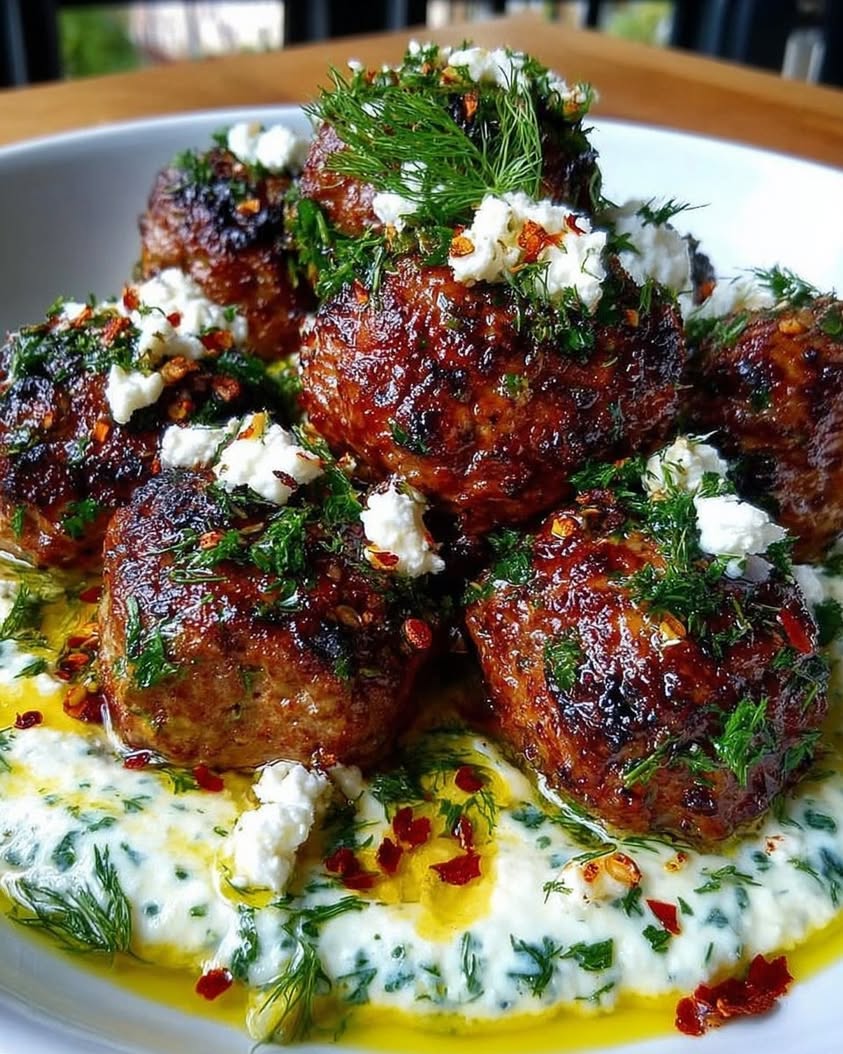
- Visual Appeal: These Mini Greek Meatball Bites with Tzatziki present beautifully on any platter. The golden-brown meatballs look stunning against the stark white of the yogurt sauce. A sprinkle of fresh dill or a drizzle of olive oil adds the perfect finishing touch for color.
- Skill Level Needed: This recipe suits beginner and experienced cooks alike. The techniques involve simple mixing, rolling, and baking or pan-frying. Importantly, no advanced culinary skills are required to achieve fantastic, restaurant-quality results at home.
- Special Equipment: You need only basic kitchen tools. A mixing bowl, a baking sheet (if baking), or a skillet (if pan-frying) will suffice. A box grater for the cucumber and a small food processor for the onion can speed up prep but are optional.
Recipe Overview
- Difficulty Level: We rate these Mini Greek Meatball Bites with Tzatziki as “Easy.” The steps are simple and sequential. For instance, you just mix ingredients, form balls, and cook them. Moreover, the tzatziki sauce requires no cooking, just stirring. Therefore, even novice cooks can achieve success and build confidence in the kitchen.
- Category: This dish falls primarily into the appetizer and snack category. It also works wonderfully as part of a mezze platter or a light lunch. Consequently, you can adapt it for various meal occasions, from formal parties to casual family snacks.
- Cuisine: This recipe draws direct inspiration from traditional Greek and broader Mediterranean cuisine. It uses hallmark ingredients like oregano, mint, feta, olive oil, and yogurt. Thus, it delivers an authentic taste profile that honors its culinary roots while being accessible to the home cook.
- Cost: Preparing these Mini Greek Meatball Bites with Tzatziki is very cost-effective. Ground lamb or beef, along with pantry staples, form the base. Fresh herbs and feta are the primary fresh investments. Overall, you can feed a crowd for a fraction of the cost of store-bought or catered appetizers.
- Season: This recipe shines year-round but feels particularly perfect for spring and summer gatherings. The fresh, bright flavors complement warmer weather. However, the comforting, savory meatballs also make it a hit during fall and winter holiday parties.
- Occasion: These bites are the ultimate party food. They are ideal for cocktail parties, potlucks, holiday appetizers, and game day spreads. Furthermore, they make a fantastic addition to a themed Mediterranean dinner night at home.
Why You’ll Love This Recipe
First and foremost, the taste and texture of these Mini Greek Meatball Bites with Tzatziki are utterly addictive. Each bite delivers a symphony of flavors. You experience the savory, herby meatball immediately followed by the cool, tangy sauce. This contrast keeps your palate engaged and makes you reach for another. The use of fresh herbs and quality feta cheese elevates the dish far above ordinary meatballs. Ultimately, the flavor profile is both sophisticated and deeply satisfying.
Secondly, the convenience and preparation benefits are significant. You can prepare both components ahead of time, which reduces day-of stress. The meatball mixture comes together in one bowl with minimal fuss. Additionally, you have a cooking method choice: baking for hands-off ease or pan-frying for extra browning. The tzatziki sauce requires no cooking at all. Therefore, this recipe allows you to be a relaxed and present host, which is a huge win for any gathering.
From a nutritional standpoint, these Mini Greek Meatball Bites with Tzatziki offer several advantages. Using lean ground meat provides a good source of protein. Greek yogurt in the tzatziki adds probiotics and calcium. Moreover, the herbs and vegetables contribute vitamins and antioxidants. When served as a finger food, portion control becomes intuitive. You can enjoy flavorful food without overindulging, which is a key benefit for health-conscious entertainers.
The social and entertaining value of this dish cannot be overstated. Finger foods naturally encourage conversation and mingling. These bites are easy to eat while standing and require only a small napkin. They are universally appealing, pleasing both adventurous and picky eaters. Presenting a beautiful platter of homemade appetizers always impresses guests. Consequently, this recipe becomes a reliable tool in your entertaining arsenal, guaranteeing happy guests and compliments.
Finally, the cost-effectiveness and accessibility make this recipe a keeper. You create a substantial amount of impressive food from affordable ingredients. Many components are pantry staples or easy to find at any grocery store. Compared to ordering platters from a deli or restaurant, the savings are substantial. You also control the quality of every ingredient. Thus, you achieve gourmet results on a sensible budget, which is a fantastic reason to love this recipe.
Historical Background and Cultural Significance
The concept of small, spiced meatballs spans countless cultures, but the Greek version has distinct roots. In Greece, meatballs are known as “keftedes” or “keftedakia” for the smaller size. Traditionally, they were a practical way to stretch precious meat with breadcrumbs, onions, and herbs. These dishes often featured at family gatherings and village festivals. The addition of mint and oregano connects directly to the wild herbs that grow abundantly across the Greek landscape. Therefore, these Mini Greek Meatball Bites with Tzatziki carry the essence of rustic, home-style Greek cooking.
Culturally, food in Greece centers around sharing and community. Meze, a selection of small dishes, is a fundamental part of social life. These Mini Greek Meatball Bites with Tzatziki fit perfectly into the meze tradition. They are meant to be shared, encouraging conversation and connection around the table. The accompanying tzatziki sauce, a staple condiment, reflects the Greek reliance on yogurt, a product of their long history of sheep and goat herding. Together, they represent a culinary tradition built on simplicity, freshness, and communal joy.
The recipe has evolved over time, adapting to available ingredients and modern kitchens. Originally, keftedes might have been fried in olive oil over an open fire. Today, baking offers a healthier, easier alternative without sacrificing flavor. The inclusion of feta cheese, while common now, may be a more modern addition for extra richness. The tzatziki recipe has remained remarkably consistent, relying on strained yogurt, cucumber, garlic, and dill. This evolution shows how classic dishes can adapt while retaining their soul.
Regional variations of this concept exist throughout the Mediterranean. In Turkey, similar meatballs are called “kofte” and may use different spice blends like cumin. In the Middle East, they might include spices such as allspice and cinnamon. The tzatziki sauce has cousins like the Turkish “cacik” or the Indian “raita.” Exploring these Mini Greek Meatball Bites with Tzatziki opens a door to a wider world of flavors. Understanding these connections deepens our appreciation for how food traditions travel and transform.
Ingredient Deep Dive
Ground Lamb or Beef: Lamb is the traditional choice for Greek meatballs, offering a distinct, slightly gamey flavor that pairs beautifully with mint and oregano. It is a good source of high-quality protein, iron, and B vitamins. If you prefer a milder taste, a blend of lamb and beef or all beef works wonderfully. Look for meat with a moderate fat content (around 15-20%) for juiciness. Store it in the coldest part of your refrigerator and use within 1-2 days of purchase, or freeze for longer storage.
Fresh Oregano and Mint: These herbs are the aromatic heart of the dish. Oregano, particularly the Greek variety, is more robust and less sweet than its Italian counterpart. Mint adds a bright, cooling note that cuts through the richness of the meat. Both herbs contain antioxidants and have digestive benefits. For the best flavor, always choose fresh herbs over dried for this recipe. Store them stem-down in a glass of water in the fridge, covered loosely with a bag. If you must substitute, use dried oregano sparingly (1 tsp dried for 1 tbsp fresh), but fresh mint is harder to replace.
Feta Cheese: This brined curd cheese made from sheep’s milk (or a sheep-goat blend) is a cornerstone of Greek cuisine. It adds salty, tangy pockets of flavor and helps keep the meatballs moist. Feta is a good source of calcium and protein. For authenticity, seek out Greek-made feta sold in blocks in brine. Pre-crumbled feta often contains anti-caking agents that can affect texture. Store leftover feta submerged in its brine in the refrigerator. For a dairy-free version, omit it or use a firm, tangy vegan cheese alternative.
Greek Yogurt (for Tzatziki): Thick, strained Greek yogurt is non-negotiable for authentic tzatziki. Its high protein content and lack of whey create a luxuriously creamy, dip-able sauce that won’t water out. It also provides probiotics for gut health. Select a full-fat version for the richest flavor and texture. To make your own, strain regular plain yogurt in a cheesecloth-lined sieve for several hours. Store an open container in the fridge and use within a week. For a dairy-free tzatziki, use a thick, unsweetened plant-based yogurt like coconut or almond.
Cucumber and Garlic (for Tzatziki): The cucumber provides essential freshness and crunch. English or Persian cucumbers are ideal as they have fewer seeds and thinner skin. Salting and draining the grated cucumber is a crucial step to prevent a watery sauce. Garlic delivers the signature pungent kick. For a milder flavor, you can roast the garlic first. Both vegetables offer vitamins and hydration. Always use fresh garlic, not powder, for the brightest taste. Store whole cucumbers in the fridge and use within a week for best texture.
Common Mistakes to Avoid
- Overmixing the Meatball Mixture: Overworking the ground meat with your hands can lead to tough, dense meatballs. Mix the ingredients just until combined. A light touch ensures your Mini Greek Meatball Bites with Tzatziki stay tender and juicy.
- Skipping the Cucumber Draining Step: Failing to salt, drain, and squeeze the grated cucumber for the tzatziki will result in a watery, bland sauce. This step concentrates the cucumber flavor and protects the creamy texture of your yogurt sauce.
- Using Watery Yogurt: Regular plain yogurt, not Greek yogurt, will make your tzatziki runny. Always use thick, strained Greek yogurt. For even better results, you can strain it further in cheesecloth for an hour.
- Forming Meatballs That Are Too Large: The charm of this appetizer is its one-bite size. Making meatballs too big makes them messy to eat. Aim for a diameter of about one inch to ensure perfect, pop-in-your-mouth portions.
- Underseasoning the Meat Mixture: Meatballs need ample seasoning. Do not be shy with salt, pepper, and herbs. Always cook a tiny tester patty in a skillet to check seasoning before rolling all the balls.
- Crowding the Pan While Cooking: Whether baking or pan-frying, give the meatballs space. Crowding steams them instead of browning them. Cook in batches if necessary to achieve that desirable golden-brown exterior.
- Adding Fresh Herbs to Hot Tzatziki: If your tzatziki is still warm from the yogurt or you add herbs to hot liquid, they will wilt and discolor. Always ensure all components are cool before combining for the freshest look and taste.
- Serving Immediately After Making Tzatziki: Tzatziki’s flavor improves dramatically after resting. Serving it right away means the garlic flavor will be harsh and raw. Let it chill for at least an hour, or ideally overnight, for the flavors to meld beautifully.
- Using Dried Mint as a Direct Substitute: Dried mint has a very different, almost tea-like flavor compared to fresh. It can overwhelm the dish. If you must substitute, use only a tiny amount (1/4 tsp dried for 1 tbsp fresh) or simply omit it.
- Not Letting Meatballs Rest After Cooking: Allow your cooked Mini Greek Meatball Bites to rest for a few minutes before serving. This lets the juices redistribute throughout the meat, preventing them from running out on the first bite.
Essential Techniques
Salting and Draining Cucumber: This technique is vital for perfect tzatziki consistency. First, grate the cucumber coarsely. Then, toss it with a pinch of salt and let it sit in a colander for 15-30 minutes. The salt draws out excess water. Finally, use your hands or a clean kitchen towel to squeeze the grated cucumber firmly until no more liquid comes out. This step prevents a watery sauce and intensifies the cucumber flavor. The result is a thick, creamy dip that clings perfectly to your meatballs.
Testing Meatball Seasoning: Before you roll an entire batch, always test your seasoning. Pinch off a small piece of the meat mixture, flatten it into a tiny patty, and cook it in a small skillet for a minute per side. Let it cool slightly, then taste it. This allows you to adjust salt, pepper, or herbs in the main batch without guesswork. It is a simple habit that guarantees your Mini Greek Meatball Bites with Tzatziki will be perfectly seasoned every single time.
Pan-Frying vs. Baking for Browning: Pan-frying in a thin layer of olive oil gives the meatballs a superior, crisp, golden-brown crust on all sides. It requires more attention and batch cooking. Baking on a parchment-lined sheet pan is hands-off and cleaner, but may result in less overall browning. For the best of both worlds, you can bake them and then finish under the broiler for a minute to add color. Choosing your method depends on your preference for texture and your available time.
Forming Uniform Meatballs: Consistency in size ensures even cooking. Use a small cookie scoop or a tablespoon measure to portion the mixture. Lightly roll each portion between damp palms to form a smooth ball. Damp hands prevent the sticky mixture from clinging to your skin. Do not pack the meat too tightly; a gentle roll is sufficient. Uniform Mini Greek Meatball Bites will all be done at the same time, preventing some from being overcooked while others are undercooked.
Pro Tips for Perfect Mini Greek Meatball Bites with Tzatziki
Chill your meatball mixture for 20-30 minutes before rolling. This firms up the fat and makes the mixture much easier to handle, resulting in neater, rounder balls.
For incredibly tender meatballs, soak your breadcrumbs in a little milk or water before adding them to the mix. This panade technique prevents the meat proteins from tightening up too much during cooking.
If baking, place the meatballs on a wire rack set over a baking sheet. This allows hot air to circulate completely around each bite, promoting even browning and preventing a steamed bottom.
Add a teaspoon of lemon zest to the tzatziki sauce. The citrus oil brightens the entire dip and complements the herbs in the meatballs beautifully.
For a stunning presentation, serve the tzatziki in a shallow bowl with a well in the center. Arrange the warm meatballs around the bowl and garnish the sauce with a drizzle of olive oil and a sprinkle of paprika or sumac.
If using wooden skewers for serving, soak them in water for at least 30 minutes beforehand. This prevents them from burning if you briefly warm the assembled bites under the broiler.
Double the tzatziki recipe. It is so delicious that people will use more than you expect, and any leftovers make a fantastic veggie dip or sauce for grilled meats the next day.
For a flavor boost, toast your dried oregano in a dry skillet for 30 seconds before using it (if substituting for fresh). This wakes up the essential oils and adds a deeper, more complex note.
Variations and Adaptations
Regional Variations: Across Greece, you will find different twists on keftedes. On some islands, they might include chopped sun-dried tomatoes or capers for a briny punch. A Cretan version could feature a hint of orange zest or cinnamon. For a Turkish-inspired twist, replace the oregano with cumin and a pinch of red pepper flakes. Exploring these regional takes on your Mini Greek Meatball Bites with Tzatziki can be a fun culinary adventure without leaving your kitchen.
Seasonal Adaptations: In the spring, incorporate finely chopped fresh artichoke hearts or spinach into the meatball mixture. For summer, top the platter with diced heirloom tomatoes or a sprinkle of fresh basil. In autumn, consider a side of roasted red pepper dip alongside the tzatziki. During winter, add a warming spice like a tiny pinch of ground allspice to the meatballs. Adapting the accompaniments keeps this appetizer feeling fresh and appropriate all year long.
Dietary Modifications: For a gluten-free version, use gluten-free breadcrumbs or rolled oats pulsed into a coarse meal. To make it dairy-free, omit the feta from the meatballs and use a thick plant-based yogurt for the tzatziki. For a lower-carb or keto adaptation, replace the breadcrumbs with finely grated Parmesan cheese or crushed pork rinds. A paleo version can use almond flour as the binder. These modifications ensure everyone can enjoy these flavorful bites.
Flavor Variations: Experiment with the protein base. Try ground chicken or turkey for a lighter option, adding an extra tablespoon of olive oil to the mix for moisture. For a seafood twist, make mini salmon or cod cakes using similar herbs and serve with the tzatziki. You can also change the cheese, using crumbled goat cheese or mizithra instead of feta. Each variation creates a new dish while maintaining the appealing format of a bite-sized appetizer with a creamy dip.
Serving and Presentation Guide
Plating Techniques: Presentation elevates these bites from simple food to party fare. Use a large, colorful platter or a rustic wooden board. Place a bowl of tzatziki in the center. Artfully arrange the warm Mini Greek Meatball Bites with Tzatziki around the bowl, leaving a little space between them. This prevents them from steaming and makes them easy to pick up. You can also create a “dipping station” with the meatballs on one side and the sauce on the other, garnished separately.
Garnishing Ideas: Garnishes add visual pop and hint at the flavors within. Drizzle the tzatziki with high-quality extra virgin olive oil and a sprinkle of sweet or smoked paprika. Scatter whole fresh dill fronds, mint leaves, or oregano sprigs over the platter. Add color with Kalamata olives, cherry tomatoes, or thin slices of lemon on the side. A final dusting of crumbled feta over the meatballs themselves reinforces the Greek theme. Remember, garnish should look abundant but not cluttered.
Traditional Accompaniments: In a true meze spread, these meatballs would share the table with other small dishes. Consider serving them with warmed pita bread or pita chips for scooping extra tzatziki. Add bowls of marinated olives, dolmades (stuffed grape leaves), and a simple horiatiki (Greek village salad). A wedge of grilled halloumi cheese would also pair wonderfully. This approach turns your Mini Greek Meatball Bites with Tzatziki into part of a memorable Mediterranean feast.
Modern Serving Suggestions: For a contemporary cocktail party, skewer each meatball with a decorative toothpick or a short rosemary skewer (the rosemary imparts a subtle scent). Set them upright in the tzatziki sauce for a self-contained, mess-free bite. Alternatively, serve them in mini phyllo cups or on small slices of toasted baguette. For a sit-down dinner, you could present them as a first course, with three meatballs artfully arranged on a plate with a swoosh of sauce and a microgreen salad.
Wine and Beverage Pairing
Wine Pairings: The robust flavors of these Mini Greek Meatball Bites with Tzatziki call for wines that can complement both the herbal meat and the tangy yogurt. A Greek Assyrtiko, with its high acidity and citrus notes, cuts through the richness beautifully. A crisp, dry rosé from Provence or Greece offers berry flavors that work well with the oregano and mint. For red wine lovers, a light-bodied, low-tannin red like a Greek Xinomavro or a Beaujolais Villages won’t overpower the dish. Ultimately, high acidity is the key characteristic to look for in a pairing wine.
Non-Alcoholic Alternatives: Many delicious drinks can accompany this appetizer without alcohol. A sparkling lemonade or limeade provides a sweet-tart contrast. For something more authentic, try a glass of chilled mint-infused iced tea, which echoes the herb in the meatballs. A cucumber-mint spa water is refreshing and thematically perfect. You could also serve a tart pomegranate juice spritzer with soda water. These options ensure all guests have a flavorful beverage to enjoy with their food.
Coffee/Tea Pairing: While not a typical pairing for appetizers, if serving these bites at a brunch or late-afternoon gathering, consider beverages. A strong, black Greek coffee would be a traditional and bold choice after the meal. For tea, a mint tea would be a natural complement, or a light herbal tea with lemon verbena. The key is to choose beverages that cleanse the palate rather than compete with the dominant garlic and herbal notes of the dish.
Storage and Shelf Life
Storage Methods: Always store the meatballs and tzatziki separately to maintain the best texture. Place cooled meatballs in a single layer in an airtight container, or layer them with parchment paper. The tzatziki should be kept in its own sealed container. This prevents the meatballs from becoming soggy and the sauce from absorbing meat flavors. Proper storage is crucial for enjoying your Mini Greek Meatball Bites with Tzatziki later.
Temperature Requirements: Both components must be refrigerated promptly. Keep them in the main body of your refrigerator at 40°F (4°C) or below. Do not leave the platter out at room temperature for more than two hours during serving. If you are transporting them, use a cooler with ice packs. Following these guidelines prevents bacterial growth and ensures food safety.
Container Recommendations: Glass containers are ideal for the tzatziki as they do not retain odors. For the meatballs, any airtight plastic or glass container works well. If stacking meatballs, use parchment paper between layers to prevent them from sticking together. For freezing, use heavy-duty freezer bags, squeezing out as much air as possible before sealing. Label containers with the date so you know when you made them.
Signs of Spoilage: Discard the tzatziki if it develops an off smell, excessive watery separation, or any mold. Meatballs should be thrown away if they have a sour odor, a slimy texture, or any discoloration. When in doubt, remember the golden rule: if you are unsure, it is safer to discard the item. Never taste food to check if it is still good.
Make Ahead Strategies
Prep Timeline: You can prepare these Mini Greek Meatball Bites with Tzatziki entirely 1-2 days in advance. The tzatziki actually benefits from being made a day ahead, allowing flavors to meld. The meatball mixture can be mixed, covered, and refrigerated for up to 24 hours before rolling and cooking. Alternatively, you can roll the raw meatballs and store them on a parchment-lined tray in the fridge for a day. This staged approach makes party day assembly a breeze.
Storage Between Steps: If storing raw meatball mixture, press plastic wrap directly onto the surface before sealing the bowl to prevent drying. For pre-rolled raw meatballs, cover the tray tightly with plastic wrap. The tzatziki should be stored in its final serving bowl with a lid or tightly wrapped. Keeping components separate until the last possible moment preserves their individual textures and flavors.
Quality Impact Assessment: Making tzatziki ahead improves its flavor. Making raw meatballs ahead can actually improve their texture, as the flavors have time to marry and the breadcrumbs fully hydrate. Cooked meatballs can be reheated successfully, though they are best served fresh. The overall impact of make-ahead prep on these Mini Greek Meatball Bites with Tzatziki is overwhelmingly positive, reducing stress without sacrificing quality.
Scaling Instructions
Halving the Recipe: Halving this recipe is straightforward for smaller gatherings. Simply divide all ingredient quantities by two. Use a medium egg or beat a large egg and use approximately 2 tablespoons. The cooking time may be slightly reduced, so check for doneness a few minutes early. A half-batch is perfect for a family snack or a dinner for two with leftovers.
Doubling or Tripling: For large parties, doubling or tripling works well. Use a very large bowl for mixing the meat, or mix in batches to ensure even distribution of ingredients. Bake in multiple batches or on multiple oven racks, rotating sheets halfway through for even cooking. For the tzatziki, mix in a large bowl, but consider making two separate batches of sauce to ensure proper seasoning and consistency.
Equipment Adjustments: When scaling up, ensure you have enough baking sheets or a large enough skillet. You may need to use the oven and stovetop simultaneously. For very large batches, consider borrowing an extra sheet pan or using a large roasting pan. Having enough cooling racks and storage containers is also important. Planning your equipment needs prevents last-minute scrambling.
Nutritional Deep Dive
Macro Breakdown: A serving of these Mini Greek Meatball Bites with Tzatziki (about 5 meatballs with sauce) provides a good balance. The ground meat and Greek yogurt offer high-quality protein for satiety and muscle maintenance. The olive oil and meat fat contribute healthy fats. The breadcrumbs and small amount of vegetable matter provide carbohydrates for energy. This balance makes them a satisfying snack that won’t cause a major blood sugar spike.
Micronutrient Analysis: This dish is a source of several important vitamins and minerals. The meat provides iron, zinc, and B12. Greek yogurt contributes calcium, potassium, and probiotics. Herbs like oregano and mint contain antioxidants and small amounts of vitamin K. Garlic offers allicin, a compound with noted health benefits. Together, these components make the appetizer more nutritious than many typical party foods.
Health Benefits: The protein content supports metabolism and fullness. Probiotics from the yogurt promote a healthy gut microbiome. Herbs and garlic have anti-inflammatory properties. Using olive oil, a monounsaturated fat, supports heart health. When enjoyed in moderation as part of a varied diet, these Mini Greek Meatball Bites with Tzatziki can be part of a healthy lifestyle.
Dietary Adaptations
Gluten-Free: To make gluten-free Mini Greek Meatball Bites with Tzatziki, substitute the breadcrumbs with an equal amount of gluten-free breadcrumbs, crushed gluten-free crackers, or almond flour. Ensure your feta cheese is certified gluten-free, as some brands may use wheat-based anti-caking agents. All other core ingredients are naturally gluten-free, making this an easy adaptation.
Dairy-Free: For a dairy-free version, omit the feta cheese from the meatball mixture. You can add a tablespoon of nutritional yeast for a cheesy flavor if desired. For the tzatziki, use a thick, unsweetened, plain plant-based yogurt. Coconut yogurt works well but will impart a slight coconut flavor; for a more neutral taste, try an almond or soy-based Greek-style yogurt.
Low-Carb/Keto: Replace the breadcrumbs with 1/4 cup of finely grated Parmesan cheese or crushed pork rinds. Ensure the tzatziki is made with full-fat Greek yogurt and check that the cucumber is well-drained. This adaptation significantly reduces the carbohydrate count, making these bites suitable for a ketogenic or low-carb diet while keeping all the flavor.
Troubleshooting Guide
Texture Issues (Dry Meatballs): If your meatballs turn out dry, the likely culprit is overmixed meat or meat that was too lean. Next time, handle the mixture less and use meat with 15-20% fat. You can also add an extra tablespoon of olive oil or grated onion to the mix. A panade (breadcrumbs soaked in milk) is also a reliable tenderizer.
Flavor Balance (Bland Meatballs or Tzatziki): Blandness usually means underseasoning. Always do a seasoning test with a cooked patty. For the tzatziki, remember that chilling mellows garlic, so you may need a bit more than you think. Also, ensure you are using enough salt and fresh lemon juice. High-quality ingredients, especially the feta and olive oil, make a major difference in overall flavor impact.
Temperature Problems (Meatballs Not Cooking Through): If the outside is browned but the inside is still pink, your heat was too high, or the meatballs were too large. Next time, ensure medium heat for pan-frying or the correct oven temperature for baking. Use a meat thermometer to check for an internal temperature of 165°F (74°C). Letting them rest for a few minutes after cooking also allows carryover cooking to finish the job.
Frequently Asked Questions
Can I make these meatballs ahead of time and freeze them? Absolutely. You can freeze them either raw or cooked. For raw, place shaped meatballs on a parchment-lined sheet, freeze solid, then transfer to a freezer bag. Cook from frozen, adding a few extra minutes to the cooking time. For cooked, let them cool completely before freezing in a single layer, then bag.
What can I use instead of fresh mint? If you cannot find fresh mint, you can increase the amount of fresh oregano or add a teaspoon of dried mint very sparingly. Alternatively, fresh parsley makes a good substitute for color and freshness, though the flavor profile will be slightly different.
My tzatziki is too runny. How can I fix it? Strain the runny tzatziki through a cheesecloth-lined sieve for an hour. For future batches, be more thorough when squeezing the liquid from the grated cucumber, and ensure you are using full-fat Greek yogurt, not regular yogurt.
Can I use all beef instead of lamb? Yes, ground beef (preferably 85/15 lean/fat) works perfectly. The flavor will be less traditionally Greek but still delicious. A 50/50 blend of beef and lamb is a popular and flavorful compromise.
How do I reheat the meatballs without drying them out? The best method is to reheat them in a 300°F (150°C) oven for about 10 minutes, or until warmed through. You can also microwave them in 30-second bursts with a damp paper towel over them. Avoid high heat.
Is it necessary to use a food processor for the onion? No, it is not necessary. You can grate the onion on a box grater or mince it very finely with a knife. The goal is to have the onion in tiny pieces so it disperses evenly and cooks through within the meatball.
Can I air fry these meatball bites? Yes, air frying is an excellent method. Spray the basket with oil, place meatballs in a single layer, and cook at 375°F (190°C) for 8-10 minutes, shaking the basket halfway through. They will get beautifully crisp all over.
How long does leftover tzatziki last in the fridge? Properly stored in an airtight container, homemade tzatziki will last 3-4 days in the refrigerator. The garlic flavor will intensify over time. Always give it a stir before serving.
What’s the best way to serve these at a party where they need to stay warm? Use a slow cooker on the “warm” setting. Place the cooked meatballs in the slow cooker with a splash of broth or water to keep them Print
Mini Greek Meatball Bites with Tzatziki
- Total Time: 45 minutes
- Yield: 4
Description
Juicy, herb-infused mini meatballs made with lamb and beef, served with a cool, creamy tzatziki sauce for dipping—perfect as an appetizer or party snack.
Ingredients
- 1/2 lb ground lamb
- 1/2 lb ground beef
- 1/4 cup finely chopped red onion
- 2 cloves garlic, minced
- 1/4 cup chopped fresh parsley
- 1 tsp dried oregano
- 1/2 tsp ground cumin
- 1 large egg, beaten
- 1/4 cup breadcrumbs
- Salt and black pepper to taste
- 1 tbsp olive oil for cooking
- 1 cup Greek yogurt
- 1/2 cup grated cucumber, squeezed dry
- 1 tbsp lemon juice
- 1 tbsp chopped fresh dill
- 1 small garlic clove, minced
Instructions
- In a large bowl, combine lamb, beef, red onion, garlic, parsley, oregano, cumin, egg, breadcrumbs, salt, and pepper. Mix gently until just combined.
- Shape the mixture into 1-inch meatballs, placing them on a baking sheet. Heat olive oil in a skillet over medium heat.
- Cook meatballs in batches for 8-10 minutes, turning occasionally, until browned and cooked through. Transfer to a plate.
- For the tzatziki, stir together Greek yogurt, cucumber, lemon juice, dill, and garlic in a bowl. Season with salt to taste.
- Serve meatballs warm with tzatziki sauce for dipping.
Notes
You can customize the seasonings to taste.
- Prep Time: 15 minutes
- Cook Time: 30 minutes
- Method: Appetizer
- Cuisine: Greek