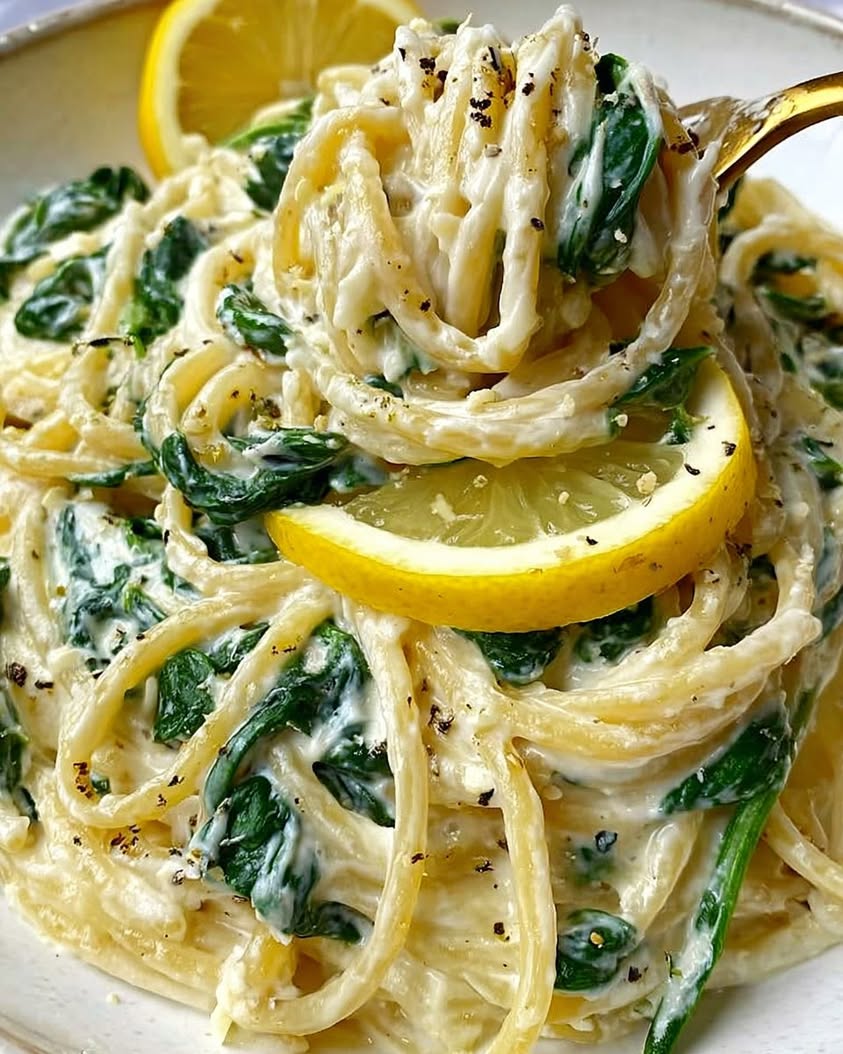
Zesty Lemon Ricotta and Spinach Pasta: A 20-Minute Creamy Dream
Imagine a bowl of pure comfort that feels both indulgent and refreshing. This Zesty Lemon Ricotta and Spinach Pasta delivers exactly that. It is a vibrant, creamy sauce that clings to every strand of pasta, offering a perfect balance of rich cheese and bright citrus. Moreover, it comes together in the time it takes to boil water and cook your noodles. Consequently, this dish is your secret weapon for busy weeknights when you crave something special without the fuss.
The magic of this recipe lies in its simplicity and bold flavors. Fresh lemon zest and juice cut through the luxurious creaminess of the ricotta, creating a sauce that is light yet satisfying. Meanwhile, the wilted spinach adds a pop of color and a nutritional boost, making this a well-rounded meal. Ultimately, this Zesty Lemon Ricotta and Spinach Pasta proves that you do not need a long list of ingredients or hours in the kitchen to create a restaurant-quality dinner at home.
Furthermore, the aroma that fills your kitchen is absolutely irresistible. The scent of garlic sizzling in olive oil, followed by the fresh burst of lemon, is a promise of the delicious meal to come. This dish is a celebration of fresh, wholesome ingredients working in harmony. Therefore, whether you are cooking for your family or impressing last-minute guests, this pasta is a guaranteed crowd-pleaser that will have everyone asking for seconds.
Quick Recipe Highlights
- Flavor Profile: This dish is a masterclass in balance. The creamy, mild ricotta provides a lush base, while the fresh lemon delivers a vibrant, tangy punch that wakes up the entire palate. Additionally, the garlic and red pepper flakes add a savory depth and a subtle hint of heat, creating a complex and utterly addictive taste.
- Texture: The experience is wonderfully multi-textural. You get the smooth, velvety coating of the ricotta sauce on the al dente pasta. Simultaneously, the wilted spinach offers tender, silky leaves that meld into each bite. Finally, a sprinkle of Parmesan or breadcrumbs on top can add a delightful contrasting crunch.
- Aroma: The cooking process releases an incredible fragrance. First, the nutty scent of garlic toasting in extra virgin olive oil fills the air. Then, the bright, citrusy notes of lemon zest and juice cut through, creating an inviting and fresh aroma that signals a light, flavorful meal is moments away.
- Visual Appeal: This pasta is a feast for the eyes with its beautiful color contrast. The creamy white sauce is flecked with vibrant green spinach and specks of lemon zest. Typically, it is a visually stunning dish that looks elegant and appetizing on the plate, perfect for social media or a nice dinner table presentation.
- Skill Level Needed: This is a fantastic recipe for cooks of all levels. Specifically, it requires only fundamental techniques like boiling pasta, mincing garlic, and wilting greens. There is no intricate sauce-making or complex steps. As a result, even a complete beginner can achieve spectacular results with minimal effort.
- Special Equipment: You need only basic kitchen tools. A large pot for boiling pasta, a skillet or large pan for the sauce, a zester or fine grater for the lemon, and a colander are essentials. Notably, you do not need a blender, food processor, or any specialty gadgets, making this recipe highly accessible.
Recipe Overview
- Difficulty Level: We classify this Zesty Lemon Ricotta and Spinach Pasta as “Easy” for several compelling reasons. The steps are sequential and simple, with no advanced culinary skills required. Furthermore, the margin for error is very small, as the sauce comes together effortlessly from a handful of fresh ingredients. It is essentially a foolproof path to a delicious dinner.
- Category: This versatile dish fits multiple meal categories beautifully. Primarily, it is a perfect main course for a quick vegetarian dinner. Alternatively, it can serve as a substantial side dish alongside grilled chicken or fish. It also works wonderfully as a luxurious lunch option that reheats like a dream.
- Cuisine: While not strictly traditional to one region, this pasta draws clear inspiration from the bright, fresh flavors of Southern Italian cuisine, where lemon and ricotta are staple ingredients. It embodies a modern, Americanized approach to pasta that prioritizes quick, flavorful, and vegetable-forward cooking, making it a contemporary weeknight classic.
- Cost: This is an incredibly budget-friendly meal. Ricotta and pasta are inexpensive pantry staples, and a single lemon and bunch of spinach go a long way. Overall, you can expect to feed a family of four a restaurant-quality meal for a fraction of the cost of takeout, making it both economical and satisfying.
- Season: This recipe shines brightest in the spring and summer months when fresh, bright flavors are most desired. However, its comforting creaminess also makes it suitable for fall and winter. Ultimately, because it uses readily available year-round ingredients, this Zesty Lemon Ricotta and Spinach Pasta is a true all-season staple.
- Occasion: It is ideal for busy weeknights, casual weekend lunches, or even elegant dinner parties when plated thoughtfully. Because it is so quick and reliable, it is also perfect for those “what’s for dinner?” moments when you need something impressive fast. It is a universally appealing dish for any informal gathering.
Why You’ll Love This Recipe
First and foremost, the taste and texture are utterly divine. Each forkful delivers a luxurious creaminess from the ricotta that is immediately brightened by the zesty lemon. The garlic provides a savory backbone, and the spinach adds an earthy freshness. This combination creates a dish that feels both comforting and refreshing, a rare and delightful balance. You will find yourself savoring every single bite, from the first to the last.
Secondly, the convenience factor is unbeatable. From start to finish, this Zesty Lemon Ricotta and Spinach Pasta takes just 20 minutes. The sauce literally comes together in the time it takes your pasta to cook. There is no need for a roux or lengthy simmering. Consequently, this recipe is a lifesaver on evenings when time is short but the desire for a homemade, satisfying meal is high. It is faster than delivery and infinitely more rewarding.
From a nutritional standpoint, this dish packs a powerful punch. Spinach is a superstar green, loaded with iron, vitamins A, C, and K. Ricotta cheese provides a good source of protein and calcium. Using whole wheat or legume-based pasta can further boost the fiber and protein content. Therefore, you are enjoying a meal that nourishes your body while delighting your taste buds, a true win-win scenario.
For social and entertaining value, this pasta is a gem. It is easy to double or triple for a crowd, and its vibrant appearance makes it look like you spent far more time than you did. Guests will be impressed by the bright, sophisticated flavors. It is a conversation starter that is also incredibly easy on the host, allowing you to spend more time with your company and less time slaving in the kitchen.
Finally, the cost-effectiveness and accessibility are major perks. The ingredients are humble, affordable, and easy to find at any standard grocery store. You likely have many of them in your kitchen already. This Zesty Lemon Ricotta and Spinach Pasta demonstrates that eating well does not require expensive or exotic components. It is a testament to the power of simple, quality ingredients combined with smart technique.
Historical Background and Cultural Significance
The story of this dish is less about a single point of origin and more about the beautiful evolution of peasant cooking. Pasta with cheese and greens is a foundational concept across Italy, born from necessity and resourcefulness. Farmers and home cooks would combine readily available staples—dried pasta, local cheese, and foraged or garden greens—to create filling, nutritious meals. Our Zesty Lemon Ricotta and Spinach Pasta is a direct descendant of this tradition, updated with the bright, accessible flavors of the modern kitchen.
Culturally, ricotta holds a special place in Italian cuisine, particularly in the south. Unlike aged cheeses, ricotta is a fresh, whey-based cheese that is often made at home. Its mild, creamy texture makes it a versatile base for both sweet and savory dishes. Combining it with pasta is a classic preparation, especially in regions like Sicily and Campania. The addition of lemon reflects the Southern Italian and Mediterranean love for using citrus to cut through richness and add a layer of aromatic freshness to savory dishes.
The evolution of this specific recipe is a modern tale. While the core ingredients have historical roots, the specific combination as a quick, creamy sauce is a contemporary innovation suited to fast-paced lifestyles. It takes the old-world principle of “cucina povera” (poor kitchen)—making the most of what you have—and adapts it for today’s home cook. The use of fresh spinach instead of wild greens and the emphasis on a 20-minute timeline are nods to modern convenience without sacrificing authentic flavor spirit.
Regional variations of this concept abound. In Puglia, you might find orecchiette with ricotta and bitter greens like broccoli rabe. In Rome, pasta with ricotta and pepper (cacio e pepe’s cousin) is a classic. Our version, with its prominent lemon and garlic, leans into a more Americanized or Californian interpretation that celebrates big, bold, fresh flavors. It is a beautiful example of how immigrant food traditions travel, adapt, and become new classics in their own right, beloved for their simplicity and deliciousness.
Ingredient Deep Dive
Ricotta Cheese: Historically, ricotta is a “re-cooked” cheese, made by reheating the whey left over from making other cheeses like mozzarella. This frugal practice is central to Italian “cucina povera.” Nutritionally, it is a good source of protein, calcium, and vitamin A, and is lower in fat and sodium than many hard cheeses. For the best results in your Zesty Lemon Ricotta and Spinach Pasta, seek out whole-milk ricotta for superior creaminess and flavor. Avoid pre-salted varieties if possible. Store it tightly sealed in the coldest part of your fridge and use within a few days of opening. For a dairy-free version, blended silken tofu or a high-quality vegan ricotta can work, though the flavor profile will change.
Fresh Lemon: Lemons have been cultivated in the Mediterranean for millennia, prized for their ability to preserve food and prevent scurvy. They are packed with vitamin C and antioxidants. The zest, where the essential oils live, provides intense aromatic flavor without the sharp acidity of the juice. For this recipe, choose firm, heavy lemons with bright, unblemished skin. Always zest the lemon before juicing it. Store lemons at room temperature for a week or in the fridge for longer. In a pinch, bottled lemon juice can substitute for fresh juice, but there is no true substitute for fresh zest. Its role in the Zesty Lemon Ricotta and Spinach Pasta is irreplaceable.
Fresh Spinach: Spinach has a long history, originating in Persia and traveling along trade routes to Europe and Asia. It is a nutritional powerhouse, loaded with iron, vitamins K, A, and C, and folate. For cooking, flat-leaf “baby” spinach is ideal as it is tender and wilts quickly without a bitter taste. Look for vibrant green, crisp leaves. Store it unwashed in a plastic bag in the crisper drawer. If you only have mature spinach, remove any thick stems. You can substitute other quick-wilting greens like arugula (for peppery notes) or Swiss chard (chopped small). The spinach adds crucial color, texture, and nutrition to the pasta.
Pasta (Long Strands like Linguine or Spaghetti): Dried pasta is a cornerstone of Italian food culture, with its origins tied to the need for durable, transportable food. It provides carbohydrates for energy and, if whole wheat or legume-based, additional fiber and protein. The shape matters here: long, thin strands like linguine are perfect for holding the creamy ricotta sauce. Always cook pasta in a large volume of well-salted water until al dente. Reserve a cup of the starchy pasta water before draining; it is the magic key to emulsifying and thinning the sauce to the perfect consistency for your Zesty Lemon Ricotta and Spinach Pasta.
Garlic and Red Pepper Flakes: Garlic has been used for both culinary and medicinal purposes for thousands of years. It adds a foundational savory depth (umami) to the dish. Red pepper flakes, made from dried and crushed chili peppers, introduce a subtle, adjustable heat that complements the richness. Use fresh, firm garlic cloves and mince them finely for even distribution. Toast them gently in olive oil to mellow their raw bite and release their sweetness. For the pepper flakes, adjust the amount to your heat preference. These two ingredients work together to build a flavor base that prevents the dish from being one-dimensionally creamy.
Common Mistakes to Avoid
- Overcooking the Pasta: Mushy pasta ruins the dish’s texture. Always cook to al dente, as it will continue to soften slightly when tossed with the hot sauce. Furthermore, taste-test a minute before the package’s suggested time.
- Not Saving Pasta Water: The starchy pasta water is essential. It helps create a silky, emulsified sauce that clings to the noodles. Without it, your ricotta mixture may be thick and clumpy instead of creamy and fluid.
- Using Low-Fat Ricotta: Whole-milk ricotta has a vastly superior flavor and creaminess. Low-fat versions can be grainy and watery, which will compromise the luxurious texture of your Zesty Lemon Ricotta and Spinach Pasta sauce.
- Adding Lemon Juice Too Early: If you add the lemon juice to the hot pan before combining with the ricotta, it can “cook” and lose its bright, fresh flavor. Instead, stir it in off the heat or directly into the ricotta mixture.
- Overcrowding the Pan with Spinach: Adding all the spinach at once can steam it and make it watery. Instead, add it in batches, allowing each handful to wilt down before adding the next. This ensures even cooking and prevents sogginess.
- Skipping the Garlic Toast: Simply adding raw, minced garlic to the sauce can result in a harsh, pungent flavor. Taking a minute to gently toast it in the olive oil mellows its flavor and infuses the oil, creating a more complex base.
- Forgetting to Season the Sauce: Ricotta and pasta need seasoning. Do not rely on salt from the pasta water alone. Season the ricotta mixture generously with salt and black pepper. Taste and adjust before combining everything.
- Draining the Pasta Completely Dry: Let some water cling to the pasta when you transfer it to the sauce pan. That residual moisture helps start the saucing process. A bone-dry colander of pasta is harder to sauce properly.
Essential Techniques
Toasting Garlic and Red Pepper Flakes: This technique is crucial for building flavor depth. Gently heating minced garlic in olive oil over medium-low heat softens its pungent raw edge and brings out a nutty, sweet aroma. Adding the red pepper flakes at this stage toasts them slightly, releasing their oils and integrating their heat into the fat. The pitfall is burning; garlic turns bitter in seconds. Watch for it to become fragrant and just begin to turn golden at the edges, then immediately proceed to the next step. This infused oil becomes the flavor foundation of your entire sauce.
Wilting Spinach Properly: The goal is tender, vibrant green spinach, not a soggy, watery mass. After toasting your aromatics, add the spinach in large handfuls. Use tongs to toss and coat it in the hot oil. As the first batch wilts and reduces in volume (which happens quickly), add the next handful. This sequential method allows for even exposure to heat. The visual cue for success is uniformly wilted, dark green leaves that are soft but not mushy. Immediately removing the pan from heat after the last batch wilts prevents overcooking.
Emulsifying the Sauce with Pasta Water: This is the magic step that transforms separate ingredients into a cohesive, restaurant-quality sauce. Start by combining the ricotta, lemon, and seasonings in a bowl. Then, add the hot pasta and a splash of the reserved starchy water to your pan with the spinach. The starch in the water acts as a binder. Off the heat, add the ricotta mixture and toss vigorously. The starchy water helps the creamy ricotta coat every strand evenly, creating a silky, clingy sauce that is neither too thick nor too runny. Add more water as needed until the sauce reaches your desired consistency.
Pro Tips for Perfect Zesty Lemon Ricotta and Spinach Pasta
First, zest your lemon directly into the bowl with the ricotta. The essential oils in the zest will perfume the cheese beautifully before you even mix it.
Second, let your ricotta come to room temperature for 15-20 minutes before starting. This helps it blend smoothly into the sauce without chilling the other ingredients.
Third, use a microplane for the lemon zest and Parmesan cheese. It creates fine, fluffy shreds that incorporate and melt into the sauce much more effectively than larger gratings.
Fourth, if your ricotta seems particularly thick or grainy, give it a quick whisk or blend with a fork before adding the other sauce ingredients. This ensures an ultra-smooth final texture.
Fifth, finish the dish with a final drizzle of high-quality extra virgin olive oil. This adds a layer of fruity flavor and a beautiful glossy sheen to the plated pasta.
Sixth, for an extra flavor boost, toast some panko breadcrumbs in a little olive oil with a pinch of salt until golden brown. Sprinkle this over each serving for a delightful crunch.
Seventh, always serve the pasta immediately in warm bowls. Creamy pasta dishes like this one are best enjoyed fresh from the pan, as they can thicken as they sit.
Variations and Adaptations
Regional Variations: To lean into Southern Italian roots, add a handful of toasted pine nuts and raisins for a Sicilian “sweet and savory” twist. For a Roman touch, swap the red pepper flakes for a generous amount of coarsely ground black pepper (Ricotta e Pepe). A Neapolitan version might include chopped fresh basil and small cherry tomatoes added with the spinach.
Seasonal Adaptations: In spring, use fresh peas and asparagus tips along with the spinach. For summer, add roasted zucchini or yellow squash and fresh mint. In autumn, incorporate roasted butternut squash cubes and sage. Winter calls for heartier greens like chopped kale or Swiss chard, adding them a minute earlier to ensure they soften fully.
Dietary Modifications: For a gluten-free Zesty Lemon Ricotta and Spinach Pasta, use your favorite gluten-free pasta brand. To make it dairy-free, substitute the ricotta with a blend of soaked raw cashews, lemon juice, and nutritional yeast, thinned with water. For a vegan version, use the cashew “ricotta” and a vegan Parmesan alternative.
Flavor Variations: Introduce protein by adding sautéed shrimp, shredded rotisserie chicken, or white beans. For an herbaceous lift, stir in a quarter cup of chopped fresh basil, parsley, or dill with the spinach. A tablespoon of capers or chopped sun-dried tomatoes can add a briny, umami-rich dimension.
Texture Modifications: For a chunkier sauce, use ricotta salata (a firm, salted ricotta) crumbled over the top instead of mixing in fresh ricotta. To make it ultra-creamy, blend half the ricotta with the lemon juice and pasta water before adding to the pan for a smoother consistency.
Presentation Alternatives: Serve the pasta family-style in a large, shallow bowl. Alternatively, use a ring mold to create a neat, vertical stack of pasta on each plate. For individual servings, twirl portions with a fork and spoon into the center of warm bowls, garnishing elegantly.
Serving and Presentation Guide
Plating Techniques: For a casual family meal, serve the Zesty Lemon Ricotta and Spinach Pasta directly from the skillet at the table. For a more formal presentation, use tongs to twirl neat nests of pasta into the center of wide, shallow bowls or plates. This showcases the vibrant green spinach and creamy sauce. Ensure each portion has a good balance of pasta, sauce, and greens.
Garnishing Ideas: A final flourish elevates the dish visually and texturally. A sprinkle of freshly grated Parmesan or Pecorino Romano is classic. For color and freshness, add a few whole small spinach leaves, lemon zest curls, or edible flowers. Toasted breadcrumbs, pine nuts, or chopped toasted almonds add a welcome crunch. A final drizzle of your best extra virgin olive oil adds shine.
Traditional Accompaniments: In Italy, a pasta course like this might be followed by a simple protein. It pairs wonderfully with a light, crisp side salad dressed with a lemon vinaigrette to complement the pasta’s flavors. A slice of crusty, warmed bread is essential for scooping up every last bit of sauce from the plate.
Modern Serving Suggestions: Consider serving smaller portions as a primo (first course) before a grilled fish or chicken main. For a vegetarian feast, pair it with roasted vegetables like broccolini or cherry tomatoes. In a buffet setting, keep it warm in a chafing dish and provide the garnishes separately so guests can customize.
Temperature Considerations: This pasta is best served immediately, piping hot. Warm your serving bowls by rinsing them with hot water and drying them just before plating. If the dish must wait, keep it covered in the warm pan off the heat, but note the sauce will thicken. Have a little warm water or broth on hand to loosen it if needed.
Portion Control Tips: A standard serving is about 2 ounces of dry pasta per person. Because the ricotta sauce is rich, a little goes a long way. Using a kitchen scale to portion the dry pasta ensures everyone gets an equal amount and helps with nutritional planning. Remember, you can always serve a smaller portion with a larger side salad for a balanced meal.
Wine and Beverage Pairing
Wine Pairings: The bright acidity and creamy texture of the Zesty Lemon Ricotta and Spinach Pasta call for wines with good acidity to cut through the richness. A crisp Italian Pinot Grigio or Vermentino from Liguria is a perfect match. Alternatively, a Sauvignon Blanc with its citrus notes will echo the lemon flavor beautifully. For a light red option, a chilled Frappato from Sicily or a delicate Bardolino from Veneto can work wonderfully without overpowering the dish.
Non-Alcoholic Alternatives: Sparkling water with a twist of lemon or lime keeps the palate refreshed. A homemade lemonade, not too sweet, mirrors the pasta’s citrus theme. For a more complex option, try an herbal iced tea, such as mint or lemon verbena, which complements the fresh greens and herbs in the dish without competing.
Coffee/Tea Pairings: After the meal, a cup of lightly roasted coffee or an espresso can provide a pleasant, bitter contrast to the meal’s creaminess. For tea, a green tea like Sencha or a floral white tea would be a light, cleansing finish. Avoid heavy, overly tannic black teas immediately after, as they might clash with the lemon’s acidity.
Temperature Considerations: White wines and sparkling non-alcoholic drinks should be served well-chilled, around 45-50°F. This cool temperature provides a refreshing counterpoint to the warm pasta. If serving a light red, chill it slightly, to about 55°F, to enhance its freshness and make it more food-friendly.
Serving Suggestions: Always pour beverages into appropriate glassware to enhance the experience. Serve wine in standard white wine glasses. Present sparkling water in tall, thin glasses to maintain carbonation. Offer lemonade or iced tea in large, ice-filled glasses garnished with a fresh herb sprig, tying the drink visually to the meal.
Storage and Shelf Life
Storage Methods: Store leftover Zesty Lemon Ricotta and Spinach Pasta in an airtight container in the refrigerator. It is best to consume it within 2 days. The sauce will thicken significantly as it cools, and the pasta will continue to absorb moisture.
Temperature Requirements: Refrigerate promptly after the meal, ensuring the pasta has cooled to just above room temperature first. Do not leave it out for more than two hours. The ideal refrigerator temperature is at or below 40°F (4°C) to prevent bacterial growth.
Container Recommendations: Glass containers with tight-sealing lids are ideal as they do not absorb odors and allow you to see the contents. Alternatively, use BPA-free plastic containers. If storing a single portion, a mason jar works well. Avoid storing in the pot or pan it was cooked in.
Signs of Spoilage: Discard the pasta if you notice an off or sour smell, significant discoloration (the spinach turning a very dark, slimy green), or visible mold. The lemon may cause the dairy to separate slightly upon reheating, which is normal, but a curdled texture or foul odor is not.
Reheating Instructions: The best method is on the stovetop. Add the leftovers to a skillet with a splash of water, broth, or milk. Gently heat over medium-low, stirring frequently, until warmed through. The added liquid will help reconstitute the creamy sauce. You can also use a microwave: place in a microwave-safe dish, add a tablespoon of liquid, cover loosely, and heat in 30-second intervals, stirring in between.
Freezing Guidelines: Freezing is not highly recommended for this dish, as the ricotta can become grainy and the spinach mushy upon thawing. However, if necessary, freeze in an airtight container for up to one month. Thaw overnight in the refrigerator before reheating gently on the stovetop with added liquid. Expect a texture change.
Make Ahead Strategies
Prep Timeline: You can prep several components up to a day in advance to speed up dinner time. Wash and dry the spinach, then store it in a sealed bag with a paper towel in the fridge. Zest and juice the lemon, storing them separately in small containers in the fridge. Mince the garlic and keep it in a tiny covered bowl. Measure out your ricotta, salt, pepper, and red pepper flakes.
Storage Between Steps: Keep all prepped ingredients refrigerated until ready to use. The lemon juice may darken slightly but will be fine for cooking. The minced garlic is best used within 24 hours for peak flavor. Having everything measured and ready (mise en place) turns the active cooking into a simple 10-minute assembly process.
Quality Impact Assessment: Prepping the spinach and aromatics ahead has no negative impact. The lemon zest may lose a tiny bit of its potent aromatic oil overnight, but the flavor difference is minimal. Avoid mixing the ricotta with the lemon juice ahead of time, as the acid can start to break down the dairy, affecting texture.
Assembly Tips: When ready to cook, simply boil your pasta. While it cooks, follow the recipe steps: toast the pre-minced garlic and pepper flakes, wilt the pre-washed spinach, then combine everything with the pre-measured ricotta and lemon. The streamlined process is incredibly efficient.
Reheating Guidelines: This strategy is for prepping components, not the finished dish. The Zesty Lemon Ricotta and Spinach Pasta is best assembled and eaten fresh. If you must fully assemble it ahead, undercook the pasta by a minute, toss it with a tiny bit of oil to prevent sticking, and store the sauce separately. Recombine and warm gently on the stovetop.
Fresh Element Additions: If you do prep ahead, consider adding a final burst of freshness right before serving. A quick grate of additional lemon zest over the plated pasta or a handful of freshly chopped herbs added at the last second will make the dish taste perfectly vibrant.
Scaling Instructions
Halving the Recipe: To serve two, simply divide all ingredient quantities by two. Use a medium saucepan for the sauce and a smaller pot for the pasta. The cook times will remain roughly the same, though you may need to reduce the spinach wilting time slightly. Be cautious with the red pepper flakes—start with half, then adjust to taste. Remember to still reserve a cup of pasta water before draining, as you will need a smaller amount to adjust the sauce consistency.
Doubling or Tripling: For a crowd, multiply the ingredients consistently. Use your largest stockpot for the pasta. For the sauce, you may need to work in batches if your largest skillet cannot hold all the spinach at once, or wilt the spinach in a separate large pot. The garlic-toasting step is critical; do not overcrowd the pan, as the garlic will steam instead of toast. You may need to toast it in two batches. Reserve at least 2 cups of pasta water, as you will need more to achieve the right saucy consistency for a larger volume.
Equipment Adjustments: Scaling up requires larger equipment. Ensure your colander is big enough to drain a large pasta quantity. Use the biggest mixing bowl you have to combine the ricotta mixture. For very large batches, consider using two pots to boil pasta simultaneously to avoid overcrowding, which leads to uneven cooking.
Timing Modifications: While prep time increases with volume, active cook time does not scale linearly. Boiling a larger volume of water takes longer. Prepping more spinach and garlic takes more time. However, the actual sauce assembly time in the pan remains about the same. Plan for extra prep time but similar active cooking time.
Storage Considerations: Leftovers from a doubled batch will be plentiful. Have enough airtight containers ready for storage. Consider if you have sufficient refrigerator space. For large gatherings, it is often better to make multiple fresh batches if possible, as the dish is at its peak immediately after preparation.
Nutritional Deep Dive
Macro Breakdown: A serving of this Zesty Lemon Ricotta and Spinach Pasta provides a balanced mix of macronutrients. The pasta is the primary source of carbohydrates, offering energy. The ricotta cheese contributes a significant amount of protein and fat, which promotes satiety. The olive oil adds healthy monounsaturated fats. Using whole wheat pasta increases the fiber content, which aids digestion and helps maintain steady blood sugar levels.
Micronutrient Analysis: This dish is rich in several key micronutrients. Spinach is loaded with vitamin K for bone health, vitamin A for vision and immunity, and folate. Lemon juice provides a boost of vitamin C, an antioxidant that aids iron absorption from the spinach. Ricotta offers calcium and phosphorus for strong bones and teeth. Garlic contains allicin, a compound with potential immune-boosting properties.
Health Benefits: The combination of ingredients supports overall wellness. The meal is filling and satisfying, which can help prevent overeating. The antioxidants from the spinach and lemon combat oxidative stress. The calcium supports bone density. Furthermore, the dish is vegetarian and can be part of a heart-healthy diet when prepared with moderate amounts of olive oil and cheese.
Dietary Considerations: This recipe is naturally vegetarian. It can be adapted for gluten-free needs with alternative pasta. For those monitoring sodium, control the amount of added salt and use a low-sodium ricotta if available. The dish contains dairy, so it is not suitable for a dairy-free or vegan diet without significant modifications.
Portion Analysis: A standard serving (about 2 oz dry pasta with sauce) is a reasonable main course portion. For those managing calorie intake, be mindful of the ricotta and olive oil quantities, as they are calorie-dense. You can slightly reduce these without sacrificing flavor. Adding a large side salad can help fill the plate with volume for fewer calories from the pasta itself.
Weight Management Tips: To make this dish more weight-loss friendly, increase the ratio of spinach to pasta. Use a measured amount of olive oil (1 tablespoon is plenty). Choose a high-protein, high-fiber pasta like one made from lentils or chickpeas. These adjustments increase satiety and nutrient density, helping you feel full longer on a reasonable portion.
Dietary Adaptations
Gluten-Free: This adaptation is straightforward. Simply substitute the regular pasta with a high-quality gluten-free pasta made from brown rice, corn, quinoa, or a blend. Look for brands that hold their shape well. Be sure to reserve pasta water as usual, as gluten-free pasta water can be just as starchy. All other ingredients in the Zesty Lemon Ricotta and Spinach Pasta are naturally gluten-free.
Dairy-Free: Replace the ricotta cheese with a dairy-free alternative. Many stores sell vegan ricotta made from almonds or tofu. Alternatively, make a simple cashew “ricotta” by blending soaked raw cashews with lemon juice, nutritional yeast, salt, and a little water until smooth and creamy. Use a plant-based butter or olive oil in place of any butter called for, and omit or use a vegan Parmesan substitute for garnish.
Vegan: Follow the dairy-free adaptations for the ricotta. Ensure your pasta is egg-free (most dried pasta is). Use a vegan Print
Zesty Lemon Ricotta and Spinach Pasta
- Total Time: 45 minutes
- Yield: 4
Description
A creamy, bright pasta dish with ricotta, fresh spinach, and a zesty lemon kick, perfect for a quick yet elegant meal.
Ingredients
- 12 oz pasta (such as fettuccine or penne)
- 1 cup whole milk ricotta cheese
- 3 cups fresh spinach, roughly chopped
- 2 cloves garlic, minced
- Zest and juice of 1 large lemon
- 1/4 cup grated Parmesan cheese
- 2 tbsp olive oil
- Salt and black pepper to taste
- Red pepper flakes (optional, for heat)
Instructions
- Bring a large pot of salted water to a boil and cook pasta according to package directions until al dente. Reserve 1/2 cup of pasta water before draining.
- While pasta cooks, heat olive oil in a large skillet over medium heat. Add minced garlic and sauté for 1-2 minutes until fragrant.
- Add the fresh spinach to the skillet and cook until wilted, about 2-3 minutes. Remove from heat.
- In a bowl, mix ricotta, lemon zest, lemon juice, Parmesan, salt, pepper, and red pepper flakes (if using) until smooth.
- Drain pasta and return it to the pot. Add the ricotta mixture and spinach, tossing to combine. Add reserved pasta water as needed to create a creamy sauce.
- Serve immediately, garnished with extra Parmesan and a sprinkle of lemon zest if desired.
Notes
You can customize the seasonings to taste.
- Prep Time: 15 minutes
- Cook Time: 30 minutes
- Method: Main
- Cuisine: Italian-American