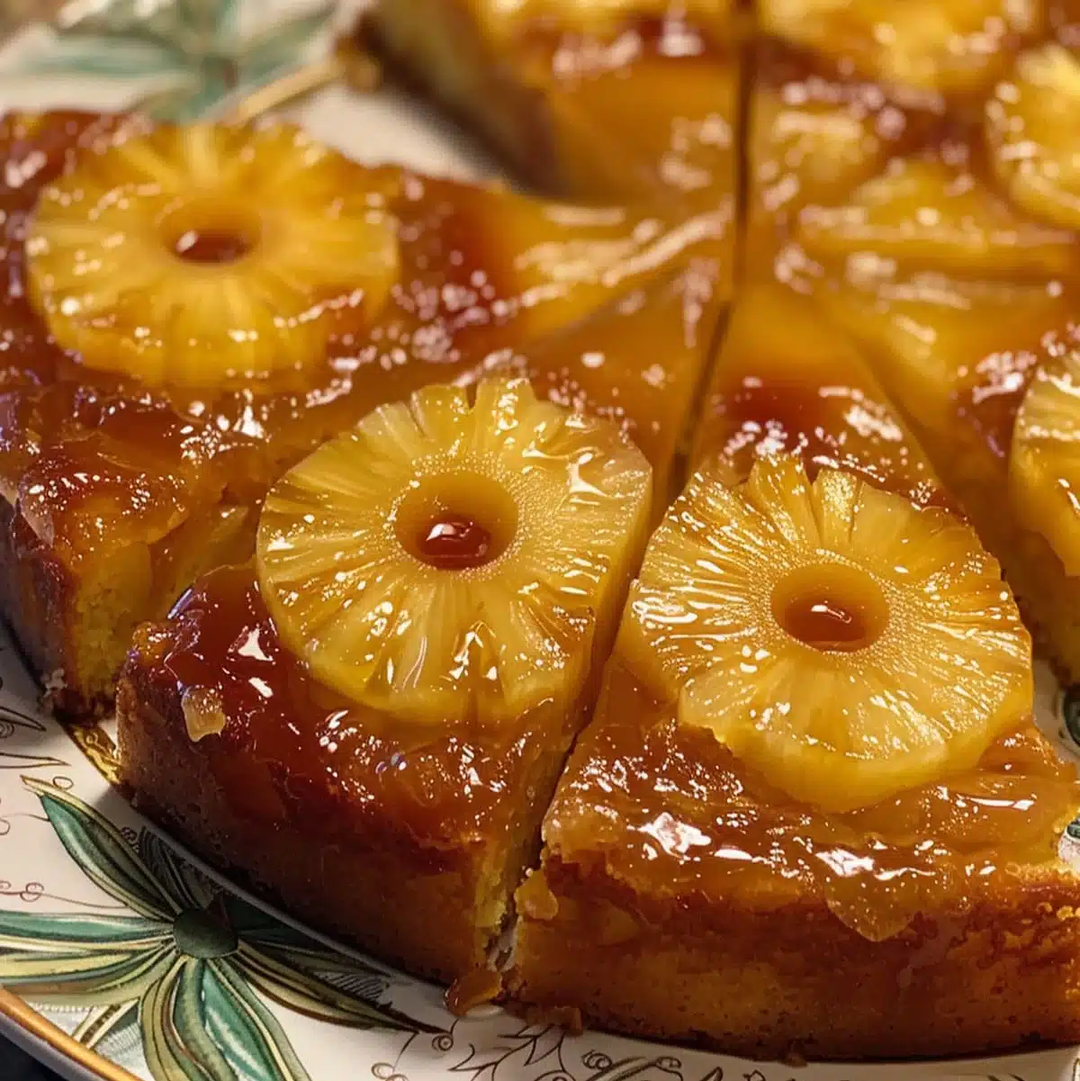
The Ultimate Pineapple Upside-Down Cake Recipe: A Classic Dessert
Welcome to the ultimate guide for making a perfect, show-stopping Pineapple Upside-Down Cake. This classic dessert recipe delivers a stunning presentation and an unforgettable flavor combination. Imagine a moist, buttery vanilla cake baked atop a caramelized layer of sweet pineapple rings and maraschino cherries. The moment you flip the pan, you reveal a gorgeous, glistening top that promises pure indulgence. Consequently, this cake is not just a treat for the taste buds but a feast for the eyes, making it the perfect centerpiece for any gathering.
Our detailed Pineapple Upside-Down Cake recipe walks you through every step to ensure success. We focus on simple techniques that yield professional results, from creating the perfect caramel topping to mixing a tender, fluffy cake batter. Moreover, this guide includes pro tips, historical insights, and answers to all your baking questions. Ultimately, whether you are a novice baker or a seasoned pro, this recipe will help you master a beloved American classic. Let us dive into the sweet, tropical world of pineapple upside-down cake baking.
Quick Recipe Highlights
- Flavor Profile: This Pineapple Upside-Down Cake recipe masterfully balances sweet, tart, and buttery notes. The caramelized brown sugar topping melds with the juicy pineapple, creating a rich, complex sweetness. Meanwhile, the vanilla-infused cake base provides a warm, comforting backdrop that complements the vibrant fruit.
- Texture: Expect a delightful contrast in every bite. The cake itself is supremely moist and tender with a fine, soft crumb. Conversely, the pineapple topping becomes wonderfully sticky and slightly chewy after baking, offering a satisfying textural counterpoint that is simply irresistible.
- Aroma: As this Pineapple Upside-Down Cake bakes, your kitchen will fill with an intoxicating fragrance. The scent of caramelizing sugar and butter blends with the tropical sweetness of pineapple and the warm note of vanilla. This aroma is a classic hallmark of comfort baking.
- Visual Appeal: The inverted presentation is the star of the show. Golden-brown pineapple rings form a beautiful pattern, each centered with a bright red cherry. The glossy, amber-colored caramel sauce seeps into the cake, creating a picture-perfect finish that requires no extra decoration.
- Skill Level Needed: This is an accessible recipe designed for bakers of all levels. The process involves straightforward mixing and layering techniques. Therefore, with careful attention to the caramel step and proper pan preparation, even first-timers can achieve a spectacular result.
- Special Equipment: You only need basic kitchen tools: a 9-inch round cake pan, a mixer for the batter, and a saucepan for the topping. A cast-iron skillet can also be used for a more traditional preparation, adding a rustic touch to this classic dessert recipe.
Recipe Overview
- Difficulty Level: We rate this Pineapple Upside-Down Cake recipe as “Easy.” The steps are sequential and simple, involving no complex pastry skills. However, paying close attention to the caramel stage is crucial to prevent burning. Overall, the process is forgiving and designed for a rewarding baking experience.
- Category: This dish falls squarely into the dessert category, ideal for finishing a family dinner or celebrating a special occasion. It can also be considered a coffee cake, perfect for an afternoon treat with a cup of tea or coffee. Its versatility makes it a beloved choice for many events.
- Cuisine: This is a quintessential American dessert recipe with deep roots in early 20th-century home baking. While pineapple cakes exist in other cultures, the specific “upside-down” method using canned fruit and a caramelized sugar topping is a distinctly American innovation born from convenience and creativity.
- Cost: This Pineapple Upside-Down Cake is very economical to make. Using pantry staples like flour, sugar, butter, and eggs, along with affordable canned pineapple and maraschino cherries, keeps the cost low. As a result, you can create an impressive dessert without straining your grocery budget.
- Season: While you can enjoy this cake year-round, it feels particularly fitting for spring and summer. The bright, tropical flavor of pineapple evokes sunshine and warm weather. Conversely, its comforting warmth also makes it a delightful treat during the cooler autumn and winter months.
- Occasion: This cake is incredibly versatile for events. It is perfect for potlucks, birthday parties, holiday dinners like Easter or Mother’s Day, and casual family gatherings. Its nostalgic appeal makes it a wonderful choice for bridging generations and creating sweet memories.
Why You’ll Love This Recipe
First and foremost, the taste and texture of this Pineapple Upside-Down Cake are utterly divine. Each forkful delivers a harmonious blend of flavors: the deep, rich caramel, the tangy-sweet pineapple, and the soft, vanilla-scented cake. The contrasting textures between the gooey topping and the tender crumb create a truly satisfying eating experience. Furthermore, the visual “wow” factor when you flip the pan never gets old. It is a dessert that promises and delivers pure joy with every single slice.
Secondly, the convenience and preparation benefits are significant. This classic dessert recipe uses simple, easy-to-find ingredients, many of which you likely already have in your pantry. The method is straightforward, without any need for fancy decorating skills. Additionally, the cake is served directly from the pan it bakes in, minimizing cleanup. For busy home cooks, this combination of impressive results and manageable effort is a true winner.
Next, let us consider the nutritional advantages. While undoubtedly a treat, this Pineapple Upside-Down Cake incorporates fruit. Pineapple provides vitamin C, manganese, and digestive enzymes like bromelain. Using fruit in a natural juice pack, rather than heavy syrup, can reduce added sugars slightly. Of course, enjoying a reasonable portion as part of a balanced diet allows you to indulge mindfully. Ultimately, homemade cake always allows for better ingredient control than store-bought versions.
Moreover, the social and entertaining value of this cake is immense. It carries a strong nostalgic weight, often reminding people of grandmothers, family reunions, and classic diner desserts. Serving it sparks conversation and shared memories. It is a universally loved dessert that appeals to both children and adults. Consequently, bringing this cake to any event guarantees you will leave with an empty plate and many compliments.
Finally, the cost-effectiveness and accessibility solidify its appeal. You do not need expensive ingredients or special equipment to create this stunning dessert. A single cake can generously serve eight people, making it a very budget-friendly option for feeding a crowd. The recipe is also highly adaptable; for instance, you can use fresh pineapple when in season or experiment with different cake mix flavors. This flexibility ensures the recipe can work for anyone, anywhere.
Historical Background and Cultural Significance
The origin story of Pineapple Upside-Down Cake is fascinatingly tied to American ingenuity and marketing. In the early 1900s, canned pineapple became widely available and affordable thanks to companies like Dole. Home cooks eagerly incorporated this exotic tropical fruit into their baking. The “upside-down” cake method itself, however, predates pineapple. Cast-iron skillets were commonly used to make “skillet cakes” with apples or other fruits, where the fruit was placed at the bottom and the cake batter poured on top before being inverted after baking.
The cultural importance of this cake cannot be overstated. It became a symbol of mid-century American hospitality and a staple of community cookbooks. The recipe represented a clever use of modern convenience foods (canned fruit) to create something special and beautiful. For many families, it was a “company cake” reserved for guests or Sunday dinners. Its vibrant, polished appearance made it feel luxurious, yet its ingredients were humble and accessible, perfectly capturing a certain post-war domestic ideal.
The evolution of the recipe is a testament to its enduring popularity. The first published recipe for a Pineapple Upside-Down Cake is credited to Dole in 1926, as part of a brilliant marketing campaign to sell more canned pineapple. Originally made in a cast-iron skillet on the stovetop, the method evolved with the times to use standard cake pans and oven baking. Over the decades, variations emerged using cake mix for ultimate ease, but the fundamental principle of the caramelized fruit topping remained unchanged.
Regional variations of this classic dessert recipe have popped up across the country and beyond. In the American South, you might find a version with pecans sprinkled in the caramel. Some bakers add a splash of rum or bourbon to the topping for depth. Others use different fruits like peaches, apricots, or cherries in place of or alongside the pineapple. Internationally, similar inverted fruit cakes exist, like the French “Tarte Tatin.” However, the specific combination of pineapple, maraschino cherries, and a vanilla cake base remains the iconic American standard.
Ingredient Deep Dive
Let us start with the star: pineapple. Cultivated for centuries in South America, pineapple became a global symbol of hospitality and welcome in colonial America. Nutritionally, it is rich in vitamin C, manganese, and bromelain, an enzyme that aids digestion. For the best Pineapple Upside-Down Cake, use pineapple rings packed in juice, not heavy syrup, to better control sweetness. They should be well-drained to prevent a soggy cake. Fresh pineapple can be used but must be cooked slightly first to soften and release moisture.
Brown sugar is the foundation of the iconic caramel topping. Its molasses content provides moisture, a deep color, and a complex, almost toffee-like flavor that white sugar cannot replicate. It contains trace amounts of minerals like calcium and iron from the molasses. Always pack brown sugar firmly into your measuring cup for accuracy. For storage, keep it in an airtight container to prevent hardening. In a pinch, you can make a substitute by mixing white sugar with a tablespoon of molasses per cup.
Butter is non-negotiable for both flavor and texture. It creates the rich caramel with the brown sugar and contributes to the tender crumb of the cake batter. Butter provides fat-soluble vitamins like A and E. Use unsalted butter to control the salt level in your recipe, and ensure it is at proper room temperature for creaming. For the topping, melted butter is fine; for the cake, softened butter is key. While margarine can substitute, the flavor and texture of the final Pineapple Upside-Down Cake will be inferior.
Maraschino cherries provide the classic visual pop of red in the center of each pineapple ring. Originally preserved in Marasca liqueur, modern commercial versions are typically brined and sweetened. They offer little nutritional value but are essential for authentic appearance and a burst of sweet flavor. Look for jars with stems for easy placement. After opening, store them in their liquid in the refrigerator. For a natural alternative, you can use fresh pitted cherries, though they will not have the same vibrant color or candied texture.
All-purpose flour forms the structure of the cake. It is milled from hard or soft wheat and provides the gluten that gives the cake its soft yet stable crumb. For a lighter texture, some bakers use cake flour. Always spoon flour into your measuring cup and level it off to avoid a dense cake. Store flour in a cool, dry place. For a gluten-free Pineapple Upside-Down Cake, use a reliable 1:1 gluten-free flour blend. Be aware that different blends may slightly alter the texture.
Common Mistakes to Avoid
- Not Draining the Pineapple Enough: Excess juice will make the topping watery and prevent proper caramelization. It can also seep into the cake batter, causing a soggy bottom. Always drain the rings thoroughly on paper towels and pat them dry.
- Burning the Brown Sugar Topping: Melting the butter and brown sugar over too high heat or for too long will create a bitter, burnt caramel. Melt them gently over medium-low heat just until combined and bubbly, then immediately remove from the heat and pour into the pan.
- Overmixing the Cake Batter: Once you add the dry ingredients to the wet, mix only until just combined. Overmixing develops the gluten in the flour, leading to a tough, dense cake instead of a light and tender crumb.
- Using the Wrong Pan Size: A pan that is too small will cause the batter to overflow. A pan that is too large will result in a thin cake. Stick to a 9-inch round cake pan for the perfect depth and baking time for this Pineapple Upside-Down Cake recipe.
- Skipping the Pan Prep: Failing to properly grease the pan, especially before adding the sticky topping, is a disaster waiting to happen. The cake will stick, ruining your beautiful presentation. Always grease the pan generously with butter or baking spray.
- Inverting the Cake Too Soon: If you flip the cake immediately out of the oven, it can fall apart. Let it cool in the pan on a wire rack for exactly 5-10 minutes. This allows the topping to set slightly so it stays intact when inverted.
- Inverting the Cake Too Late: Conversely, if you let the cake cool completely in the pan, the caramel will harden and cement the cake to the pan. The 5-10 minute window is crucial for a clean release in this classic dessert recipe.
- Not Testing for Doneness: Ovens vary. Relying solely on time can lead to an underbaked or overbaked cake. Always test by inserting a toothpick into the center of the cake (not the fruit). It should come out clean or with a few moist crumbs.
Essential Techniques
Creating the Caramel Topping: This is the most critical technique. Melt butter and brown sugar together over medium-low heat, stirring constantly. The goal is to dissolve the sugar into the butter to form a smooth, pourable syrup, not to cook it into a hard-crack stage. You will see it bubble and become fragrant. Immediately pour it into your prepared pan and spread it evenly. This step ensures every bite of your Pineapple Upside-Down Cake has that signature sticky-sweet layer.
Creaming Butter and Sugar: For the cake batter, properly creaming room-temperature butter and granulated sugar is key. Beat them together on medium-high speed for 2-3 minutes until the mixture is pale, fluffy, and increased in volume. This process incorporates air, which acts as a leavening agent to give the cake a light texture. Do not shortcut this step. Properly creamed ingredients are the foundation of a tender crumb in any classic dessert recipe.
The “Muffin Method” for Combining Wet and Dry: After creaming, you alternate adding the dry ingredients and the liquid (milk/sour cream). Start and end with the dry ingredients. Add them in 2-3 additions, mixing on low speed just until incorporated after each. This method prevents overmixing the gluten while ensuring a smooth, homogeneous batter. It is a gentle technique that guarantees a uniform texture throughout your Pineapple Upside-Down Cake.
The Inversion Flip: The dramatic moment! After the brief cooling period, place your serving plate upside-down on top of the cake pan. Using oven mitts, hold the plate and pan together firmly and confidently flip them over in one swift motion. Set the plate down, give the pan a gentle tap, and slowly lift it off. If any fruit sticks, carefully use a spatula to place it back on the cake. This technique requires confidence for a perfect reveal.
Pro Tips for Perfect Pineapple Upside-Down Cake
Use Room Temperature Ingredients: Ensure your eggs, milk, and sour cream are at room temperature before mixing the batter. This allows them to emulsify seamlessly with the creamed butter and sugar, resulting in a smoother, more voluminous batter that bakes evenly.
Pat the Pineapple Dry: After draining the rings, lay them on a double layer of paper towels and gently pat the tops dry. This removes surface moisture that could dilute your caramel topping, ensuring it stays rich and gooey instead of becoming watery.
Add a Flavor Boost to the Topping: Stir a teaspoon of vanilla extract or a pinch of cinnamon into the melted butter and brown sugar mixture. For an adult version, a tablespoon of dark rum or bourbon adds wonderful depth to your Pineapple Upside-Down Cake.
Prevent Sticking with Parchment: After greasing your pan, line the bottom with a round of parchment paper and grease the paper. This extra step is a foolproof insurance policy for a clean release, especially important with such a sticky topping.
Check Your Oven Temperature: Oven thermostats are often inaccurate. Use an independent oven thermometer to verify your oven is at the correct 350°F. An oven that runs too hot or too cold will affect baking time and the texture of your classic dessert recipe.
Let it Rest Before Serving: After inverting the cake, allow it to cool for at least 20-30 minutes before slicing. This lets the caramel topping set slightly so it holds its shape when cut, giving you neat, beautiful slices.
Variations and Adaptations
Regional Variations: Southern-style versions often include a handful of chopped pecans or walnuts sprinkled over the caramel before adding the pineapple. In Hawaii, a touch of coconut extract might be added to the batter, or shredded coconut could be toasted and sprinkled on top after baking. These small tweaks honor local ingredients and preferences while keeping the spirit of the Pineapple Upside-Down Cake intact.
Seasonal Adaptations: While pineapple is timeless, try this method with other fruits. In summer, use peach halves or pitted cherries. For autumn, try apple or pear slices tossed with warm spices like nutmeg and cardamom. The basic formula of fruit + caramel + cake is wonderfully adaptable, making it a year-round classic dessert recipe.
Dietary Modifications: For a gluten-free cake, substitute the all-purpose flour with a quality 1:1 gluten-free baking blend. For dairy-free, use plant-based butter and milk, and replace the sour cream with dairy-free yogurt. Veganizing it requires egg substitutes like flax eggs and vegan butter. Each substitution may slightly alter texture, but the delicious result is still achievable.
Flavor Variations: Infuse the cake batter with different extracts like almond, coconut, or lemon. Add the zest of an orange or lime to the batter for a citrusy note. Spice the batter with ground ginger or cinnamon to complement the pineapple. You can even use a different cake base, like a gingerbread cake, for a holiday twist on the Pineapple Upside-Down Cake.
Texture Modifications: For a denser, richer cake, use melted butter in the batter instead of creaming. For an ultra-light cake, separate the eggs, beat the whites to stiff peaks, and fold them in at the end. Adding crushed pineapple to the batter along with the rings on top creates a more intense pineapple flavor throughout.
Presentation Alternatives: Instead of a large cake, make individual portions in a muffin tin. Use pineapple chunks and a cherry piece in each cup. For a “right-side-up” version, bake the cake separately, make the caramel topping in a saucepan, and pour it over the cooled cake just before serving. This keeps the topping extra saucy.
Serving and Presentation Guide
Plating Techniques: Serve your Pineapple Upside-Down Cake directly on the plate used for inversion—it likely already has a beautiful caramel drizzle pattern. Use a sharp, thin-bladed knife dipped in hot water to make clean cuts. Wipe the blade between slices. For a more formal presentation, transfer individual slices to dessert plates using a cake server or wide spatula to keep the topping intact.
Garnishing Ideas: The cake is stunning on its own, but a simple garnish can elevate it. A dollop of freshly whipped cream or a scoop of vanilla ice cream is classic. A sprinkle of flaky sea salt on top contrasts the sweetness beautifully. Fresh mint leaves add a pop of color. For a festive touch, add a few extra maraschino cherries with their stems on the side of the plate.
Traditional Accompaniments: Whipped cream is the most common and perfect partner, cutting through the richness of the caramel. Vanilla ice cream slowly melting over a warm slice is pure bliss. A simple pour of cold heavy cream is a less sweet, elegant option. These accompaniments add a cool, creamy element that complements the warm cake perfectly.
Modern Serving Suggestions: For a brunch item, serve smaller slices with strong coffee. Crumble a slice over Greek yogurt for a decadent breakfast parfait. For a dinner party, plate individual slices with a quenelle of coconut sorbet and a drizzle of caramel sauce. Deconstruct the cake into components for a trendy plated dessert: cake croutons, pineapple compote, caramel cream, and a brandied cherry.
Temperature Considerations: This classic dessert recipe is fantastic served warm, at room temperature, or even chilled. Warm highlights the gooey caramel and soft cake. Room temperature allows the flavors to meld fully. Chilled firms up the topping for a different, delightful texture. Avoid serving it piping hot, as the topping will be too runny.
Portion Control Tips: The rich sweetness means a standard wedge from a 9-inch cake is a satisfying serving. For larger gatherings, cut the cake into 12 smaller slices. Using a smaller pan, like an 8-inch, creates a taller, denser cake where thinner slices are still substantial. Remember, guests can always come back for seconds!
Wine and Beverage Pairing
Wine Pairings: The sweet, tropical nature of Pineapple Upside-Down Cake calls for wines with matching sweetness to avoid tasting bitter. A late-harvest Riesling or Gewürztraminer with notes of apricot and honey is excellent. A Moscato d’Asti provides gentle bubbles and peach flavors. For a richer option, a cream sherry or tawny port complements the caramel notes beautifully. Avoid dry wines, as the cake’s sugar will overwhelm them.
Non-Alcoholic Alternatives: Sparkling apple cider or ginger ale offers a festive, bubbly contrast. A tropical fruit punch or pineapple juice blend echoes the cake’s flavors. Iced tea, especially a slightly sweet peach or passionfruit variety, is a refreshing choice. For a creamy option, a chai latte or hot chocolate can be surprisingly good with the warm spices if you have added them to your cake.
Coffee and Tea Pairings: Coffee is a traditional and perfect partner. A medium-roast coffee balances the sweetness, while a dark roast stands up to the rich caramel. For tea, choose black teas like Earl Grey or English Breakfast. Herbal teas are also great: rooibos has a natural sweetness, and ginger tea can highlight any spice notes in your classic dessert recipe.
Temperature Considerations: Serve chilled beverages with warm cake for a pleasing contrast. Conversely, a hot cup of coffee or tea with room-temperature cake is comforting. If serving the cake chilled, consider a beverage at a similar temperature for harmony. The goal is to balance the eating experience, not to clash with the temperature of the dessert itself.
Serving Suggestions: Offer a selection of pairings for guests to choose from. Place coffee and tea service on a sideboard with cream and sugar. Chill white wines and non-alcoholic sparklers thoroughly. Provide small pour sizes for dessert wines, as they are rich. Ultimately, the best pairing is one that your guests enjoy, so offering choices is always a good strategy.
Storage and Shelf Life
Storage Methods: Once completely cooled, cover the Pineapple Upside-Down Cake tightly with plastic wrap or store it in an airtight cake carrier. The high sugar content in the topping acts as a preservative, but it also attracts moisture. Therefore, proper covering is essential to prevent the cake from drying out or the topping from becoming overly sticky.
Temperature Requirements: Store the cake at room temperature for up to 2 days for the best texture and flavor. If your kitchen is very warm or humid, refrigeration is advisable to prevent spoilage. Refrigeration will firm up the topping and can dry out the cake slightly, so let refrigerated slices come to room temperature for 30 minutes before serving.
Container Recommendations: A cake carrier with a tight-fitting lid is ideal. Alternatively, invert a large bowl over the cake on its plate. If using plastic wrap, gently press it directly onto the cut sides of any leftover cake to seal in moisture. Do not store the cake in the baking pan, as the metal can impart off-flavors over time.
Signs of Spoilage: Look for any visible mold, especially on the fruit topping. An off or fermented smell indicates spoilage. If the cake develops an unusually hard or slimy texture, it is time to discard it. Due to the dairy and eggs in the batter, it is better to err on the side of caution if the cake has been stored for more than 4 days.
Reheating Instructions: To restore that fresh-from-the-oven warmth, place individual slices on a microwave-safe plate. Heat for 10-15 seconds on medium power. Alternatively, warm slices in a preheated 300°F oven for 5-8 minutes. Reheating will soften the caramel topping again. Be careful not to overheat, as the cake can become tough.
Freezing Guidelines: This classic dessert recipe freezes well. Wrap the completely cooled, unsliced cake tightly in two layers of plastic wrap, then a layer of aluminum foil. Freeze for up to 3 months. Thaw overnight in the refrigerator, then bring to room temperature on the counter. Freezing may cause slight condensation on the topping, but the flavor remains excellent.
Make Ahead Strategies
Prep Timeline: You can prepare the components a day in advance. The night before, drain the pineapple and pat it dry, then store it covered in the fridge. Measure out all your dry ingredients and wet ingredients separately. You can even melt the butter and brown sugar for the topping, let it cool, and store it covered at room temperature. This makes assembly on baking day incredibly quick.
Storage Between Steps: If you prepare the caramel topping ahead, gently re-warm it in the microwave or saucepan until pourable before assembling the cake. Keep pre-measured dry ingredients in one bowl and mixed wet ingredients (except eggs) in another in the fridge. Bring cold ingredients to room temperature for 30 minutes before you start mixing the final batter for your Pineapple Upside-Down Cake.
Quality Impact Assessment: Making the batter ahead and refrigerating it is not recommended, as the leavening agents will begin to activate and then deflate, resulting in a dense cake. The “mise en place” (everything in its place) method of pre-measuring is the best make-ahead strategy. It saves time without compromising the rise and texture of the final baked good.
Assembly Tips: On the day of serving, simply arrange your pre-dried pineapple and cherries in the pan, pour the re-warmed topping over them, mix your batter, and bake. This streamlined process takes the stress out of baking for guests and ensures your classic dessert recipe turns out perfectly with minimal active time in the kitchen.
Reheating Guidelines for Make-Ahead: If you bake the cake completely a day ahead, follow the storage instructions. On serving day, you can serve it at room temperature or gently reheat the whole cake, covered with foil, in a 300°F oven for 10-15 minutes. This revives the aromas and softens the caramel beautifully.
Fresh Element Additions: If making ahead, add any fresh garnishes like whipped cream or mint just before serving. This maintains their texture and appearance. The cake itself is sturdy and actually benefits from the flavors melding overnight, making it a fantastic do-ahead dessert for entertaining.
Scaling Instructions
Halving the Recipe: To make a smaller Pineapple Upside-Down Cake, halve all ingredients precisely. Use an 8-inch round pan or even a 9-inch pie plate for a thinner cake. Reduce the baking time by 5-10 minutes and start checking for doneness early. The topping layer will be thinner, so watch it closely to prevent over-browning. This is perfect for a small family or couple.
Doubling or Tripling: For a crowd, double the recipe and bake it in a 9×13-inch rectangular pan. Arrange the pineapple rings in rows. Triple the recipe for a large sheet pan (18×13-inch). When scaling up, increase the baking time gradually. The center will take longer to set, so tent the top with foil if the topping is browning too quickly. Check for doneness with a toothpick in several spots.
Equipment Adjustments: Scaling up requires ensuring your mixer bowl is large enough for bigger batches of batter. You may need to mix in stages. For sheet pan versions, a standard oven rack position is fine, but ensure there is enough space for heat circulation. Using a light-colored metal pan is best to prevent the bottom from over-browning with the larger volume.
Timing Modifications: As a general rule, when doubling the recipe in a deeper pan, add 25-50% more baking time. Start checking 10 minutes before the original time is up. The visual and toothpick tests are even more critical when scaling. The cake is done when golden brown, pulling away from the sides, and a tester comes out clean.
Storage Considerations: A larger cake will have more leftovers. Slice and store portions as directed. Alternatively, you can freeze half of a large cake for later. Scaling successfully allows you to adapt this classic dessert recipe for any event size, from an intimate dinner to a large potluck or party.
Nutritional Deep Dive
Macro Breakdown: A typical slice of Pineapple Upside-Down Cake provides carbohydrates from sugar, flour, and fruit, which supply energy. Fats come from butter and eggs, contributing to satiety and texture. Protein is present in smaller amounts from the eggs and milk. The topping is primarily simple sugars and fat, while the cake portion offers more complex carbohydrates. Balancing a slice with protein-rich foods earlier in a meal can help manage blood sugar response.
Micronutrient Analysis: This dessert offers some micronutrients. Pineapple provides a notable amount of vitamin C and manganese. Eggs contribute choline and vitamin B12. Butter contains vitamin A and vitamin E. Using enriched flour adds iron and B vitamins like folate. While not a health food, the ingredient list does include items that provide more than just empty calories, which is a benefit of homemade baking.
Health Benefits: The pineapple in this classic dessert recipe offers bromelain, an enzyme with anti-inflammatory properties that may aid digestion. The eggs provide high-quality protein and essential amino acids. Using real butter means you are consuming natural fats without trans fats often found in processed baked goods. Homemade versions allow you to control the quality and quantity of ingredients, which is always a healthier choice than store-bought alternatives.
Dietary Considerations: This cake contains gluten, dairy, and eggs, making it unsuitable for those with corresponding allergies or intolerances. It is high in refined sugars and saturated fat. Individuals managing diabetes, heart health, or weight should enjoy it in moderation as an occasional treat. The high sugar content can also be a concern for dental health.
Portion Analysis: One-eighth of a 9-inch cake is a standard serving. This portion provides a satisfying taste of the dessert without being excessive. Cutting the cake into 12 slices creates a more moderate portion for calorie control. Being mindful of portion size is the key to incorporating treats like this Pineapple Upside-Down Cake into a balanced lifestyle.
Weight Management Tips: If you are watching your weight, plan for the cake. Enjoy a smaller slice as a planned treat, and balance your other meals that day with lean proteins, vegetables, and whole grains. Share the cake with others to avoid having too many leftovers tempting you. Most importantly, savor each bite mindfully rather than eating it quickly.
Dietary Adaptations
Gluten-Free: Substitute the all-purpose flour with a 1:1 gluten-free baking blend that contains xanthan gum. Brands like Bob’s Red Mill or King Arthur work well. Be careful not to overmix the batter. The texture may be slightly more crumbly but still delicious. Ensure all other ingredients, like baking powder, are certified gluten-free.
Dairy-Free: Replace butter with a high-quality plant-based butter stick (not spread). Use unsweetened almond, oat, or soy milk in place of regular milk. Substitute the sour cream with an equal amount of plain, unsweetened dairy-free yogurt or coconut cream. The caramel topping will still set, and the cake will have a very similar texture.
Vegan: Use the dairy-free substitutions above. For the eggs, use commercial egg replacer or a flax egg (1 tbsp ground flaxseed mixed with 2.5 tbsp water per egg, let sit 5 mins). The cake may be denser but will still be tasty. Ensure your sugar is vegan (some white sugar is processed with bone char).
Low-Carb/Keto: This is a significant adaptation. Use a low-carb sweetener like erythritol or allulose for both the topping and cake. Substitute almond flour and coconut flour for all-purpose flour. Use sugar-free pineapple extract for flavor instead of real fruit, and top with sugar-free cherry halves. The texture will differ greatly from the original classic dessert recipe.
Paleo
Print A classic dessert with caramelized pineapple and cherries atop a moist vanilla cake, flipped to reveal a beautiful, glazed top. You can customize the seasonings to taste.Pineapple Upside-Down Cake
Description
Ingredients
Instructions
Notes