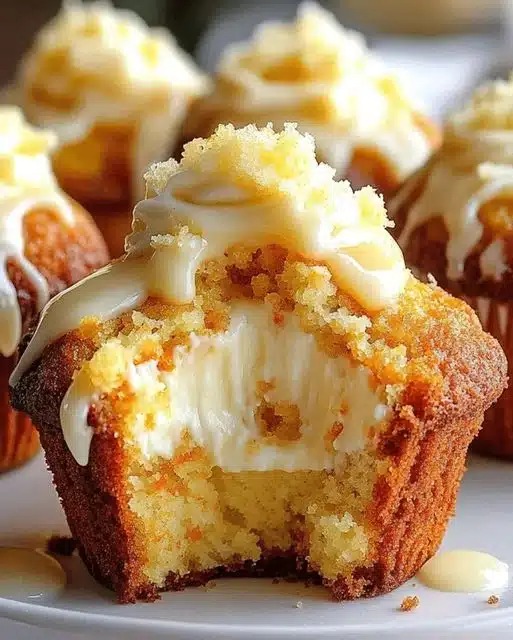
Moist Carrot Cream Cheese Cupcakes: A Perfectly Spiced Recipe
Welcome to the ultimate guide for creating the most delightful moist carrot cream cheese cupcakes. This recipe transforms simple ingredients into a spectacular treat that feels both nostalgic and exciting. Furthermore, these cupcakes perfectly balance the earthy sweetness of carrots with warm, aromatic spices. The result is a tender, flavorful cake crowned with a tangy, luxurious cream cheese frosting that will have everyone asking for seconds.
These moist carrot cream cheese cupcakes are not just another dessert; they are a celebration of texture and flavor. Each bite offers a symphony of sensations, from the soft, spiced crumb to the rich, creamy frosting. Consequently, they are perfect for any occasion, from a casual afternoon snack to a centerpiece at a spring brunch or holiday gathering. Ultimately, this recipe provides clear, foolproof steps to ensure your baking success, regardless of your experience level.
Imagine pulling a tray of these golden-brown cupcakes from your oven, their scent filling your kitchen with notes of cinnamon and nutmeg. The anticipation builds as you swirl on the velvety frosting, perhaps finishing with a sprinkle of toasted nuts or a delicate carrot curl. This experience is what home baking is all about. Therefore, let’s dive into the details of creating these irresistible moist carrot cream cheese cupcakes that are sure to become a cherished favorite.
Quick Recipe Highlights
- Flavor Profile: These moist carrot cream cheese cupcakes deliver a complex harmony. The cake base features the natural sweetness of carrots enhanced by warm cinnamon, ginger, and nutmeg. Meanwhile, the frosting introduces a bright, tangy contrast that cuts through the richness perfectly.
- Texture: Expect an exceptionally tender and moist crumb thanks to the oil, eggs, and shredded carrots. The cream cheese frosting is luxuriously smooth and spreadable, creating a delightful contrast against the soft cake. Additionally, optional add-ins like walnuts or raisins can introduce pleasant crunch or chew.
- Aroma: As they bake, your kitchen will be filled with an irresistible, comforting fragrance. Key aromatic notes include the warm, sweet scent of ground cinnamon, the earthy hint of fresh carrots, and the rich, buttery undertone of the cake batter.
- Visual Appeal: These cupcakes are a feast for the eyes with their golden-brown domes and beautiful pale orange hue from the carrots. The stark white or lightly tinted cream cheese frosting provides elegant contrast, making them look professionally decorated with minimal effort.
- Skill Level Needed: This is a beginner-friendly recipe using straightforward mixing methods. No special pastry skills are required, making it an excellent project for novice bakers. However, attention to detail with ingredient measurements and mixing times ensures the best texture.
- Special Equipment: You will need basic tools: a muffin tin, cupcake liners, mixing bowls, a box grater or food processor for the carrots, and an electric mixer for the frosting. A piping bag and tip can elevate the presentation but are not mandatory.
Recipe Overview
- Difficulty Level: We rate these moist carrot cream cheese cupcakes as “Easy.” The process involves simple steps like grating, mixing wet and dry ingredients separately, and folding them together. Importantly, there’s no need for complex techniques like creaming butter and sugar for extended periods, which simplifies the process significantly.
- Category: This recipe falls squarely into the dessert and baked goods category. Specifically, it’s ideal for afternoon tea, celebratory events, and holiday feasts. Moreover, it can also serve as a sweet breakfast or brunch item when you want something special.
- Cuisine: While carrot cake has roots in European resourcefulness, the modern version, especially as cupcakes, is a staple of American baking. This recipe embraces that tradition with its moist texture and cream cheese frosting, a classic pairing popularized in the United States.
- Cost: Making these moist carrot cream cheese cupcakes is very cost-effective. Basic pantry staples like flour, sugar, oil, and spices form the foundation. Furthermore, carrots are an inexpensive vegetable, and cream cheese and butter for the frosting are affordable splurges, making this a budget-friendly gourmet treat.
- Season: These cupcakes shine year-round but feel particularly fitting for spring and fall. They are perfect for Easter, Mother’s Day, and Thanksgiving gatherings. Conversely, their warm spices also make them a cozy choice for winter holidays.
- Occasion: Their versatility makes them suitable for countless events. They are perfect for birthday parties, potlucks, bake sales, and office treats. Additionally, their elegant appearance makes them worthy of wedding or baby showers.
Why You’ll Love This Recipe
First and foremost, the taste and texture of these moist carrot cream cheese cupcakes are utterly irresistible. The cake itself is incredibly soft and packed with flavor from the carrots and spice blend. Each forkful delivers a perfect balance where the sweet, spiced cake meets the cool, tangy frosting. This combination creates a dessert that is satisfying without being overly heavy. Ultimately, the complex flavors keep you coming back for just one more bite.
Another major benefit is the sheer convenience and straightforward preparation. Unlike layer cakes, cupcakes are portion-controlled and easy to serve. The batter comes together quickly with minimal fuss. Moreover, you can easily bake a batch in less than an hour from start to finish. This makes them an ideal last-minute dessert when you need something impressive fast. Therefore, even on busy weeknights, you can treat your family to a homemade baked good.
From a nutritional perspective, these cupcakes offer some clever advantages. While undoubtedly a dessert, they incorporate a whole vegetable. Carrots provide vitamin A, fiber, and antioxidants. Using oil instead of butter in the cake also contributes to that signature moist texture. Of course, they are a treat to be enjoyed in moderation, but it’s nice to know there’s a hidden veggie inside. Consequently, they can be a sneaky way to add a bit more nutrition to your sweet indulgences.
The social and entertaining value of these cupcakes is exceptionally high. They are individual servings, which eliminates the mess of cutting and plating a cake. This makes them perfect for parties and events where guests can simply grab one. Their universally loved flavor profile appeals to both children and adults. Furthermore, they travel well in a container, making them the perfect contribution to any potluck or gathering. In short, they are a guaranteed crowd-pleaser.
Finally, the cost-effectiveness and accessibility of this recipe are significant wins. The ingredients are common and affordable, available at any standard grocery store. You likely have many of them in your pantry already. Compared to buying a dozen gourmet cupcakes from a bakery, making them at home saves a considerable amount of money. Additionally, you control the quality of every ingredient. This means you can avoid artificial additives and tailor the sweetness to your preference.
Historical Background and Cultural Significance
The origin story of carrot cake is fascinating and rooted in practicality. During the Middle Ages in Europe, sugar and sweeteners were scarce and expensive. Consequently, people began using naturally sweet vegetables, like carrots, to add sweetness and moisture to their puddings and cakes. This resourcefulness allowed them to create desserts without relying on costly imported sugar. Early recipes were more like steamed puddings, a far cry from the fluffy cakes we enjoy today.
The cultural importance of carrot cake grew as it traveled and evolved. It became particularly popular in Britain during World War II due to rationing, as sugar was again in short supply. The Ministry of Food actively promoted recipes using carrots as a substitute sweetener. This period cemented carrot cake’s place in home baking as a symbol of making do with what you have. Later, its popularity crossed the Atlantic to the United States, where it was embraced and refined.
The evolution of the recipe into the modern moist carrot cream cheese cupcake is a 20th-century American tale. In the 1960s, carrot cake recipes began appearing more frequently in American cookbooks and coffee shops. The genius addition of cream cheese frosting, a pairing that seems obvious now, was a game-changer. This frosting provided the perfect tangy counterpoint to the sweet, spiced cake. The shift from large layer cakes to individual cupcakes followed the broader cupcake trend, offering portion control and easy serving.
Regional variations of carrot cake abound, showcasing local tastes and ingredients. In the southern United States, bakers might add crushed pineapple or coconut for extra moisture and tropical flair. Some European versions lean heavier on spices like cloves and allspice. In Australia, it’s common to top the cake with a white chocolate glaze instead of cream cheese. The cupcake format allows for even more creativity, with toppings ranging from classic frosting to caramel drizzles or spiced candied pecans.
Ingredient Deep Dive
Let’s start with the star: carrots. Historically, carrots were used as a sugar substitute, but they bring much more to these moist carrot cream cheese cupcakes. They provide natural sweetness, vibrant color, and crucial moisture that keeps the cake tender for days. Nutritionally, they are packed with beta-carotene, which converts to vitamin A, essential for eye health. For the best results, choose fresh, firm carrots and grate them yourself; pre-shredded carrots are often too dry and thick. Store whole carrots in the refrigerator’s crisper drawer. If you must substitute, grated zucchini or applesauce can provide moisture but will alter the flavor profile significantly.
Cream cheese is the heart of the iconic frosting. This fresh, soft cheese was invented in New York in the 1870s and revolutionized frosting with its spreadable texture and tangy flavor. It provides a rich source of fat and protein, which helps stabilize the frosting. Always use full-fat, brick-style cream cheese for frosting; low-fat varieties contain more water and can lead to a runny consistency. Keep cream cheese refrigerated and bring it to room temperature before blending to avoid lumps. For a dairy-free version, several high-quality plant-based cream cheeses now work remarkably well in frostings.
The choice of oil is critical for achieving that signature moist texture. Unlike butter, which solidifies when cool, oil remains liquid, ensuring the cupcakes stay soft and tender. Vegetable, canola, or a mild olive oil are excellent choices. These oils are sources of unsaturated fats. They should be stored in a cool, dark place to prevent rancidity. For a different flavor, melted coconut oil can be used, but note it will solidify if the cupcakes are chilled, slightly changing the mouthfeel. Do not substitute with butter if you want the classic moist crumb.
The spice blend is what gives these moist carrot cream cheese cupcakes their warm, comforting soul. Cinnamon is the most prominent, offering sweet, woody notes. Ginger adds a slight pungent warmth, and nutmeg contributes a nutty, slightly sweet depth. These spices have been prized for centuries for both flavor and purported medicinal qualities. They contain antioxidants and have anti-inflammatory properties. For the best aroma and flavor, buy whole spices and grind them fresh, but pre-ground is perfectly convenient. Store spices in airtight containers away from heat and light to preserve their potency.
Common Mistakes to Avoid
- Overmixing the Batter: Once you combine the wet and dry ingredients, mix only until just incorporated. Overmixing develops the gluten in the flour, leading to tough, dense cupcakes instead of a tender crumb. A few small lumps are perfectly fine and preferable to overworking the batter.
- Using Pre-Shredded Carrots: Pre-packaged shredded carrots are often too thick and dry, and they lack the fresh moisture that homemade grated carrots provide. They can result in less flavorful and less moist carrot cream cheese cupcakes. Always take the extra few minutes to grate fresh carrots on the small holes of a box grater.
- Not Properly Measuring Flour: The most common baking error is scooping flour directly from the bag with the measuring cup, which packs it down. This leads to using too much flour and dry cupcakes. Instead, spoon flour into your measuring cup and level it off with a knife for an accurate, light measure.
- Adding Frosting to Warm Cupcakes: Applying cream cheese frosting to cupcakes that are even slightly warm is a disaster. The heat will melt the frosting, causing it to slide off and become a runny mess. Always allow your cupcakes to cool completely on a wire rack before you even think about frosting them.
- Using Cold Cream Cheese for Frosting: Attempting to blend cold, hard cream cheese will result in a lumpy, grainy frosting. For a perfectly smooth and spreadable consistency, you must let the cream cheese and butter soften at room temperature for at least 30 minutes before mixing.
- Overbaking: This is the surest way to ruin the moist texture. Check your cupcakes a few minutes before the timer goes off. They are done when a toothpick inserted into the center comes out with a few moist crumbs attached, not completely clean. Overbaking leads to dry cupcakes.
- Skimping on Cooling Time: Rushing the cooling process traps steam, making the cupcakes soggy. Always transfer them from the hot pan to a wire rack after 5 minutes. This allows air to circulate around them, cooling them evenly and preserving their perfect structure.
- Storing Frosted Cupcakes at Room Temperature: Due to the dairy in the frosting, frosted moist carrot cream cheese cupcakes must be refrigerated. Leaving them out for more than two hours, especially in a warm room, risks spoilage. Plan to refrigerate them and bring them to room temperature briefly before serving for the best texture.
Essential Techniques
The first essential technique is properly grating the carrots. Use the small holes on your box grater for the best texture. Larger shreds can be too prominent and may not soften fully during baking, creating unexpected crunchy bits. Grating them finely allows them to blend seamlessly into the batter, distributing moisture and flavor evenly. A common pitfall is grating them too far in advance, which can cause them to dry out. Grate them just before you’re ready to mix them into your wet ingredients. The visual cue for success is a pile of finely shredded, moist carrots that look almost pulpy.
Mastering the “muffin method” of mixing is key for tender cupcakes. This involves whisking all dry ingredients (flour, spices, leaveners, salt) in one bowl and all wet ingredients (oil, sugar, eggs, vanilla, carrots) in another. Then, you gently fold the dry mixture into the wet mixture until just combined. This technique minimizes gluten development. A common mistake is stirring or beating vigorously at this stage. The visual cue for success is a batter that is uniformly mixed but may still have a few small streaks of flour. It should be thick but pourable.
Creating a smooth, stable cream cheese frosting is a non-negotiable skill. Always start with room-temperature cream cheese and butter to ensure a lump-free blend. Beat them together first until completely smooth and creamy. Then, gradually add your sifted powdered sugar on low speed to avoid a sugar cloud. Finally, beat in the vanilla. A common pitfall is overbeating after adding the sugar, which can incorporate too much air and make the frosting thin. The visual cue for success is a frosting that is thick, spreadable, and holds a soft peak when you lift the beaters.
Pro Tips for Perfect Moist Carrot Cream Cheese Cupcakes
Toast your nuts before adding them to the batter. Toasting walnuts or pecans in a dry skillet for a few minutes intensifies their flavor and adds a deeper, more complex crunch that elevates the entire cupcake. Just be sure to let them cool completely before folding them in.
Add a tablespoon of orange zest to the batter. The bright citrus notes complement the warm spices and carrots beautifully, adding a layer of sophistication to the flavor profile without overpowering the classic taste.
Use an ice cream scoop to fill your cupcake liners. This ensures each cupcake is the same size, which promotes even baking. A standard scoop (about 3 tablespoons) typically fills a liner two-thirds full, which is the perfect amount for a nice dome without overflow.
Rotate your muffin tin halfway through baking. Most ovens have hot spots, and rotating the pan ensures all your moist carrot cream cheese cupcakes bake evenly and develop a uniform golden color.
For professional-looking frosting, use a piping bag fitted with a large star or round tip. Even a simple swirl looks far more elegant than a spread-on frosting. If you don’t have a piping bag, a heavy-duty zip-top bag with a corner snipped off works in a pinch.
Garnish with a simple, elegant touch. A small piece of candied carrot, a single toasted pecan half, or a delicate sprinkle of cinnamon on top of the frosting adds visual appeal and hints at the flavors inside.
For ultra-moist cupcakes, wrap the cooled, unfrosted cupcakes tightly in plastic wrap and let them sit overnight at room temperature before frosting. This allows the flavors to meld and the moisture to distribute perfectly throughout the crumb.
Variations and Adaptations
For regional variations, consider adding a Southern twist with a cup of well-drained crushed pineapple or shredded coconut to the batter. A British-inspired version might include a handful of sultanas or currants soaked in tea. Some bakers in the Northeast U.S. love adding a dash of maple syrup to the frosting for an autumnal flavor. These adaptations show how versatile the base recipe for moist carrot cream cheese cupcakes truly is.
Seasonal adaptations are easy and fun. In the fall, mix in a handful of finely chopped apples and a pinch of extra cinnamon. For a winter holiday version, add a hint of clove or allspice to the batter and decorate the frosting with tiny fondant snowflakes or edible gold dust. In spring, fold in a half-cup of toasted coconut and garnish with edible flowers for an Easter celebration.
Dietary modifications are straightforward with a few smart swaps. For gluten-free moist carrot cream cheese cupcakes, use a 1:1 gluten-free all-purpose flour blend. To make them dairy-free, use plant-based cream cheese and butter alternatives for the frosting, and ensure your sugar is certified vegan. For a vegan cake batter, substitute the eggs with flax eggs and use a dairy-free yogurt for added moisture.
Flavor variations can take this classic in exciting new directions. Add a quarter cup of bourbon or rum to the batter for an adult-only version. For a chocolate twist, swap out a quarter cup of flour for cocoa powder. Incorporate a swirl of homemade caramel sauce into the batter before baking for a decadent caramel carrot cupcake. The possibilities are nearly endless.
Texture modifications cater to personal preference. If you love crunch, fold in a half-cup of toasted walnuts or pecans. For a chewy element, add a half-cup of raisins or dried cranberries. If you prefer a smoother cake with no add-ins, simply omit them; the cupcakes will still be deliciously moist and flavorful.
Presentation alternatives go beyond the classic frosted dome. Try a “naked” style by applying a very thin layer of frosting. For a lunchbox treat, bake the batter in a loaf pan for carrot cake bars that are easy to pack. You can also create a “carrot cake parfait” by crumbling the cupcake into a glass and layering it with frosting and whipped cream.
Serving and Presentation Guide
Plating techniques for individual servings are simple yet effective. Place each moist carrot cream cheese cupcake on a small, colorful dessert plate or a simple white doily. For a more modern look, use a slate serving board or a marble slab to display a whole batch. The contrast makes the cupcakes pop visually. If serving at a party, a tiered cupcake stand creates an attractive centerpiece and saves table space.
Garnishing ideas should enhance, not overwhelm. A single toasted pecan or walnut half placed on the frosting is classic and elegant. For a spring feel, a tiny edible flower like a pansy or violet adds charm. A light dusting of ground cinnamon or a sprinkle of orange zest over the frosting adds color and aroma. For a special touch, make candied carrot curls by boiling thin strips of carrot in sugar syrup and letting them dry.
Traditional accompaniments include a hot cup of coffee or tea, which cuts through the sweetness perfectly. For a dessert course, a small scoop of vanilla bean ice cream or a dollop of lightly sweetened whipped cream alongside the cupcake is divine. A glass of cold milk is always a family-friendly pairing that complements the rich flavors.
Modern serving suggestions might include deconstructing the cupcake. Crumble it over a bowl of vanilla Greek yogurt for breakfast. Alternatively, serve a mini cupcake version as part of a dessert tasting menu alongside other bite-sized treats. For a brunch, offer them alongside a fruit salad and quiche for a sweet and savory spread.
Temperature considerations are important for the best experience. Cream cheese frosting is best served slightly cool but not ice-cold. Remove refrigerated cupcakes and let them sit at room temperature for 20-30 minutes before serving. This allows the frosting to soften slightly and the cake to regain its full flavor and tender texture. Never serve them straight from the refrigerator if you can avoid it.
Portion control is built into the cupcake format, but you can adjust. For a children’s party, consider using a mini muffin tin to create bite-sized treats. For a more substantial dessert, make jumbo cupcakes by using a larger tin and increasing the baking time slightly. Always inform guests if you’ve included nuts in the batter by placing a small note on the serving platter.
Wine and Beverage Pairing
Wine pairings for these moist carrot cream cheese cupcakes should balance sweetness and spice. A late-harvest Riesling or a Moscato d’Asti works wonderfully because their natural sweetness complements the cake without overpowering it. The slight acidity in these wines also cuts through the richness of the cream cheese frosting. For red wine lovers, a lighter-bodied, fruity Pinot Noir with low tannins can be a surprising and successful match. Avoid heavy, dry reds like Cabernet Sauvignon, as they will clash with the dessert’s sweetness.
Non-alcoholic alternatives offer just as much pairing pleasure. Sparkling apple cider provides festive bubbles and a fruity note that mirrors the carrots. A chai tea latte echoes the warm spices in the cupcake, creating a cozy, harmonious experience. For a refreshing contrast, a glass of cold, tart lemonade or ginger beer can cleanse the palate between bites beautifully.
Coffee and tea are perhaps the most classic and perfect partners. A medium-roast coffee with notes of caramel or nut enhances the cupcake’s warm spices. A cup of Earl Grey tea, with its bergamot citrus notes, adds a sophisticated layer of flavor. For an herbal option, a rooibos tea, which is naturally sweet and slightly nutty, pairs exceptionally well without any caffeine.
Temperature considerations for beverages depend on the setting. Iced coffee or cold brew is fantastic for a warm-weather picnic or spring brunch. Hot coffee or tea is ideal for a cozy fall gathering or after-dinner treat. Always offer both hot and cold options if you’re serving a crowd to ensure there’s something for everyone’s preference.
Serving suggestions can elevate the entire experience. Present coffee in a French press or a nice carafe alongside cream and sugar. Offer a selection of tea bags or loose-leaf teas with a small pot of hot water. For wine, use proper stemware to enhance the tasting experience. Placing the beverage station near the cupcake display encourages guests to help themselves and create their own perfect pairing.
Storage and Shelf Life
Storage methods differ for frosted and unfrosted cupcakes. Unfrosted moist carrot cream cheese cupcakes can be stored at room temperature in an airtight container for up to 3 days. Once frosted, they must be refrigerated due to the dairy in the cream cheese frosting. Place them in a single layer in a covered container, or use a container tall enough that the lid does not touch the frosting. For longer storage, freezing is your best option.
Temperature requirements are strict for food safety. Frosted cupcakes should not be left at room temperature for more than 2 hours. In a very warm room, reduce that time to 1 hour. Always refrigerate them at or below 40°F (4°C). When you’re ready to serve, let them come to room temperature for the best texture and flavor. Unfrosted cupcakes are more forgiving and can stay on the counter.
Container recommendations are important to prevent drying out or absorbing odors. Airtight plastic or glass containers are ideal. If you need to stack frosted cupcakes, place a layer of parchment paper between layers and use cupcake corrugated inserts to keep them stable. Never store them loosely covered with plastic wrap, as it can stick to and ruin the frosting.
Signs of spoilage include an off smell, especially a sour or cheesy odor beyond the normal tang of cream cheese. Visible mold, which may appear as fuzzy spots, is an absolute discard signal. If the frosting becomes excessively watery or separates, it’s a sign of bacterial growth or age. When in doubt, it is always safer to throw the cupcake away.
Reheating instructions are generally not needed for cupcakes, as they are best served at room temperature. However, if you prefer a warm cake, you can microwave an unfrosted cupcake for 5-10 seconds. Do not microwave frosted cupcakes, as the frosting will melt into a mess. For a just-baked feel, you can warm unfrosted cupcakes in a 300°F oven for 5 minutes.
Freezing guidelines are excellent for make-ahead planning. Freeze unfrosted cupcakes individually wrapped in plastic wrap, then placed in a heavy-duty freezer bag for up to 3 months. Thaw overnight in the refrigerator. You can also freeze frosted cupcakes; place them on a baking sheet until the frosting is solid, then wrap and bag them. Thaw in the refrigerator. The texture may be slightly denser but still delicious.
Make Ahead Strategies
Your prep timeline can be stretched over several days for stress-free entertaining. Day 1: Grate your carrots and store them in an airtight container in the fridge. Toast and chop any nuts. Measure out all your dry ingredients and spices into a bowl, cover, and leave on the counter. Day 2: Bake the cupcakes, let them cool completely, then wrap them tightly and store at room temperature. Day 3 (day of serving): Prepare the frosting, frost the cupcakes, and garnish. This breaks the work into manageable chunks.
Storage between steps is simple with proper planning. The grated carrots may release a little liquid in the fridge; just give them a quick drain before using. The pre-measured dry mix can sit covered for a day or two with no issue. The fully cooled, unfrosted cupcakes are actually best if wrapped and stored overnight; this allows the flavors to develop and the crumb to become even more tender.
Quality impact assessment is positive when making ahead. The flavors of spices deepen when allowed to meld, so an overnight rest improves the cake’s taste. The frosting is always best made fresh the day you plan to serve it for optimal texture and spreadability. Frosting the cupcakes a few hours before serving is fine, but avoid doing it more than a day in advance, as the frosting can start to weep or the cake can dry out slightly.
Assembly tips for efficiency include having all your components ready. Line up your cooled cupcakes, ready frosting, piping bag (if using), and garnishes. Frost one cupcake completely, including garnish, before moving to the next. This assembly-line method is faster and creates more consistent results than frosting all and then garnishing all.
Reheating guidelines are not typically needed, but if your cupcakes have been refrigerated for more than a day, the cake can firm up. Let them sit on the counter for a full hour to take the chill off. This brings back the soft texture and allows the frosting to soften to a creamy consistency. Do not use a microwave to speed this up.
Fresh element additions should always be done at the last minute. If you’re garnishing with fresh edible flowers, toasted coconut, or candied nuts, add them right before serving. This ensures they retain their texture, color, and crunch. If added too far in advance, garnishes can wilt, soften, or bleed color into the frosting.
Scaling Instructions
Halving the recipe is simple if you only need six moist carrot cream cheese cupcakes. Simply divide all ingredient quantities by two. Use one large egg, and if the recipe calls for 1.5 eggs, beat a whole egg and use approximately three-quarters of it. Bake in a standard muffin tin; the baking time may be reduced by 2-4 minutes, so start checking early. This is perfect for small households or testing the recipe.
Doubling or tripling the recipe is straightforward for a crowd. Multiply all ingredients precisely. For large batches, mix the dry ingredients in one very large bowl and the wet in another. You may need to mix the batter in two batches if your bowl isn’t big enough. Use multiple muffin tins or bake in consecutive batches. Rotate the tins in the oven for even baking. This scaling works perfectly for bake sales or large parties.
Equipment adjustments are necessary when scaling up. You will need additional muffin tins and likely more oven space. If baking in batches, let the empty tin cool completely before filling it with batter, or the residual heat can cause uneven baking. A large stand mixer is helpful for big batches of batter and frosting. Ensure you have enough cooling rack space for all the cupcakes.
Timing modifications are minimal but important. When baking multiple tins at once, you may need to increase the baking time by 2-5 minutes due to the oven being more crowded. Always rely on the toothpick test rather than the timer. For frosting, you may need to make the frosting in two batches if your mixer bowl is small to ensure it blends smoothly.
Storage considerations change with volume. A large batch of frosted cupcakes will take up significant refrigerator space. Plan ahead by clearing a shelf and using large, flat containers. If giving them away, have bakery boxes or cupcake carriers ready. For a very large event, you may need to frost in stages, keeping some frosting refrigerated while you work.
Nutritional Deep Dive
A macro breakdown for one frosted moist carrot cream cheese cupcake typically shows a balance of carbohydrates, fats, and a small amount of protein. The primary energy comes from the carbohydrates in the flour and sugar. The fats come from the oil in the cake and the cream cheese and butter in the frosting, contributing to satiety and mouthfeel. The protein comes mainly from the eggs, cream cheese, and the small amount in the flour. This combination provides a sustained energy release rather than a simple sugar spike.
The micronutrient analysis reveals some hidden benefits. Carrots are an excellent source of beta-carotene (vitamin A), vital for vision and immune function. The spices, particularly cinnamon, contain antioxidants and have anti-inflammatory properties. Eggs provide choline for brain health, and the dairy in the frosting offers calcium. While it’s a dessert, it does contribute more micronutrients than a plain vanilla cupcake.
Health benefits, when enjoyed in moderation, include the satisfaction of a homemade treat, which can prevent overindulgence in less nutritious options. The fiber from the carrots and any nuts aids digestion. The use of oil provides heart-healthy unsaturated fats. The psychological benefit of enjoying a delicious, comforting food made with care is also a real part of holistic well-being.
Dietary considerations are important for those with restrictions. This recipe contains gluten, dairy, and eggs. However, as discussed in the adaptations section, it can be modified for many dietary needs. For those monitoring sugar intake, the frosting is the primary source of added sugar; you can reduce the powdered sugar slightly or use a sugar alternative designed for frosting.
Portion analysis is inherent in the cupcake form, which is a built-in advantage for weight management. One cupcake is a defined serving size, making it easier to enjoy a treat without overdoing it. Compared to cutting a slice from a large cake, where portion sizes can vary wildly, a cupcake offers clear boundaries. This can help with mindful eating practices.
Weight management tips include pairing a cupcake with a protein-rich snack, like a handful of almonds or a glass of milk, to balance the carbohydrate load and increase fullness. You can also make mini cupcakes for a smaller portion. Most importantly, savor it slowly to maximize enjoyment from a single serving. Baking them yourself also allows you to control the ingredients and avoid the excessive additives often found in store-bought versions.
Dietary Adaptations
For a gluten-free version, use a reputable 1:1 gluten-free all-purpose flour blend that contains xanthan gum. Brands like Bob’s Red Mill or King Arthur Measure for Measure work excellently. Be careful not to overmix the batter, as gluten-free blends can sometimes become gummy if worked too much. The texture will be slightly more delicate but still wonderfully moist. Ensure all other ingredients, like baking powder, are certified gluten-free.
To create dairy-free moist carrot cream cheese cupcakes, replace the butter in the frosting with a plant-based butter stick and use a high-quality vegan cream cheese. For the cake batter, any neutral oil works perfectly, as it is already dairy-free. Be sure to use a non-dairy milk if your recipe calls for any, though this one does not. The flavor and texture of the frosting will be very close to the original, especially after chilling.
A vegan adaptation requires replacing the eggs. For this recipe, two flax eggs (2 tbsp ground flaxseed mixed with 5 tbsp water, left to gel for 5 minutes) work well. You’ll also need to use the dairy-free substitutions for the frosting mentioned above. The cupcakes may be slightly denser but will remain moist. Check that your sugar is certified vegan, as some white sugar is processed with bone char.
For a low-carb or keto approach, significant changes are needed. Replace the flour with a fine almond flour or coconut flour blend, and use a granulated sugar substitute like erythritol or monk fruit that measures 1:1 like sugar. Replace the carrots with a smaller amount of finely grated zucchini to maintain moisture without the carbs. The frosting can be made with full-fat cream cheese and a powdered sugar substitute.
A Paleo version would use almond or coconut flour, a natural sweetener like coconut sugar or maple syrup, and ghee or coconut oil. The frosting is more challenging, as dairy is not Paleo. A coconut cream frosting sweetened with a little honey could be a suitable alternative, though the Print
Carrot Cream Cheese Cupcakes
- Total Time: 45 minutes
- Yield: 12
Description
Moist carrot cupcakes topped with a rich cream cheese frosting, perfect for any occasion.
Ingredients
- 1 1/2 cups all-purpose flour
- 1 teaspoon baking powder
- 1/2 teaspoon baking soda
- 1/2 teaspoon salt
- 1 teaspoon ground cinnamon
- 1/2 cup vegetable oil
- 3/4 cup granulated sugar
- 2 large eggs
- 1 teaspoon vanilla extract
- 1 1/2 cups grated carrots
- 8 oz cream cheese, softened
- 1/4 cup unsalted butter, softened
- 2 cups powdered sugar
- 1 teaspoon vanilla extract
Instructions
- Preheat oven to 350°F (175°C) and line a muffin tin with cupcake liners.
- In a medium bowl, whisk together flour, baking powder, baking soda, salt, and cinnamon.
- In a large bowl, beat oil, sugar, eggs, and vanilla until smooth. Gradually mix in dry ingredients, then fold in grated carrots.
- Divide batter evenly among cupcake liners, filling each about 2/3 full. Bake for 18-22 minutes or until a toothpick inserted comes out clean. Cool completely.
- For frosting, beat cream cheese and butter until creamy. Gradually add powdered sugar and vanilla, beating until smooth. Frost cooled cupcakes.
Notes
You can customize the seasonings to taste.
- Prep Time: 15 minutes
- Cook Time: 30 minutes
- Method: Dessert
- Cuisine: American