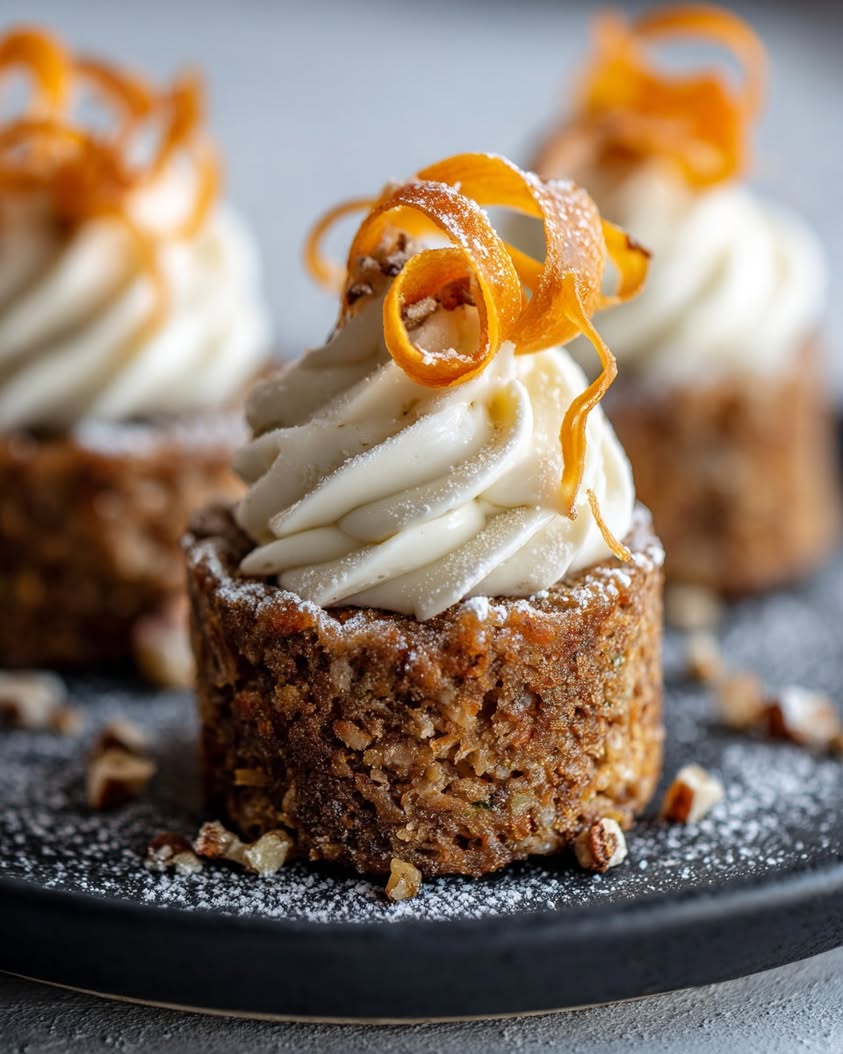
Brown Butter Parsnip Cake Bites: A Sweet and Savory Treat
Imagine a dessert that surprises you in the best possible way. These Brown Butter Parsnip Cake Bites are exactly that kind of delightful culinary adventure. They combine the earthy, subtly sweet flavor of parsnips with the rich, nutty depth of brown butter. Consequently, you get a treat that is both familiar and excitingly new. The result is a moist, tender cake bite that will have everyone asking for the secret ingredient.
Furthermore, these little morsels are perfect for anyone looking to elevate their baking game. They offer a sophisticated twist on classic carrot cake. The process of browning the butter adds a layer of complex flavor that transforms the entire recipe. Ultimately, you create a dessert that feels gourmet yet remains comforting and approachable. This recipe is a fantastic way to introduce a humble root vegetable into your sweet baking repertoire.
Additionally, the texture of these cake bites is simply irresistible. They are incredibly moist and dense in the best way, similar to a perfect spice cake or muffin. The cream cheese frosting provides a tangy, creamy contrast that balances the sweetness beautifully. Therefore, each bite is a harmonious blend of flavors and textures. These Brown Butter Parsnip Cake Bites are guaranteed to become a new favorite for gatherings, afternoon tea, or a special homemade treat.
Quick Recipe Highlights
- Flavor Profile: These bites masterfully balance sweet and savory notes. The nutty brown butter complements the earthy parsnip, while warm spices like cinnamon and ginger add a cozy depth. Finally, the tangy cream cheese frosting cuts through the richness perfectly.
- Texture: Expect an exceptionally moist and tender crumb, thanks to the grated parsnip and brown butter. The cake is dense yet soft, providing a satisfying bite. Moreover, the smooth, creamy frosting adds a luxurious contrast that melts in your mouth.
- Aroma: As they bake, your kitchen will fill with the warm, inviting scents of toasted nuts from the brown butter and aromatic baking spices. The scent is reminiscent of autumn and holiday baking, creating an incredibly comforting atmosphere.
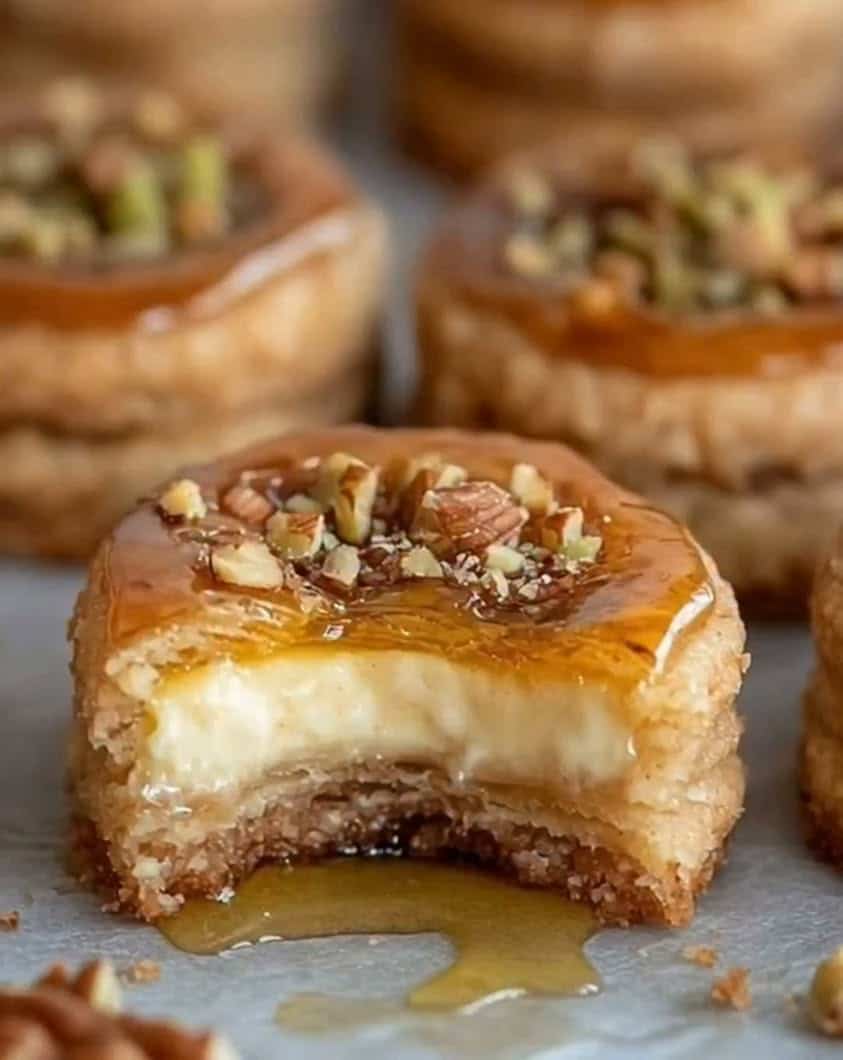
- Visual Appeal: These petite cakes boast a beautiful golden-brown color from the browned butter and parsnips. When topped with a swirl of white cream cheese frosting and a delicate parsnip chip, they look elegant and professionally made.
- Skill Level Needed: This recipe is ideal for bakers ready to try a simple but impactful technique: browning butter. Otherwise, the steps are straightforward, involving basic mixing and baking skills. Attention to detail during the browning process is the key to success.
- Special Equipment: You will need a standard muffin tin or mini muffin pan, a box grater for the parsnips, and a light-colored saucepan for browning the butter. A light pan is crucial because it allows you to see the color change of the butter solids clearly.
Recipe Overview
- Difficulty Level: We rate this recipe as intermediate due to the brown butter technique. Browning butter requires careful attention to prevent burning, but the process is simple and quick. Once you master this one step, the rest of the recipe flows easily like any standard cake mix. The reward for this minor challenge is a profound flavor upgrade.
- Category: These delicious morsels fall squarely into the dessert and snack categories. They are perfect for a sweet ending to a meal, an afternoon pick-me-up with coffee, or a portable treat for picnics and lunchboxes. Additionally, they can be dressed up for a dessert platter at parties.
- Cuisine: This recipe draws inspiration from modern American baking and the tradition of using root vegetables in sweets, much like classic carrot cake. It incorporates French technique with the brown butter, creating a beautiful fusion. The overall feel is cozy, rustic, and thoughtfully crafted.
- Cost: This is a very cost-effective recipe. Parsnips are an affordable winter vegetable, and the other ingredients are common pantry staples like flour, sugar, eggs, and spices. The most significant cost may be the block of cream cheese for the frosting, but it stretches across two dozen bites.
- Season: These Brown Butter Parsnip Cake Bites are ideal for fall and winter when parsnips are at their peak sweetness and most abundant. However, their comforting spice profile makes them a welcome treat any time of year, especially for holiday gatherings or cozy weekends.
- Occasion: They are wonderfully versatile. Serve them for a holiday brunch, package them beautifully as a homemade gift, bring them to a potluck, or simply enjoy them as a weeknight dessert. Their individual size makes them perfect for parties where guests can grab and go.
Why You’ll Love This Recipe
First and foremost, the taste is uniquely captivating. These Brown Butter Parsnip Cake Bites offer a sophisticated flavor profile that stands out from typical cupcakes. The brown butter introduces a deep, toasty, almost hazelnut-like note that pairs magically with the natural sweetness of the parsnips. Meanwhile, the warm spices tie everything together in a familiar, comforting embrace. The tangy frosting provides the perfect finishing touch, ensuring each bite is perfectly balanced and never cloyingly sweet.
From a convenience standpoint, this recipe is a winner. The batter comes together in one bowl after you complete the initial browning step. Additionally, using a mini muffin tin means the bake time is relatively short. You can have a batch of impressive, homemade treats ready in about an hour from start to finish. They also store and travel exceptionally well, making them a reliable go-to for any event where you need to bring a dish.
Nutritionally, these bites offer a slight edge over desserts made with only refined ingredients. Parsnips are a good source of fiber, vitamin C, and folate. By incorporating this vegetable, you add moisture and nutrients without a strong vegetable flavor. Consequently, you can feel a little better about indulging. It is a clever way to add a whisper of wholesome goodness to a decadent treat.
For entertaining, these cake bites are a total crowd-pleaser. Their unique ingredient sparks conversation, and their elegant appearance belies their simple preparation. You can present them on a tiered stand for a tea party or pack them in a box as a lovely edible gift. They appeal to both adults who appreciate nuanced flavors and kids who just love a sweet, frosted bite. Ultimately, they make the baker look like a culinary genius.
Finally, this recipe is incredibly cost-effective and accessible. Parsnips are inexpensive, especially in season, and the rest of the ingredients are kitchen basics. You do not need any fancy equipment or hard-to-find items. This approachability encourages home bakers to experiment and build confidence. By trying this recipe, you expand your skills and your flavor palette with minimal investment.
Historical Background and Cultural Significance
The tradition of using vegetables in cakes has deep historical roots, often born from necessity and resourcefulness. Carrot cake is the most famous example, with origins tracing back to medieval Europe when sweeteners were scarce and expensive. Cooks used sweet vegetables like carrots and parsnips to add natural sweetness and moisture to baked goods. Similarly, parsnips were a common staple in the winter diet, making them a logical candidate for inclusion in desserts when other fruits were not available.
Parsnips themselves have a long culinary history. They were cultivated by the Romans and were a major starch source in Europe before the introduction of the potato. Their sweet, starchy quality after a frost made them a valuable food source. Over time, as sugar became more accessible, the practice of using parsnips in sweets persisted in certain regional cuisines, particularly in the British Isles, where parsnip pie and pudding were traditional dishes.
The evolution of this specific recipe, featuring brown butter, is a modern twist on that historical foundation. Browning butter is a classic French technique known as “beurre noisette.” It involves cooking butter until the milk solids toast, creating a nutty aroma and flavor. Applying this technique to a humble vegetable cake is a brilliant example of contemporary baking. It elevates a simple, rustic concept into something elegant and restaurant-worthy, bridging historical practicality with modern culinary artistry.
Regarding regional variations, similar treats exist worldwide. In the UK, parsnip cake is a known entity, often spiced similarly to carrot cake. In modern American baking, the addition of brown butter represents a current trend of enhancing classic recipes with deeper, more complex flavors. Other root vegetables like sweet potato, beetroot, and even zucchini are used in similar ways across different cultures. This recipe sits at a delicious crossroads of tradition and innovation, honoring the past while delighting the modern palate.
Ingredient Deep Dive
Parsnips: Often overlooked, the parsnip is a root vegetable closely related to carrots and parsley. Historically, it was a vital food crop in Europe. Nutritionally, parsnips are an excellent source of soluble fiber, vitamin C, vitamin K, and folate. Their natural sugars caramelize when cooked, providing a subtle sweetness. For this recipe, choose firm, medium-sized parsnips without soft spots or extensive hairy roots. Store them unwashed in a plastic bag in the refrigerator’s crisper drawer for up to three weeks.
Brown Butter: Brown butter is the superstar ingredient that defines this recipe. It is simply unsalted butter cooked until the water evaporates and the milk solids turn a golden brown. This process creates new flavor compounds that taste deeply nutty and rich. From a culinary perspective, it adds a layer of complexity that plain melted butter cannot match. You can substitute it with regular melted butter in a pinch, but you will lose the signature depth. For a dairy-free version, try browning a plant-based butter that contains milk solids.
Cream Cheese Frosting: The classic pairing for spiced vegetable cakes, cream cheese frosting provides essential tang and creaminess. Cream cheese originated in the United States in the late 19th century. It is made from cream and milk, stabilized with lactic acid. For the best frosting, always use full-fat, brick-style cream cheese. The spreadable kind in tubs contains more water and stabilizers, which can lead to a runny frosting. Ensure your cream cheese and butter are fully at room temperature for a smooth, lump-free blend.
Warm Spices (Cinnamon & Ginger): These spices are non-negotiable for creating the cozy flavor profile. Cinnamon, derived from tree bark, has been used for millennia both as a spice and for its purported health benefits. Ginger adds a warm, slightly peppery kick. Together, they complement the earthiness of the parsnip and the nuttiness of the brown butter perfectly. For the freshest flavor, buy whole spices and grind them yourself, though pre-ground works perfectly well. You can also experiment with adding a pinch of nutmeg or allspice.
Common Mistakes to Avoid
- Burning the Butter: This is the most critical step. Use a light-colored saucepan so you can watch the color change. The butter will foam, then subside. Watch for golden brown milk solids at the bottom and a nutty aroma. Immediately remove it from the heat and pour it into a heatproof bowl to stop the cooking.
- Using Wet Parsnips: After grating, you must squeeze the parsnips firmly in a clean kitchen towel to remove excess moisture. Excess water will steam in the oven, making the cake bites gummy and dense instead of tender and moist.
- Overmixing the Batter: Once you add the flour, mix just until the ingredients are combined. Overmixing develops the gluten in the flour, leading to tough, chewy cake bites instead of a tender crumb. A few streaks of flour are okay.
- Filling the Muffin Cups Too Full: These bites rise. Fill each cup only about two-thirds to three-quarters full. Overfilling causes the batter to spill over the edges, creating messy shapes and making removal difficult.
- Frosting Warm Cake Bites: You must let the cake bites cool completely on a wire rack before frosting. If they are even slightly warm, the frosting will melt, slide off, and become a runny mess. Patience is key here.
- Using Cold Cream Cheese: For smooth, lump-free frosting, your cream cheese and butter must be at true room temperature, softened for about an hour. Cold ingredients will not blend properly, leaving you with a chunky, uneven frosting.
- Not Tasting the Frosting: Always taste your frosting after mixing. You may need to adjust the sweetness with a bit more powdered sugar or the tang with a tiny splash of lemon juice. Season it to your preference.
- Storing While Still Warm: Do not store the cake bites in an airtight container until they are completely cool. Trapped steam will create condensation, making the tops sticky and promoting mold growth.
Essential Techniques
Browning Butter: This technique is fundamental for unlocking deep flavor. Cut your butter into even pieces so it melts uniformly. Use a light-colored saucepan over medium heat. Swirl the pan occasionally as the butter melts, foams, and then crackles. Watch closely for the milk solids turning amber at the bottom and a rich, nutty smell filling your kitchen. Immediately pour the butter into a heatproof bowl to prevent residual heat from burning it. Let it cool slightly before using.
Preparing the Parsnip: Proper prep ensures the right texture. First, peel the parsnips thoroughly. Then, grate them using the medium holes of a box grater. The key next step is to wring out the moisture. Place the grated parsnip in the center of a clean, lint-free kitchen towel. Gather the edges and twist tightly over the sink, squeezing out as much liquid as possible. This step is crucial for a perfect, non-soggy crumb.
Folding Dry Ingredients: This method prevents overmixing. After whisking your dry ingredients together in a separate bowl, add them to the wet mixture. Use a spatula and a gentle, sweeping motion from the bottom of the bowl up and over the top. Rotate the bowl as you go. Stop as soon as you no longer see streaks of dry flour. A few small lumps are acceptable and preferable to a tough batter.
Testing for Doneness: Oven temperatures vary, so visual and tactile cues are essential. The cake bites are done when they are golden on top and spring back lightly when you press the center with your fingertip. Alternatively, a toothpick inserted into the center of a bite should come out clean or with a few moist crumbs attached, not wet batter.
Pro Tips for Perfect Brown Butter Parsnip Cake Bites
First, brown a little extra butter. Having a small surplus allows you to easily measure the correct amount after browning, as some water weight cooks off. You can also use the extra to lightly grease your muffin tin for incredible flavor.
Second, toast your nuts if you add them. If you include walnuts or pecans, toast them in a dry skillet or the oven before chopping and folding in. This enhances their flavor and adds a wonderful crunch.
Third, use an ice cream or cookie scoop to portion the batter. A small scoop ensures each muffin cup gets the same amount, leading to even baking and a professional appearance.
Fourth, let the brown butter cool but not solidify. You want it liquid and pourable, but not so hot that it cooks the eggs when you mix it in. Cooling for about 15 minutes is usually perfect.
Fifth, rotate your muffin tin halfway through baking. This promotes even browning, especially if your oven has hot spots. A quick turn can make a big difference in consistent color.
Sixth, for pretty frosting, use a piping bag fitted with a star or round tip. Alternatively, you can simply dollop frosting with a spoon and smooth it with a knife dipped in hot water.
Seventh, garnish thoughtfully. A tiny piece of candied ginger, a sprinkle of cinnamon, or a delicate parsnip chip adds visual appeal and hints at the flavors inside.
Eighth, for the best flavor, let the frosted bites sit, covered, for a few hours or overnight. This allows the flavors to meld and the frosting to set perfectly.
Variations and Adaptations
For regional variations, consider adding a handful of golden raisins or currants for a British-inspired touch. A Swedish twist might include cardamom alongside the cinnamon. In the American South, a spoonful of bourbon in the frosting adds a lovely warmth.
Seasonal adaptations are easy. In spring, add a teaspoon of lemon zest to the batter for brightness. For a winter holiday version, incorporate minced candied orange peel and a dash of cloves into the spice mix.
Dietary modifications are straightforward. For gluten-free cake bites, use a reliable 1:1 gluten-free flour blend. For a dairy-free version, use a plant-based butter for browning and a vegan cream cheese alternative for the frosting.
Flavor variations can personalize your batch. Add half a cup of toasted chopped walnuts or pecans to the batter for crunch. Substitute maple syrup for a portion of the granulated sugar for a deeper, autumnal sweetness. A teaspoon of vanilla extract or a pinch of black pepper can also add interesting notes.
Texture modifications might include using coconut sugar for a slightly grainier, caramel-like taste. For a lighter texture, separate the eggs, beat the whites to soft peaks, and fold them in at the very end.
Presentation alternatives are endless. Bake the batter in a loaf pan for a tea cake, in a square pan for bars, or even as a layer cake. Skip the frosting and dust with powdered sugar for a simpler treat, or drizzle with a brown butter glaze.
Serving and Presentation Guide
Plating techniques can elevate these humble bites. Arrange them on a simple white platter or a rustic wooden board. For height and interest, use a cupcake stand or tiered dessert tray. Space them evenly to allow each one to shine individually.
Garnishing ideas should complement the flavors. A tiny twist of candied parsnip or carrot, a single toasted pecan half, a light dusting of cinnamon, or a delicate edible flower all make beautiful finishes. Keep garnishes minimal to maintain an elegant look.
Traditional accompaniments include a pot of hot tea, freshly brewed coffee, or a glass of cold milk. For a dessert course, pair with a scoop of vanilla bean ice cream or a dollop of lightly sweetened whipped cream.
Modern serving suggestions might involve deconstructing the elements. Crumble a cake bite over vanilla yogurt for breakfast, or serve alongside a cheese plate for a sweet-and-savory end to a meal. They also make fantastic mini desserts for a tasting menu.
Temperature considerations are important. These cake bites are best served at room temperature. This allows the frosting to be soft and the flavors to be fully pronounced. If refrigerated, let them sit out for 20-30 minutes before serving.
Portion control is built-in with the mini size, but you can adjust. For a more substantial dessert, use a regular muffin tin to make larger cupcakes. One regular-sized cupcake is a perfect single serving.
Wine and Beverage Pairing
Wine pairings should complement the spice and sweetness. A late-harvest Riesling or Gewürztraminer with their inherent sweetness and floral notes are excellent choices. For a red option, a lighter-bodied, fruity Pinot Noir or Beaujolais works well without overpowering the cake. A cream sherry or tawny port is also a classic and luxurious pairing with spiced desserts.
Non-alcoholic alternatives are abundant. Sparkling apple cider mirrors the autumnal flavors. A chai tea latte emphasizes the warm spices. A glass of cold, whole milk is a timeless and comforting partner that cleanses the palate beautifully.
Coffee and tea pairings are a natural fit. A medium-roast coffee with nutty or chocolatey notes echoes the brown butter. For tea, choose a spiced chai, a malty Assam black tea, or a soothing cup of Earl Grey. The bergamot in Earl Grey provides a lovely citrusy contrast.
Temperature considerations for beverages depend on the setting. Hot coffee or tea is perfect for a cozy afternoon. Iced coffee or a cold brew can be refreshing for a summer gathering where you are serving these bites as a unique treat.
Serving suggestions include offering a small selection. Set up a coffee and tea station with the cake bites displayed nearby. For a party, offer a signature cocktail like a bourbon old-fashioned, which shares flavor notes with the brown butter and spices.
Storage and Shelf Life
Storage methods are simple but important. Once completely cool, store the frosted cake bites in a single layer in an airtight container. If you need to stack them, place a sheet of parchment paper between layers to prevent the frosting from sticking. They can be kept at cool room temperature for one day.
For longer storage, refrigeration is necessary due to the dairy-based frosting. Store them in an airtight container in the refrigerator for up to 5 days. The cold will firm up the frosting and cake slightly.
Container recommendations include rigid plastic or glass containers with tight-fitting lids. Avoid storing them in a metal tin with other strongly scented foods, as cakes can absorb odors.
Signs of spoilage include an off smell, visible mold (usually fuzzy spots in green, white, or blue), or an excessively wet or slimy texture. If the frosting begins to separate or weep, it is best to discard the bites.
Reheating instructions are generally not needed, as they are best eaten at room temperature. However, if you prefer a warm cake bite, you can microwave a single unfrosted bite for 5-10 seconds. Do not microwave frosted bites, as the frosting will melt.
Freezing guidelines work well for unfrosted cake bites. Wrap cooled bites individually in plastic wrap, then place them in a freezer-safe bag or container for up to 3 months. Thaw at room temperature and frost just before serving. You can also freeze the frosting separately in an airtight container.
Make Ahead Strategies
Prep timeline can be stretched over two days. On day one, brown the butter, let it cool, and store it covered at room temperature. Grate and squeeze the parsnips, then store them in an airtight container in the refrigerator. Measure out all your dry ingredients and spices.
Storage between steps is safe for these components. The prepared brown butter and parsnips will keep for 24 hours without issue. Having everything measured and ready makes the final mixing and baking process incredibly quick and streamlined.
Quality impact assessment shows that make-ahead prep has no negative effect. In fact, some bakers believe the flavors of the grated parsnip meld slightly, improving the final product. The brown butter’s flavor remains stable.
Assembly tips for the day of serving are simple. Bring your refrigerated parsnips to room temperature. Mix the batter, bake, and let the bites cool completely. Prepare your frosting fresh for the best texture and appearance.
Reheating guidelines are not applicable for this make-ahead strategy, as you are baking fresh. The goal is to break the work into manageable chunks, not to bake and reheat.
Fresh element additions are key. Always frost the cake bites on the day you plan to serve them. Add any delicate garnishes, like fresh herbs or powdered sugar, right before serving to keep them looking their best.
Scaling Instructions
Halving the recipe is simple for smaller batches. Precisely halve all ingredients. Use a standard 12-cup muffin tin and fill every other cup to ensure proper air circulation. The bake time may be slightly reduced, so start checking for doneness at the 15-minute mark.
Doubling or tripling the recipe is great for crowds. Double or triple all ingredients systematically. You will likely need to bake in multiple batches unless you have several oven racks and muffin tins. Rotate the tins top-to-bottom and front-to-back halfway through baking for even results.
Equipment adjustments may be needed when scaling up. Ensure you have a large enough mixing bowl. When browning butter for a double batch, use a wider saucepan to allow for more even evaporation and browning. Do not crowd the saucepan.
Timing modifications are minimal for the batter prep. However, baking multiple trays will increase total oven time. Allow your oven to recover its temperature between batches. Let the muffin tins cool completely before re-greasing and filling with batter for subsequent batches.
Storage considerations change with volume. A large batch will need ample storage space. Plan to use multiple airtight containers. Consider freezing a portion of the unfrosted cake bites if you will not consume them all within a few days.
Nutritional Deep Dive
Macro breakdown per bite will vary but generally includes a balance of carbohydrates from the flour, parsnip, and sugar, fats from the butter and oil in the frosting, and a small amount of protein from the eggs and cream cheese. They are an energy-dense treat, perfect for a midday snack.
Micronutrient analysis reveals benefits from the parsnip, including vitamin C for immune function, folate for cell health, and potassium for blood pressure regulation. The spices, particularly cinnamon, may offer antioxidant properties.
Health benefits of the ingredients include the fiber from the parsnip, which aids digestion and promotes satiety. Using a vegetable as a primary moistening agent also reduces the need for excessive added fats compared to some cake recipes.
Dietary considerations are important to note. This standard recipe contains gluten, dairy, and eggs. However, as outlined in the adaptations section, modifications can be made to accommodate common dietary restrictions like gluten-free or dairy-free needs.
Portion analysis is favorable due to the built-in single-bite size. One mini cake bite provides a satisfying taste of dessert without the calorie load of a full-sized cupcake. This can help with mindful eating and enjoyment.
Weight management tips include savoring one bite slowly with a cup of tea, rather than consuming several quickly. The unique flavor profile encourages you to pay attention and enjoy the experience, which can lead to greater satisfaction with a smaller portion.
Dietary Adaptations
For a gluten-free version, substitute the all-purpose flour with a high-quality 1:1 gluten-free baking blend that contains xanthan gum. Be careful not to overmix. The texture may be slightly more delicate but will be delicious.
For a dairy-free version, use a plant-based butter stick to make the brown butter. For the frosting, use a vegan cream cheese alternative and a plant-based butter. Be sure to chill the frosting if it seems too soft.
For a vegan version, follow the dairy-free steps and replace the eggs. A flax egg (1 tbsp ground flaxseed mixed with 2.5 tbsp water per egg) works well here. The cake may be denser but still moist and flavorful.
For a low-carb or keto adaptation, substitute the flour with almond flour and a small amount of coconut flour. Use a granulated sugar substitute like erythritol that measures 1:1 like sugar. Note that parsnips are starchy, so for strict keto, you may need to reduce the quantity or use a different vegetable like zucchini.
For a paleo version, use almond flour and tapioca flour as the base, and a paleo-approved sweetener like coconut sugar. Ensure your baking powder is grain-free. Ghee can be used instead of butter for browning.
For a low-FODMAP version, this recipe may require significant modification as parsnips contain polyols (mannitol) and wheat flour contains fructans. A small serving might be tolerated by some, but it is not considered low-FODMAP as written. Consult a Monash University app for guidance.
Troubleshooting Guide
If your cake bites are dense and gummy, the likely culprit is excess moisture from the parsnips. Next time, squeeze them more thoroughly. Another cause could be overmixing the batter after adding the flour, which develops gluten.
If the flavor seems flat, you may have under-browned the butter, not used enough spice, or forgotten the salt. Salt is crucial for balancing sweetness and enhancing all other flavors. Ensure you are using fresh spices for maximum potency.
If the cake bites are dry, they may have been overbaked. Oven temperatures can run hot; use an oven thermometer to check accuracy. Also, ensure you measured your flour correctly by spooning it into the measuring cup and leveling it off, not scooping directly from the bag.
If the frosting is runny, your cream cheese or butter was likely too warm, or you used a spreadable cream cheese from a tub. To fix it, chill the frosting mixture for 20-30 minutes, then re-whip. You can also add a little more sifted powdered sugar to thicken it.
If the cake bites stuck to the pan, the tin may not have been greased sufficiently. Always grease even non-stick pans for this moist batter. Let the bites cool in the pan for 5 minutes before gently loosening the edges with a small offset spatula or knife.
If the brown butter burned and tastes bitter, you must start over. Burnt butter cannot be saved and will impart a bitter flavor to the entire batch. Use a lighter pan and lower heat next time, watching it like a hawk.
Recipe Success Stories
Community feedback on this recipe has been overwhelmingly positive. Many home bakers express surprise and delight at how much their families enjoy the parsnip element. One common comment is, “I didn’t tell them what was in it, and they begged for the recipe!” This reaction highlights the successful flavor disguise and enhancement provided by the brown butter and spices.
Variation successes are frequently shared. Some readers have added orange zest to the batter with great results, while others have incorporated a handful of shredded coconut. A popular adaptation is using a maple cream cheese frosting, which pairs beautifully with the autumnal notes of the cake.
Adaptation stories from those with dietary restrictions are inspiring. Several gluten-free bakers have reported excellent results using their favorite blends. Vegan bakers have shared beautiful photos of their versions using flax eggs and plant-based ingredients, proving the recipe’s versatility.
Reader suggestions have included making a parsnip puree instead of grating for an even finer texture, though this changes the moisture content. Another great tip is to save the browned milk solids from the butter and sprinkle them on top of the frosting for an extra hit of flavor.
Photography tips from successful bakers emphasize natural light. Shooting these cake bites on a rustic wood background or a simple marble slab makes the golden color and creamy frosting pop. A garnish of a single, curled parsnip peel adds a professional chef’s touch to the photo.
Frequently Asked Questions
Can I make these as a loaf or sheet cake instead of bites? Absolutely. Pour the batter into a greased 9×5 loaf pan or an 8×8 square pan. Adjust the baking time; a loaf may take 50-60 minutes, and a square cake 30-40 minutes. Use the toothpick test for doneness.
My parsnips seem very woody. Is that okay? Try to choose younger, medium-sized parsnips, as large ones can develop a tough, woody core. If your parsnip has a very large core, you can cut it out after peeling before grating.
Can I use pre-shredded or bagged parsnips? It is not recommended. Pre-shredded vegetables dry out and lose flavor. Furthermore, you need to squeeze the moisture from fresh-grated parsnips, which is a crucial step for texture.
Can I omit the frosting? Yes, they are still delicious unfrosted. You could dust them with powdered sugar or a cinnamon-sugar mix before baking for a simpler finish.
How do I know when the butter is properly browned? Look for three signs: a nutty aroma, golden brown milk solids at the bottom of the pan, and the butter taking on a light amber color. It usually happens just after the foaming subsides.
Can I use salted butter? It is better to use unsalted butter so you can control the salt level in the recipe. If you only have salted, reduce the added salt in the cake batter by half.
Why did my frosting turn out yellowish? This is normal if you used the brown butter in the frosting. For a whiter frosting, use regular softened butter instead of brown butter in the frosting recipe.
Can I freeze the frosted cake bites? Freezing frosted bites is tricky as the frosting can become watery when thawed. It is best to freeze unfrosted bites and frost them after thawing.
What can I use instead of a muffin tin? A mini cheesecake pan with removable bottoms works well. You can also use a silicone mini muffin mold, which requires no greasing and allows for easy pop-out removal.
Are parsnips sweeter than carrots? After a frost, parsnips can taste sweeter than carrots because their starch converts to sugar. They have a more earthy, complex sweetness compared to the straightforward sweetness of a carrot.
Additional Resources
For related recipes, explore other vegetable-based desserts like classic carrot cake with cream cheese frosting, zucchini bread, or sweet potato brownies. Each showcases how vegetables can create incredible moisture and subtle sweetness in baking.
Technique guides that will help you master this recipe include detailed tutorials on how to brown butter perfectly every time, how to grate vegetables efficiently, and how to pipe beautiful frosting swirl Print
Brown Butter Parsnip Cake Bites
- Total Time: 45 minutes
- Yield: 4
Description
These moist and spiced cake bites feature grated parsnips and nutty brown butter for a unique, earthy-sweet dessert.
Ingredients
- 1 cup unsalted butter, browned and cooled
- 1 1/2 cups all-purpose flour
- 1 teaspoon baking powder
- 1/2 teaspoon baking soda
- 1/2 teaspoon salt
- 1 teaspoon ground cinnamon
- 1/2 teaspoon ground nutmeg
- 1/4 teaspoon ground ginger
- 3/4 cup granulated sugar
- 2 large eggs
- 1 teaspoon vanilla extract
- 1 1/2 cups grated parsnips (about 2 medium)
- 1/2 cup chopped walnuts or pecans (optional)
- Cream cheese frosting for topping (optional)
Instructions
- Preheat oven to 350°F (175°C). Grease a mini muffin tin or line with paper liners.
- In a medium bowl, whisk together flour, baking powder, baking soda, salt, cinnamon, nutmeg, and ginger. Set aside.
- In a large bowl, combine the cooled brown butter and sugar. Beat until smooth. Add eggs one at a time, then stir in vanilla.
- Gradually mix the dry ingredients into the wet ingredients until just combined. Fold in grated parsnips and nuts (if using).
- Spoon batter into prepared mini muffin tin, filling each about 3/4 full. Bake for 18-22 minutes, until a toothpick inserted comes out clean.
- Let cool in the tin for 5 minutes, then transfer to a wire rack. Frost with cream cheese frosting if desired before serving.
Notes
You can customize the seasonings to taste.
- Prep Time: 15 minutes
- Cook Time: 30 minutes
- Method: Dessert
- Cuisine: American