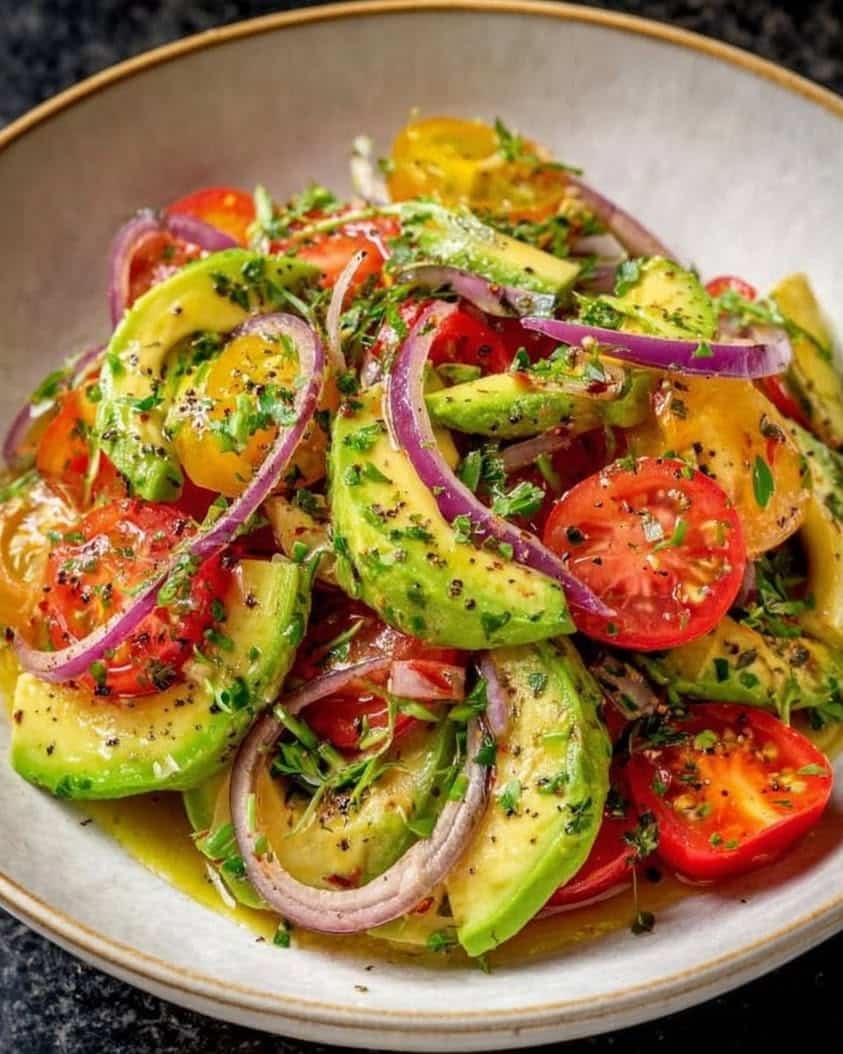
Fresh Avocado Tomato Onion Salad: A Vibrant & Healthy Summer Recipe
This fresh avocado tomato onion salad is a celebration of simplicity and flavor. It is the perfect dish for anyone seeking a healthy, no-cook meal that bursts with color and vitality. Moreover, this salad combines creamy avocado with juicy tomatoes and sharp red onion, creating a symphony of textures and tastes in every single bite. Ultimately, it is a testament to how a few quality ingredients can create something truly extraordinary.
Imagine a dish that requires zero cooking yet delivers maximum satisfaction. This vibrant avocado tomato onion salad does exactly that. It is incredibly versatile, serving as a perfect side dish for grilled meats, a hearty topping for tacos, or a satisfying standalone lunch. The combination of healthy fats, vitamins, and antioxidants makes it not just a treat for your taste buds but also a nourishing choice for your body. Furthermore, its bright colors and fresh aroma make it an instant crowd-pleaser at any gathering.
Preparing this salad is a joyful experience. The process of dicing ripe avocados, chopping sun-ripened tomatoes, and thinly slicing red onion is almost meditative. Then, a simple dressing of lime juice, olive oil, and fresh cilantro brings everything together. The result is a refreshing and healthy salad that feels both rustic and elegant. This recipe is your gateway to a world of effortless, nutritious eating that never compromises on taste.
Quick Recipe Highlights
- Flavor Profile: This salad offers a beautiful balance. The creamy, rich avocado contrasts with the bright acidity of the tomato and the pungent, sharp bite of the red onion. A simple lime and olive oil dressing enhances these flavors without overpowering them, while fresh cilantro adds a final herbal note.
- Texture: The mouthfeel is a delightful play of contrasts. You get the buttery softness of perfectly ripe avocado against the juicy burst of tomato flesh. Meanwhile, the crisp, crunchy red onion provides a satisfying textural counterpoint that keeps every forkful interesting.
- Aroma: The aroma is instantly fresh and inviting. First, you notice the grassy, bright scent of chopped cilantro and lime zest. Then, the earthy fragrance of the avocado and the sweet, garden-fresh smell of the tomatoes come through, promising a clean and healthy eating experience.
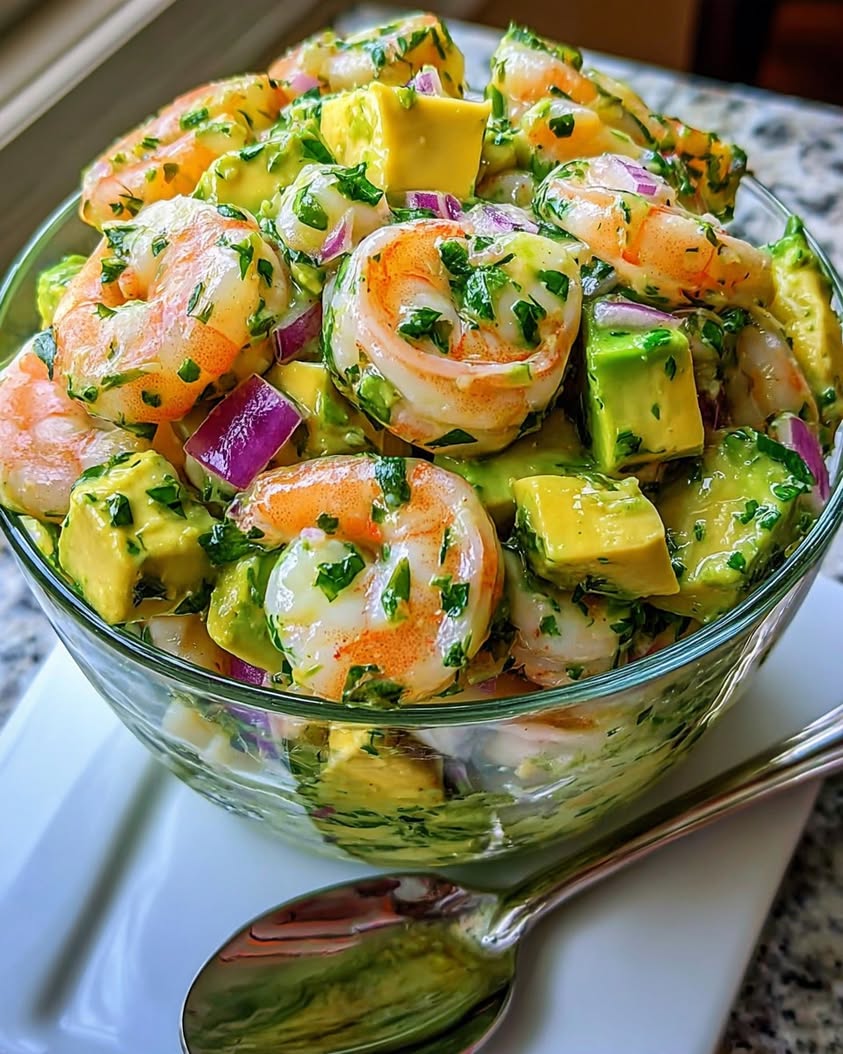
- Visual Appeal: This salad is a feast for the eyes with its stunning color palette. The vibrant green of the avocado, the deep red of the tomatoes, and the purple hue of the red onion create a visually striking dish. A final sprinkle of green cilantro makes the colors pop even more on the plate.
- Skill Level Needed: Absolutely no advanced culinary skills are required. This is a beginner-friendly recipe that focuses on simple knife work and easy mixing. The key to success lies in selecting ripe ingredients and combining them with care, not in complex techniques.
- Special Equipment: You only need basic kitchen tools. A sharp chef’s knife and a sturdy cutting board are essential for prepping the vegetables. Additionally, a small bowl for whisking the dressing and a large mixing bowl for tossing everything together are all you need to make this healthy salad.
Recipe Overview
- Difficulty Level: We rate this recipe as “Easy” because it involves no cooking, requires minimal techniques, and uses straightforward ingredients. The primary tasks are chopping and mixing, making it accessible for cooks of all levels. Success depends more on ingredient quality than on skill, so it is a very forgiving dish. Even a first-time cook can achieve fantastic results with this simple guide.
- Category: This dish fits perfectly into multiple meal categories. Primarily, it is a refreshing side salad or a light appetizer. Furthermore, it can easily become a main course when served over greens or alongside a protein like grilled chicken or fish. It is also an excellent topping for bowls, tacos, and burgers.
- Cuisine: While the core ingredients are universal, this preparation draws inspiration from fresh, produce-focused cuisines. It has clear ties to Mexican guacamole salads and Mediterranean chopped salads. The use of lime and cilantro gives it a bright, Latin American flair, making it a versatile fusion dish that celebrates global, healthy eating trends.
- Cost: This is a very cost-effective recipe, especially when avocados and tomatoes are in season. The main expenses are the avocados and fresh produce. Pantry staples like olive oil, lime juice, salt, and pepper round out the dish for pennies. Overall, you can make a large, impressive salad for a fraction of the cost of a restaurant version.
- Season: This avocado tomato onion salad truly shines in the summer and early fall. This is when tomatoes are at their peak sweetness and flavor, and avocados are often most affordable and creamy. However, thanks to year-round availability, you can enjoy this healthy salad any time you crave a burst of freshness.
- Occasion: Its versatility makes it suitable for countless occasions. It is a quick weekday lunch, an elegant side for a dinner party, or a perfect potluck contribution. It travels well for picnics and barbecues. Moreover, its bright, healthy profile makes it a welcome addition to any brunch or wellness-focused gathering.
Why You’ll Love This Recipe
You will adore the taste and texture appeal of this avocado tomato onion salad. Firstly, every bite delivers a perfect harmony. The creamy avocado melts in your mouth, while the tomato provides a juicy, sweet-tart explosion. Then, the sharp crunch of red onion cleanses the palate. This dynamic combination is incredibly satisfying and far more interesting than a standard garden salad. The simple dressing of lime and olive oil ties these elements together beautifully, enhancing their natural flavors without masking them.
The convenience and preparation benefits are major reasons to love this recipe. You can literally make it in fifteen minutes with zero cooking required. It is the ultimate solution for hot days when you do not want to turn on the oven. Furthermore, it uses minimal dishes, so cleanup is a breeze. This makes it perfect for busy weeknights or last-minute entertaining. You can easily double or triple the recipe to feed a crowd without any additional hassle.
Nutritional advantages are a huge selling point for this healthy salad. Avocados provide heart-healthy monounsaturated fats and fiber, which help keep you full and satisfied. Tomatoes are packed with lycopene, a powerful antioxidant, and vitamin C. Red onions offer quercetin and other beneficial compounds. Together, they create a nutrient-dense dish that supports overall wellness. This salad is a delicious way to incorporate more vitamins, minerals, and good fats into your diet effortlessly.
The social and entertaining value of this dish is exceptional. Its vibrant colors make it a stunning centerpiece on any table. Guests always appreciate a fresh, homemade option that looks as good as it tastes. It pairs wonderfully with almost any main course, from grilled steak to vegetarian lasagna. Because it is naturally gluten-free and vegan-friendly, it accommodates various dietary preferences without requiring separate preparations. It is a guaranteed conversation starter and a dish people will ask you to make again.
Finally, the cost-effectiveness and accessibility are unbeatable. You only need a handful of fresh ingredients, most of which are pantry staples. Even the avocados, often the most expensive component, are a worthwhile investment for the flavor and nutrition they provide. You can find everything at any standard grocery store. This recipe proves that eating well does not have to be complicated or expensive. It turns affordable, accessible produce into a restaurant-quality dish right in your own kitchen.
Historical Background and Cultural Significance
The origin story of combining avocado, tomato, and onion is deeply rooted in the Americas. Avocados are native to south-central Mexico, where they have been cultivated for thousands of years. Tomatoes also originated in the same region. Indigenous peoples undoubtedly combined these local staples long before European contact. The addition of onion, which has origins in Central Asia, likely came later through trade and cultural exchange. This trio forms the foundational base for many iconic dishes across Latin American cuisines, representing a beautiful fusion of native and introduced ingredients.
The cultural importance of this combination cannot be overstated. In Mexico, it is the heart of guacamole and countless fresh salsas and salads. These dishes are not just food; they are integral to social gatherings, celebrations, and daily family meals. The ingredients symbolize freshness, earth, and vitality. In other cultures, similar combinations appear. For instance, the Israeli salad often features tomato and onion, with avocado being a popular modern addition. This shows how these ingredients have traveled and been adopted globally, always representing healthy, vibrant eating.
The evolution of the recipe from a simple mash to a structured salad reflects changing eating habits. Traditionally, these ingredients were often mashed together into a dip or sauce. As culinary trends moved towards composed salads and bowl meals, the chopped salad version gained popularity. The basic formula remains timeless, but the preparation has adapted to modern preferences for distinct textures and visually appealing plating. The core principle of celebrating fresh, raw produce has remained constant throughout its evolution.
Regional variations of this theme are fascinating. In the Mediterranean, you might find this salad with added cucumber, feta cheese, and a lemon-oregano dressing. In California, it often includes corn and black beans with a cumin-lime vinaigrette. In Southeast Asia, a version might feature a fish sauce and chili dressing with fresh herbs like mint and basil. Each region incorporates local flavors and ingredients, proving the incredible versatility of the avocado, tomato, and onion foundation. This global journey highlights their universal appeal.
Ingredient Deep Dive
Let us start with the avocado, the star of this healthy salad. Cultivated in Mexico for over 5,000 years, the avocado was prized by the Aztecs. The word “ahuacatl” even meant “testicle,” likely referring to its shape and perceived aphrodisiac qualities. Nutritionally, avocados are powerhouses of monounsaturated fats, which support heart health and nutrient absorption. They are also rich in fiber, potassium, and vitamins C, E, and K. For the best salad, choose avocados that yield slightly to gentle pressure near the stem. Store unripe ones at room temperature and refrigerate ripe ones to slow down softening.
Next, consider the tomato, which brings essential acidity and sweetness. Tomatoes originated in the Andes and were domesticated in Mexico. Europeans initially feared them, believing them to be poisonous. Today, we know they are loaded with lycopene, an antioxidant linked to reduced risk of certain cancers and heart disease. They also provide vitamin C and potassium. For this salad, seek out ripe, in-season tomatoes like Roma, beefsteak, or heirloom varieties for the best flavor. Store them at room temperature, never in the refrigerator, as cold temperatures degrade their texture and taste.
The red onion provides the necessary pungent crunch and a splash of color. Onions have been cultivated for over 5,000 years and were revered by ancient Egyptians. Red onions get their color from anthocyanins, antioxidants with anti-inflammatory properties. They also contain quercetin and chromium. To mellow their sharp bite for the salad, you can soak the sliced onion in cold water for 10-15 minutes before adding it. Choose firm onions with dry, papery skins and no soft spots. Store them in a cool, dark, well-ventilated place away from potatoes.
The supporting cast is equally important. Fresh lime juice adds bright acidity that prevents the avocado from browning and balances the fat. Use freshly squeezed juice for the best flavor, never bottled. Extra virgin olive oil contributes fruity, peppery notes and healthy fats. A good, cold-pressed oil makes a noticeable difference. Fresh cilantro offers a distinctive herbal aroma that ties the salad to its Latin roots. If you have the cilantro soap gene, substitute with fresh parsley or mint. Finally, sea salt and black pepper are crucial for elevating and unifying all the other flavors in the dish.
Common Mistakes to Avoid
- Using underripe or overripe avocados. An underripe avocado will be hard and lack creamy flavor, while an overripe one can be mushy and brown. The perfect avocado yields slightly to gentle pressure. Check the area under the stem; if it comes off easily and is green underneath, it is ready.
- Refrigerating tomatoes before use. Cold temperatures break down the tomato’s cell structure, resulting in a mealy, bland texture. Always store tomatoes at room temperature until you are ready to use them. This preserves their juicy sweetness and perfect texture for your healthy salad.
- Cutting the avocado too early. Avocado begins to oxidize and turn brown as soon as it is exposed to air. To maintain its vibrant green color, prep and add the avocado last, right before serving. The acid from the lime juice in the dressing will also help slow browning.
- Chopping ingredients in inconsistent sizes. Huge chunks of onion can overwhelm a bite, while tiny dice of avocado can become mushy. Aim for a uniform, medium dice for the avocado and tomato, and thin slices or a small dice for the onion. This ensures a perfect balance in every forkful.
- Neglecting to season each layer. Do not just add salt at the end. Season the tomatoes and onions lightly as you chop them. This draws out their natural juices and flavors. Then, season the final mixture again to taste. Layered seasoning creates a more deeply flavored dish.
- Using bottled lime juice. The flavor of bottled juice is flat and often has preservatives that can impart a metallic taste. Freshly squeezed lime juice is brighter, more complex, and essential for the dressing’s vibrancy. The extra minute of effort makes a monumental difference.
- Over-mixing the salad. Once you add the avocado, gently fold the ingredients together. Aggressive stirring will crush the creamy avocado into a paste, turning your salad into a chunky guacamole. You want to maintain those distinct pieces for the best texture.
- Skipping the onion soak if sensitive to sharpness. Raw red onion can be too pungent for some palates. Soaking the sliced onion in cold water for 10-15 minutes draws out some of the sulfur compounds, leaving you with a crisp, milder flavor that still adds necessary crunch.
- Dressing the salad too far in advance. This salad is best served immediately after assembly. If it sits too long, the tomatoes will water out, the avocado will soften further, and the onions will lose their crispness. Prepare the components ahead, but combine them just before serving.
- Forgetting to taste and adjust before serving. Always do a final taste test. You might need an extra pinch of salt, a squeeze more lime for acidity, or a crack of black pepper. Adjusting the seasoning at the end is the final step to a perfectly balanced avocado tomato onion salad.
Essential Techniques
Mastering the avocado dice is crucial for texture. First, slice the avocado in half lengthwise around the pit. Twist to separate. Safely remove the pit by tapping it with a chef’s knife and twisting. Then, make lengthwise and crosswise cuts into the flesh while still in the skin, creating a grid. Finally, use a spoon to scoop out the perfectly diced cubes. This technique gives you uniform pieces without mashing the fruit. The key is using a ripe avocado and a sharp knife for clean cuts.
Creating a simple emulsion for the dressing maximizes flavor. In a small bowl, add your lime juice, a pinch of salt, and any dried spices. Whisk vigorously while slowly streaming in the extra virgin olive oil. This process, called emulsification, temporarily binds the oil and acid together, creating a smoother, more cohesive dressing that coats the ingredients evenly. If you just pour oil and lime over the salad, they will separate. Taking this extra 30 seconds ensures every bite is perfectly dressed.
Properly slicing the red onion affects both texture and flavor intensity. Cut off the stem end and peel the onion. Place it cut-side down and slice it in half through the root. Lay each half flat and make thin, even slices from one end to the other, following the natural lines of the onion. For a milder flavor, use the soaking technique mentioned earlier. Thin slices integrate better into the salad than chunks, providing crunch without overwhelming the other ingredients.
Gently folding the ingredients is the final, vital technique. Add your diced avocado and dressing to the bowl with the tomatoes and onions. Using a large, wide spoon or rubber spatula, use a turning motion to lift the ingredients from the bottom of the bowl over the top. Repeat until just combined. Avoid stirring or mashing. This method preserves the integrity of each component, ensuring the avocado stays in distinct, creamy pieces and the salad maintains its varied, appealing texture.
Pro Tips for Perfect Fresh Avocado Tomato Onion Salad
Select avocados that are ripe but still firm. Gently press near the stem; it should yield slightly without feeling mushy. If you only have hard avocados, speed up ripening by placing them in a paper bag with a banana or apple for a day or two. The ethylene gas they emit will accelerate the process naturally.
Use a serrated knife to dice tomatoes. A smooth chef’s knife can crush the delicate flesh before cutting through the skin. A serrated knife, like a bread knife, grips the skin and slices cleanly without applying excessive pressure, resulting in neat dice with less juice loss on the cutting board.
Toast your spices if using any. If you add a pinch of cumin or chili powder to the dressing, toast the whole or ground spice in a dry pan for 30 seconds first. This simple step unlocks deeper, more complex aromatic oils in the spice, adding a wonderful warmth and depth to your healthy salad dressing.
Add fresh herbs at the very end. Chop your cilantro just before you are ready to mix the salad. Adding it last, after folding in the avocado, preserves its bright green color and fresh, grassy aroma. If mixed in too early or too vigorously, the herbs can bruise and wilt.
Consider the salt. Flaky sea salt, like Maldon, is excellent for a final garnish because it adds subtle crunch and bursts of salinity. Use fine sea salt for seasoning during prep and dressing. Different salts dissolve at different rates and affect the overall seasoning balance of the dish.
Prep your mise en place. Have all your chopped ingredients measured and ready in separate bowls before you start assembling. This “everything in its place” approach makes the final assembly quick and stress-free. It also prevents the avocado from sitting out and browning while you finish chopping other components.
Use the avocado pit. If you must prepare the salad slightly ahead, place the reserved avocado pit in the center of the finished salad before covering it. While its effectiveness is debated, many believe the pit helps reduce surface browning on the surrounding avocado pieces by limiting air exposure.
Taste your ingredients. Before you mix, taste a piece of tomato and avocado. If the tomato is not very sweet, you might need an extra pinch of sugar in the dressing. If the avocado is very rich, a bit more lime juice can balance it. Adjusting based on your specific produce ensures perfect results every time.
Variations and Adaptations
Explore regional variations to take this salad around the world. For a Mediterranean twist, add diced cucumber, Kalamata olives, and crumbled feta cheese. Use a dressing of lemon juice, oregano, and extra virgin olive oil. For a Southwestern flair, incorporate black beans, sweet corn, and diced jalapeño. A dressing with lime, cumin, and a touch of honey would be perfect. An Asian-inspired version could include a dressing of rice vinegar, sesame oil, and soy sauce, garnished with sesame seeds and chopped scallions.
Seasonal adaptations keep the recipe exciting year-round. In summer, use heirloom tomatoes in different colors and shapes. In fall, add roasted sweet potato cubes or pomegranate arils for sweetness. Winter calls for hearty additions like roasted beets or citrus segments. Spring is perfect with fresh peas or asparagus tips. The base of avocado and onion remains constant, while the third element changes with what is freshest and most flavorful at the market.
Dietary modifications are simple and effective. For a vegan and dairy-free recipe, it is already perfect as is. To add protein for a main dish, include chickpeas, quinoa, or grilled tofu. For a keto or low-carb version, simply enjoy it as written or over a bed of greens. To reduce the FODMAP content, use the green tops of scallions instead of red onion and ensure your avocado portion is within limits.
Experiment with flavor variations using different acids and herbs. Substitute lime juice with lemon, grapefruit, or even a splash of orange juice mixed with vinegar. Replace cilantro with fresh basil, mint, dill, or parsley. Add a teaspoon of Dijon mustard or a minced garlic clove to the dressing for depth. A pinch of smoked paprika or red pepper flakes can introduce a subtle heat and smokiness that complements the creamy avocado beautifully.
Texture modifications can cater to personal preference. For more crunch, add toasted pepitas, sunflower seeds, or crumbled tortilla chips. For creaminess, mix in a spoonful of Greek yogurt or sour cream to the dressing. For a smoother, more dip-like consistency, mash half the avocado and dice the other half. This creates a creamy base with distinct chunks, perfect for serving with sturdy chips.
Presentation alternatives can elevate the dish for special occasions. Instead of mixing everything, arrange slices of avocado, tomato, and onion in an overlapping fan pattern on a platter. Drizzle with dressing and garnish. For individual servings, use a ring mold to create a tall, elegant stack on each plate. Serve the salad in hollowed-out tomato cups or avocado shells for a fun, edible bowl presentation.
Serving and Presentation Guide
Plating techniques can transform this simple salad. For a family-style presentation, use a wide, shallow bowl or a large platter to showcase the vibrant colors. Avoid piling it high; spread it out so the ingredients are visible. For individual servings, a small bowl or plate works well. Consider using a slotted spoon to serve, leaving any excess liquid behind to keep the plate neat. The goal is to highlight the freshness and beauty of each individual component.
Garnishing ideas add the final touch of professionalism. A sprinkle of flaky sea salt and a crack of black pepper just before serving is essential. Fresh whole cilantro leaves, microgreens, or edible flowers add color. A drizzle of high-quality olive oil or a zigzag of balsamic glaze around the plate adds visual interest. For texture, a few reserved diced avocado pieces or tomato skins cut into ribbons can be placed on top.
Traditional accompaniments are often simple and complementary. In Mexico, this salad would be served alongside grilled meats, tacos, or as a topping for tostadas. Warm, fresh corn tortillas are perfect for scooping. A side of rice and beans turns it into a complete meal. It also pairs wonderfully with other fresh salsas, like pico de gallo or salsa verde, for a varied and festive spread.
Modern serving suggestions adapt the salad to contemporary meals. Serve it as a topping for grain bowls with quinoa or farro. Use it to fill lettuce wraps for a low-carb lunch. Spoon it over grilled fish like salmon or mahi-mahi. It makes an excellent filling for an omelet or a topping for avocado toast. You can even blend any leftovers with a little extra lime and water to create a refreshing chilled soup.
Temperature considerations are straightforward. This salad is meant to be served cool or at room temperature, never cold. Chilling it dulls the flavors and hardens the avocado fat. If you prep ingredients ahead, keep them separate and at cool room temperature. Combine them about 10-15 minutes before serving to allow the flavors to meld slightly without the components breaking down.
Portion control tips help balance the meal. As a side dish, a half-cup to one-cup serving per person is typical. As a main course, aim for one and a half to two cups, potentially served over a bed of greens. Remember that avocados are calorie-dense due to healthy fats, so be mindful if you are tracking intake. The salad is so flavorful that a little goes a long way in satisfying your palate.
Wine and Beverage Pairing
Wine pairings should complement the salad’s bright acidity and creamy texture. A crisp, dry white wine is ideal. Sauvignon Blanc, with its citrus and grassy notes, mirrors the lime and cilantro perfectly. A Spanish Albariño or a Portuguese Vinho Verde offers refreshing minerality. For a rosé, choose a dry Provençal style with strawberry notes. If you prefer red, opt for a light, chilled red like a Beaujolais or Pinot Noir, which will not overpower the delicate flavors of the avocado tomato onion salad.
Non-alcoholic alternatives can be just as sophisticated. Sparkling water with a squeeze of lime and a few cucumber slices is refreshing and hydrating. A homemade agua fresca, blending watermelon or cantaloupe with lime and water, complements the salad’s freshness. Iced herbal teas, like hibiscus or mint, provide a tart or cooling counterpoint. For a creamy option, a virgin limeade or a coconut water spritzer with a splash of pineapple juice works wonderfully.
Coffee and tea pairings are excellent if serving the salad for brunch or lunch. A light roast coffee with citrusy notes can highlight the lime in the salad. A cold brew coffee is smooth and less acidic, providing a nice contrast. For tea, consider a green tea like sencha, which has vegetal notes that align with the fresh ingredients. An iced black tea with lemon is a classic, always-refreshing choice that cleanses the palate between bites.
Temperature considerations for beverages are key. All drinks should be well-chilled to contrast with the room-temperature salad. White wines and rosés should be served at 45-50°F. Non-alcoholic sparkling drinks should be ice-cold. Iced tea and coffee should be freshly brewed and cooled to avoid dilution from too much ice. The goal is to have a cool, refreshing sip that enhances the eating experience, not fights against it.
Serving suggestions complete the pairing. Always offer water alongside any other beverage. Present wines in appropriate glassware to appreciate their aroma. For non-alcoholic drinks, use attractive glasses with garnishes like herb sprigs or citrus wheels. Setting a beautiful table with your vibrant salad and thoughtfully chosen drinks turns a simple meal into a special occasion, highlighting the care you put into the entire experience.
Storage and Shelf Life
Storage methods for leftovers require careful attention. This salad is best enjoyed immediately. However, if you have leftovers, transfer them to an airtight container. Press a piece of plastic wrap directly onto the surface of the salad to limit air exposure, then seal the lid. This step is crucial for slowing the oxidation (browning) of the avocado. Store the container in the refrigerator for the shortest time possible.
Temperature requirements are specific. The refrigerator should be at or below 40°F (4°C). Do not leave the assembled salad at room temperature for more than two hours, as the avocado and tomato can become a breeding ground for bacteria. If the room is very warm (above 90°F), that time reduces to one hour. Always err on the side of caution and refrigerate promptly.
Container recommendations impact longevity. Glass containers with airtight lids are preferable to plastic. Glass is non-porous and does not retain odors, which helps preserve the fresh taste of the salad. A shallow container is better than a deep one, as it allows for less compression of the ingredients, helping to maintain some texture. The direct-contact plastic wrap method is your best defense against browning.
Signs of spoilage are important to recognize. Discard the salad if the avocado has turned a deep brown or gray throughout (not just on the surface). If the tomatoes have become excessively watery and mushy, or if the onions have lost all crispness and turned slimy, it is time to throw it out. Most importantly, if there is any off or sour smell, do not taste it; dispose of it immediately.
Reheating instructions are not applicable, as this is a cold salad. Do not attempt to reheat it. If the salad is too cold straight from the fridge, let it sit on the counter for 5-10 minutes before serving to take the chill off. This allows the flavors to become more pronounced. The fats in the avocado can solidify slightly when very cold, muting the taste and texture.
Freezing guidelines are not recommended. Freezing will completely destroy the texture of the avocado, tomato, and onion. They will become watery, mushy, and unappealing upon thawing. This recipe does not hold up to freezing at all. It is designed to be made fresh. If you have ripe avocados you cannot use, consider making plain guacamole and freezing that, or freeze avocado halves for smoothies, but do not freeze this assembled salad.
Make Ahead Strategies
Prep timeline is your best friend for entertaining. You can chop the tomatoes and onions up to a day in advance. Store them separately in airtight containers in the refrigerator. Prepare the dressing and store it in a jar in the fridge. Wash and dry the cilantro, but do not chop it until you are ready to assemble. The avocado must be diced at the very last moment to prevent browning. This staged approach spreads the work out and makes final assembly a breeze.
Storage between steps maintains quality. Keep the pre-chopped tomatoes and onions in their separate containers. You might notice the tomatoes release some juice; you can drain this off before assembling or add it to the dressing for extra flavor. The dressing may solidify slightly in the fridge due to the olive oil; simply let it sit at room temperature for 10 minutes and shake vigorously before using.
Quality impact assessment is important. Pre-chopped onions will lose a bit of their sharp pungency, which some may prefer. Tomatoes may soften slightly. These changes are minimal and acceptable for a make-ahead strategy. The critical factor is the avocado; its quality declines rapidly after cutting, so that step cannot be compromised. The overall flavor of the salad will still be excellent if you follow this plan.
Assembly tips for last-minute success. When ready to serve, dice your avocado directly into your large serving bowl. Immediately add the pre-chopped tomatoes and onions. Shake your dressing and pour it over. Give everything one gentle fold to distribute the dressing. Then, chop your fresh cilantro, add it, and do one final, gentle fold. This sequence ensures the avocado gets coated with acid quickly and the herbs stay bright and fresh.
Reheating guidelines do not apply, but temperature management does. If all your components are cold from the fridge, the final salad will be too cold. To avoid this, take the pre-chopped tomatoes, onions, and dressing out of the refrigerator about 20-30 minutes before you plan to assemble. This allows them to come closer to room temperature, which optimizes flavor and texture in the final avocado tomato onion salad.
Fresh element additions are the key to a make-ahead salad that tastes just-made. Beyond the avocado and cilantro, consider other last-minute additions for crunch. Keep toasted nuts or seeds separate and sprinkle them on top just before serving. If using cheese like feta or cotija, crumble it on at the end. This layered approach ensures every element is at its peak when the dish hits the table.
Scaling Instructions
Halving the recipe is simple for smaller servings. Use one medium avocado, one medium tomato, and a quarter of a red onion. Halve the quantities for lime juice, oil, and cilantro. The technique and timing remain exactly the same. Use a smaller mixing bowl for easier tossing. Halving is perfect for a solo lunch or a dinner for two, ensuring you have minimal leftovers of this fresh salad.
Doubling or tripling the recipe for a crowd requires slight adjustments. Use a very large, wide bowl for mixing to allow for proper folding without crushing the avocado. You may need to dress the salad in two batches to ensure even coating. Consider preparing the components in separate, large bowls and combining them in your biggest serving vessel at the last minute. Taste and season carefully, as salt needs may not scale linearly.
Equipment adjustments become necessary when scaling up. A standard chef’s knife and cutting board are fine, but you will spend more time chopping. For very large batches, a vegetable chopper or food processor with a pulsing action can speed up dicing the tomatoes and onions, but be careful not to puree them. For the avocado, hand-dicing is still best to control the size and prevent mashing. Ensure you have a large enough serving platter or bowl to present the salad attractively without overcrowding.
Timing modifications are minimal. The prep time will increase linearly with the quantity. Chopping more vegetables simply takes more minutes. The assembly time, however, remains roughly the same—just a few minutes of gentle folding. The critical path is still the avocado; have all your other scaled ingredients ready before you start dicing all those avocados to minimize their exposure time before dressing.
Storage considerations for large batches are crucial. A large quantity of salad will generate more residual heat in the bowl, potentially speeding up the wilting process. To combat this, you can chill your large serving bowl beforehand. If not serving immediately, store the scaled-up batch in several smaller, shallow containers instead of one enormous one. This improves cooling and makes it easier to retrieve portions without disturbing the entire batch.
Nutritional Deep Dive
Macro breakdown of this salad is favorable for balanced eating. A typical serving provides healthy fats primarily from the avocado and olive oil, which support hormone function and nutrient absorption. The carbohydrates come mainly from the tomatoes and onion, offering natural sugars and fiber. Protein content is modest; to increase it, add beans or cheese. The overall calorie count is moderate but nutrient-dense, meaning you get a high volume of vitamins and minerals for the calories consumed, making it an excellent choice for weight-conscious individuals.
Micronutrient analysis reveals a wealth of vitamins and minerals. Avocados are rich in potassium, even more than bananas, which helps regulate blood pressure. They also provide vitamins K, C, E, and B-6. Tomatoes contribute significant vitamin C and the antioxidant lycopene. Red onions offer quercetin and chromium. The lime juice adds more vitamin C. Together, this salad acts like a multivitamin in a bowl, supporting immune function, skin health, and reducing inflammation throughout the body.
Health benefits are extensive due to the synergistic effect of the ingredients. The monounsaturated fats in avocado help the body absorb the fat-soluble antioxidants like lycopene from the tomatoes. The fiber from all the vegetables promotes gut health and sustained energy. The anti-inflammatory compounds in onion and the Print
Avocado Tomato Onion Salad
- Total Time: 15 minutes
- Yield: 4
Description
A fresh and vibrant salad featuring creamy avocado, juicy tomatoes, and crisp red onions, tossed in a zesty lime dressing.
Ingredients
- 2 ripe avocados, diced
- 2 large tomatoes, chopped
- 1/2 red onion, thinly sliced
- 1/4 cup fresh cilantro, chopped
- 2 tablespoons lime juice
- 2 tablespoons olive oil
- Salt and black pepper to taste
Instructions
- In a large bowl, combine the diced avocados, chopped tomatoes, sliced red onion, and chopped cilantro.
- In a small bowl, whisk together the lime juice, olive oil, salt, and black pepper.
- Pour the dressing over the salad ingredients and gently toss to coat everything evenly.
- Serve immediately as a refreshing side dish or light meal.
Notes
You can customize the seasonings to taste.
- Prep Time: 15 minutes
- Cook Time: 0 minutes
- Method: Side
- Cuisine: American