Cheesy Avocado Caprese Platter: A Creamy Twist on a Classic
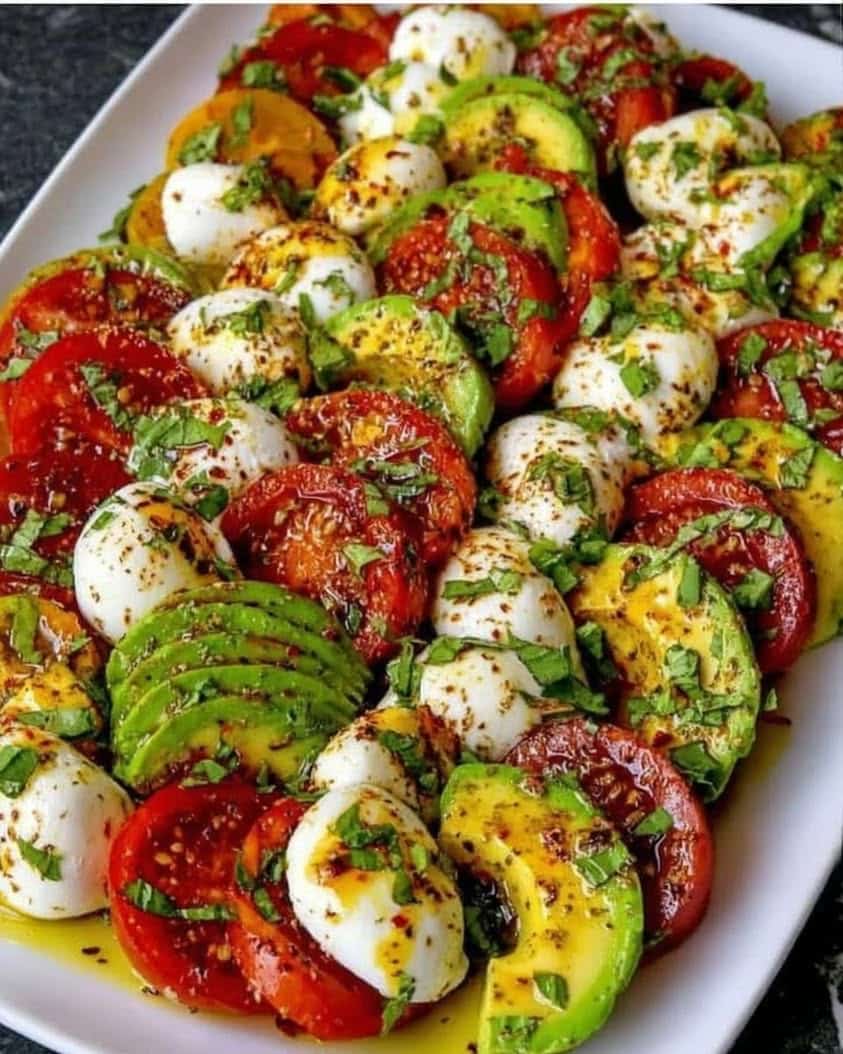
Imagine a classic Italian appetizer, then picture it transformed with a luscious, creamy upgrade. This Cheesy Avocado Caprese Platter does exactly that. It takes the beloved trinity of fresh mozzarella, ripe tomatoes, and fragrant basil and introduces rich, buttery avocado and a decadent drizzle of creamy cheese sauce. The result is a stunning no-cook dish that feels both familiar and excitingly new. It is the perfect centerpiece for any gathering, offering a beautiful mosaic of colors and textures that will impress your guests instantly.
Furthermore, this dish is a celebration of simplicity and fresh ingredients. Each component shines on its own, yet together they create a harmonious flavor symphony. The creamy avocado adds a luxurious mouthfeel that complements the milky mozzarella perfectly. Meanwhile, the homemade cheese sauce ties everything together with a savory, tangy note. Ultimately, this platter is more than just an appetizer; it is a vibrant, edible work of art that celebrates the best of fresh, whole foods with minimal effort required from you.
Finally, this recipe is incredibly versatile. You can serve it as a stunning starter for a dinner party, a light lunch alongside crusty bread, or even as a colorful side dish at your next barbecue. The combination of healthy fats from the avocado, protein from the cheese, and vitamins from the tomatoes and basil makes it a nutritionally balanced choice. In short, this Cheesy Avocado Caprese Platter is your new secret weapon for effortless, impressive entertaining.
Quick Recipe Highlights
- Flavor Profile: This platter delivers a perfect balance of creamy, tangy, and fresh flavors. The rich avocado and cheese sauce contrast beautifully with the sweet acidity of ripe tomatoes and the bright, peppery punch of fresh basil.
- Texture: Experience a delightful play of textures, from the soft, yielding flesh of ripe avocado and fresh mozzarella to the juicy burst of tomato. The creamy sauce adds a smooth, velvety layer that brings every bite together.
- Aroma: The aroma is dominated by the unmistakable, fresh scent of sweet basil, supported by the mild, milky fragrance of fresh mozzarella and the earthy notes of extra virgin olive oil.
- Visual Appeal: This dish is a feast for the eyes with its vibrant red, creamy white, deep green, and soft green color palette. Arranged on a platter, it creates a stunning, Instagram-worthy mosaic that invites everyone to dig in.
- Skill Level Needed: Absolutely beginner-friendly. This is a no-cook, assembly-only recipe that requires no special culinary skills, just a sharp knife for slicing and a little care in presentation.
- Special Equipment: No special tools are required. You just need a good chef’s knife, a cutting board, a small bowl for mixing the sauce, and a beautiful serving platter to showcase your creation.
Recipe Overview
- Difficulty Level: This recipe is rated “Easy” because it involves zero cooking and relies on simple assembly. The most complex step is making a quick, no-cook cheese sauce, which simply requires whisking. Therefore, it is accessible to cooks of all levels, from complete beginners to seasoned pros looking for a quick, beautiful dish.
- Category: This dish fits perfectly into multiple categories: Appetizers & Starters, Side Dishes, Light Lunches, and Party Food. It is a flexible recipe that adapts to your meal planning needs with ease.
- Cuisine: While firmly rooted in the Italian tradition of the classic Insalata Caprese, this recipe incorporates a modern, Californian twist with the addition of avocado. It is a fusion that respects its origins while embracing contemporary tastes for creamier, richer textures.
- Cost: The cost is moderate and depends largely on the quality of your mozzarella and the season for tomatoes. Using fresh mozzarella balls (bocconcini or ciliegine) and ripe, in-season tomatoes will yield the best flavor and value. Avocados are typically affordable, making this a cost-effective showstopper.
- Season: This platter is ideal for late spring through summer when tomatoes and basil are at their peak of flavor and abundance. However, thanks to year-round avocado availability and decent greenhouse tomatoes, you can confidently make it any time you crave a taste of sunshine.
- Occasion: Perfect for casual summer barbecues, elegant dinner party starters, potlucks, picnics, or a simple yet special weekend lunch. Its stunning visual appeal makes it a guaranteed crowd-pleaser for any social gathering.
Why You’ll Love This Recipe
First and foremost, the taste and texture are utterly irresistible. The classic Caprese salad is already a winner, but adding creamy avocado takes it to a whole new level of indulgence. The buttery avocado melts in your mouth alongside the soft mozzarella, while the juicy tomato provides a refreshing contrast. The creamy cheese sauce, with its sharp Parmesan and tangy Greek yogurt base, adds a savory depth that makes every forkful complex and satisfying. It is a familiar flavor profile elevated into something truly special and memorable for your taste buds.
Next, consider the sheer convenience. This entire Cheesy Avocado Caprese Platter comes together in about 15 minutes with no oven or stove required. It is the ultimate no-cook recipe for hot days or when you are short on time but still want to serve something impressive. The assembly is straightforward: slice, arrange, and drizzle. Consequently, you can spend less time in the kitchen and more time enjoying your company, making it a stress-free option for hosting.
From a nutritional standpoint, this dish is a powerhouse. Avocados contribute heart-healthy monounsaturated fats and fiber. Tomatoes are loaded with lycopene and vitamin C. Fresh basil offers antioxidants, and mozzarella provides a good source of protein and calcium. The Greek yogurt in the sauce adds probiotics and additional protein. Altogether, you get a dish that is as nourishing as it is delicious, balancing macros in a way that feels both indulgent and wholesome.
For entertaining, its value is unmatched. The visual impact of this platter is incredible. The vibrant colors arranged artfully on a board or plate create an immediate “wow” factor. It encourages sharing and conversation, making it a fantastic social food. Guests will be delighted by the creamy twist on a classic, and you will appreciate how little effort was required to create such a stunning centerpiece for your table.
Finally, it is cost-effective and accessible. The ingredients are simple and easy to find at any grocery store. You do not need expensive or exotic items. By choosing seasonal tomatoes and shopping sales for mozzarella, you can make this gourmet-looking appetizer on a budget. Moreover, its flexibility means you can scale it up for a crowd or down for a cozy meal for two without any complicated calculations.
Historical Background and Cultural Significance
The story of this dish begins with its iconic ancestor, the Insalata Caprese. This simple salad, symbolizing the Italian flag with its red tomatoes, white mozzarella, and green basil, is said to have originated on the island of Capri in the 1950s. It was created as a light, refreshing lunch for tourists, showcasing the pristine local ingredients: sun-ripened tomatoes, fresh mozzarella di bufala, and fragrant basil grown in the volcanic soil. The salad quickly became a symbol of Italian culinary simplicity, where the quality of a few perfect ingredients speaks louder than complex technique.
Culturally, the Caprese salad represents the heart of Italian “cucina povera” or “poor kitchen” philosophy, which emphasizes making the most of humble, local ingredients. It is a celebration of regional pride and seasonal eating. The dish is so revered in Italy that it has achieved a status beyond mere food; it is an edible representation of national colors and a testament to the Mediterranean diet’s focus on freshness, quality, and balance.
The evolution to include avocado is a beautiful example of how recipes travel and adapt. As the Caprese salad gained global popularity, chefs and home cooks began experimenting. The addition of avocado, a fruit beloved in Californian and Mexican cuisines, introduced a new layer of creamy texture and rich, healthy fats. This fusion creates a bridge between Italian tradition and New World ingredients, resulting in a modern classic that respects its roots while embracing contemporary palates that enjoy richer, creamier textures.
Regional variations of the Caprese theme are now endless. Some add prosciutto for saltiness, others use peaches or strawberries instead of tomatoes for a sweet twist. The Cheesy Avocado Caprese Platter sits firmly within this innovative tradition. The creamy cheese sauce drizzle is a further evolution, adding a layer of umami and tang that enhances without overpowering. This version acknowledges the original’s purity while confidently asserting its own identity as a more indulgent, shareable, and visually dramatic party dish.
Ingredient Deep Dive
Avocados: Native to south-central Mexico, avocados have been cultivated for thousands of years. They are nutritionally dense, providing nearly 20 vitamins and minerals, including potassium, folate, and vitamins K, C, and E. Their creamy texture comes from healthy monounsaturated fats, which support heart health. For this platter, select Hass avocados that yield slightly to gentle pressure near the stem. To store, keep unripe avocados at room temperature and refrigerate once ripe. If you need a substitute, a ripe, creamy burrata cheese can offer a similar luxurious texture, though the flavor profile will shift.
Fresh Mozzarella: Traditionally made from the milk of water buffalo (mozzarella di bufala) or cows (fior di latte), this fresh cheese is a pillar of Italian cuisine. Unlike its low-moisture, shredded cousin, fresh mozzarella is soft, moist, and mild. It is a good source of protein and calcium. Look for balls packed in water or whey for the best freshness and texture. For the platter, smaller balls like ciliegine (“cherries”) or bocconcini (“little bites”) are perfect as they require no slicing. Store submerged in its liquid in the refrigerator and use within a few days of opening.
Vine-Ripened Tomatoes: The tomato’s journey from the Americas to Europe transformed Mediterranean cooking. Vine-ripened tomatoes develop more sugars and complex flavors than those picked green. They are rich in lycopene, an antioxidant linked to many health benefits. Choose tomatoes that are heavy for their size, fragrant at the stem, and have a deep, uniform color. Never refrigerate them, as cold temperatures destroy their texture and flavor. For a variation, try using heirloom tomatoes in different colors for an even more spectacular visual display.
Fresh Basil: More than just a garnish, basil is central to this dish’s aroma and flavor. It belongs to the mint family and is rich in antioxidants and essential oils like estragole and linalool. The large, tender leaves of Genovese or Sweet basil are ideal. To store, treat it like a bouquet of flowers: trim the stems and place in a glass of water on the counter, loosely covering the leaves with a bag. For a different herbal note, you could substitute fresh mint or a mix of basil and mint.
The Creamy Cheese Sauce: This sauce is the “cheesy” glue that defines the platter. Greek yogurt provides a tangy, protein-rich base without the heaviness of mayonnaise. Grated Parmesan adds a salty, umami punch. The lemon juice brightens everything, while garlic powder offers subtle depth without the raw bite of fresh garlic. For a richer sauce, you could substitute the yogurt with full-fat sour cream. To make it dairy-free, use a thick, unsweetened plant-based yogurt and nutritional yeast in place of Parmesan.
Common Mistakes to Avoid
- Using Hard, Unripe Avocados: An unripe avocado will be hard and tasteless, ruining the creamy texture of the platter. Always plan ahead and buy avocados a few days before you need them, allowing them to ripen at room temperature until they yield to gentle pressure.
- Refrigerating Tomatoes: Storing tomatoes in the refrigerator makes them mealy and dulls their flavor dramatically. Always keep tomatoes at room temperature until you are ready to slice and serve them for the brightest, juiciest result.
- Slicing Ingredients Too Early: Avocados and tomatoes begin to oxidize and release water once cut. For the freshest presentation, slice your tomatoes and avocados just before assembling the platter, ideally within 15-30 minutes of serving.
- Using Pre-Shredded Parmesan: Pre-shredded cheese contains anti-caking agents that can prevent it from melting smoothly into the sauce. For the best texture and flavor, always grate a block of Parmesan cheese fresh yourself.
- Overcomplicating the Sauce: The sauce should be a simple, creamy accent, not a thick blanket. If you over-mix or add too much yogurt, it can become gloppy. Whisk just until combined; a slightly loose sauce will drizzle more elegantly.
- Neglecting to Season: Even the best ingredients need seasoning. Do not forget to sprinkle the assembled platter with a good pinch of flaky sea salt and black pepper just before serving. This simple step elevates all the natural flavors.
- Choosing the Wrong Mozzarella: Using low-moisture, block mozzarella will result in a rubbery, dry texture. Insist on fresh mozzarella packed in water for that signature soft, milky bite that is essential to a true Caprese experience.
- Drizzling the Sauce Too Early: If you add the creamy cheese sauce too far in advance, it can make the basil wilt and the tomatoes soggy. Always add the final drizzle right before you bring the platter to the table.
Essential Techniques
Slicing Avocados: Proper technique prevents bruising and ensures beautiful slices. First, slice the avocado in half lengthwise around the pit. Twist to separate. Safely remove the pit by tapping it with the heel of your knife and twisting it out. Then, place the halved avocado cut-side down and make even, lengthwise slices through the skin. Finally, use a spoon to gently scoop the pre-sliced segments from the skin. This method keeps the slices intact and picture-perfect.
Selecting and Slicing Tomatoes: The key is using a serrated knife. A smooth chef’s knife can crush the delicate flesh of a ripe tomato. A serrated blade glides through the skin and flesh with minimal pressure, creating clean slices that hold their shape and juice. Always slice tomatoes horizontally to create stable rounds that lay flat on the platter.
Whisking the Creamy Sauce: The goal is a smooth, emulsified, drizzle-able sauce. Start by ensuring your Greek yogurt is at room temperature to prevent clumping. In a bowl, combine the yogurt, grated Parmesan, lemon juice, and seasonings. Whisk vigorously until completely smooth and homogenous. The sauce should coat the back of a spoon but still run off in a steady stream. If it is too thick, add a teaspoon of water or milk to thin it.
Artful Platter Arrangement: Presentation is everything. Start by placing your largest elements (tomato slices) as anchors around the platter. Then, tuck in the mozzarella balls and avocado slices in between, creating a balanced mix of colors and shapes. Finally, scatter whole or torn basil leaves generously over the top. The arrangement should look abundant, casual, and inviting, not overly structured or sparse.
Pro Tips for Perfect Cheesy Avocado Caprese Platter
For the ultimate flavor, take your fresh mozzarella out of its water about 30 minutes before serving. Letting it come to room temperature allows its milky sweetness to fully express itself, creating a better contrast with the cool tomatoes and avocado.
Invest in a high-quality, fruity extra virgin olive oil for the final drizzle. Since it is not cooked, its flavor will be front and center, adding a layer of peppery, grassy notes that elevate the entire dish.
Add a touch of freshness to your creamy cheese sauce by incorporating very finely minced fresh herbs like chives or a bit of the basil. This adds little bursts of flavor and a subtle green fleck to the sauce.
To prevent avocado browning if you must prep ahead, very lightly brush the sliced avocado with lemon or lime juice. The acid creates a barrier against oxygen, though for the best results, slicing at the last minute is always ideal.
Use different sizes of fresh mozzarella for visual interest. Combine larger bocconcini with smaller ciliegine to create a more dynamic, less uniform look on your platter.
If your tomatoes are less than perfectly juicy, a tiny sprinkle of flaky sea salt on each slice about 5 minutes before assembling will draw out their natural juices and intensify their flavor.
Serve your platter on a chilled surface. Placing your serving dish in the freezer for 10-15 minutes before assembling helps keep everything cool and fresh, especially on a warm day.
For easy serving, provide guests with a small spoon or spreader alongside forks. This helps them get a bit of every component—creamy sauce, avocado, cheese, and tomato—in each perfect bite.
Variations and Adaptations
Regional Variations: Embrace different culinary traditions. For a Spanish twist, substitute the fresh mozzarella with manchego cheese and add slices of serrano ham. For a Greek-inspired version, use creamy feta cheese crumbles, Kalamata olives, and a drizzle of oregano-infused olive oil instead of the cheese sauce.
Seasonal Adaptations: While summer is prime time, adapt for other seasons. In winter, use slow-roasted cherry tomatoes for concentrated sweetness. In spring, incorporate tender asparagus spears (blanched) and fresh peas. For fall, add roasted slices of delicata squash or persimmon for a sweet, autumnal touch.
Dietary Modifications: This platter is easily adaptable. For a vegan Cheesy Avocado Caprese Platter, use a plant-based mozzarella (like those made from cashews or coconut), and make the sauce with vegan yogurt and nutritional yeast. For a keto or low-carb version, simply increase the avocado and cheese portions and be mindful of any added sugars in store-bought ingredients.
Flavor Variations: Infuse your olive oil with chili flakes or roasted garlic for a spicy or aromatic kick. Add a handful of toasted pine nuts or walnuts for crunch. Alternatively, include slices of fresh peach or nectarine alongside the tomatoes for a sweet and savory summer salad.
Texture Modifications: Love crunch? Add crispy elements like garlicky breadcrumbs (pangrattato) or croutons scattered over the top. For a smoother experience, you can blend the avocado with a little lemon juice and olive oil to create an avocado mousse to dollop between the tomatoes and cheese.
Presentation Alternatives: Instead of a large platter, create individual servings on small plates or in shallow bowls. You can also skewer the components to make Caprese-Avocado skewers: thread a mozzarella ball, a tomato chunk, a basil leaf, and an avocado cube on small sticks, then drizzle with the sauce for a perfect passed appetizer.
Serving and Presentation Guide
Plating Techniques: The classic approach is a large, flat platter or a rustic wooden board. Arrange components in a circular pattern, alternating colors and textures, or create a linear, striped effect. The key is intentional abundance—the platter should look generously full and inviting. Leave a little space between items so each element is distinct, but avoid a sparse, minimalist look.
Garnishing Ideas: Beyond basil, consider edible flowers like nasturtiums or borage for a stunning pop of color. A final sprinkle of flaky sea salt (like Maldon) and freshly cracked black pepper is non-negotiable. For extra flair, add a few strips of lemon zest over the top just before serving for a bright aromatic lift.
Traditional Accompaniments: Serve with a basket of warm, crusty bread or grilled baguette slices. The bread is perfect for soaking up the delicious juices, creamy sauce, and olive oil that pool at the bottom of the platter, ensuring nothing goes to waste.
Modern Serving Suggestions: Turn it into a main course by serving it over a bed of peppery arugula or mixed greens. You can also offer small bowls of balsamic glaze and high-quality olive oil on the side, allowing guests to customize their bites. For a brunch item, add softly poached or hard-boiled eggs on the side.
Temperature Considerations: All components should be served cool, not ice-cold. Cold tomatoes lose their flavor, and cold mozzarella can be rubbery. Take everything out of the fridge 20-30 minutes before assembling. The only exception is the platter itself, which can be chilled to keep everything fresh longer during serving.
Portion Control Tips: As an appetizer, this recipe serves 4-6 people generously. For a light lunch for two, you can easily halve the ingredients. When scaling for a party, plan for about 1.5 balls of mozzarella and half an avocado per person as part of a larger spread of appetizers.
Wine and Beverage Pairing
Wine Pairings: The creamy avocado and rich cheese sauce call for a wine with good acidity to cut through the fat. A crisp, dry Italian white like Pinot Grigio or Vermentino is a classic and perfect match. For a more aromatic option, a New Zealand Sauvignon Blanc with its citrus and herbal notes complements the basil and lemon beautifully. If you prefer rosé, a dry Provençal rosé with its subtle red fruit and mineral qualities works wonderfully, especially for a summer meal.
Non-Alcoholic Alternatives: Sparkling water with a twist of lemon or lime is always refreshing. For something more special, try a basil-infused lemonade or a cucumber-mint cooler. Kombucha, particularly a plain or ginger flavor, offers a tangy, effervescent pairing that mirrors the acidity in the dish and aids digestion.
Coffee/Tea Pairings: While not a typical pairing for this dish, if serving for a brunch or lunch, a light, floral tea like jasmine green tea or a white tea can be a lovely, cleansing finish. Avoid heavy, bitter coffees or teas that would clash with the dish’s fresh, creamy profile.
Temperature Considerations: Whites and rosés should be served well-chilled, between 45-50°F. This cool temperature enhances their refreshing quality against the richness of the platter. Non-alcoholic sparklers and coolers should also be served very cold to provide a palate-cleansing effect.
Serving Suggestions: Offer wine in large, balloon-shaped white wine glasses to allow the aromas of the basil and tomatoes to mingle with the wine’s bouquet. For non-alcoholic options, serve in tall, ice-filled glasses garnished with fresh herb sprigs or citrus slices to elevate the experience.
Storage and Shelf Life
Storage Methods: This dish is best enjoyed immediately. However, if you have leftovers, store them in a single layer in a shallow, airtight container. Place a piece of parchment paper over the top before sealing to minimize condensation, which can make the basil slimy and the tomatoes waterlogged.
Temperature Requirements: Leftovers must be refrigerated promptly and kept at or below 40°F. Do not leave the assembled platter at room temperature for more than two hours, as the dairy and fresh ingredients are perishable.
Container Recommendations: A glass container with a tight-fitting lid is ideal. Glass does not absorb odors and allows you to see the contents. Avoid stacking the components, as the weight will crush the delicate tomatoes and avocado.
Signs of Spoilage: Discard the platter if you notice any sour smell, significant browning of the avocado (beyond minor oxidation), a slimy texture on any ingredient, or if the mozzarella develops an off color or odor. When in doubt, throw it out.
Reheating Instructions: This dish is not meant to be reheated. The beauty is in the fresh, cool textures. Eating leftovers cold from the fridge is the only recommended way to consume them.
Freezing Guidelines: Freezing is not recommended for the assembled platter. The high water content in the tomatoes and avocado will cause them to become mushy and watery upon thawing, completely destroying the texture. The sauce may also separate.
Make Ahead Strategies
Prep Timeline: You can prep components 1-2 hours in advance. Slice the tomatoes and store them in a single layer on a paper towel-lined plate at room temperature. Make the creamy cheese sauce and keep it covered in the refrigerator. Rinse and dry the basil leaves. Wait to slice the avocado and assemble the entire platter until just before serving (within 15-30 minutes) for optimal freshness and color.
Storage Between Steps: Keep prepped ingredients separate. Tomatoes on their plate, sauce in its bowl, basil in a damp paper towel inside a bag, and mozzarella in its water. This compartmentalization prevents cross-contamination of flavors and textures and keeps everything at its best.
Quality Impact Assessment: Pre-slicing tomatoes may cause them to lose some juice, but it is acceptable for a short window. The sauce may thicken slightly in the fridge; simply whisk in a teaspoon of water or milk to loosen it before drizzling. The basil will wilt if dressed too early, so keep it dry until assembly.
Assembly Tips: When ready to serve, arrange the pre-sliced tomatoes and whole mozzarella on the platter. Slice and add the avocado. Scatter the basil. Give the sauce a good stir, then drizzle it artistically over everything. Finally, add the olive oil, salt, and pepper. This streamlined process takes only minutes.
Reheating Guidelines: Not applicable. The final assembly is a cold process.
Fresh Element Additions: The avocado and basil are the most time-sensitive. They are your “fresh element additions” that must be done at the last possible moment to guarantee a vibrant, beautiful Cheesy Avocado Caprese Platter.
Scaling Instructions
Halving the Recipe: Halving is straightforward for a cozy meal for two. Use 1 large avocado, 8-10 small mozzarella balls, 2 medium tomatoes, and half the sauce ingredients. Use a smaller platter for an equally abundant look. The prep time remains about the same, as you are simply slicing fewer items.
Doubling or Tripling: For a party, scaling up is easy. Use multiple platters to avoid overcrowding a single surface, which makes serving difficult. Prepare the sauce in batches or in a large bowl, tripling all ingredients proportionally. Consider using a mix of tomato varieties (cherry, heirloom slices) for visual interest on larger spreads.
Equipment Adjustments: When doubling, you will need a much larger platter or multiple serving dishes. Ensure you have a big enough bowl for whisking the larger batch of sauce. A microplane grater will be more efficient than a box grater for the increased Parmesan quantity.
Timing Modifications: The active prep time will increase linearly with the quantity. Slicing 6 tomatoes takes longer than slicing 2. Factor in an extra 5-10 minutes of prep for each time you double the recipe. The assembly time on the platter will also take a few minutes longer to arrange everything attractively.
Storage Considerations: For large batches, do not assemble everything at once if serving over a long period. Keep components separate and refresh the platter every hour or so with newly sliced avocado and a fresh drizzle of sauce to maintain peak quality for all your guests.
Nutritional Deep Dive
Macro Breakdown: This platter offers a balanced mix of macronutrients. The avocado and olive oil provide healthy monounsaturated fats. The mozzarella and Greek yogurt sauce contribute high-quality protein and a modest amount of saturated fat. The tomatoes offer a small amount of natural carbohydrates and fiber. Overall, it is a dish that promotes satiety and steady energy release.
Micronutrient Analysis: It is rich in several key vitamins and minerals. Avocados are high in potassium, vitamin K, folate, and vitamin E. Tomatoes provide vitamin C, potassium, and the antioxidant lycopene. Basil offers vitamin K and antioxidants. Mozzarella contributes calcium and phosphorus. Together, they create a nutrient-dense appetizer or light meal.
Health Benefits: The combination supports heart health through its healthy fats and potassium. The antioxidants (lycopene, vitamins C and E) combat oxidative stress. The probiotics in Greek yogurt support gut health. The fiber from avocado and tomatoes aids digestion. It is a prime example of how delicious food can also be genuinely nourishing.
Dietary Considerations: Naturally gluten-free. It contains dairy (mozzarella, Parmesan, yogurt). For those monitoring sodium, you can control the amount of added salt. The dish is relatively low in carbohydrates, making it suitable for low-carb and diabetic-friendly diets when enjoyed in appropriate portions.
Portion Analysis: One serving (approximately one-quarter of the platter) is satisfying without being overly heavy. It provides a good balance that can curb hunger as an appetizer or, when paired with bread or a side salad, serve as a complete light lunch.
Weight Management Tips: The healthy fats and protein promote fullness, which can help prevent overeating later. To make it even lighter, you can slightly reduce the amount of olive oil used for drizzling or use a low-fat Greek yogurt for the sauce. Remember, portion awareness is key, even with healthy foods.
Dietary Adaptations
Gluten-free: This recipe is naturally gluten-free. Just ensure that any store-bought ingredients, like pre-grated cheese (which sometimes uses anti-caking agents containing wheat), are certified gluten-free. When serving with bread, offer a gluten-free baguette or crackers.
Dairy-free: Create a delicious dairy-free Cheesy Avocado Caprese Platter. Substitute the mozzarella with a high-quality plant-based mozzarella alternative. For the sauce, blend soaked cashews with nutritional yeast, lemon juice, water, and garlic powder until smooth and creamy. Use a vegan Parmesan alternative for garnish.
Vegan: Follow the dairy-free adaptations above. Ensure your plant-based mozzarella and Parmesan are vegan (casein-free). The core of the dish—tomatoes, avocado, basil, olive oil—is already vegan, making this a simple and satisfying adaptation.
Low-carb/Keto: This dish is already excellent for low-carb and keto diets. Focus on the avocado, cheese, and sauce. You can increase the proportion of these elements. Be mindful of tomatoes, as they contain some carbs; sticking to one medium tomato per serving keeps it within keto guidelines. Always use full-fat Greek yogurt and olive oil.
Paleo: The strict Paleo diet excludes dairy and legumes. Omit the mozzarella and cheese sauce. Instead, add more avocado and include compliant protein like grilled chicken strips or shrimp on the side. Drizzle with olive oil and balsamic glaze (ensure no added sugar).
Low-FODMAP: For a Low-FODMAP version, limit avocado to 1/8 of a whole per serving to stay within Monash University guidelines. Use garlic-infused olive oil instead of garlic powder in the sauce to get the flavor without the high-FODMAP garlic fructans. Ensure the Greek yogurt is lactose-free if sensitive.
Troubleshooting Guide
Texture Issues (Soggy Tomatoes): If your platter becomes watery, the tomatoes were likely sliced too far in advance or were very watery to begin with. Solution: Use a serrated knife to slice tomatoes just before serving. For very juicy tomatoes, you can gently scoop out the seed gel with a small spoon before slicing to reduce excess moisture.
Flavor Balance (Bland Dish): If the platter tastes flat, it likely needs more seasoning. Solution: Season in layers. Lightly salt the tomato slices as you arrange them. Ensure your cheese sauce is adequately seasoned. Always finish with a final flourish of flaky sea salt and black pepper over the entire platter just before serving.
Temperature Problems (Warm, Limp Basil): Basil wilts quickly when warm or dressed. Solution: Keep basil refrigerated until the moment you need it. Wash and dry it thoroughly, as water on the leaves accelerates wilting. Add it as the very last component before the final sauce drizzle.
Equipment Challenges (Sauce Too Thick): If your creamy cheese sauce is more like a paste, it will not drizzle. Solution: Whisk in a teaspoon of water, milk, or even a little extra lemon juice at a time until it reaches a pourable consistency. The goal is a sauce that ribbons off the whisk.
Ingredient Substitutions (No Fresh Mozzarella): In a pinch, you can use a high-quality, low-moisture mozzarella ball (not pre-shredded) sliced thinly. The texture will be firmer Print
Cheesy Avocado Caprese Platter
- Total Time: 15 minutes
- Yield: 4
Description
A vibrant twist on the classic Caprese salad, featuring creamy avocado, fresh mozzarella, juicy tomatoes, and a drizzle of balsamic glaze for a delightful appetizer or light meal.
Ingredients
- 2 large ripe avocados, sliced
- 8 oz fresh mozzarella cheese, sliced
- 3 medium tomatoes, sliced
- 1/4 cup fresh basil leaves
- 2 tbsp extra virgin olive oil
- 2 tbsp balsamic glaze
- Salt and black pepper to taste
Instructions
- Arrange alternating slices of avocado, mozzarella, and tomatoes on a large serving platter.
- Tuck fresh basil leaves between the slices and sprinkle with salt and black pepper.
- Drizzle olive oil and balsamic glaze over the platter just before serving.
Notes
You can customize the seasonings to taste.
- Prep Time: 15 minutes
- Cook Time: 0 minutes
- Method: Appetizer
- Cuisine: Italian-American