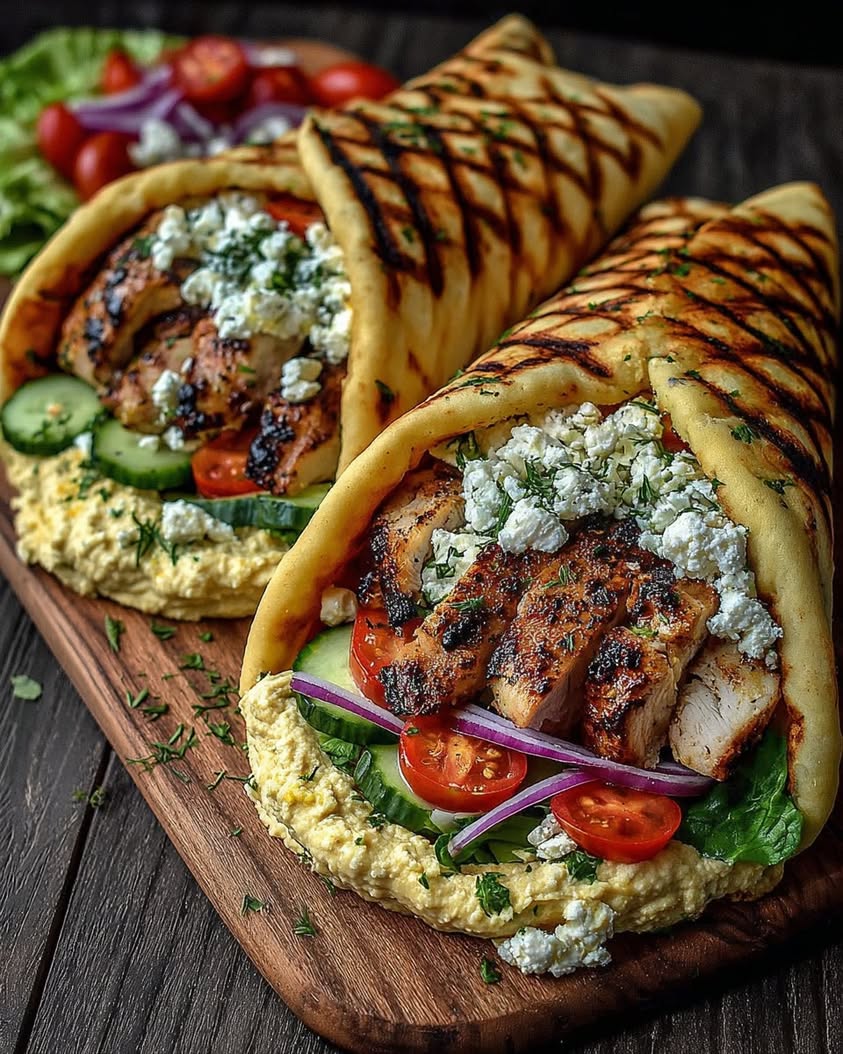
Easy Greek Chicken Wraps with Creamy Hummus Recipe: A Flavorful Weeknight Savior
Imagine a meal that brings the vibrant, sun-drenched flavors of the Mediterranean straight to your kitchen table in under thirty minutes. These easy Greek chicken wraps with creamy hummus are exactly that kind of magic. They combine tender, herb-marinated chicken with crisp vegetables and a generous spread of rich hummus, all bundled in a soft, pliable flatbread. Ultimately, this recipe is a perfect solution for busy evenings when you crave something healthy and satisfying without spending hours cooking.
The beauty of these wraps lies in their harmonious balance. Each bite delivers a symphony of textures and tastes, from the savory, juicy chicken to the cool, crunchy cucumbers and tangy feta cheese. Moreover, the creamy hummus acts as both a flavorful binder and a protein-packed sauce, eliminating the need for complicated dressings. Consequently, you get a complete, well-rounded meal that feels indulgent yet is deceptively simple to prepare, making it a fantastic addition to your regular dinner rotation.
Furthermore, this dish is incredibly versatile and family-friendly. You can easily customize the fillings based on what you have in your fridge or to suit different dietary preferences. Whether you are packing a lunch, needing a quick dinner, or even serving a crowd, these Greek chicken wraps deliver consistent, delicious results. They are a testament to how a few quality ingredients, treated with respect, can create a meal that is far greater than the sum of its parts.
Quick Recipe Highlights
- Flavor Profile: These wraps burst with classic Greek flavors. You will taste the bright, lemony oregano from the chicken, the earthy creaminess of the hummus, and the salty punch of feta cheese. Additionally, the fresh vegetables add a clean, crisp counterpoint that keeps every bite refreshing.
- Texture: This recipe is a masterclass in textural contrast. You get tender, juicy chicken against the cool crunch of cucumber and onion. Meanwhile, the soft flatbread and creamy hummus provide a smooth, comforting base that holds all the vibrant fillings together perfectly.
- Aroma: As the chicken cooks, your kitchen will fill with the irresistible scent of garlic, lemon, and dried oregano. This aromatic foundation is then complemented by the fresh, herbal notes of the vegetables and the distinctive, tangy smell of the feta cheese, creating an appetite-whetting experience.
- Visual Appeal: These wraps are a feast for the eyes with their colorful fillings. The golden-brown chicken, vibrant red tomatoes, green cucumbers, and white feta create a stunning mosaic against the backdrop of the pale hummus and warm flatbread, making them as beautiful to look at as they are to eat.
- Skill Level Needed: This is a beginner-friendly recipe designed for success. The techniques involve simple pan-cooking and basic vegetable chopping. Therefore, even novice cooks can achieve restaurant-quality results with minimal effort and no special culinary training required.
- Special Equipment: You only need basic kitchen tools. A sharp knife, a cutting board, a mixing bowl, and a large skillet or grill pan are perfectly sufficient. Consequently, you can make these easy Greek chicken wraps with creamy hummus without any fancy or expensive equipment.
Recipe Overview
- Difficulty Level: We rate this recipe as “Easy” because it uses straightforward techniques accessible to all home cooks. The marinade is a simple mix of pantry staples, the chicken cooks quickly in a single pan, and assembly is just layering ingredients. There are no complex skills like baking or intricate knife work required for success.
- Category: This dish fits perfectly into several meal categories. It is an ideal quick and healthy dinner, a fantastic make-ahead lunch, and a great option for casual entertaining or picnics. Its handheld nature also makes it excellent for on-the-go eating without sacrificing flavor or nutrition.
- Cuisine: This recipe draws direct inspiration from the culinary traditions of Greece and the wider Eastern Mediterranean. The core flavor profile—lemon, oregano, garlic, olive oil, feta, and fresh vegetables—is quintessentially Greek. However, the use of hummus and the wrap format offer a modern, convenient twist on classic taverna flavors.
- Cost: This is a very cost-effective meal. Chicken breast and basic vegetables are affordable protein and produce options. While hummus and feta are slightly more premium, a little goes a long way in terms of flavor. Overall, you can feed a family of four a restaurant-quality meal for a fraction of the cost of dining out.
- Season: These wraps are truly a year-round favorite. They are light and refreshing for hot summer evenings, yet the warm, savory chicken and hearty hummus make them satisfying in cooler months. For the best flavor, aim to make them in summer when tomatoes and cucumbers are at their peak sweetness and crispness.
- Occasion: This recipe is wonderfully versatile for different events. It is perfect for a fast weeknight family dinner, a healthy lunch prep option for the workweek, or a casual gathering with friends where guests can assemble their own wraps. It is also excellent for picnics and potlucks as it travels well.
Why You’ll Love This Recipe
First and foremost, the taste and texture combination is utterly irresistible. Each component plays a specific role, creating a harmonious and satisfying mouthfeel. The savory, herbaceous chicken provides the hearty base, while the cool, crunchy vegetables add freshness and bite. Meanwhile, the creamy hummus ties everything together with its rich, garlicky flavor and smooth texture, ensuring every bite is perfectly balanced and never dry or boring.
From a practical standpoint, the convenience factor is a major win. This entire meal comes together in about thirty minutes from start to finish, making it a lifesaver on busy nights. Furthermore, most of the components can be prepared ahead of time. You can marinate the chicken in the morning and chop the vegetables in advance, so dinner assembly is a mere five-minute task when hunger strikes. This streamlined process removes the stress from meal preparation.
Nutritionally, these wraps are a powerhouse. They offer a complete meal with lean protein from the chicken and chickpeas in the hummus, healthy fats from olive oil and tahini, and a generous serving of vitamins and fiber from the fresh vegetables. Consequently, you get a meal that is both deeply satisfying and genuinely good for you, supporting energy levels and overall health without any sense of deprivation or dieting.
For social and entertaining value, this recipe is a star. It is incredibly easy to scale up for a crowd, and the interactive “build-your-own-wrap” setup is always a hit at casual gatherings. You can set out bowls of all the ingredients and let guests customize their creations, which takes the pressure off the host and ensures everyone gets exactly what they want. It is a fun, engaging, and delicious way to feed a group.
Finally, the cost-effectiveness and accessibility of the ingredients make this a recipe you will return to again and again. You do not need any rare or expensive items; everything can be found at a standard grocery store. This accessibility, combined with the short ingredient list and quick cooking time, means you can enjoy a flavorful, globally-inspired meal any night of the week without breaking the bank or your schedule.
Historical Background and Cultural Significance
The culinary roots of this dish are deeply embedded in the history of the Eastern Mediterranean. While the specific combination in a wrap is a modern convenience, each component has ancient origins. The use of grilled meat with herbs, fresh vegetables, and yogurt or cheese sauces is a pattern seen across Greek, Turkish, and Levantine cuisines for centuries. Essentially, this recipe is a contemporary interpretation of that timeless, healthy approach to eating that has sustained people in the region for generations.
Hummus itself has a rich and debated history, with claims to its origin from multiple cultures including Egypt, Lebanon, and Israel. Regardless of its precise birthplace, it has been a staple across the Middle East for hundreds of years, valued for its nutrition, affordability, and delicious flavor. Incorporating hummus as the primary sauce in these wraps connects the meal to this deep culinary tradition, transforming a simple sandwich into something with historical resonance.
The concept of wrapping food in flatbread is one of the oldest and most universal forms of portable sustenance. From Mexican tacos to Indian roti rolls, cultures worldwide have used bread as an edible container. In Greece and neighboring countries, pita bread has served this purpose for millennia, used to scoop up meats, dips, and salads. Therefore, presenting these Greek flavors in a wrap format is not an innovation but rather a continuation of a very old and practical culinary practice.
Over time, these traditional elements have evolved, especially as Greek and Mediterranean cuisines gained global popularity. The “Greek wrap” or “gyro pita” became a familiar fast-casual food item in many countries. Our recipe for easy Greek chicken wraps with creamy hummus builds on this evolution, emphasizing homemade quality, fresh ingredients, and the added nutritional boost of hummus over more traditional tzatziki, offering a personal and health-conscious take on a beloved global food trend.
Ingredient Deep Dive
Let us start with the star: boneless, skinless chicken breasts. This lean protein is a blank canvas for the vibrant Greek marinade. Culturally, chicken is a common protein across the Mediterranean, often grilled or roasted with liberal amounts of olive oil, lemon, and herbs. Nutritionally, it is an excellent source of high-quality protein and B vitamins. For the best results, select plump, evenly-sized breasts and pound them to an even thickness to ensure quick, uniform cooking. You can substitute chicken thighs for a juicier, more flavorful result if preferred.
The creamy hummus is the heart of the wrap’s sauce. Historically, hummus is one of the world’s oldest prepared foods, with recipes dating back to 13th-century Cairo. It is made from cooked chickpeas, tahini (sesame paste), lemon juice, and garlic. This combination provides a fantastic mix of plant-based protein, fiber, healthy fats, and essential minerals like iron and calcium. For this recipe, use a high-quality store-bought classic hummus or make your own for ultimate freshness. Look for hummus with a short ingredient list, avoiding those with excessive preservatives or oils.
Fresh vegetables are non-negotiable for authenticity and crunch. Cucumber and tomato are staples in Greek salads (horiatiki). Cucumbers add hydration and a cool crispness, while ripe tomatoes contribute sweetness and acidity. Red onion provides a sharp, peppery bite that cuts through the richness. Nutritionally, this trio delivers vitamins A, C, and K, along with antioxidants and fiber. Always choose firm, bright vegetables. For the best texture, seed your cucumber and tomato to prevent a soggy wrap. If you dislike raw onion, soak the slices in cold water for 10 minutes to mellow their intensity.
Feta cheese is the salty, tangy cornerstone of Greek flavor. True Greek feta is a Protected Designation of Origin (PDO) product, made from at least 70% sheep’s milk, often blended with goat’s milk. This brined cheese has a crumbly texture and distinctive taste that is irreplaceable. It offers a good source of calcium and protein. For the best quality, buy feta in a block stored in brine, not pre-crumbled in a tub. Crumble it yourself just before serving. If you need a dairy-free alternative, a firm, brined tofu or a sprinkle of nutritional yeast can provide a similar salty, umami note, though the flavor profile will differ.
The flatbread is your edible vessel. Traditional Greek pita is soft, slightly chewy, and often has a pocket. For wraps, larger, pliable flatbreads like lavash or large flour tortillas work perfectly. They need to be sturdy enough to hold the fillings without tearing but soft enough to fold easily. Look for whole-grain or spinach varieties for added nutrition and color. Briefly warming the flatbread in a dry skillet or microwave before assembling is a pro tip; it makes them more flexible and enhances their flavor, preventing cracks and breaks as you roll.
Common Mistakes to Avoid
- Overcooking the Chicken: This is the most common pitfall. Overcooked chicken breast becomes dry and tough. To avoid this, cook the chicken just until it reaches an internal temperature of 165°F and the juices run clear. Remember, it will continue to cook slightly from residual heat after you remove it from the pan.
- Using Soggy Vegetables: Adding wet vegetables, especially tomatoes with their seeds and gel, will make your wrap soggy and difficult to handle. Always take a moment to seed your cucumber and tomatoes. Furthermore, pat your chopped vegetables dry with a paper towel before assembling.
- Skipping the Flatbread Warm-Up: Using cold, stiff flatbread straight from the package often leads to cracking when you try to fold it. Always warm your wraps briefly. This simple step reactivates the oils and makes the bread pliable, ensuring a neat, tight roll without any messy breaks.
- Overfilling the Wrap: It is tempting to pack in as much filling as possible, but this guarantees a structural failure. Place your ingredients in the center, leaving a generous border on all sides. A moderate, even layer of fillings is much easier to roll and eat neatly than an overstuffed, bursting package.
- Neglecting the Marinade Time: While you can cook the chicken immediately, allowing it to marinate for even 15-30 minutes makes a significant difference. The marinade seasons the meat throughout and helps tenderize it. For maximum flavor, aim for at least 30 minutes, or up to 4 hours in the refrigerator.
- Spreading Hummus to the Edges: When assembling, spread the hummus in the center of the wrap, not all the way to the edges. If hummus gets on the areas you need to fold, it acts like glue and can cause the bread to tear. Keep the border clean for easy, secure rolling.
- Cutting the Wrap Immediately: If you plan to slice your wrap in half for presentation, let it rest for a minute after rolling. This allows the hummus to slightly “set” and the wrap to hold its shape. Cutting it right away can cause all the fillings to spill out messily.
- Using Low-Quality Hummus: The hummus is a primary flavor component, not just a glue. A bland, overly processed hummus will let the whole wrap down. Invest in a good-quality brand with a rich tahini and lemon flavor, or take the extra time to make a simple homemade version.
Essential Techniques
Marinating the Chicken: Marinating is crucial for infusing flavor and ensuring juiciness. The acid in the lemon juice helps break down surface proteins, allowing the oil and herbs to penetrate. To master it, combine all marinade ingredients in a zip-top bag or shallow dish, add the chicken, and ensure it is fully coated. Do not marinate for more than 4 hours in lemon juice, as the acid can start to “cook” the meat, giving it a mushy texture. A perfect marinade will make the chicken fragrant and tender.
Cooking Chicken to Perfect Doneness: Achieving juicy, not dry, chicken is a foundational skill. Start by pounding the breasts to an even thickness so they cook uniformly. Preheat your skillet or grill pan over medium-high heat to get a good sear. Cook the chicken for 5-7 minutes per side, resisting the urge to move it constantly. The key visual cue is a golden-brown crust. The most reliable method is to use an instant-read thermometer; remove the chicken from the pan when it hits 160-162°F, as it will carry over to 165°F while resting.
Rolling a Tight, Secure Wrap: This technique keeps your meal neat and portable. Lay your warmed flatbread on a clean surface. Spread hummus in the center, then layer ingredients horizontally, leaving a 2-inch border at the top and bottom. Fold the sides in over the fillings, then starting from the bottom, roll upward tightly, using your fingers to tuck the fillings in as you go. The final product should be a compact cylinder. Practice makes perfect, and a tight roll is the difference between a messy handful and a professional-looking wrap.
Pro Tips for Perfect Greek Chicken Wraps
First, let your cooked chicken rest for 5 minutes before slicing. This allows the juices to redistribute throughout the meat, ensuring every piece is moist and flavorful, rather than having all the juices spill out onto your cutting board.
For an extra flavor boost, toast your spices. Before adding the dried oregano to the marinade, warm it in a dry skillet for 30 seconds until fragrant. This simple step awakens the essential oils in the herb, dramatically intensifying its aroma and taste in your final dish.
Add a hidden layer of greens. Before adding the other fillings, place a few leaves of fresh spinach or romaine lettuce on the hummus. This creates a moisture barrier that helps keep the flatbread from getting soggy from the juicy vegetables, plus it adds more nutrients and texture.
Use the residual heat in your pan to warm your flatbreads. After removing the chicken, turn off the heat and place each flatbread in the warm pan for about 15-20 seconds per side. This toasts them lightly and makes them perfectly pliable for rolling.
If preparing for lunch, pack components separately. Keep the hummus-spread flatbread, sliced chicken, and chopped vegetables in different containers. Assemble just before eating to maintain the ideal texture and prevent a soggy, disappointing wrap by midday.
For a creamier texture without more hummus, add a dollop of Greek yogurt or tzatziki sauce on top of the fillings before rolling. This adds a tangy coolness and extra protein, complementing the other Greek flavors beautifully.
Get the knife cut right. When slicing your cooked chicken, always cut against the grain. Look for the lines running through the meat and slice perpendicular to them. This shortens the muscle fibers, making each piece much more tender and easier to bite through in the wrap.
Season your vegetables. A tiny pinch of salt and a drizzle of olive oil over your chopped tomatoes, cucumbers, and onions while you prep the rest of the meal will elevate their flavor, making them taste more like a vibrant Greek salad inside your wrap.
Variations and Adaptations
For regional variations, consider the influences of neighboring cuisines. A Turkish twist might include a spoonful of smoky eggplant spread (baba ganoush) alongside the hummus and a sprinkle of sumac. A Lebanese adaptation could feature toum (a powerful garlic sauce) and pickled turnips. For a Cypriot flair, add a handful of fresh mint and a squeeze of fresh orange juice to the marinade. These small changes transport the basic recipe across the Mediterranean map.
Seasonal adaptations are easy and rewarding. In spring, add shaved radishes and fresh peas. For summer, incorporate grilled zucchini or eggplant slices alongside the chicken. In autumn, roasted red peppers and a sprinkle of toasted pine nuts add warmth. During winter, use hearty kale massaged with lemon juice instead of lettuce, and consider warming the assembled wrap in a panini press for a cozy, hot meal.
Dietary modifications are straightforward. For a gluten-free version, use certified gluten-free wraps or large lettuce leaves like romaine or butter lettuce as your vessel. To make it dairy-free, simply omit the feta cheese or use a vegan feta alternative. For a vegetarian or vegan adaptation, replace the chicken with marinated and grilled slices of extra-firm tofu, tempeh, or a hearty chickpea patty, using all the same herbs and spices.
Flavor variations can keep this recipe exciting. Create a “Greek Souvlaki” style by adding a few fries or roasted potato pieces inside the wrap. For a spicy kick, mix harissa paste into the hummus or add sliced pepperoncini. A “Greek Pizza” version could include a layer of pizza sauce under the hummus and a sprinkle of mozzarella before briefly grilling the whole wrap to melt the cheese.
Serving and Presentation Guide
Plating techniques can elevate this casual meal. Instead of serving whole, tightly roll each wrap in parchment paper or foil, then slice it in half on a sharp diagonal. Arrange the two halves standing up or lying down on a plate, showcasing the colorful cross-section of fillings. This method is visually appealing and makes for easier, neater eating. Alternatively, serve them whole in a paper sleeve for an authentic street-food feel at home.
Garnishing adds the final professional touch. A light drizzle of extra virgin olive oil and a sprinkle of dried oregano or chopped fresh dill over the plated wraps makes them look restaurant-quality. You can also add a few Kalamata olives and a lemon wedge on the side of the plate for squeezing. A small side bowl of extra hummus or tzatziki for dipping is always a welcome addition.
For traditional accompaniments, consider what you would find at a Greek taverna. A simple Greek salad with tomatoes, cucumbers, onions, olives, and oregano is a perfect side. Alternatively, a cup of avgolemono (lemon-egg soup) or some crispy, seasoned roasted potato wedges (patates fournou) complete the meal beautifully. These sides round out the flavors and make the dinner feel more substantial and celebratory.
Modern serving suggestions include deconstructing the wrap into a bowl. Layer hummus at the bottom of a bowl, then add chopped romaine, the sliced Greek chicken, all the vegetables, and crumbled feta. Serve with warm pita triangles on the side for scooping. This “wrap bowl” is ideal for those who prefer to avoid bread or want better portion control, while keeping all the same fantastic flavors.
Wine and Beverage Pairing
Wine pairings for these vibrant wraps should complement the herbal, acidic, and salty notes. A crisp, dry white wine like Assyrtiko from Santorini is the ultimate authentic choice, with its citrus and mineral flavors cutting through the richness. A Greek Rosé or a Provençal Rosé, with its dry, strawberry notes, is another excellent match. For red wine lovers, a light-bodied, low-tannin red like a Greek Xinomavro or a Beaujolais works well, as it will not overpower the chicken and vegetables.
For non-alcoholic alternatives, think of beverages that cleanse the palate. Sparkling water with a squeeze of lemon or lime is always refreshing. A homemade lemonade, perhaps infused with a few fresh basil or mint leaves, mirrors the citrus in the dish beautifully. Iced herbal teas, such as mint or chamomile, are also lovely, soothing choices that do not compete with the food’s robust flavors.
If serving for lunch or a brunch gathering, consider coffee or tea pairings. A medium-roast coffee with bright acidity can stand up to the savory and tangy elements. For tea, a strong black tea like English Breakfast or an herbal mint tea would be delightful. Serve these beverages iced in the summer or hot in the cooler months to match the meal’s temperature and the occasion.
Storage and Shelf Life
For storage methods, it is best to keep components separate to maximize freshness and texture. Store sliced, cooled chicken in an airtight container in the refrigerator for up to 3-4 days. Keep chopped vegetables in a separate sealed container, preferably with a paper towel to absorb excess moisture. Hummus should be kept in its original container or sealed well. Assembled wraps are best eaten immediately but can be wrapped tightly in plastic wrap and refrigerated for up to 24 hours, though the flatbread may soften.
Regarding temperature requirements, all components must be refrigerated at or below 40°F. Do not leave assembled wraps at room temperature for more than 2 hours. If taking them on a picnic, pack them in a cooler with ice packs. For food safety, never freeze an assembled wrap with fresh vegetables, as they will become watery and limp upon thawing, creating an unappetizing texture.
For reheating instructions, only reheat the chicken component. Gently warm the sliced chicken in a skillet over medium-low heat with a splash of water or chicken broth to prevent drying out, or microwave it in 30-second intervals. Do not microwave an assembled wrap, as it will make the bread tough and the vegetables wilted. Always reheat chicken to 165°F. Assemble a fresh wrap with the reheated chicken and your cold, crisp vegetables and hummus.
Make Ahead Strategies
A strategic prep timeline can make weeknight dinners effortless. Up to two days ahead, you can make the marinade and chop your vegetables (store veggies in separate containers with paper towels). The night before or the morning of, place the chicken in the marinade and refrigerate. You can also portion out the hummus and crumble the feta. This leaves only cooking the chicken and assembling the wraps at dinnertime, slashing active cooking to under 10 minutes.
Understanding storage between steps is key. Marinated chicken can sit in the refrigerator for up to 24 hours, which actually improves flavor. Prepared vegetables should be stored in the crisper drawer. Keep hummus tightly sealed. When ready to cook, remove the chicken from the marinade and pat it dry with paper towels before cooking; this ensures a better sear rather than a steam.
To assess quality impact, consider that pre-chopped vegetables may lose a slight amount of crispness after 24 hours but are still perfectly acceptable. The marinated chicken’s flavor will only improve. The hummus and feta will be unchanged. The only element that must be done fresh is cooking the chicken and warming the flatbreads. This make-ahead approach has a overwhelmingly positive impact on flavor and a major positive impact on your time and stress level.
Scaling Instructions
Halving the recipe is simple for one or two people. Use one chicken breast, halve all marinade ingredients, and use roughly half the amount of each vegetable and wrap. The cook time for the chicken will remain similar, as you are still cooking a single piece of meat. Be mindful that a standard can of hummus is about 10 oz; you will have leftover hummus, which is never a bad thing for snacks throughout the week.
For doubling or tripling the recipe to feed a crowd, the main adjustment is cooking the chicken in batches. Do not overcrowd the pan, as this will steam the chicken instead of searing it. You may need to use two skillets or cook in successive batches, keeping the cooked chicken warm in a low oven (200°F) on a baking sheet. You can also grill the chicken outdoors on a barbecue for larger quantities, which adds wonderful smoky flavor.
Consider equipment adjustments when scaling up. For a large group, a sheet pan method works well. Place the marinated chicken breasts on a parchment-lined baking sheet and roast in a 400°F oven for 18-22 minutes, flipping halfway. This allows you to cook all the chicken at once without babysitting a skillet. For assembly, set up a “wrap station” with all ingredients in bowls for a fast, efficient, and interactive serving experience.
Nutritional Deep Dive
A macro breakdown of one wrap reveals a balanced meal. It provides approximately 35-40 grams of high-quality protein from the chicken and hummus, supporting muscle repair and satiety. The carbohydrates, around 40-50 grams, come primarily from the flatbread and vegetables, offering sustained energy and fiber. Healthy fats, roughly 15-20 grams, are sourced from the olive oil, tahini in the hummus, and feta, promoting nutrient absorption and heart health. This balance makes it an excellent post-workout meal or a satisfying lunch that prevents afternoon energy crashes.
The micronutrient analysis is impressive. The vegetables deliver a wealth of vitamins: vitamin C from tomatoes and peppers, vitamin K from cucumbers and lettuce, and various B vitamins. The hummus and chicken provide iron and zinc. Feta cheese is a notable source of calcium and phosphorus. Furthermore, the herbs and garlic contribute antioxidants and anti-inflammatory compounds. This nutritional density means you are nourishing your body with essential vitamins and minerals in a very delicious package.
For dietary considerations, this meal is naturally high in protein and fiber, which is excellent for blood sugar management. It can fit into Mediterranean, DASH, and general healthy eating patterns. For those monitoring sodium, you can reduce the salt in the marinade, choose a low-sodium hummus, and rinse the feta cheese before crumbling. The versatility of the ingredients also allows for easy adjustment to meet specific calorie or macronutrient goals without sacrificing flavor.
Dietary Adaptations
For a gluten-free adaptation, the only change needed is the wrap itself. Use certified gluten-free tortillas, large lettuce leaves (romaine or butter lettuce work best), or even gluten-free pita bread if available. Ensure all other packaged ingredients, like hummus, are labeled gluten-free, as some brands may include additives with gluten. The rest of the recipe is naturally gluten-free, making this an easy switch.
A dairy-free version is simple. Omit the feta cheese entirely. To replace the salty, tangy element, you can add a handful of Kalamata olives or a sprinkle of capers. For a “cheesy” flavor, a dairy-free feta alternative made from almonds or tofu is available in many stores, or you can use a sprinkle of nutritional yeast. Check your hummus label to ensure it does not contain dairy-based additives.
For a vegan adaptation, replace the chicken with a plant-based protein. Marinate and pan-fry slices of extra-firm tofu, tempeh, or a store-bought vegan chicken alternative. Use a vegan feta cheese or omit it. Ensure your hummus is vegan (most are, but check for dairy). The vegetables and herbs remain the same, creating a completely plant-based wrap that is still packed with protein and flavor from the hummus and marinated tofu.
For a low-carb or keto adaptation, ditch the traditional flatbread. Use a large, pliable lettuce leaf like romaine or cabbage as your wrap. Increase the amount of chicken and hummus slightly to compensate for the missing carbs, and be mindful that tomatoes and onions have some carbs, so adjust quantities to fit your macros. This turns the dish into a flavorful, high-protein, low-carb lettuce wrap perfect for keto dieters.
Troubleshooting Guide
If your wrap is soggy, the culprit is almost always excess moisture. To solve this, ensure you seed your tomatoes and cucumbers thoroughly. Pat all chopped vegetables completely dry with paper towels before assembling. Also, avoid over-spreading hummus and create a moisture barrier with a layer of lettuce between the hummus and the wetter veggies. If prepping ahead, store components separately and assemble at the last minute.
If the flavor seems bland, you likely under-seasoned the chicken or used a bland hummus. To fix this, season the chicken generously with salt and pepper in the marinade. Taste your hummus before using it; if it is bland, mix in a squeeze of fresh lemon juice, a minced garlic clove, and a pinch of salt. Finally, do not forget to season your fresh vegetables with a tiny pinch of salt and a drizzle of olive oil to make them pop.
If the chicken is dry, it was likely overcooked. Next time, use an instant-read thermometer and remove it from heat at 160-162°F. For the current batch, slice it thinly and mix it with a tablespoon of Greek yogurt, a squeeze of lemon, or a drizzle of olive oil before adding it to the wrap. This can help add moisture back and salvage the meal.
If the flatbread keeps tearing, it is probably too cold or low-quality. Always warm your wraps before assembling. If they still tear, try doubling up—use two thinner wraps layered together for extra strength. Alternatively, switch to a sturdier flatbread brand like lavash or a large, flexible tortilla designed for wraps. Handle them gently when rolling, and do not overfill.
Frequently Asked Questions
Q: Can I use chicken thighs instead of breasts?
A: Absolutely. Boneless, skinless chicken thighs are a fantastic substitute. They are more forgiving and stay juicier even if slightly overcooked. Marinate them the same way, but increase the cook time by 2-3 minutes per side, as they are often thicker. Their richer flavor pairs beautifully with the bright Greek ingredients.
Q: How can I make my own hummus for this recipe?
A: Homemade hummus is easy! Blend one 15-oz can of drained chickpeas (save the aquafaba liquid), 1/4 cup tahini, 3 tablespoons lemon juice, 1 garlic clove, 1/2 teaspoon salt, and 2 tablespoons olive oil. Blend until smooth, adding chickpea liquid or water a tablespoon at a time to reach your desired consistency. It is fresher and more customizable than store-bought.
Q: Can I grill the chicken instead of pan-cooking it?
A: Yes, grilling adds wonderful smoky flavor. Preheat your grill to medium-high heat. Grill the marinated chicken for 6-8 minutes per side, or until it reaches 165°F internally. Let it rest before slicing. This is an excellent method for summer cookouts and adds an extra dimension to your easy Greek chicken wraps with creamy hummus.
Q: What is the best way to warm the flatbreads?
A: The best method is a dry skillet over medium heat for 15-20 seconds per side. You can also wrap a stack of 4-5 in damp paper towels and microwave for 20-30 seconds. For a larger batch, wrap them in foil and warm in a 350°F oven for 5-10 minutes. Warming makes them pliable and more flavorful.
PrintGreek Chicken Wraps with Hummus
- Total Time: 25 minutes
- Yield: 4
Description
A fresh and flavorful wrap featuring grilled chicken, creamy hummus, and crisp vegetables, all wrapped in a soft tortilla for a quick and healthy meal.
Ingredients
- 1 lb boneless, skinless chicken breasts, sliced into strips
- 2 tbsp olive oil
- 1 tsp dried oregano
- 1/2 tsp garlic powder
- Salt and black pepper to taste
- 4 large flour tortillas
- 1 cup hummus
- 1 cup cherry tomatoes, halved
- 1 cucumber, diced
- 1/2 red onion, thinly sliced
- 1/2 cup crumbled feta cheese
- Fresh parsley or dill for garnish
Instructions
- Season the chicken strips with olive oil, oregano, garlic powder, salt, and pepper. Grill or pan-sear over medium heat for 6-8 minutes until cooked through and lightly browned.
- Warm the tortillas slightly in a dry skillet or microwave for 10-15 seconds to make them pliable.
- Spread a generous layer of hummus evenly over each tortilla, leaving a border around the edges.
- Divide the cooked chicken, cherry tomatoes, cucumber, red onion, and feta cheese among the tortillas, arranging them in the center.
- Fold the sides of each tortilla inward, then roll tightly from the bottom to form a secure wrap.
- Garnish with fresh parsley or dill before serving, and slice in half if desired.
Notes
You can customize the seasonings to taste.
- Prep Time: 15 minutes
- Cook Time: 10 minutes
- Method: Main
- Cuisine: Greek